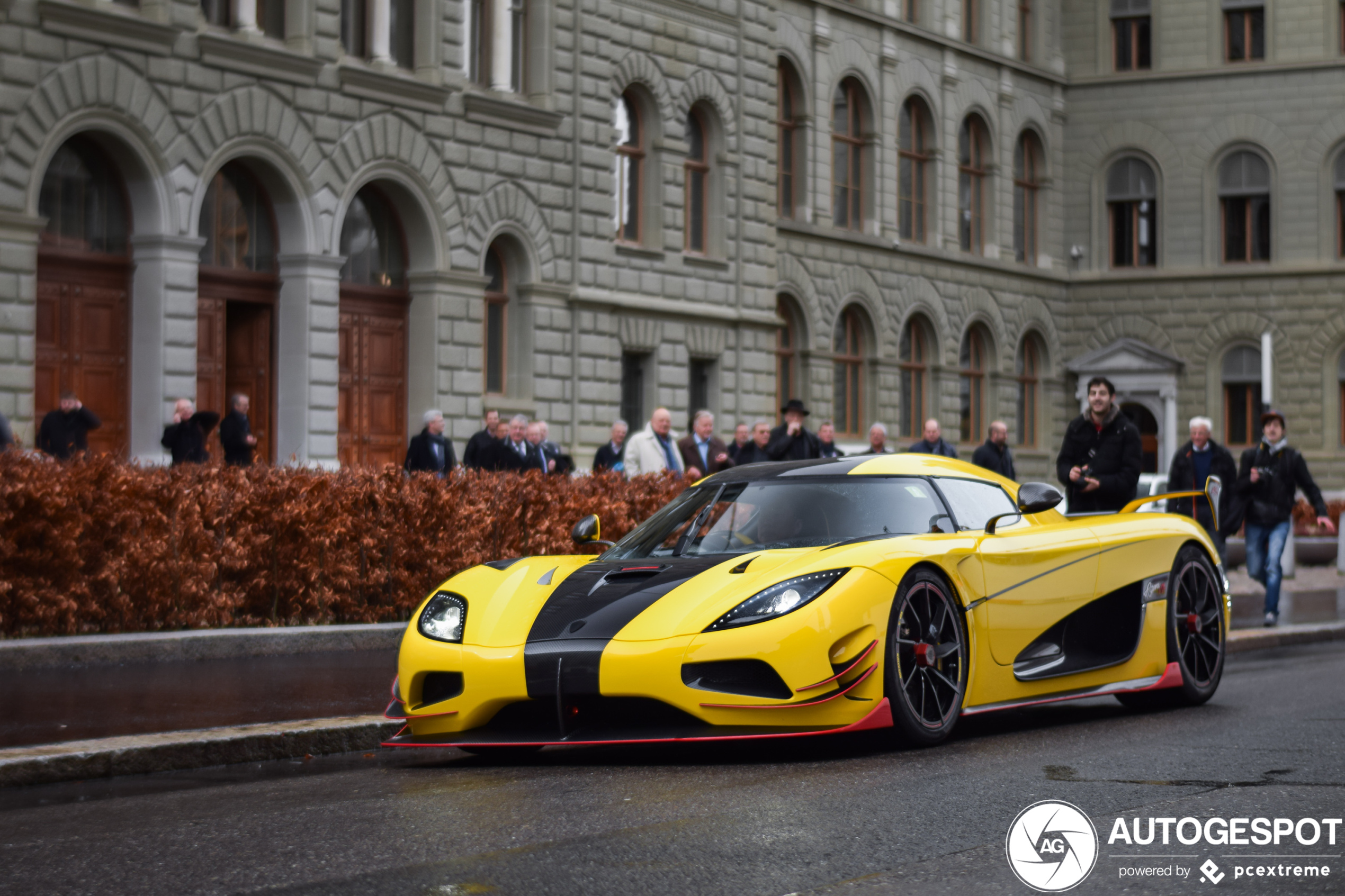
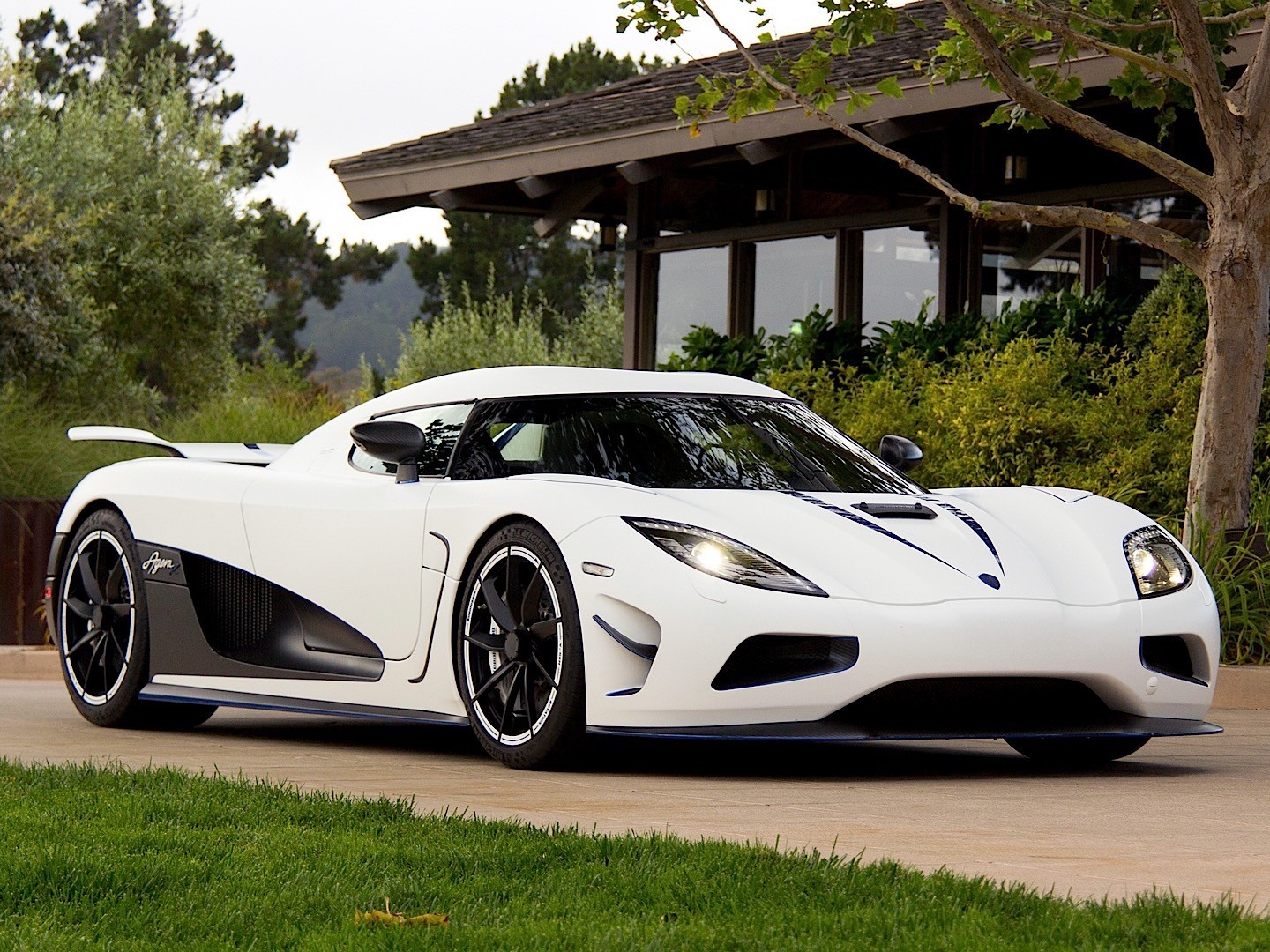
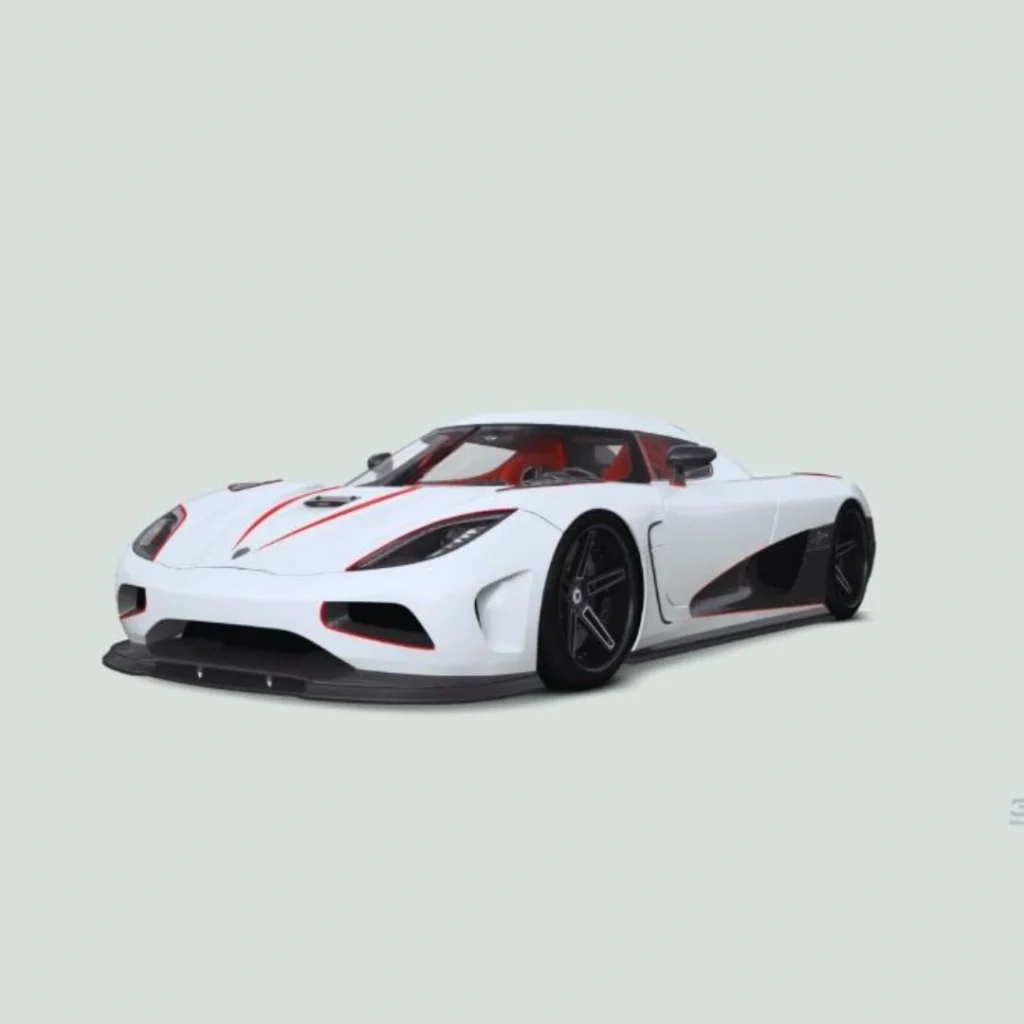
As of 2026, the Koenigsegg Agera R has transitioned from a high-performance hypercar into a premier blue-chip investment grade asset, with market prices typically ranging between $4.5 million and $7 million USD. While its original MSRP in 2011 hovered around $1.6 million to $2.1 million, its extreme rarity—with only 18 units produced—and its historical significance in the "speed wars" have driven a massive appreciation in value over the last decade.
The Evolution of the Agera R Market Value (2011–2026)
To understand the current price overview of the Koenigsegg Agera R, one must analyze its trajectory from a niche Swedish engineering marvel to a global icon of automotive excellence. When the Agera R was first unveiled at the Geneva Motor Show in 2011, it was positioned as the extreme evolution of the base Agera. At that time, the entry price was significant but stayed within the competitive range of the Bugatti Veyron.
Between 2011 and 2014, the primary cost variables for a new Agera R were regional taxes and bespoke options. A buyer in the United States might have paid roughly $1.6 million, while a buyer in a high-tax jurisdiction like Singapore or China could easily have seen that figure double. However, once production ceased in 2014 to make way for the One:1 and the Agera RS, the secondary market began to tighten.
By 2020, the Agera R had already breached the $3 million mark. In the current 2026 market, the "floor" for a well-maintained, high-mileage unit (if such a thing exists for a Koenigsegg) rarely dips below $4.5 million. Pristine examples, especially those with the 2013-year updates which included Aircore hollow carbon fiber wheels and enhanced aerodynamics, frequently see asking prices exceeding $6.5 million at private auctions and specialized boutique dealerships in Dubai, London, and Monterey.
Factors Influencing Agera R Pricing and Resale Value
Several distinct factors contribute to the Agera R's staggering price tag in 2026. Unlike mass-produced luxury vehicles, hypercars like the Agera R are valued based on a combination of mechanical provenance, technological "firsts," and simple scarcity.
Extreme Rarity and Production Volume
Koenigsegg produced only 18 units of the Agera R between 2011 and 2014. This is a critical component of its value. In the world of high-end collecting, scarcity is the most reliable hedge against depreciation. When one of these 18 cars comes to market, it is a global event for collectors. Because the pool of owners is so small, they often have the financial fortitude to hold the asset until their specific price target is met, effectively dictating the market rate.
The E85 Biofuel Advantage
The Agera R was a pioneer in utilizing E85 biofuel to achieve peak performance. While it can run on standard 95-octane gasoline, it produces its maximum output of 1,140 hp only when fueled with E85. In the 2026 landscape, where environmental regulations have become stricter and the industry has shifted toward hybridization and electrification, the Agera R’s ability to generate massive power using renewable fuels has given it a unique "green" legacy status among internal combustion engine (ICE) purists. This versatility adds a layer of long-term relevance that contributes to its price stability.
The "Koenigsegg Upgrade" Ecosystem
Koenigsegg is unique in that it offers a factory upgrade program for older models. Owners can send their Agera R back to the Ängelholm factory in Sweden to have newer electronics, aero components, or even interior finishes installed. An Agera R that has undergone a factory "refresh" or has been updated with Agera RS-spec components commands a significant premium—often $500,000 to $1,000,000 more than a "base" R model—because the work is certified by the original manufacturer.
Technical Specifications and Engineering Justification
The price of an Agera R is not merely a product of hype; it is backed by engineering that remains competitive even by 2026 standards. The vehicle features a 5.0-liter twin-turbocharged V8 engine, which was developed in-house by Koenigsegg. This was a pivotal moment for the brand, as it moved away from modified Ford-based architectures used in earlier CCX models.
The chassis is a pre-impregnated carbon fiber/kevlar monocoque with a weight of only 70 kg, providing industry-leading torsional rigidity. This level of material science is one reason why the car remains a viable performance machine 15 years after its debut. Furthermore, the Triplex rear suspension, which incorporates a third shock absorber to combat "squat" during high-speed acceleration, remains a hallmark of Koenigsegg’s innovative approach to vehicle dynamics.
| Feature | Specification | Impact on Value |
|---|---|---|
| Engine | 5.0L V8 Twin-Turbo | High; In-house development is a collector priority. |
| Power (E85) | 1,140 hp / 838 kW | High; Remains in the top tier of ICE performance. |
| Transmission | 7-Speed Dual Clutch | Medium; First dual-clutch system for the brand. |
| Top Speed | 273 mph (theoretical) | High; Historical significance in speed records. |
| Curb Weight | 1,435 kg (fully fueled) | Medium; Excellent power-to-weight ratio. |
| Production Count | 18 Units | Critical; Primary driver of the $4M+ price floor. |
Ownership Costs: Beyond the Purchase Price
Prospective buyers of an Agera R must look beyond the initial multi-million dollar acquisition cost. Operating a hypercar of this caliber in 2026 involves a specialized financial ecosystem.
Maintenance and Service
Koenigsegg recommends annual servicing, which usually requires the vehicle to be transported to an authorized service center. In many regions, this involves international shipping if a local technician with the appropriate diagnostic tools is not available. A standard annual service, which includes specialized oil changes, software updates, and thorough inspections of the carbon fiber structure, can range from $20,000 to $30,000. Major services, involving the replacement of wear items like the carbon-ceramic brake rotors or the specialized Michelin Pilot Sport Cup 2 tires (customized specifically for Koenigsegg), can easily exceed $100,000.
Insurance and Storage
Insuring a $5 million asset that is capable of 270 mph is complex. Most owners utilize "agreed value" policies through specialty insurers. These policies often come with strict mileage limitations (typically under 1,000 or 2,500 miles per year) and require the vehicle to be stored in a climate-controlled, high-security facility. The annual insurance premium for an Agera R can range from $30,000 to $60,000, depending on the owner’s driving record and the location.
Comparative Market Analysis: Agera R vs. Rivals
In the 2026 secondary market, the Agera R competes for "garage space" with other legends of its era. Comparing its price overview to its contemporaries provides context for its current valuation.
- Bugatti Veyron Super Sport: While the Veyron was the Agera R's primary rival in 2011, Bugatti produced 450 Veyrons in total (including 30 Super Sports). Because the Agera R is significantly rarer than the total Veyron production run, it has recently begun to outpace the standard Veyron in percentage appreciation, though the Super Sport remains a close competitor in the $4M–$5M range.
- Pagani Huayra: The Huayra offers a different appeal, focusing on artisan craftsmanship and "rolling art." While Huayras are similarly priced, the Agera R generally appeals to the "performance-first" collector who values raw speed and technical innovation over the Pagani's interior aesthetics.
- Koenigsegg Agera RS: The Agera RS is the successor to the R and holds several official world records. As a result, the RS currently commands a higher price (often $8M to $12M). The Agera R is frequently seen as the "relative bargain" in the Koenigsegg lineup, offering 90% of the RS's performance for roughly half the price.
Buying Guide: How to Verify and Purchase
Acquiring an Agera R in 2026 is rarely as simple as visiting a dealership. These transactions often happen "off-market" via brokers or at prestigious auction events.
Verification of Provenance
Because there are only 18 units, the history of every Agera R is well-documented by the Koenigsegg registry and enthusiast communities. A buyer must verify the VIN (Vehicle Identification Number) against the factory records to ensure the car has not been involved in significant accidents that required a chassis replacement. While Koenigsegg can repair almost any damage, a car with a "clean" history will always command a 20-30% premium.
Pre-Purchase Inspection (PPI)
A PPI for an Agera R is a multi-day process. It involves a "health check" of the electrical systems, a borescope inspection of the engine cylinders, and a scan of the carbon fiber tub for any signs of delamination or stress. It is highly recommended to fly in a factory-certified technician from Sweden if a local expert is unavailable. This inspection is a prerequisite for any transaction at this price level.
Frequently Asked Questions
Why is the Agera R so much more expensive in 2026 than when it was new? The price increase is driven by the transition of the Agera R from a "used car" to a "collectible asset." With only 18 units in existence, the demand from new ultra-high-net-worth individuals in emerging markets far exceeds the available supply. Additionally, the Agera R represents a peak in mechanical, non-hybrid hypercar engineering, which is highly sought after as the industry moves toward electrification.
Can the Agera R be driven on normal roads? Yes, the Agera R is fully street-legal in most jurisdictions, provided it meets local emissions and safety standards. However, its low ground clearance and extreme width make it challenging to drive in urban environments. Most owners use it for track days, high-speed rallies, or display at concours events.
What is the difference between the 2011 and 2013 Agera R models? The 2013 update was significant. It introduced the world’s first hollow one-piece carbon fiber wheels (Aircore technology), a new engine management system that raised the rev limit to 7,500 rpm, and reduced friction in the cylinder sleeves (nano-surfacing). These 2013+ models are generally more desirable and command higher prices on the market.
Is the Agera R a good investment? Historically, the Agera R has been an excellent investment, with values tripling over the last decade. While past performance does not guarantee future results, the combination of extreme rarity and the growing prestige of the Koenigsegg brand suggests that the Agera R will continue to be a stable store of value compared to mass-produced luxury assets.
How does the Agera R handle low-octane fuel? The car's engine management system is highly sophisticated. If E85 is unavailable, the car can run on 95-octane pump gas, but the output is automatically reduced to approximately 940 hp. This protects the engine from knock and allows for touring in regions where high-performance fuels are not readily accessible.
Final Recommendations for Potential Investors
If you are considering an Agera R as an acquisition in 2026, the primary recommendation is to prioritize originality and service history. A car that has been maintained strictly according to factory intervals and has had no major structural repairs is the safest place for your capital.
Given the current market plateau for many high-end assets, look for examples with unique "1 of 1" color combinations or those that were used for official Koenigsegg promotional materials, as these nuances provide "story equity" that can justify a higher resale price in the future. Finally, always ensure the car is up to date with the latest factory software updates, as these significantly improve the drivability of the early dual-clutch transmissions.