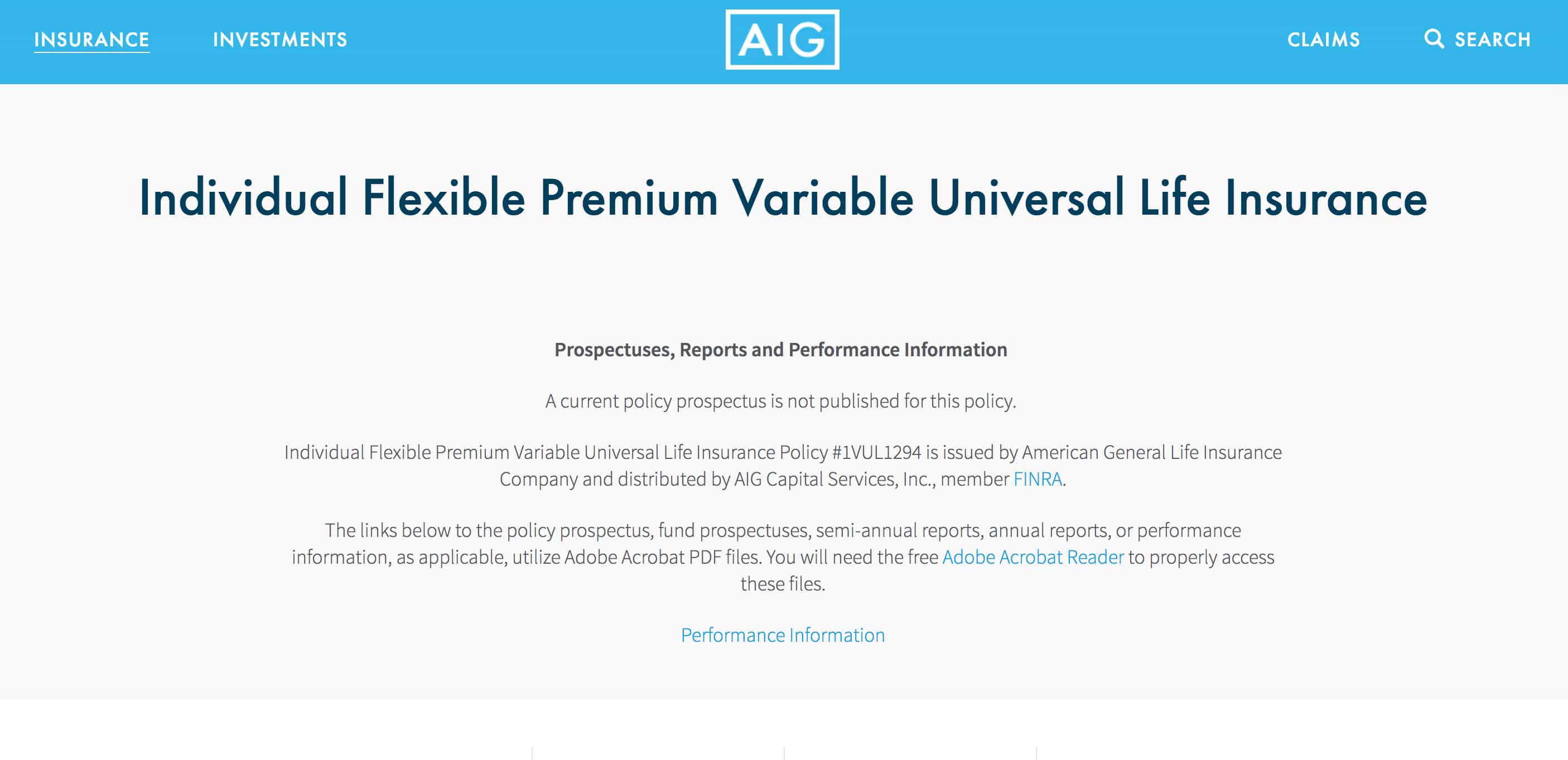
When evaluating life insurance providers, confusion often arises between "American Group" and "American General Life Insurance." American General is a specific, well-established life insurance subsidiary operating under AIG (American International Group). "American Group" is frequently a misnomer or a fragmented reference to the parent company, AIG, rather than a separate, competing life insurance product line.
Clarifying the Entities: AIG and American General
To understand your insurance options, it is vital to distinguish between a corporate parent and its operating subsidiaries. American General Life Insurance Company (AGL) is the legal entity that issues life insurance, annuity, and financial products. It is a member company of American International Group, Inc., a global financial services organization.
Consumers searching for "American Group" are almost always looking for information regarding American International Group (AIG). In the context of life insurance, there is no entity called "American Group" that competes with American General. Instead, you are looking at the financial stability of the parent organization (AIG) versus the specific policy terms and product offerings of the subsidiary (American General). When you purchase a policy, you are entering into a contract with American General, backed by the capital and reputation of the AIG brand.
Understanding American General Life Insurance (AGL)
American General has been a cornerstone of the American life insurance market for over a century. By 2026, the company continues to provide a broad range of products, including term life, universal life, and whole life insurance, as well as various annuity products designed for retirement income.
The primary appeal of American General lies in its diversity of product offerings and its status as a subsidiary of a global conglomerate. This provides a level of scale and financial backing that smaller, boutique insurers may lack. Their products are typically sold through independent brokers and financial advisors rather than direct-to-consumer digital platforms, emphasizing the need for professional guidance when navigating their complex underwriting guidelines.
Corporate Structure and Financial Backing
The confusion between "American Group" and "American General" is rooted in the corporate architecture of AIG. American International Group (AIG) serves as the holding company. This is the entity that maintains public financial disclosures, credit ratings from agencies such as Moody’s, S&P, and Fitch, and manages the broader risk profile of the organization.
When assessing the reliability of your life insurance, you are essentially vetting the parent company. AIG’s financial performance impacts the ability of American General to pay claims. For the policyholder, the "American Group" (AIG) provides the financial bedrock, while "American General" provides the contractual agreement. It is important to note that life insurance subsidiaries are regulated at the state level by departments of insurance, which mandates specific reserve requirements to ensure that companies like American General can meet their long-term obligations to policyholders, regardless of the parent company's broader market volatility.
Comparison Table: Factors for Policyholders
| Feature | American General (Subsidiary) | AIG (Parent/Holding Company) |
|---|---|---|
| Primary Function | Issues policies and manages claims | Oversees capital and corporate strategy |
| Role in Policy | The entity on the legal contract | The provider of financial strength |
| Regulation | State Insurance Commissioners | SEC and Federal/Global oversight |
| Consumer Contact | Customer service for claims/billing | Investor relations and corporate media |
| Product Access | Available via licensed brokers | Not a consumer-facing entity |
Evaluating Life Insurance Offerings
When comparing American General to other carriers, the focus should not be on the corporate name, but on the specifics of the product. American General is known for its competitiveness in universal life insurance and its specialized underwriting for certain medical conditions.
Term Life Insurance
American General’s term products are often selected for their simplicity and flexibility. In 2026, these policies remain a standard choice for individuals seeking income replacement during their working years. They provide a death benefit for a specified period, typically ranging from 10 to 30 years.
Universal Life Insurance
This is an area where American General has historically maintained a strong market presence. Universal life offers more flexibility than term or whole life, allowing policyholders to adjust their premiums and death benefits within certain parameters. However, these policies require closer management to ensure that the cash value accumulation meets long-term expectations, especially in fluctuating interest rate environments.
Underwriting and Eligibility
A major component of your evaluation should be the underwriting process. American General employs rigorous health and lifestyle reviews. If you are applying for coverage, be prepared to provide medical records, history of medications, and potentially undergo a paramedical exam. Because they are a large-scale provider, their underwriting guidelines are often highly structured, which can be an advantage for applicants with specific medical histories who fit into their preferred risk categories.
Common Misconceptions
One of the most frequent errors consumers make is assuming that "American Group" refers to a cooperative or a different insurance company entirely. In the marketplace, there are many insurers with "American" in their name—such as American Family Insurance or American National—which are entirely separate entities with no connection to AIG or American General.
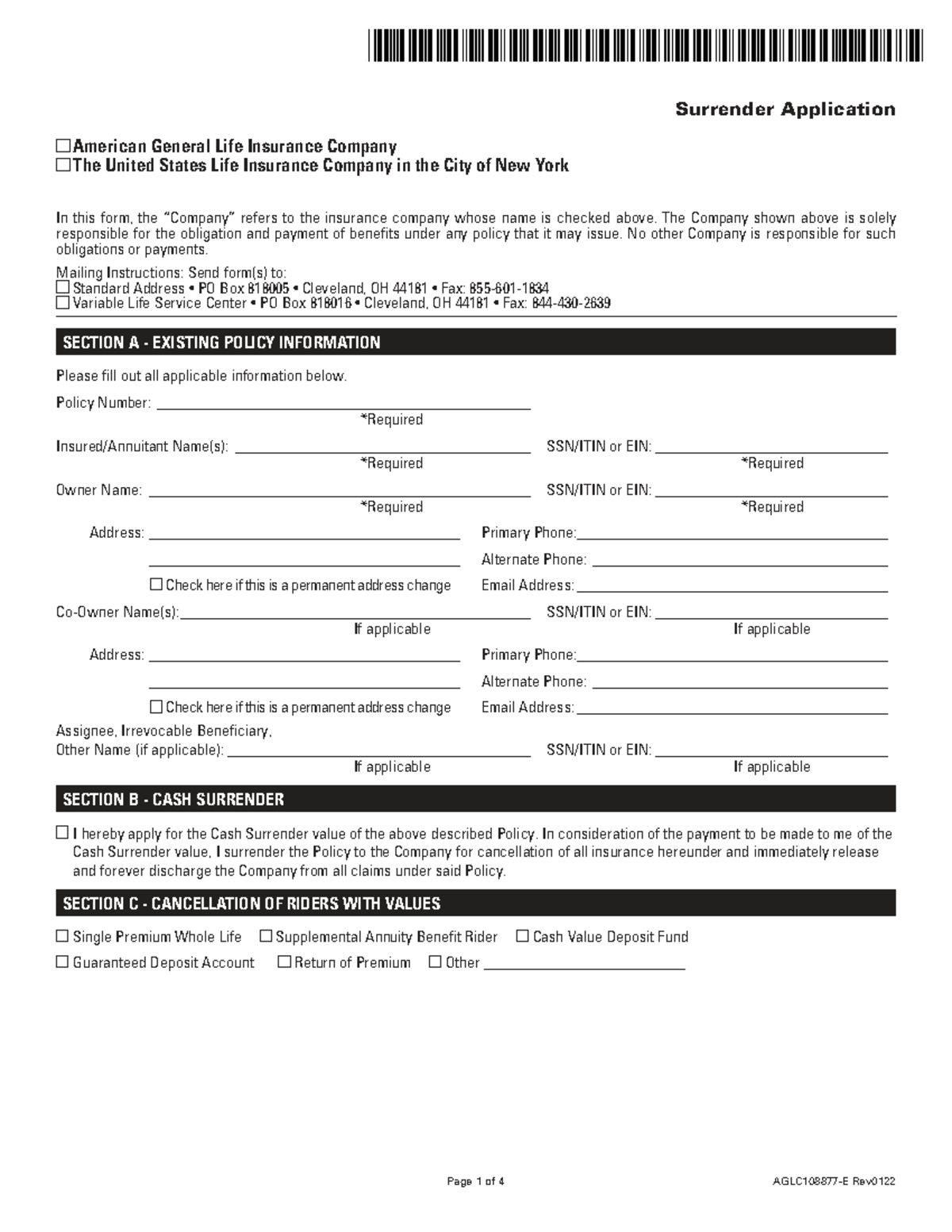
If you are currently reviewing an insurance quote or a policy document, always look for the full legal name of the underwriting company. It will typically state "American General Life Insurance Company." If the document references a different parent or a similarly named company, it is a clear indicator that you are not dealing with the AIG subsidiary. Always verify the NAIC (National Association of Insurance Commissioners) number on your policy documentation to ensure you know exactly which entity holds your contract.
Practical Steps for Prospective Policyholders
Before moving forward with an application, follow these systematic steps to ensure you have the right coverage:
- Assess Your Need: Determine whether you require temporary coverage (term) or permanent coverage (universal/whole) based on your financial goals.
- Verify the Carrier: Ensure you are working with a licensed agent who is authorized to sell American General products.
- Review the Ratings: Check the financial strength ratings of AIG for the current year. These ratings represent the opinion of third-party agencies on the company's ability to meet financial obligations.
- Compare Quotes: Obtain quotes from multiple carriers. Use the policy features of the American General product as a benchmark for comparison against other highly-rated companies.
- Analyze Underwriting Requirements: Ask your agent about the specific "build and health" tables the company uses, as these will directly influence your premium costs.
Addressing Financial Advisor Consultations
Because American General products are largely distributed through financial advisors, the advice you receive is as important as the product itself. An advisor should be able to explain why American General is a suitable fit for your specific portfolio, as opposed to simply recommending them because of brand recognition. Ask your advisor about the "guaranteed" versus "non-guaranteed" elements of the policy. In 2026, with the economic landscape in mind, understanding what parts of your policy are locked in and what parts are subject to market performance is essential.
Frequently Asked Questions
Is American Group the same company as American General? No. "American Group" is an informal reference to the parent organization, American International Group (AIG), while American General is a specific life insurance subsidiary. They are two parts of the same corporate structure.
Does AIG's financial health affect my American General policy? Yes. As the parent company, AIG provides the capital and oversight. However, your policy is a legal contract with the subsidiary, which is governed by state-level regulations and financial reserve requirements designed to protect policyholders.
Are there other companies with "American" in the name? Yes, there are several, including American Family Insurance and American National. These companies are independent of AIG and American General. Always check the specific company name on your policy declaration page.
How do I check the claims-paying ability of American General? You can look up the financial strength ratings (often A or higher) assigned to AIG by independent rating agencies like S&P or Moody’s. These ratings reflect the firm's capacity to meet its long-term financial commitments.
Where can I buy an American General policy? These policies are typically sold through independent insurance brokers and financial advisors. It is recommended to work with a licensed professional who can provide a comparison of different carriers tailored to your health and financial profile.
Conclusion and Next Actions
When you see the names American Group and American General, remember that you are looking at the same corporate ecosystem. Your primary task is to focus on the specific life insurance product issued by American General. Evaluate the death benefit, the premium structure, and the company's reputation for claims processing rather than searching for a distinction between the group and the subsidiary that does not exist in a competitive sense.
If you have already received a quote, verify the specific policy form number and the legal entity listed on the application. Consult with a qualified financial advisor to ensure the policy integrates effectively with your broader financial plan, and review the current financial strength ratings of AIG to confirm the stability of the underlying institution.