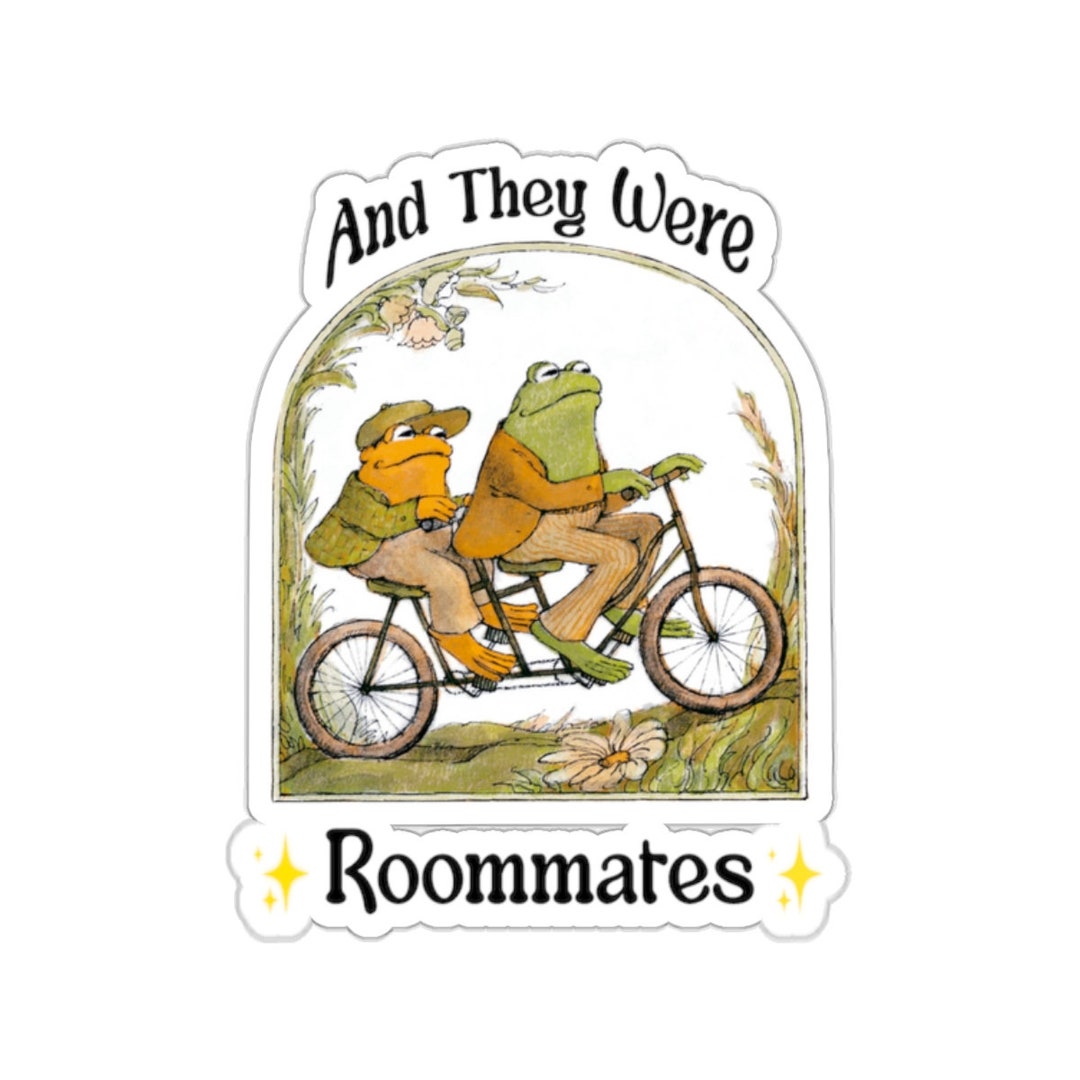
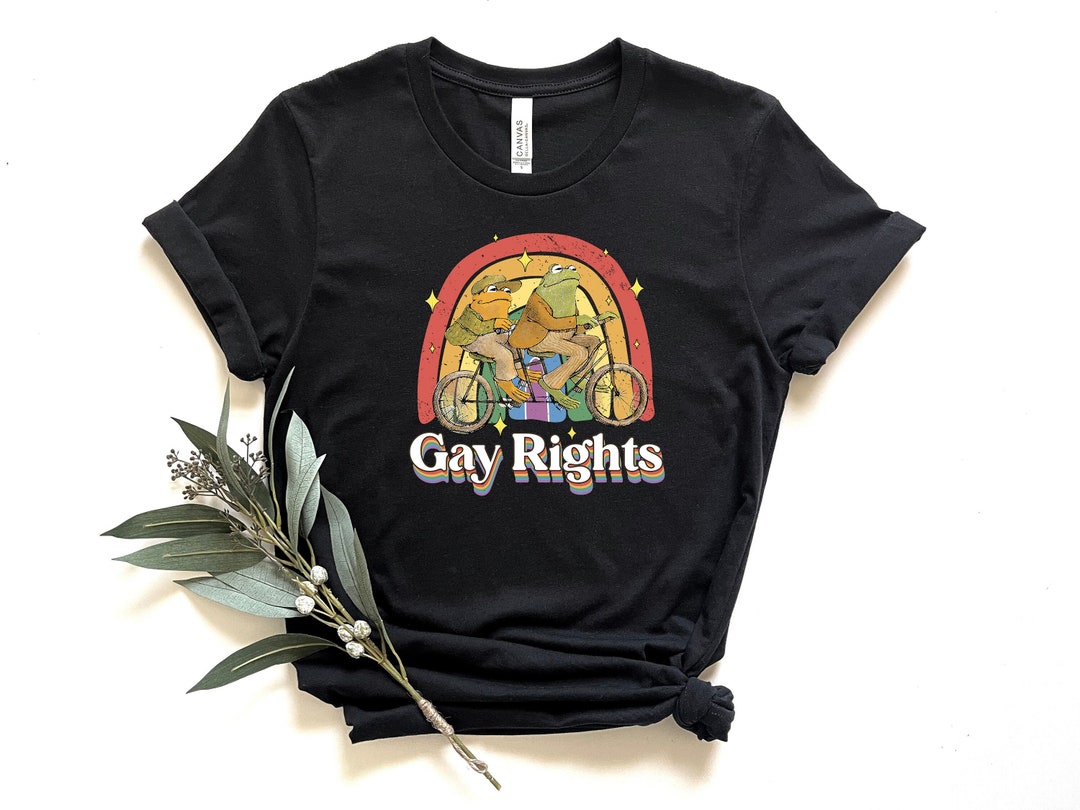
While Arnold Lobel’s Frog and Toad books do not explicitly label the characters as a gay couple, they are widely recognized as queer icons. This interpretation is supported by Lobel’s personal history as a gay man and the deep, domestic, and exclusive emotional bond the two characters share across their adventures.
The question of whether Frog and Toad are a gay couple has moved from the fringes of literary theory into the mainstream of cultural consciousness. For decades, children and adults alike have found solace in the gentle, enduring friendship of two creatures who live in separate houses but share a life that is functionally indistinguishable from a devoted partnership. As of 2026, the series remains a cornerstone of children's literature, but its layers of meaning have expanded significantly since the first volume, Frog and Toad Are Friends, was published in 1970.
To understand the relationship between Frog and Toad, one must look beyond the surface of simple "friendship" and examine the creator’s intent, the textual evidence within the stories, and the historical context of the 1970s.
The Creator’s Context: Arnold Lobel’s Personal Journey
The most compelling evidence for a queer reading of Frog and Toad comes from the life of their creator, Arnold Lobel. In 1974, four years after the publication of the first book in the series, Lobel came out as gay to his family. This was a significant and difficult transition during an era when LGBTQ+ visibility was far from the societal norm.
Lobel’s daughter, Adrianne Lobel, has been instrumental in clarifying the connection between her father’s identity and his most famous characters. In various interviews, including a landmark discussion with The New Yorker in 2016, she suggested that the Frog and Toad series served as the "beginning of his coming out." She noted that while the characters were intended for children, they were also a vehicle for Lobel to explore his own feelings of being "different" and his desire for a companion who accepted him unconditionally.
In the early 1970s, children’s literature had no room for explicitly gay characters. However, the emotional landscape of Lobel’s work reflects the complexities of adult relationships. Frog and Toad are not just friends who play together; they are individuals who navigate neuroses, insecurity, and deep affection within a shared domestic framework. By 2026, many literary scholars view the series as a prime example of "queer coding"—the practice of imbuing characters with traits or relationships that suggest a queer identity without stating it explicitly.
Analyzing the Relationship: Domesticity and Devotion
The stories of Frog and Toad are rarely about grand adventures. Instead, they focus on the minutiae of daily life: eating cookies, going for walks, cleaning the house, and waiting for the mail. This focus on domesticity is a key reason many readers interpret them as a couple.
The Dynamics of "The Letter"
In one of the most famous stories, "The Letter," Toad is sad because he never receives any mail. Frog, seeing his friend's distress, goes home and writes a letter to Toad, then gives it to a snail to deliver. Frog then sits with Toad on the porch for four days, waiting for the letter to arrive, even though he knows exactly what it says because he wrote it himself.
This level of emotional labor and the desire to alleviate a partner’s sadness is a hallmark of a committed relationship. Frog does not just tell Toad not to be sad; he participates in the sadness and goes to great lengths to provide comfort.
The Sanctuary of "Alone"
Another pivotal story is "Alone" from Days with Frog and Toad. In this narrative, Toad finds a note from Frog saying he wants to be alone. Toad panics, assuming he has done something wrong or that Frog no longer wants to be his friend. He tracks Frog down to an island in the river, only to find that Frog simply wanted time to reflect on how happy he is.
Frog explains that he wanted to be alone so he could think about how "everything is beautiful" and how much he appreciates his life—which fundamentally includes Toad. This story captures the "togetherness" of a long-term partnership, where the presence of the other person is the baseline for one's happiness.
Textual Evidence of a Committed Partnership
When analyzing the text, several recurring themes suggest that Frog and Toad are more than just casual acquaintances.
- Exclusivity: Throughout the four books, there are very few other characters who enter their world. When they do, they are often peripheral. The emotional weight of the stories is always concentrated on the interaction between Frog and Toad.
- Complementary Personalities: Frog is typically patient, optimistic, and capable, while Toad is anxious, prone to bouts of depression, and occasionally stubborn. Their relationship is a study in how two different temperaments balance each other out—a classic trope in the depiction of successful couples.
- Physical and Emotional Intimacy: They hold hands, they take care of each other when they are sick, and they prioritize each other's feelings above all else. In the story "Shivers," they sit together by a fire, sharing "ghost" stories and shivering together, finding comfort in their proximity.
Comparing Frog and Toad’s Roles
To better understand their dynamic, we can look at how they function within their shared narrative world.
| Feature | Frog | Toad |
|---|---|---|
| Temperament | Stoic, encouraging, and adventurous. | Anxious, home-loving, and emotional. |
| Domestic Role | Often the caretaker or the one providing perspective. | The one requiring emotional support or motivation. |
| Social Style | More outgoing and comfortable in the world. | Prefers the safety of his home and Frog's company. |
| Perspective | Sees the big picture and the beauty of nature. | Focuses on the immediate comforts or discomforts of life. |
| Shared Goal | Maintaining the harmony and happiness of their bond. | Ensuring he is never truly "alone" or forgotten by Frog. |
The Concept of Queer Coding in the 1970s
Understanding "queer coding" is essential for interpreting Frog and Toad through a modern lens. In the mid-20th century, writers often used subtext to convey themes that could not be openly discussed. For LGBTQ+ creators, this often meant portraying "best friends" who shared lives that mirrored romantic partnerships.
By 2026, the academic consensus on Frog and Toad often highlights that the characters occupy a "liminal space." They are not quite human, yet they possess deeply human emotions. They are not explicitly "male" in a way that requires them to follow traditional masculine archetypes of the 1970s. They are gentle, vulnerable, and domestic. This subversion of traditional masculinity is a significant part of why they resonate so strongly with the LGBTQ+ community.
The absence of female love interests or "traditional" family structures in the woods where they live also creates a space where their relationship can exist without comparison. They are simply Frog and Toad, and their world is defined by their devotion to one another.
Modern Interpretations and Cultural Legacy
In recent years, particularly leading up to 2026, Frog and Toad have experienced a massive resurgence in popularity, driven largely by the internet. Memes, fan art, and social media discourse have solidified their status as a "cottagecore" gay couple.
The Apple TV+ Series (2023)
In 2023, an animated series based on the books was released on Apple TV+. While the show maintained the "best friends" terminology of the original books, the chemistry and the focus on their exclusive bond remained intact. For many viewers, the show was a modern validation of the characters' enduring appeal as a couple, even if the language used remained "safe" for all audiences.
Literary Criticism and Children’s Literature
Scholars of children's literature often point to Frog and Toad as a precursor to more modern, explicit representation. By providing a template for a healthy, supportive, and emotionally honest same-sex relationship, Arnold Lobel unintentionally created a bridge for future authors. The books prove that stories about two men (or male-coded creatures) loving each other and caring for each other are universal and timeless.
Common Misconceptions and Counterarguments
It is important to address the perspective that Frog and Toad are "just friends." Some readers argue that labeling them as a gay couple sexualizes a children's book or ignores the importance of platonic male friendship.
However, the "gay couple" interpretation rarely focuses on sexuality. Instead, it focuses on romantic orientation and life partnership. In the context of 2026, our understanding of the "queer umbrella" includes various forms of partnership that do not fit traditional molds.
Furthermore, the "just friends" argument often ignores the specific historical context of Arnold Lobel's life. When a creator comes out and their family confirms that their work was a reflection of that struggle, it becomes difficult to dismiss the queer subtext as a mere "projection" by modern readers.
Why the "Gay Couple" Reading Resonates in 2026
The reason this interpretation has persisted and grown stronger over time is that it offers a vision of queer life that is peaceful, domestic, and safe. For many LGBTQ+ individuals, the journey of coming out is fraught with conflict. Frog and Toad offer an alternative: a world where two people who love each other can simply exist, bake cookies, and be happy.
Their relationship is a model of:
- Radical Acceptance: Frog accepts Toad’s grumpiness and anxiety without trying to "fix" him.
- Constant Presence: They show up for each other in the small moments, which is the foundation of any long-term partnership.
- Emotional Honesty: They talk about their fears and their happiness with a vulnerability that was rare for male characters in 1970.
FAQs About Frog and Toad’s Relationship
Did Arnold Lobel ever say they were gay?
Arnold Lobel never explicitly stated in his lifetime that Frog and Toad were a gay couple. However, he came out as gay in 1974, and his daughter has since stated that the characters were a reflection of his own identity and his process of coming out.
Why do people think they are a couple?
The interpretation stems from their exclusive relationship, their shared domestic life, the emotional intimacy they display, and the fact that they are the primary "others" in each other’s lives. The creator’s personal history adds a significant layer of biographical evidence to this reading.
Are there any other characters in the books?
Yes, there are minor characters like the Snail with the mail, a Turtle, and various birds or lizards. However, these characters are never part of the core emotional narrative. The focus is strictly on the bond between Frog and Toad.
Can they just be best friends?
They can certainly be read as best friends. The beauty of the series is that the themes of loyalty, kindness, and devotion are universal. However, for many, the "gay couple" interpretation adds a layer of depth and historical significance that honors the creator’s life and the experiences of LGBTQ+ readers.
Is the new animated series different from the books?
The 2023 Apple TV+ series is very faithful to the source material. It preserves the gentle tone and the central relationship. While it doesn’t change the "friend" terminology, it emphasizes the same deep devotion found in Lobel’s original illustrations and text.
What is "cottagecore" and why is it linked to them?
"Cottagecore" is an aesthetic movement that celebrates simple, rural living, gardening, and domestic crafts. Frog and Toad, with their cozy houses, tea-drinking habits, and nature walks, have become mascots for this movement, which is also very popular within the LGBTQ+ community.
Practical Recommendation: How to Approach the Series Today
If you are revisiting Frog and Toad in 2026, whether for yourself or a child, the best approach is one of open-ended appreciation. These books are masterpieces of emotional intelligence.
- For Educators and Parents: Use the stories to discuss what it means to be a good friend and a devoted companion. You don't need to "label" the characters for a child to understand that Frog and Toad love each other deeply.
- For Adult Readers: Consider reading the series alongside a biography of Arnold Lobel. Seeing the stories through the lens of a man navigating his identity in the 1970s adds a profound level of poignancy to stories like "Alone" or "The Letter."
Ultimately, whether you view them as "best friends" or a "gay couple," the core message remains the same: the most important thing in life is having someone who understands you, stays with you, and waits for your letter to arrive.