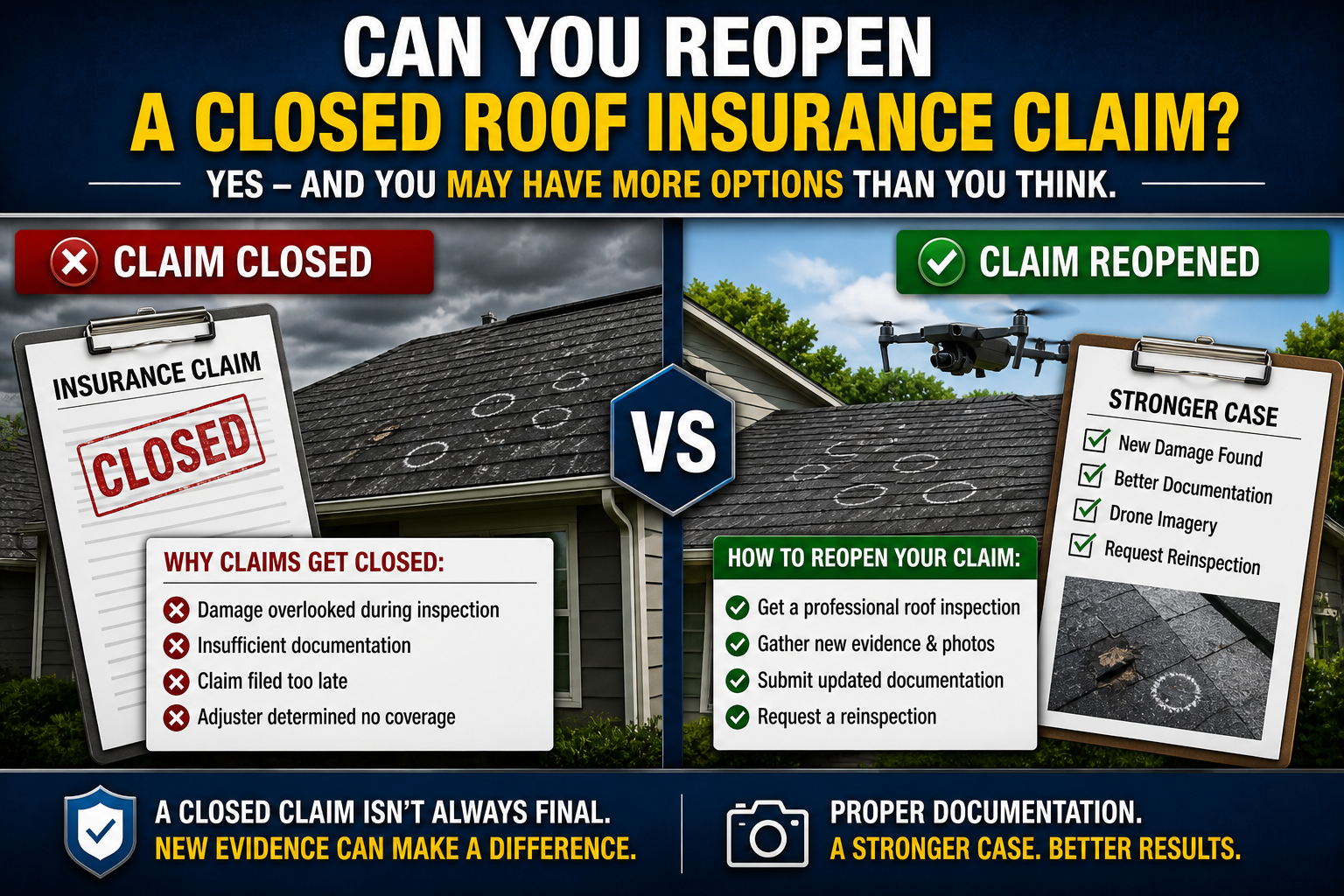
Yes, it is possible to file a lawsuit after an auto insurance claim has been closed, provided you remain within the boundaries of your jurisdiction’s statute of limitations. Closing an insurance claim generally marks the end of the insurer’s administrative processing and settlement activities, but it does not automatically waive your legal right to seek judicial remedy if you believe you have been unfairly compensated or if new facts arise.
Understanding the Status of a Closed Claim
When an insurance carrier marks a claim as "closed," it signifies that, according to their internal assessment, the matter has reached a conclusion. This usually occurs after a settlement check has been issued and cashed, or because the insurer has denied the claim entirely. In the eyes of the insurance company, the "file is shut" because the investigation is complete, liability has been assessed, and the financial obligations of the policy have been discharged.
However, an insurance company is a private entity. Their internal classification of a file as closed has no bearing on the jurisdiction of a civil court. The court system operates independently of private contracts. While the settlement agreement you signed may contain a "release of all claims" clause—which effectively prevents you from suing further—there are specific scenarios where such a release might be challenged or where no release was ever signed in the first place.
The Role of the Statute of Limitations
The most critical factor in your ability to pursue litigation after a file is closed is the statute of limitations. Every state has a strictly defined timeline during which a victim of an auto accident may file a lawsuit for personal injury or property damage.
This period varies significantly by state—often ranging from one to six years from the date of the accident. Even if your insurance claim was closed three months after your accident, if you are within the statutory window, the fact that the claim is "closed" does not prohibit you from filing a lawsuit in civil court. The statute of limitations is a law established by the legislature, and an insurance company’s internal policy status cannot override state law.
Common Situations That Prompt Post-Closure Litigation
Several distinct circumstances lead individuals to seek legal counsel even after an insurer has deemed a claim resolved. Recognizing these can help you determine if your situation warrants a conversation with an attorney.
1. Discovery of Latent Injuries
A common issue in auto accident cases is the "delayed symptom" phenomenon. You may have accepted an initial settlement for minor soft-tissue injuries, only to discover months later that you sustained a disc herniation or a complex neurological issue that was not apparent during the initial claim adjustment. If you have not signed a final release or if the settlement was predicated on incomplete medical information, you may have grounds to reopen the matter or pursue further action.
2. Bad Faith Insurance Practices
If the insurance company acted in bad faith during the claim process—such as intentionally misrepresenting policy terms, ignoring clear evidence of liability, or coercing you into a low-ball settlement through intimidation—you may have a cause of action that goes beyond the auto accident itself. This is often referred to as a "bad faith insurance claim," which is a separate legal matter from the original accident claim.
3. Unsigned Settlements
If an insurance claim was closed because you simply stopped responding to the adjuster or because they denied coverage, but you never signed a formal release document, your right to sue remains intact. Many people mistakenly believe that receiving a "denial letter" is the end of the road. In reality, a denial letter is merely the insurer’s opinion. A court of law is the final arbiter of whether the insurer’s denial was justified under the terms of the policy.
Comparing Claim Settlement vs. Litigation
The table below outlines the differences between resolving a matter through the insurance claim process and through the court system.
| Feature | Insurance Claim Process | Civil Litigation |
|---|---|---|
| Primary Goal | Negotiated administrative settlement | Judicial judgment or verdict |
| Decision Maker | Insurance adjuster | Judge or Jury |
| Timeline | Typically weeks to months | Often months to years |
| Costs | Minimal (no filing fees) | High (legal fees, expert witnesses) |
| Binding Nature | Negotiated; requires signed release | Binding court order or settlement |
| Legal Burden | Lower; based on policy contract | High; based on evidence and tort law |
The "Release of Claims" Barrier
The primary obstacle to suing after a claim is closed is the "Release of All Claims" document. If you accepted a settlement check, the insurance company almost certainly required you to sign a release. This is a legally binding contract. By signing it, you essentially traded your right to sue for a specific amount of money.
However, even this is not absolute. Courts have been known to set aside releases in extreme circumstances, such as:
- Fraud: If the insurance company lied about the coverage available or the nature of the investigation.
- Mutual Mistake: If both parties were operating under a fundamentally false assumption about a material fact at the time of the settlement.
- Duress: If the settlement was signed under illegal coercion.
Proving these requires significant evidence and is a high hurdle to overcome. You should never assume a release is voidable without consulting a qualified attorney.
Practical Steps If You Are Considering a Lawsuit
If you believe you have been wronged, do not rush to the courthouse. Taking the following steps will provide you with a clearer picture of your situation:
- Review Your Documentation: Locate the final settlement letter and, more importantly, the release document you signed. Read the fine print to see what exactly you waived.
- Consult a Personal Injury Attorney: Most firms offer free consultations. Bring your claim file, the denial letters, and your medical records. An attorney can quickly tell you if your case is viable or if you have signed away your rights.
- Verify the Statute of Limitations: Confirm the exact deadline for filing in your jurisdiction. If you are near the deadline, time is of the essence.
- Gather New Evidence: If you are pursuing a claim based on late-discovered injuries, you must have medical testimony connecting the injury directly to the accident. Without this "causation" link, a lawsuit will likely fail.
- Document Everything: Maintain a chronological log of your interactions with the insurance company, including dates, names of adjusters, and summaries of phone calls.
Legal Advice and Jurisdictional Variations
It is imperative to note that insurance law is heavily dictated by state-specific statutes and court precedents. For example, "No-Fault" states have significantly different rules regarding the right to sue for auto accidents compared to "Tort" or "At-Fault" states. In a no-fault state, you may be prohibited from suing for non-economic damages unless your injuries exceed a specific "serious injury" threshold defined by law.
Furthermore, this article does not constitute legal advice. Insurance regulations and case law change frequently and vary by region. If you are considering legal action, you are effectively engaging in a complex adversarial process against a party that typically has significant legal resources. It is essential to seek professional guidance from a licensed attorney in your jurisdiction to understand your specific standing.
Frequently Asked Questions
1. Can I sue my insurance company if they denied my claim? Yes. A denial is not a final judgment. If you believe the denial was improper or violated your policy terms, you can file a "breach of contract" lawsuit against your insurer. You must, however, be prepared to prove that the insurer failed to meet its obligations under the contract you signed.
2. What happens if I find out my injuries are worse after I signed a settlement? This is known as a "latent injury." If you signed a release, it is very difficult to sue because the release was intended to cover all future damages. However, if you can prove fraud or that the settlement was based on a mutual mistake regarding a material fact, a court might allow the case to proceed.
3. Does a closed claim affect my future premiums? Yes. An insurance company’s internal closure of a claim often triggers the reporting of that claim to industry databases like CLUE (Comprehensive Loss Underwriting Exchange). Even if you sue later and win, the fact that a claim was opened and processed will likely remain on your insurance history and could influence your premiums for several years.
4. How long do I have to file a lawsuit after an accident? This depends entirely on your state. Some states have a one-year statute of limitations for personal injury, while others offer up to six years. You must look up the specific statute for your state. Once this time expires, you generally lose your right to sue, regardless of the merits of your case.
5. Is it worth it to hire a lawyer after the claim is already closed? If the amount of money at stake is small, the cost of litigation—which includes filing fees, legal retainers, and potential expert witness fees—may outweigh the potential recovery. However, if you have sustained serious, life-altering injuries or if the insurance company clearly acted in bad faith, an attorney can help you navigate the complexities of reopening a claim or filing a lawsuit.
Next Actionable Steps
If you are currently facing this dilemma, your first step should be to audit your records. Identify if you signed a full release of liability. If you have not, your path forward is significantly clearer. If you have signed a release, your next move is to consult with a litigation attorney who specializes in insurance bad faith or personal injury. Do not wait until the statute of limitations is about to expire, as preparation for a lawsuit requires gathering medical evidence, hiring experts, and drafting formal complaints. The closure of your claim by an insurance adjuster is a professional assessment, but it is not a final legal determination of your rights under the law.