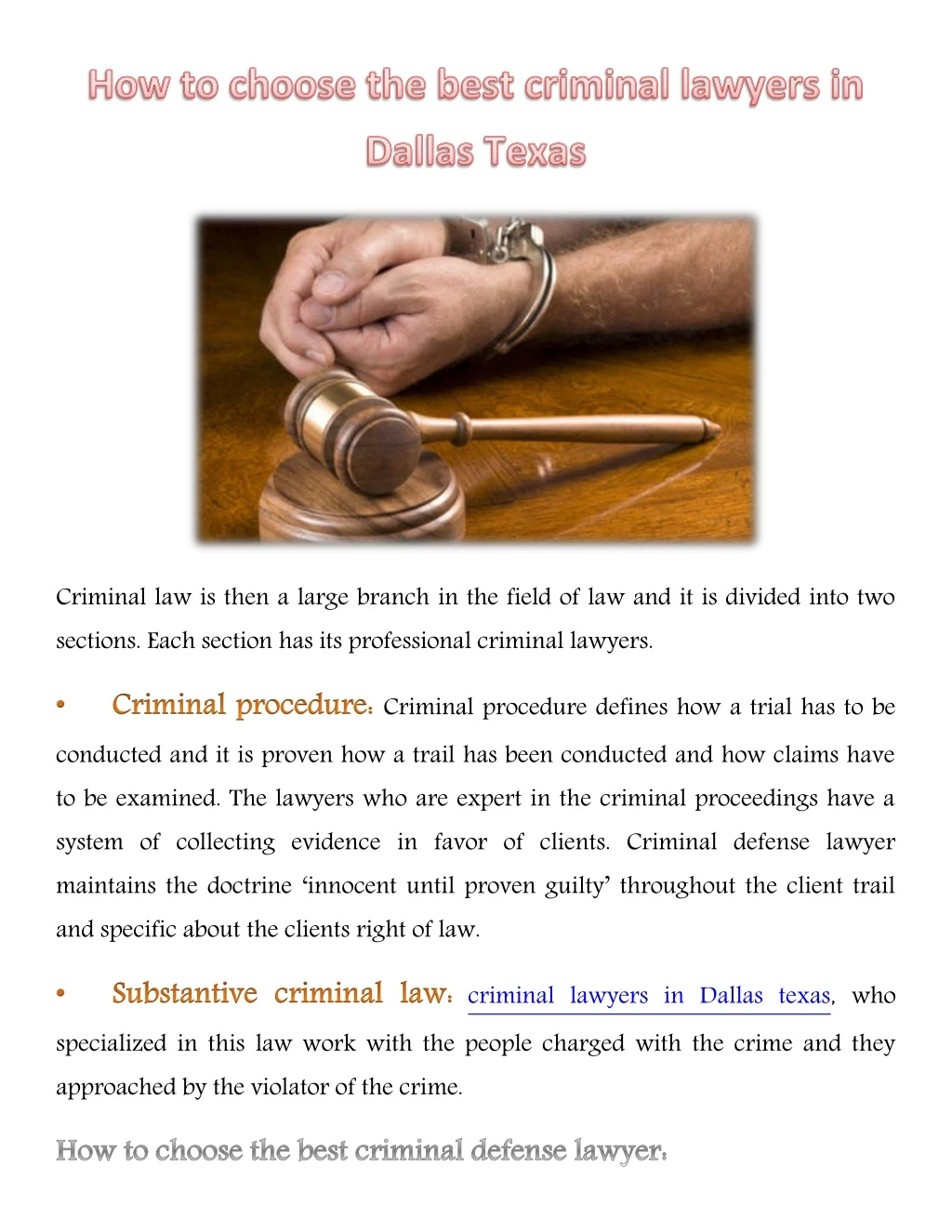
Facing an arrest or navigating the immediate aftermath of criminal charges is one of the most stressful experiences an individual can encounter. In these critical moments, securing the right legal representation is the single most important factor in protecting your constitutional rights, your freedom, and your future. An arrest lawyer—commonly referred to as a criminal defense attorney—acts as your primary advocate, shield, and strategist within the judicial system. Understanding what an arrest lawyer does, how they operate during the earliest stages of a criminal case, and how to select the most qualified professional can drastically alter the trajectory of your legal situation.
Disclaimer: The following information is for educational purposes and does not constitute formal legal advice. Criminal laws vary significantly by jurisdiction, and anyone facing arrest or criminal charges should consult with a qualified attorney licensed in their specific geographic area immediately.
The Core Role of an Arrest Lawyer
An arrest lawyer specializes in defending individuals who have been accused of or arrested for committing crimes, ranging from minor misdemeanors to serious felonies. Their role begins the moment they are retained and extends through every phase of the criminal justice process. Unlike lawyers who practice civil law, corporate law, or family law, a dedicated criminal defense attorney understands the intricacies of constitutional criminal procedure, law enforcement protocols, and evidentiary rules.
The responsibilities of an arrest lawyer can be broken down into several distinct operational phases, each requiring specialized knowledge and rapid tactical execution.
1. Immediate Intervention and Post-Arrest Protection
The primary and most urgent role of an arrest lawyer is to protect the defendant's constitutional rights immediately following an arrest. Law enforcement officers are trained to question suspects to gather incriminating evidence. Having an attorney present halts this interrogation.
- Invoking Rights: An arrest lawyer explicitly invokes the client's Fifth Amendment right to remain silent and Sixth Amendment right to counsel.
- Preventing Self-Incrimination: They act as a buffer between the client and aggressive investigators, ensuring that the client does not inadvertently provide information that prosecutors can use to build a case.
2. Navigating Arraignment and Bail Hearings
Once a person is formally booked, they must be brought before a judge for an arraignment. This is where an arrest lawyer provides immediate value:
- Securing Release: The attorney advocates for the client's release on their own recognizance (ROR) or argues for a reasonable bail amount that the defendant can afford.
- Challenging Probable Cause: If the arrest lacked proper legal justification, the lawyer can argue for an immediate dismissal of charges or a significant reduction in bond requirements.
- Explaining Charges: They ensure the defendant fully understands the charges filed against them and enters the appropriate initial plea (typically "not guilty" at this stage).
3. Investigation and Evidence Gathering
A competent arrest lawyer does not rely solely on the police report provided by the prosecution. They conduct an independent investigation to uncover the truth and build a robust defense strategy.
- Reviewing Discovery: They carefully examine the prosecution's evidence, including police body-cam footage, witness statements, forensic reports, and surveillance recordings.
- Identifying Procedural Violations: They look for constitutional violations, such as illegal searches and seizures without a warrant, failure to read Miranda warnings when required, or mishandling of physical evidence by law enforcement.
- Interviewing Witnesses: They speak with independent witnesses whose accounts may contradict the narrative presented by the arresting officers.
4. Plea Bargaining and Case Negotiation
The vast majority of criminal cases are resolved through plea negotiations rather than full trials. An arrest lawyer uses their knowledge of local prosecution tendencies and case law to negotiate the best possible outcome.
- Sentence Mitigation: If the evidence against the client is overwhelming, the lawyer negotiates for reduced charges, alternative sentencing programs (such as drug diversion or community service), or lesser prison terms.
- Evaluating Prosecution Offers: They provide objective, professional advice on whether a plea offer is fair or if the client's chances at trial are strong enough to reject it.
5. Trial Advocacy
If a case cannot be resolved through negotiations or dismissal, the arrest lawyer represents the defendant in a court of law before a judge and jury.
- Jury Selection: They carefully vet potential jurors to eliminate bias and select an impartial panel.
- Opening and Closing Statements: They present compelling narratives that frame the evidence in a light most favorable to the defendant.
- Cross-Examination: They aggressively cross-examine prosecution witnesses to expose inconsistencies, memory lapses, or underlying biases.
- Presenting Evidence: They introduce defense witnesses, expert testimony, and exhibits to create reasonable doubt, which is the legal standard required for a criminal conviction.
When to Hire an Arrest Lawyer
Timing is critical in the criminal justice system. Many individuals make the critical mistake of waiting until formal charges are filed in court before seeking legal counsel. However, the window between an initial police encounter and formal arraignment is often where cases are won or lost.
You should seek to retain an arrest lawyer under the following circumstances:
- During Police Questioning: If law enforcement officers request an interview, execution of a search warrant, or a lineup, even if you have not yet been formally arrested.
- Immediately Following an Arrest: As soon as you are permitted to make a phone call from jail or upon release, securing counsel prevents missteps during booking and pre-trial release interviews.
- Upon Receiving a Target Letter or Grand Jury Subpoena: In white-collar or federal investigations, prosecutors often investigate for months before making an arrest. Hiring a lawyer early can sometimes prevent charges from being filed altogether.
Key Criteria for Choosing the Right Arrest Lawyer
Choosing the right lawyer to handle an arrest is a high-stakes decision. Not all attorneys possess the requisite trial experience, local court familiarity, or temperament required to handle criminal defense effectively. When evaluating potential candidates, use a structured approach based on objective criteria.
1. Specialization in Criminal Defense
Law is vast and highly specialized. You would not hire a real estate attorney to handle a felony narcotics charge, nor would you hire a corporate tax lawyer for a DUI arrest.
- Look for an attorney whose practice is dedicated exclusively or primarily to criminal defense.
- Ensure they have handled cases specifically matching the nature of your charges (e.g., domestic violence, white-collar crimes, drug offenses, theft, or violent crimes).
2. Local Court Experience and Relationships
Criminal laws and local courtroom procedures vary significantly from one jurisdiction to another. A lawyer who frequently practices in the specific courthouse where your case will be heard brings invaluable insights.
- Familiarity with Key Players: They understand the tendencies, preferences, and standard sentencing practices of local prosecutors and judges.
- Established Reputation: Respect and professional rapport among local legal peers can influence how negotiations are conducted and how seriously the prosecution takes the defense.
3. Trial Track Record and Resources
While most cases settle, prosecutors are far more likely to offer favorable plea deals when they know opposing counsel is fully prepared and capable of winning at trial.
- Ask about the attorney's actual trial experience and their historical outcomes in contested matters.
- Inquire about their firm's resources. Complex cases often require private investigators, forensic toxicologists, digital forensics experts, or medical professionals. Ensure the lawyer has access to these crucial defense assets.
4. Communication Style and Availability
Communication breakdown is one of the most common complaints clients have about their attorneys. Facing criminal charges is terrifying, and timely updates are essential for peace of mind.
- During the initial consultation, assess how clearly the lawyer explains complex legal concepts.
- Inquire about their policy for returning phone calls and emails, and ask who your day-to-day point of contact will be within the firm.
Comparing Legal Representation Options
When selecting an attorney following an arrest, defendants generally choose between a private criminal defense attorney, a court-appointed public defender, or utilizing a prepaid legal service. Each option has distinct operational realities, financial implications, and structural advantages.
| Representation Type | Cost Structure | Caseload & Resources | Best Suited For |
|---|---|---|---|
| Private Criminal Defense Attorney | Flat fees or hourly rates; often requires a significant upfront retainer. | Generally lower caseloads, allowing for dedicated independent investigations and expert witnesses. | Defendants with financial means who want highly personalized attention and extensive resources. |
| Public Defender | Free or low-cost for individuals who meet strict financial eligibility guidelines. | Extremely high caseloads, which can limit the time available for individual pre-trial investigations. | Indigent defendants who qualify based on income guidelines and state standards. |
| Prepaid Legal Services / Plans | Monthly subscription fee through an employer or private provider. | Varies widely; often covers consultations and minor infractions rather than major felony defense. | Routine legal advice, contract review, or minor traffic violations; rarely sufficient for serious felony arrests. |
Step-by-Step Guide to Evaluating and Hiring an Arrest Lawyer
Navigating the hiring process under intense time pressure requires a methodical approach. Follow these practical steps to identify, vet, and retain the right professional:
- Compile a List of Candidates: Gather recommendations from trusted local sources, legal referral directories, or state bar association listings. Prioritize attorneys who practice exclusively in criminal defense within your local jurisdiction.
- Schedule Initial Consultations: Most reputable criminal defense lawyers offer a confidential initial consultation, either free of charge or for a nominal fee. Take advantage of this meeting to present the basic facts of your case.
- Ask Direct, High-Value Questions: Prepare a list of specific inquiries to ask every candidate:
- How many years have you practiced criminal law exclusively in this specific courthouse?
- Have you handled cases with factual circumstances similar to mine, and what were the outcomes?
- Will you personally handle my case from start to finish, or will it be delegated to a junior associate?
- What is your fee structure, and what specific services are covered under that fee?
- Evaluate Fee Arrangements: Ensure you understand whether the lawyer charges a flat fee (a set price for the entire case) or an hourly rate (where you are billed for every hour spent working on your defense). Flat fees offer financial predictability, whereas hourly rates can escalate quickly if a case goes to trial.
- Review the Retainer Agreement: Carefully read the written fee agreement before signing or transferring funds. Verify what happens to unused retainer funds if the case resolves faster than anticipated.
- Trust Your Instincts: Choose an attorney who listens attentively, speaks honestly about your legal exposure without making unrealistic guarantees, and makes you feel confident in their competence.
Common Mistakes to Avoid When Choosing and Working with Legal Counsel
When facing an arrest, emotional decision-making can compromise your defense. Avoiding common pitfalls ensures your legal strategy remains sound.
- Waiting Too Long to Hire Counsel: Delaying representation allows law enforcement to lock in evidence, interview vulnerable witnesses, and build a one-sided case before your defense begins.
- Choosing a Lawyer Based Solely on Price: While legal fees are an important consideration, hiring the cheapest attorney available often results in inadequate representation, overworked counsel, and severe long-term consequences.
- Hiring Non-Specialized Attorneys: Do not hire a family member or a general practice lawyer who handles real estate on Monday and criminal defense on Friday. Criminal law demands specialized, up-to-date expertise.
- Withholding Information from Your Lawyer: Attorney-client privilege protects your communications. Lying to or hiding facts from your own lawyer prevents them from anticipating prosecution strategies and preparing effective counter-arguments.
- Discussing the Case on Social Media or with Third Parties: Anything you post online or say to friends, cellmates, or family members (outside of your attorney) can be subpoenaed and used against you by prosecutors.
Frequently Asked Questions
What is the difference between a public defender and a private arrest lawyer?
A public defender is a licensed attorney appointed by the court to represent defendants who cannot afford private counsel, funded by the government. A private arrest lawyer is hired independently by the defendant. While both are bound by professional ethics to provide competent representation, private attorneys generally maintain smaller caseloads, allowing for more individualized investigations, access to private expert witnesses, and flexible scheduling.
Can an arrest lawyer get my charges dropped before trial?
Yes. An arrest lawyer can file pre-trial motions to suppress evidence obtained through illegal searches, point out fundamental flaws in the probable cause affidavit, or negotiate directly with the prosecutor to drop charges before formal filing if the evidence is insufficient.
What should I do immediately if police arrest me?
Remain calm, clearly state that you wish to remain silent, and explicitly ask to speak to an attorney. Do not answer questions about your whereabouts, activities, or associations without your lawyer present. Avoid physical resistance and do not consent to any searches of your person, vehicle, or home without a warrant.
How much does a private arrest lawyer typically cost?
Costs vary wildly based on the complexity of the charges (misdemeanor vs. felony), the geographic location, and the attorney's experience level. Misdemeanor representation often involves flat fees ranging from $1,500 to $5,000, while serious felony defense or federal cases can require flat fees or retainers starting at $10,000 to $25,000 or more, excluding trial fees or expert witness costs.
Can I switch my lawyer if I am unhappy with their performance?
Yes. You have the constitutional right to change your legal representation at almost any point in the proceedings. If you have a private attorney, you can discharge them and hire a new one, though you may be responsible for paying for work already completed. If you have a public defender, you must petition the judge for a new appointment by demonstrating an absolute breakdown in communication or a conflict of interest.
Next Steps and Professional Action
If you or a loved one has been arrested, do not attempt to navigate the criminal justice system alone. Your immediate next step should be to locate a qualified, experienced criminal defense attorney in your jurisdiction, schedule an urgent consultation, and secure representation. Protect your constitutional rights by remaining silent until your lawyer is by your side.