To watch full episodes of the landmark 1973 PBS documentary series An American Family, viewers can access episodes through university media databases like Alexander Street (ProQuest), streaming copies preserved on the Internet Archive, or physical media collections at institutions such as the Paley Center for Media and the UCLA Film & Television Archive.
The Cultural Significance of the 1973 PBS Broadcast
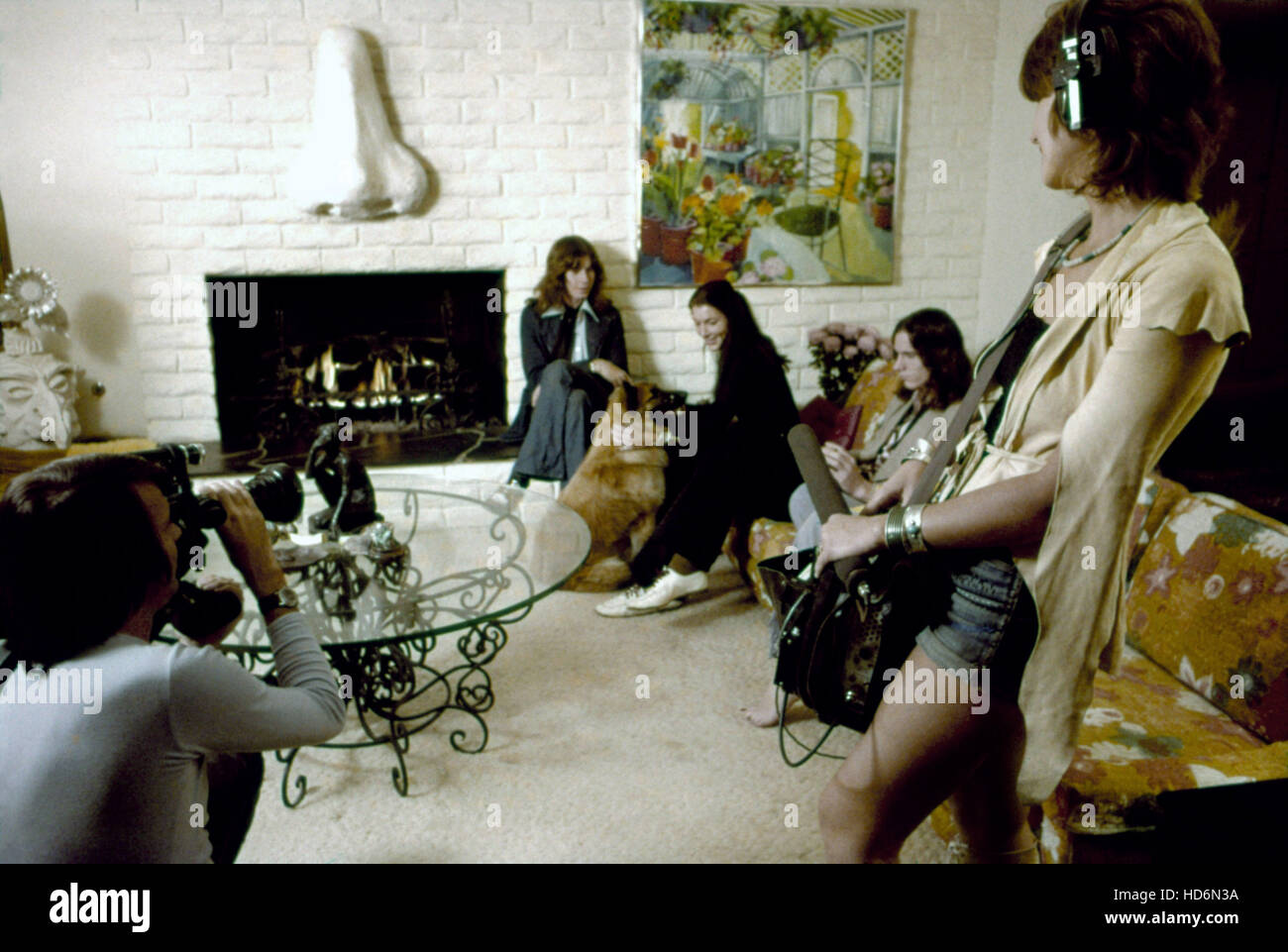
Premiering on January 11, 1973, on PBS, An American Family revolutionized non-fiction television and served as the foundational precursor to modern observational television and reality broadcasting. Produced by Craig Gilbert and filmed over seven months in 1971 by filmmakers Alan and Susan Raymond, the 12-part cinema-verité series documented the daily lives of the affluent Loud family—parents Bill and Pat, along with their five children, Lance, Kevin, Grant, Delilah, and Michele—in Santa Barbara, California.
When WNET Channel 13 in New York first broadcast the series to a national audience, it drew over 10 million viewers and ignited intense public debate. Viewers witnessed unprecedented television moments: the visible breakdown of a 20-year marriage resulting in on-camera separation, and the open, unabashed life of eldest son Lance Loud, who became one of the first openly gay figures on American television. Cultural anthropologist Margaret Mead famously remarked in TV Guide that the series was "as important to the history of human thought as the invention of the printing press."
Despite its monumental historical footprint, finding full episodes in high quality today presents unique navigational challenges due to archival rights, music clearance issues, and distribution limitations.
Complete 12-Episode Guide and Narrative Arc
Understanding the structure of An American Family helps researchers and viewers locate specific segments and historical milestones. The 12 episodes, each originally running approximately one hour, follow a chronological yet thematic arc.
| Episode | 12-Episode Narrative Structure |
|---|---|
| Ep 1 | Introduction & Family Dynamics (Santa Barbara) |
| Ep 2-3 | New York City & Lance Loud's Coming Out |
| Ep 4-6 | Business, Music, & European Travels |
| Ep 7-8 | Personal Reflections & Growing Marital Distance |
| Ep 9 | The Separation Announcement (Pat asks Bill to leave) |
| Ep 10-11 | Rebuilding Lives & New Routines |
| Ep 12 | Series Finale & Reflections on the Future |
Episode 1: Introduction to the Loud Family
Original Air Date: January 11, 1973 The series opens in Santa Barbara, establishing the baseline of the Loud family’s suburban life. Viewers are introduced to Bill Loud, owner of the American Strip Steel Company, his wife Pat, and their home environment. The opening sets up the tension between the image of the idyllic suburban dream and the complex realities underneath.
Episode 2: Lance in New York City
Original Air Date: January 18, 1973 The lens shifts from California to New York City, where eldest son Lance Loud resides at the Chelsea Hotel. Pat visits Lance in Manhattan, offering a window into the underground arts scene of the early 1970s and highlighting Lance's self-expression and identity away from suburban California.
Episode 3: The Chelsea Hotel and Underground Art
Original Air Date: January 25, 1973 Continuing in New York, this episode delves deeper into Lance’s social circle, featuring appearances by prominent figures of the Warhol factory era and avant-garde performers such as Candy Darling. It remains a crucial historical document of early 1970s LGBTQ+ culture on public broadcasting.
Episode 4: Business and Suburban Routine
Original Air Date: February 1, 1973 Focusing back on Santa Barbara, the episode explores Bill Loud's commercial operations and business travel. It examines middle-class work dynamics, economic pressures, and the musical aspirations of the younger Loud brothers, Grant and Kevin.
Episode 5: High School and Youth Culture
Original Air Date: February 8, 1973 Centered on Grant Loud and his high school band rehearsal, Episode 5 captures the emerging youth culture, teenage independence, and educational environments of the early 1970s.
Episode 6: European Travel and Reintegration
Original Air Date: February 15, 1973 Kevin Loud returns home from an extended trip to Europe. The episode focuses on family reunions, domestic routine, and underlying interpersonal friction that begins to surface during formal family gatherings.
Episode 7: Taos Retreat and Identity
Original Air Date: February 22, 1973 Pat Loud travels to Taos, New Mexico, to visit her brother and sister-in-law. Away from domestic responsibilities, Pat reflects candidly on female independence, personal fulfillment, and her growing dissatisfaction with her traditional marriage.
Episode 8: Holiday Gatherings and Distance
Original Air Date: March 1, 1973 The camera documents holiday events and family celebrations in Santa Barbara. Beneath the festive exterior, emotional distance between Bill and Pat becomes increasingly apparent to family members and viewers alike.
Episode 9: The Marital Breakdown
Original Air Date: March 8, 1973 The most famous episode of the series. Following consultations with a divorce lawyer, Pat Loud confronts Bill and asks him to move out of the house. The scene marked a historical shift in how personal domestic crises were presented on American television.
Episode 10: Aftermath and Separation
Original Air Date: March 15, 1973 Bill transitions into an apartment in Santa Barbara while Pat adjusts to managing the household as a single parent. The episode portrays the logistical and emotional fallout of marital separation.
Episode 11: Adjusting to the New Normal
Original Air Date: March 22, 1973 The children process their parents' impending divorce. Lance returns from New York to visit the family, providing emotional support and reflecting on how the household dynamic has transformed.
Episode 12: Series Conclusion
Original Air Date: March 29, 1973 The final installment reflects on the journey of the Loud family over seven months of filming. The episode concludes with open-ended perspectives on individual growth, family resilience, and the future.
Where to Find Full Episodes: Viewing Methods & Access Points
Because An American Family is not hosted on mainstream subscription video-on-demand platforms such as Netflix, Hulu, or Amazon Prime Video, viewers and media historians must use specialized archives, educational repositories, or physical media collections.
1. Educational and Academic Streaming Platforms
Higher education institutions, public library systems, and research centers frequently maintain digital access to the full series through academic distributors:
- Alexander Street (ProQuest): Holds digital streaming licenses for educational institutions. Students, faculty, and participating public library patrons can log in through their institutional credentials to stream all 12 complete episodes in remastered digital quality.
- JSTOR Media & Academic Video Online (AVON): Select university portals grant streaming access to historical documentary broadcasts, including the Gilbert production.
2. Physical Archives and Media Museums
For total accuracy and unedited original master broadcasts, research institutions maintain physical media collections accessible to the public or credentials-verified researchers:
- Paley Center for Media: Located in New York City and Los Angeles, the Paley Center holds complete broadcast masters of all 12 episodes in its permanent search database. Visitors can schedule viewing appointments at private console stations.
- UCLA Film & Television Archive: The archive maintains preservation elements and tape copies of the series for research and historical preservation.
- Library of Congress (Motion Picture & Television Reading Room): Holds archival reference copies of the 1973 PBS broadcast run.
3. Public Web Repositories and Video Archives
- Internet Archive (archive.org): Off-air recordings, vintage VHS transfers, and public television archival preservation copies of individual episodes occasionally circulate on the Internet Archive. Search quality varies, but complete broadcast hours are periodically preserved here by media archivists.
- WNET/Thirteen Vaults & PBS Archives: WNET occasionally screens preserved clips or retrospectives. Full episode streams on public PBS servers remain rare due to underlying licensing agreements.
4. Physical Home Video (DVD Releases)
In 2011, coinciding with the premiere of HBO's dramatization Cinema Verite, select DVD sets and compilation packages were distributed. While commercial production runs were limited, used copies of these DVD collections can still be sourced through secondary marketplaces like eBay or borrowed via the Interlibrary Loan (ILL) network at public libraries.
Key Access Options Compared
The table below outlines the primary methods for sourcing full episodes of An American Family, detailing access requirements, completeness, and expected technical quality.
| Platform / Source | Episode Completeness | Access Requirements | Technical Quality | Primary Target Audience |
|---|---|---|---|---|
| Alexander Street (ProQuest) | All 12 Full Episodes | Academic / University Library Login | High (Digital Master Transfer) | Students, Faculty, Researchers |
| Paley Center for Media | All 12 Full Episodes | On-site Appointment (NYC / LA) | Master Archive Quality | Media Historians, Scholars |
| Internet Archive | Variable (Select Full Episodes) | Free / Open Web Access | Moderate to Low (VHS Rip) | General Public |
| Interlibrary Loan (DVD) | Full Series (Select Box Sets) | Local Library Card / ILL Request | Standard Definition (DVD) | Home Viewers, Educators |
| UCLA Film & TV Archive | Preservation Masters | On-site Research Access | Master Preservation Tape | Archival Researchers |
Legal, Technical, and Rights Challenges Blocking Commercial Streaming
Many viewers wonder why a show of such historical magnitude is not widely available on standard streaming services. Several legal, financial, and technical factors constrain its public distribution:
| # | Distribution Barriers |
|---|---|
| 1 | Uncleared 1970s Commercial Music Sync Rights |
| 2 | Non-standard Talent & Participant Residual Agreements |
| 3 | Physical Degradation of 2-Inch Quadruplex Master Tapes |
| 4 | Complex Ownership Licensing Between WNET and Independent Creators |
- Music Rights and Licensing Costs: Filmed live in 1971, the documentary captured ambient commercial music playing on radios, stereo systems, and venue speakers—including tracks by major recording artists of the era. Public broadcasting synchronization rights in 1973 did not account for modern home video or digital streaming distribution. Clearing every background track globally is financially prohibitive.
- Participant Agreements and Privacy Nuances: Original participant releases signed in 1971 were crafted for a single public television broadcast run. Over the years, members of the Loud family expressed concerns regarding how editing shaped public perception, creating complicated dynamics regarding commercial re-releases.
- Physical Media Preservation: The original series was shot on 16mm film and transferred to 2-inch Quadruplex videotape for broadcast. Digitizing and restoring these aging analog elements to modern high-definition standards requires capital-intensive archival preservation efforts.
Subsequent Documentaries and Related Media
To fully grasp the arc of the Loud family and the legacy of the 1973 series, viewers often pair the original 12 episodes with subsequent follow-up projects produced by directors Alan and Susan Raymond:
An American Family Revisited (1983)
Ten years after the original broadcast, filmmakers Alan and Susan Raymond returned to Santa Barbara to catch up with Bill, Pat, and their adult children. This one-hour retrospective examines how the family coped with instant media fame, public scrutiny, and the long-term impact of their broadcast exposure.
Lance Loud: A Death in an American Family (2003)
Filmed in 2001 prior to Lance Loud’s death from HIV-related hepatitis co-infection at age 50, this poignant documentary captures Lance’s final reflections on his life, his art, and his role as a television pioneer. Airing on PBS's Frontline, it serves as a profound epilogue to the original 1973 series.
Cinema Verite (HBO, 2011)
For viewers interested in a dramatic re-creation of how the original series was produced, HBO produced the feature film Cinema Verite, starring Diane Lane as Pat Loud, Tim Robbins as Bill Loud, James Gandolfini as producer Craig Gilbert, and Thomas Dekker as Lance Loud. The dramatization provides behind-the-scenes narrative context regarding the directorial decisions and ethical debates during filming.
Recommended Next Steps for Researchers and Viewers
If you are seeking to watch all 12 full episodes of An American Family for academic study, media analysis, or personal viewing, follow these actionable steps:
- Check Local Library Credentials: Visit your local public or university library portal and search for Alexander Street or Academic Video Online. A standard library card often grants free online access to full educational streams.
- Utilize Interlibrary Loan (ILL): If digital access is unavailable, ask your public library reference desk to place an ILL request for the DVD edition of An American Family (1973) from participating academic library networks.
- Search Public Archives: Visit the Internet Archive and search for "An American Family 1973 PBS Episode" to review available digitized public uploads.
- Book an On-Site Screening: If located near New York City or Los Angeles, schedule a media viewing console appointment directly through the Paley Center for Media website.
Frequently Asked Questions
How many total episodes of An American Family were made?
PBS broadcast exactly 12 episodes of An American Family between January 11 and March 29, 1973. Each episode ran approximately one hour.
Can I stream An American Family on Netflix, Hulu, or Prime Video?
No. The original 1973 series is not available on mainstream commercial streaming platforms due to unresolved music licensing clearance issues and archival rights distribution limits.
Is Lance Loud considered a historical LGBTQ+ figure?
Yes. Lance Loud’s candid, un-edited portrayals of his life in New York City during the 1973 broadcast made him the first openly gay person featured prominently on a multi-episode national American television series.
Who directed and produced An American Family?
The project was conceived and produced by Craig Gilbert for PBS station WNET/Thirteen. The series was shot and recorded by veteran documentary filmmakers Alan Raymond (cinematography) and Susan Raymond (sound).
Did Bill and Pat Loud stay divorced after the show aired?
Yes. Bill and Pat Loud finalized their divorce after the 1973 series concluded. However, later in life, they rekindled a close friendship and moved back into the same household in California prior to their respective deaths (Lance requested on his deathbed that his parents reconcile).
Final Recommendation
To watch full episodes of An American Family (1973) with optimal audio and video clarity, your best immediate route is accessing the Alexander Street (ProQuest) database using a university or public library login. For casual viewing, exploring preserved broadcast copies on the Internet Archive or placing an Interlibrary Loan for physical DVD media will provide access to this landmark milestone in American television history.