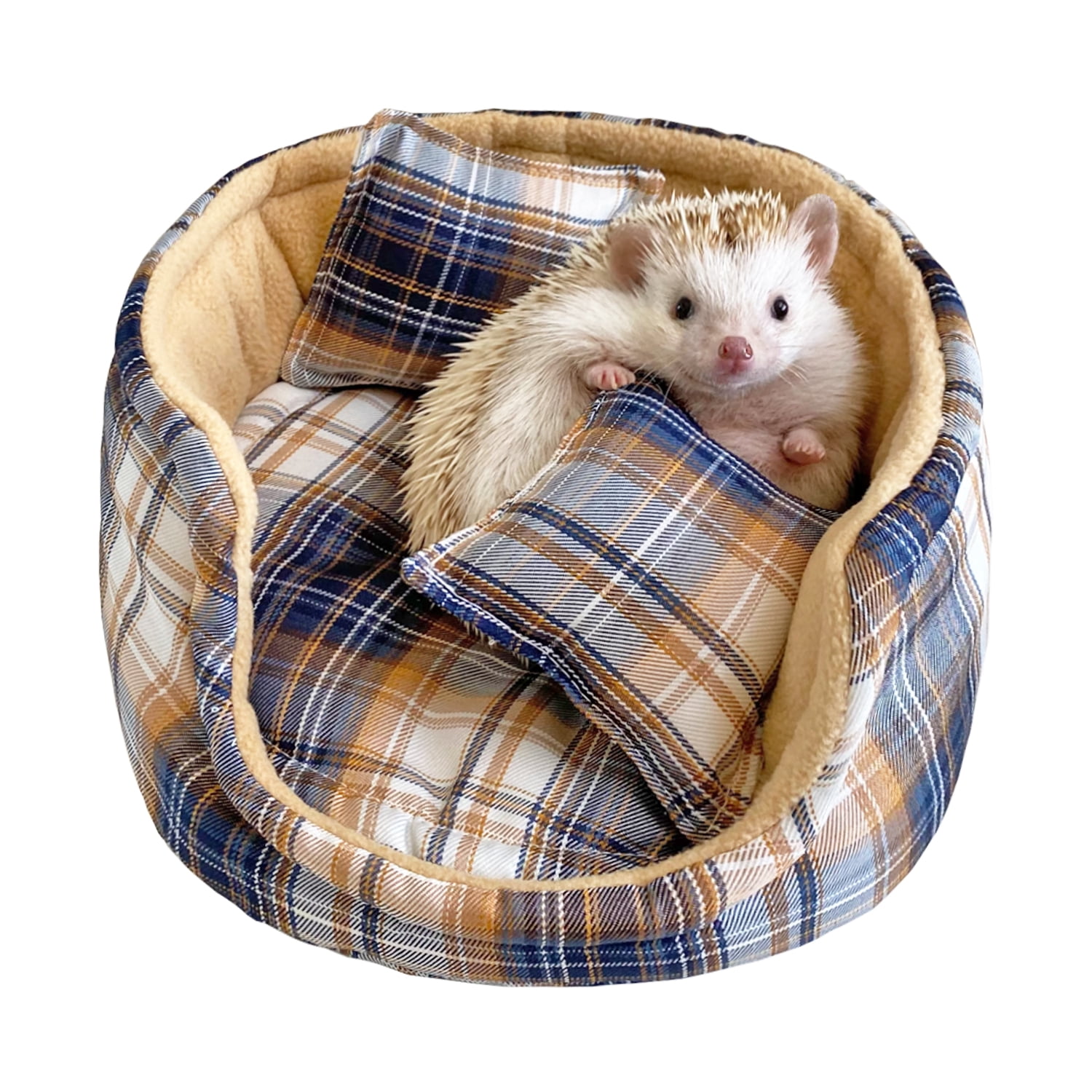
When an animal in bed shares sleeping quarters with its human companion, the practice involves a complex interplay of animal behavior, psychological comfort, and potential public health considerations. While co-sleeping with pets offers emotional warmth and stress reduction, it also requires careful management of hygiene, sleep disruption risks, and zoonotic health factors to ensure a safe environment for both species.
Co-sleeping with companion animals is a widespread cultural practice globally, with millions of pet owners regularly sharing their mattresses with dogs, cats, and smaller mammals. Understanding why animals seek out human beds, the physiological impacts on human sleep architecture, and the necessary hygiene protocols helps owners navigate the balance between affection and domestic well-being. This comprehensive examination explores the behavioral drivers of bed-sharing, the scientific evidence regarding sleep quality, practical steps for maintaining a clean sleep environment, and specific health precautions.
Behavioral Motivations: Why Animals Seek the Bed
To understand why an animal in bed is such a common sight, one must examine the evolutionary and social drivers of domestic species. Dogs and cats are social animals with distinct instincts regarding pack behavior, territory, temperature regulation, and security.
Evolutionary and Social Bonding
Canines and felines descended from ancestral species that relied on group cohesion for survival. In the wild, pack or colony members huddle together during resting periods to conserve body heat, maintain social bonds, and protect against predators. When a domestic dog or cat climbs onto a human bed, it is often acting on these deeply ingrained social instincts. The bed represents the core territory of the primary social group—the human family. By sleeping in close proximity, the animal reinforces its social attachment and feels a sense of security and inclusion.
Temperature Regulation and Comfort
Mattresses, blankets, and duvets provide optimal insulation. Animals actively seek out these thermal microclimates, particularly during colder months or in air-conditioned environments. Furthermore, modern domestic pets have been bred for generations to enjoy human companionship and physical contact, making the soft, elevated surface of a bed far more appealing than a hard floor or a standalone pet crate.
Scent Marking and Territorial Security
The human bed is heavily saturated with the owner’s scent, which provides a profound sense of comfort and safety for anxious animals. Conversely, pets also deposit their own pheromones through scent glands on their cheeks, paws, and bodies as they knead or lie against their owners. This mutual exchange of scent creates a shared chemical boundary that signals safety, reducing cortisol levels and behavioral indicators of separation anxiety.
Impact on Human Sleep Architecture and Quality
The presence of an animal in bed introduces several variables that can positively or negatively affect human rest. While many owners report psychological comfort, sleep laboratories and sleep medicine specialists have documented both benefits and drawbacks.
Psychological and Emotional Benefits
For individuals suffering from mild anxiety, depression, or post-traumatic stress disorder (PTSD), the rhythmic breathing and steady heartbeat of a pet can act as a natural grounding mechanism. Studies published in journals focusing on human-animal interaction indicate that tactile contact with a trusted animal triggers the release of oxytocin, a hormone associated with bonding and stress reduction, while lowering cortisol. This chemical shift can make it easier for some individuals to transition into the initial stages of sleep.
Sleep Disruption and Fragmentation
Despite the psychological benefits, animals are rarely motionless sleepers. Dogs and cats have polyphasic sleep patterns, meaning they wake up frequently throughout the night to shift positions, groom, scratch, or investigate noises.
- Movement and Space: Medium to large dogs often claim the center of the mattress, forcing humans into uncomfortable, ergonomically unfavorable sleeping postures.
- Nocturnal Activity: Cats are crepuscular creatures by nature, showing heightened activity levels during dawn and dusk, which can interrupt human rapid eye movement (REM) cycles.
- Micro-Arousals: Even when owners do not fully wake up, the subtle disturbances caused by an animal adjusting its position can lead to micro-arousals, degrading overall sleep continuity and leading to daytime fatigue.
Health, Hygiene, and Safety Considerations
Allowing an animal in bed requires diligence regarding bedroom hygiene, parasite control, and potential allergen accumulation. Unmanaged pet co-sleeping can introduce various health challenges for vulnerable populations.
Parasites and Pathogens
Animals that spend time outdoors or interact with other animals can carry ectoparasites such as fleas, ticks, and mites into the sleeping environment. Furthermore, endoparasites (intestinal worms like roundworms and hookworms) and fungal infections like ringworm can potentially be transmitted through close dermal contact or contaminated bedding. Regular veterinary care, including year-round preventative medications and routine fecal examinations, is mandatory for households practicing bed-sharing.
Allergens and Respiratory Health
For individuals with underlying allergies or asthma, an animal in bed significantly increases exposure to pet dander, dried saliva, and tracked-in pollens. Because bedding materials easily trap fine particulate matter, the concentration of allergens in a shared bed is often much higher than in the surrounding room, potentially triggering chronic rhinitis, watery eyes, or nocturnal asthma exacerbations.
Zoonotic Risks and Vulnerable Populations
While healthy adults with robust immune systems generally manage the microbial load of pet co-sleeping without incident, certain populations should exercise extreme caution. Infants, young children, pregnant individuals, and the immunocompromised face higher risks from zoonotic bacterial infections (such as Pasteurella or Capnocytophaga from bites or licks) and should generally avoid sharing a sleeping surface with animals.
| Consideration | Potential Impact | Recommended Management Strategy |
|---|---|---|
| Sleep Quality | Disrupted REM cycles, micro-arousals, physical crowding. | Provide a dedicated pet bed adjacent to the main mattress or establish firm boundary training. |
| Parasite Control | Introduction of fleas, ticks, mites, and fungal spores to linens. | Administer strict, veterinarian-approved monthly preventatives and groom pets regularly. |
| Allergen Accumulation | Increased dander concentration in pillows, sheets, and comforters. | Wash all bedding weekly in hot water (at least 130°F / 54°C) and utilize HEPA air filtration. |
| Physical Safety | Accidental injury to small pets or transmission of zoonotic pathogens. | Restrict bed access for elderly pets with joint pain or very small animals vulnerable to crushing. |
Practical Strategies for Managing an Animal in Bed
Households wishing to maintain the tradition of an animal in bed while mitigating hygiene and sleep disruption issues must implement structured protocols. Establishing boundaries ensures that both human and animal needs are met harmoniously.
Implementing Linen Management and Cleaning Protocols
When pets share sleeping furniture, the frequency of household chores must increase to maintain a hygienic environment.
- High-Temperature Washing: Wash bed sheets, pillowcases, and lightweight blankets at least once a week using water heated to a minimum of 130°F to eliminate dust mites, bacteria, and flea eggs.
- Protective Encasements: Utilize zippered, waterproof mattress and pillow encasements to prevent dander, fluids, and shedding hair from penetrating core bedding materials.
- Daily Grooming: Brush pets outside the bedroom daily to remove loose fur and surface debris before they enter the sleeping quarters.
- Pau-Wiping Stations: Keep pet-safe cleansing wipes near the bedroom entrance to wipe down paws after outdoor excursions, removing mud, lawn chemicals, and urban pollutants.
Training and Boundary Setting
Animals should view the bed as a privilege granted by the owner rather than an unconditional right. Teaching commands such as "off" or "place" allows owners to reclaim space when sleep disruption becomes excessive. Providing an appealing alternative sleeping option, such as an orthopedic dog bed or a warm cat cave placed immediately beside the human bed, gives the animal a comforting option if it becomes too warm or restless on the mattress.
Frequently Asked Questions
Is it safe to let my dog sleep under the covers?
Allowing a dog under the covers depends on the size of the animal and the depth of the bedding. While small dogs can burrow safely, large or heavy dogs under heavy duvets pose a minor suffocation risk if they obstruct the human's airway or cause overheating. Furthermore, trapping body heat can exacerbate skin conditions in certain dog breeds.
How often should I wash my sheets if my pet sleeps with me?
If an animal shares your bed, you should wash your sheets, pillowcases, and blankets every three to four days, rather than the standard weekly schedule. Pets introduce higher concentrations of dander, hair, outdoor allergens, and potential microbial agents that accumulate rapidly in woven textiles.
Can cats sleeping in bed transmit diseases to humans?
Yes, although the risk is low in healthy, well-cared-for indoor cats. Felines can transmit parasites like Toxoplasma gondii or bacteria like Bartonella henselae (cat-scratch disease) if they carry vectors like fleas. Strict indoor housing, regular veterinary checkups, and prompt treatment of any scratch or bite significantly minimize these risks.
Will letting my animal sleep in my bed cause behavioral dominance issues?
Modern animal behavior science has largely discredited the outdated "dominance theory" regarding bed-sharing. Allowing an animal in bed does not make it attempt to become the "pack leader." However, it can occasionally reinforce resource guarding or separation anxiety if the animal displays aggressive behavior when asked to move off the mattress.
What should I do if my pet ruins my sleep every night?
If nocturnal awakenings persist, transition the animal to its own designated bed placed in the same room. Initially, use positive reinforcement and high-value treats when the animal settles in its own space. Consistency is key; yielding to whining after three consecutive nights will reset training progress.
Conclusion and Next Actions
Co-sleeping with an animal in bed is a personal choice that balances deep emotional rewards against physical compromises in sleep quality and hygiene maintenance. To ensure a harmonious arrangement, evaluate your household's health status, invest in durable, easy-to-clean bedding protection, and maintain strict veterinary parasite protocols. If sleep disruption begins to impact daytime cognitive function, consider transitioning your pet to a comfortable, independent bed within the same room.