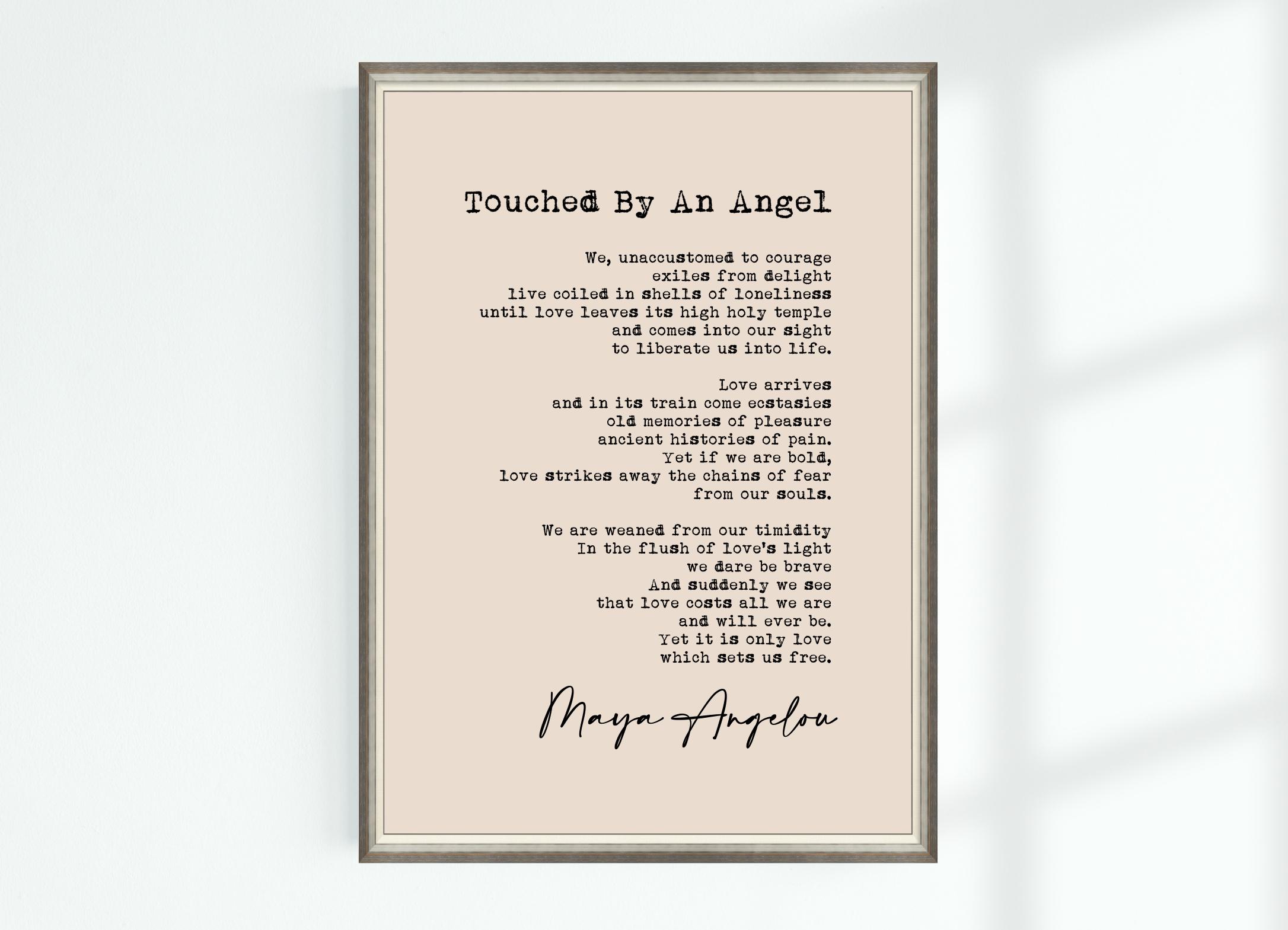
An angel on my tree touched by an angel in art represents the deep intersection between domestic holiday traditions and centuries of high-art iconography, exploring how traditional Christmas tree toppers and ornaments reflect historical motifs of celestial messengers found in painting, sculpture, and religious manuscripts.
The tradition of placing an angel on top of a Christmas tree is one of the most enduring customs of the holiday season, acting as both a decorative focal point and a profound theological symbol. Yet, the physical ornaments and tree toppers that grace modern households do not exist in a vacuum. They are directly descended from, and continuously inspired by, representations of celestial beings found in fine art spanning the Byzantine era, the Renaissance, the Baroque period, and modern artistic movements. By examining how master artists depicted celestial guardians throughout history, observers can better appreciate the stylistic evolution of the holiday decorations that anchor family celebrations each December.
The Iconographic Origins of Celestial Art
To understand the aesthetic of a cherished holiday decoration, one must look back at how artists across centuries conceptualized divine messengers. In early Christian and Byzantine art, angels were depicted with strict solemnity, heavily reliant on imperial Roman motifs such as purple robes, diadems, and occasionally wings borrowed from classical figures like Nike, the Greek goddess of victory. These early representations prioritized majesty and spiritual authority over human emotion.
As art evolved into the Renaissance and Baroque periods, masters such as Giotto, Fra Angelico, Leonardo da Vinci, and Caravaggio transformed the visual vocabulary of angels. Fra Angelico, a Dominican friar whose name translates as "Angelic Brother," infused his paintings with serene, luminous hues and delicate, avian-inspired wings that would later serve as a direct template for Victorian and Edwardian holiday ornamentation. The soft folds of fabric, the gentle tilts of the head, and the serene facial expressions captured on canvas found their way into hand-carved wooden figures, molded wax, and spun-glass ornaments produced across Europe.
During the Victorian era, the commercialization of Christmas merged high-art motifs with mass-produced home goods. German glassblowers and English manufacturers looked directly to popular religious paintings and illustrated family Bibles for design inspiration. Consequently, the angel perched atop the family Christmas tree became a domestic, three-dimensional translation of Renaissance altarpieces, bringing sacred art out of cathedrals and museums into the domestic living room.
Stylistic Evolution: From Renaissance Masterpieces to Holiday Ornaments
The transition of celestial figures from two-dimensional canvases and stone reliefs into miniature, three-dimensional holiday objects involved distinct material and stylistic shifts. Artisans adapted grand artistic traditions to fit the domestic scale of a pine or fir tree branch, balancing aesthetic gravity with structural feasibility.
Material Transformations in Celestial Representation
| Artistic Era | Primary Fine Art Mediums | Corresponding Tree Ornament Mediums | Key Stylistic Features |
|---|---|---|---|
| Medieval / Byzantine | Mosaic, Tempera on Wood Panel | Early Hand-Carved Wood, Pressed Tin | Rigid posture, golden halos, heavy drapery, solemn expressions |
| Renaissance | Fresco, Oil on Canvas, Marble | Polychrome Wood, Wax, Feather Accents | Soft modeling, expressive faces, detailed feathery wings, flowing garments |
| Baroque / Rococo | Gilded Wood, Oil, Stucco | Spun Glass, Dresden Paper, Embossed Foil | Dramatic movement, ornate gilding, billowing fabrics, dynamic postures |
| Victorian / Edwardian | Chromolithography, Porcelain | Silk, Cotton Batting, Scrap Paper, Bisque Porcelain | Sentimental expressions, lace trim, elaborate hair styling, pastel palettes |
This stylistic pipeline demonstrates that when a homeowner places an angel ornament on a branch, they are engaging with centuries of design choices. The rigid hierarchy of medieval mosaics evolved into the sweet, domestic nostalgia of Victorian scrap ornaments, while the dramatic drapery of Baroque sculpture inspired the cascading fabric skirts of classic porcelain tree toppers.
The Theological and Cultural Symbolism of Tree-Top Angels
Beyond aesthetics, the placement of the angel on the topmost branch carries specific symbolic weight derived from centuries of Christian iconography and European folklore. Traditionally, the tree topper serves as a replacement for the Star of Bethlehem or as the herald of the Nativity, representing the angelic host singing Gloria in excelsis Deo to the shepherds.
In many artistic traditions, angels act as intermediaries between the earthly realm and the divine. When integrated into the domestic space of a Christmas tree, the angel acts as a guardian of the home and a visual anchor for family memory. This dual identity—part sacred art object, part sentimental family heirloom—explains why tree toppers are often passed down through generations. Much like a painting acquired by a collector, a vintage tree angel accumulates history, weathering the decades while retaining its core iconographic link to historical art.
Key Iconographic Elements Shared by Art and Ornaments
- The Halo or Nimbus: Originating in ancient solar symbolism and adopted in Christian art to denote holiness, the halo appears on tree toppers as a gilded ring, a wire starburst, or a sequined disk.
- Wing Structure: Whether rendered with stiff goose feathers in 19th-century German workshops or sculpted with intricate individual feathers reminiscent of Renaissance studies, wings signify the creature's transcendent nature.
- Postures of Adoration or Blessing: Hands folded in prayer or raised in benediction echo the body language of figures in Annunciation paintings, inviting peace into the household.
- Robes and Drapery: The sculptural treatment of fabric—falling in classical folds or billowing as if caught in a divine wind—connects the ornament directly to neoclassical and baroque sculpture techniques.
Preserving and Curating Holiday Heirlooms
For collectors and holiday decorators who view their trees through the lens of art history, caring for and selecting ornaments requires a thoughtful approach. Vintage and antique angel toppers, particularly those crafted from spun glass, wax, delicate paper, or early plastics, demand specific conservation practices.
- Environmental Controls: Store delicate ornaments in climate-controlled environments away from extreme temperature fluctuations that can warp vintage plastics, crack wax, or fade painted details.
- Structural Support: Heavy porcelain or molded-composition tree toppers require sturdy central tree branches or specialized extension rods to prevent the top of the tree from sagging or snapping.
- Restoration Caution: When handling antique ornaments touched by historical art styles, avoid harsh chemical cleaners. Gentle dusting with a soft, dry artist's brush is usually sufficient to preserve fragile surfaces.
- Documentation: Keep a record of the provenance, estimated era, and material composition of older ornaments, particularly if they are hand-crafted European imports, to maintain their historical value.
Frequently Asked Questions
What is the history behind putting an angel on top of a Christmas tree?
The tradition evolved from older customs of placing a figure of the Christ Child, a star, or a figure of an angel at the apex of the tree. The angel specifically represents the heavenly messenger who announced the birth of Jesus in the Gospel of Luke, bridging sacred narrative with domestic festive decoration.
How do Renaissance art styles influence modern Christmas tree toppers?
Renaissance art popularized humanized, expressive faces, detailed feathery wings, and soft, naturalistic fabric drapery. Modern and vintage tree toppers utilize these exact design elements to move away from rigid, medieval depictions toward approachable, elegant figures.
What are the most collectible types of vintage angel tree toppers?
Collectibles often include mid-20th-century spun-glass angels, German pressed-paper (Dresden) ornaments, hand-painted bisque porcelain figures from the Victorian era, and mid-century aluminum or illuminated plastic toppers from the post-war industrial design boom.
How can I safely store an antique angel tree topper?
Store the item in an acid-free archival box lined with unbuffered tissue paper. Ensure the box is kept in a dry, temperature-stable area of the home to prevent moisture accumulation, mold growth, or the degradation of delicate materials like feathers, lace, and spun glass.
Why do some vintage angels have glass or feather wings instead of fabric?
Materials varied based on industrial availability and regional crafting traditions. German and Central European artisans utilized spun glass and dyed goose feathers to mimic the shimmering, ethereal quality of wings found in European oil paintings and illuminated manuscripts.
Conclusion and Next Actions
Viewing holiday decorations through the lens of art history transforms the act of decorating a home into an engagement with cultural heritage. By recognizing how a simple tree topper embodies centuries of painting, sculpture, and craftsmanship, decorators can deepen their appreciation for the items in their seasonal collections. To take the next step, examine the angel on your own tree, identify its stylistic markers—such as wing construction, facial painting, and drapery—and research the historical artistic periods that influenced its creation.