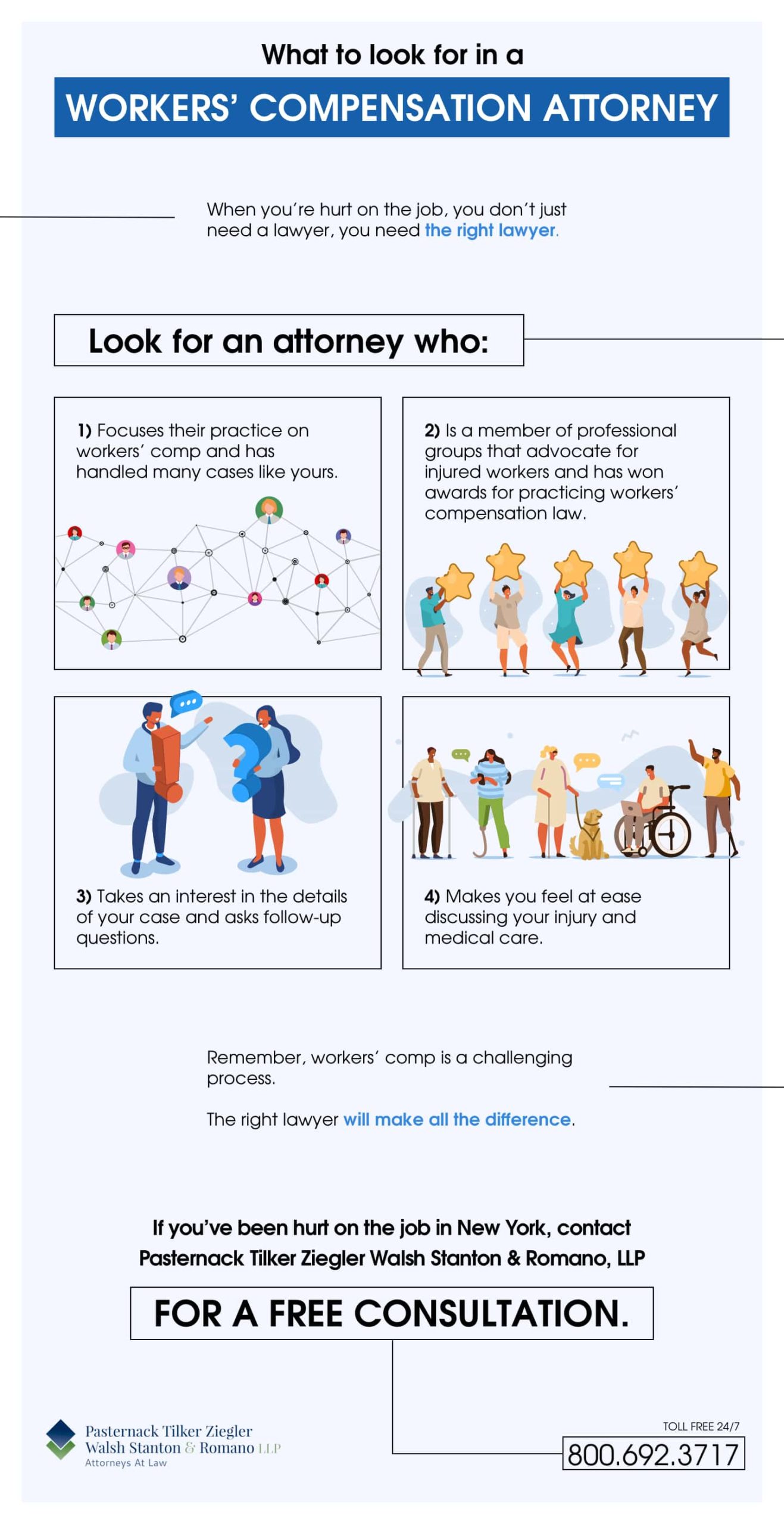
An attorney representing a client in a workers’ compensation case holds a fiduciary duty to act in the client's best interest, prioritizing clear communication, competent legal representation, and the diligent pursuit of benefits. This relationship requires the attorney to manage filings accurately, negotiate settlements ethically, and maintain strict confidentiality while navigating the complex regulatory environment of state-specific workers’ compensation laws.
The Foundation of the Attorney-Client Relationship
When an injured worker retains legal counsel, a formal attorney-client relationship is established, governed by rules of professional conduct that vary by jurisdiction. In the context of workers’ compensation, this relationship is uniquely defined by the balance between the client's immediate medical needs and the long-term financial implications of an insurance claim.
The primary duty of an attorney is the duty of competence. This means the lawyer must possess the legal knowledge, skill, and preparation reasonably necessary for the representation. Workers’ compensation is a specialized area of law, often involving administrative hearings, complex medical evidence, and interaction with insurance carriers that operate under strict statutory timelines. A competent attorney must understand not only the labor laws of the state but also the specific protocols of the Workers’ Compensation Board or equivalent state agency.
Fiduciary Obligations and Ethical Conduct
An attorney acts as a fiduciary, meaning they must exercise a high standard of care and loyalty. This fiduciary duty encompasses several critical responsibilities:
- Duty of Loyalty: The attorney must avoid conflicts of interest. For example, a lawyer cannot represent both the injured worker and the insurance carrier or the employer in the same matter.
- Duty of Confidentiality: Information shared between the client and attorney regarding the injury, employment status, or medical history is privileged. This protection is essential, as the client must be able to disclose sensitive information—such as past injuries or current limitations—without fear that the attorney will reveal it to the employer or insurer without authorization.
- Duty to Communicate: A lawyer is obligated to keep the client informed about the status of their case. This includes explaining the potential value of the claim, the risks of litigation versus settlement, and the impact of any medical expert reports.
Managing Claims and Procedural Deadlines
One of the most practical duties an attorney performs is the rigorous management of procedural milestones. Workers’ compensation systems are highly deadline-driven. Failing to file a Claim Petition or an application for a hearing within the state-mandated statute of limitations can lead to a permanent loss of rights.
The attorney’s duty includes:
- Evidence Gathering: Securing medical records, witness statements, and, where necessary, independent medical examinations to establish the work-relatedness of the injury.
- Form Preparation: Ensuring that all state-required forms, such as injury reports and disability verification forms, are filed accurately and on time.
- Representation at Hearings: Advocating for the client during administrative law judge proceedings, which involves cross-examining expert witnesses and presenting persuasive legal arguments regarding the extent of permanent or temporary disability.
The Negotiation and Settlement Process
Many workers’ compensation cases are resolved through settlement rather than a final court judgment. Here, the attorney’s duty of advice becomes paramount. The lawyer must provide a realistic assessment of the settlement offer, taking into account the client's future medical needs and their ability to return to the workforce.
Attorneys must ensure that a settlement does not inadvertently disqualify the client from other benefits, such as Social Security Disability Insurance (SSDI) or Medicare. This requires a sophisticated understanding of "Medicare Set-Aside" arrangements, where a portion of the settlement is earmarked for future medical expenses to protect the interests of federal programs. Failure to account for these interactions can be considered a breach of the duty to provide competent advice.
Comparison of Attorney Responsibilities
The following table outlines the key areas where an attorney fulfills their duty to a workers’ compensation client compared to general litigation.
| Duty Category | Workers' Compensation Specifics | General Litigation Contrast |
|---|---|---|
| Statute of Limitations | Often shorter; strict administrative deadlines. | Usually governed by civil practice rules. |
| Medical Evidence | Reliance on "Board Certified" physicians' reports. | Often involves broad discovery and depositions. |
| Settlement Approval | Requires administrative agency sign-off. | Private settlement agreements are common. |
| Client Interaction | High focus on medical outcome and future capacity. | High focus on liability and damages. |
Common Mistakes and Ethical Pitfalls
A significant challenge in workers’ compensation law is the "triangular" relationship between the attorney, the client, and the workers’ compensation insurance carrier. While the attorney works for the client, the insurance carrier often pays the benefits. An attorney must never allow the entity providing the funding to dictate the legal strategy.
Another common pitfall is the failure to properly evaluate the "earning capacity" of the injured worker. If an attorney settles a case for a lump sum without adequately analyzing the client’s long-term loss of wages, they may be failing to fulfill their duty of zealous representation. Clients should expect their attorney to perform a thorough analysis of both their impairment rating—determined by medical providers—and their vocational potential.
Transparency in Fees and Costs
Legal fees in workers’ compensation are often regulated by state law, which frequently mandates that fees be deducted from the settlement award and approved by a judge. A key duty of the attorney is full transparency regarding these fees.
The client should be provided with a clear written retainer agreement at the start of the relationship. This document should detail:
- The contingency fee percentage (if applicable).
- Who is responsible for out-of-pocket costs, such as medical record fees or expert witness testimony.
- How expenses will be reimbursed if the claim is successful.
An attorney’s failure to explain these costs at the outset constitutes a failure in their duty to provide clear and honest legal counsel.
Frequently Asked Questions
What should I do if my attorney stops communicating with me? If an attorney is non-responsive, the first step is to send a formal written inquiry via email or certified mail requesting a status update. If communication remains absent, you have the right to file a complaint with your state’s bar association or the disciplinary board that oversees legal conduct in your jurisdiction.
Can I switch attorneys if I am unhappy with the representation? Yes. You have the right to change legal counsel at any time. However, be aware that your previous attorney may have a "lien" on your case for the work already performed. Your new attorney will typically coordinate with the previous one to ensure a smooth transition.
Is my attorney required to accept every settlement offer I receive? No. An attorney must present all settlement offers to you, but the final decision to accept or reject an offer rests with you, the client. The attorney’s duty is to provide you with the information necessary to make an informed decision based on the risks and benefits of the offer.
What is the difference between a "duty of care" and a "fiduciary duty"? A duty of care refers to the obligation to perform work at a level of skill expected of a reasonable attorney. A fiduciary duty is a broader, higher standard of loyalty and honesty, requiring the attorney to put your interests above their own and to act with the utmost integrity in all financial and strategic matters.
How do I know if my attorney is properly qualified? Look for attorneys who focus their practice specifically on workers’ compensation or personal injury. You can verify their standing through your state’s bar association website. Many states also have specialized certification programs for workers’ compensation lawyers.
Next Steps for the Injured Worker
If you believe your attorney is not fulfilling their duties, first schedule a face-to-face meeting to express your concerns clearly. Document this meeting and the points discussed. If the relationship remains broken or if you suspect a breach of ethics, consult the disciplinary committee of your state's supreme court or the agency that governs legal professional conduct. Your workers’ compensation claim is a critical financial safety net, and you are entitled to representation that is both diligent and ethically sound.