Modern artificial turf that stays cool utilizes integrated infrared-reflective (IR) pigments, specialized blade geometries, and evaporative cooling infills to mitigate heat absorption. While traditional synthetic grass can reach temperatures exceeding 150°F, 2026 technology standards allow for "cool" turf variants that maintain surface temperatures 15°F to 30°F lower than standard polyethylene products.
The Science of Heat Absorption in Synthetic Grass
To understand why specialized artificial turf is necessary, one must first understand the thermal properties of standard synthetic fibers. Traditional artificial grass is primarily composed of polyethylene or polypropylene—petroleum-based plastics that possess high thermal mass. Unlike natural grass, which stays cool through a process called transpiration (the evaporation of water from plant leaves), synthetic fibers have no biological mechanism to release heat.
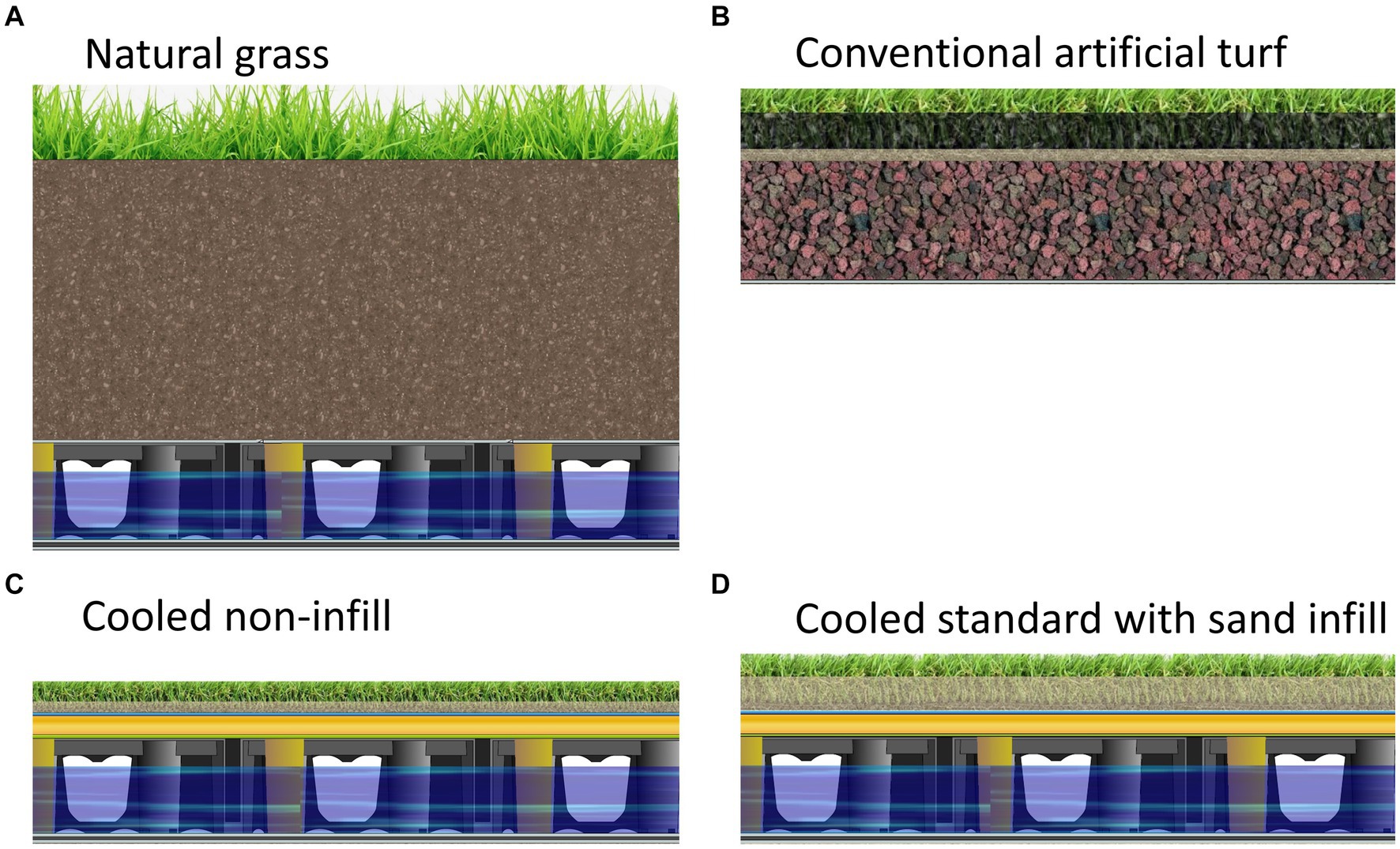
When sunlight hits a standard turf surface, the material absorbs solar radiation across the electromagnetic spectrum, particularly in the near-infrared range. Because synthetic turf is often installed over a compacted aggregate base with a crumb rubber infill, the system acts as a heat sink, trapping energy and radiating it back into the environment. This contributes significantly to the Urban Heat Island (UHI) effect, where developed areas experience significantly higher temperatures than surrounding rural landscapes.
In 2026, the landscaping industry distinguishes "cool turf" not by its ability to remain cold, but by its ability to resist heating. This is achieved by manipulating the three ways heat interacts with the surface: reflection, convection, and evaporation.
Key Technologies in Cool Artificial Turf
The advancement of "cool" synthetic grass is not the result of a single invention but rather a combination of material science and structural engineering. Manufacturers now employ several layers of technology to ensure the product remains comfortable for pets and bare feet.
Infrared Reflective (IR) Pigments
The most significant breakthrough in heat-reduction technology is the use of IR-reflective pigments during the fiber extrusion process. Solar energy consists of visible light, ultraviolet light, and infrared radiation. While we see the color of the turf via visible light, roughly 50% of the sun’s heating energy comes from the near-infrared spectrum.
Standard green pigments absorb these infrared rays, converting them into thermal energy. Modern "cool" turf, such as those featuring HeatBlock or TigerCool technology, uses specialized pigments that reflect infrared light back into the atmosphere rather than absorbing it. By reflecting a higher percentage of the solar spectrum, the internal temperature of the plastic blade remains lower even under direct mid-day sun.
Advanced Blade Geometry and Micro-Shading
The physical shape of the turf blade plays a vital role in heat dissipation. Early generations of artificial grass used flat, wide blades that acted like tiny solar panels, maximizing the surface area exposed to direct sunlight.
In 2026, premium cool turf products utilize complex blade profiles, such as W-shaped, U-shaped, or corrugated "V" shapes. These geometries serve two cooling purposes:
- Reduced Surface Area Exposure: The curvature of the blades ensures that only a portion of the fiber is perpendicular to the sun’s rays at any given time.
- Micro-Shading: The structural ridges of the blades create tiny pockets of shade within the turf pile itself. This prevents the entire "carpet" from reaching a uniform high temperature and encourages airflow between the fibers.
Low-Density Polymers and Thermal Conductivity
Material composition has shifted toward polymers with lower thermal conductivity. By modifying the molecular structure of the polyethylene, engineers have created fibers that do not transfer heat as efficiently from the surface to the core of the blade. This means that even if the very surface of the blade feels warm, it does not retain the same total "heat load" as older, denser materials, allowing it to cool down much faster once a cloud passes or a breeze kicks up.
The Critical Role of Cooling Infills
Even the most advanced IR-reflective fibers will struggle to stay cool if they are paired with traditional black crumb rubber infill. Crumb rubber, recycled from tires, is an aggressive heat absorber. To achieve a truly cool surface, the choice of infill is as important as the turf itself.
Evaporative Cooling Systems (HydroChill)
Technology such as HydroChill has become a standard recommendation for high-heat environments in 2026. This is a pre-treatment or additive applied to the infill (usually a coated sand). It works on the principle of evaporative cooling.
When the turf is lightly misted with water, the HydroChill coating traps the moisture and releases it slowly over several days. As the moisture evaporates, it draws heat away from the turf blades, mimicking the natural transpiration of real grass. This can reduce surface temperatures by 30°F to 50°F depending on ambient humidity levels.
Organic and Mineral Infills
As environmental regulations tighten, organic infills have gained popularity for their cooling properties. Materials such as cork, coconut husks (coir), and processed walnut shells are naturally cellular and do not retain heat the way rubber or silica sand does.
- Cork: Exceptionally effective at remaining cool, though it is lightweight and may require more frequent "top-offs" after heavy rain.
- Envirofill: A micro-bead acrylic-coated sand that is infused with antimicrobial properties. Its smooth surface doesn't trap heat as effectively as raw sand, and its light color reflects more light.
Comparative Analysis of Cooling Technologies
The following table compares the effectiveness and characteristics of various cooling components available in 2026.
| Technology | Heat Reduction Potential | Primary Mechanism | Best Suited For |
|---|---|---|---|
| IR-Reflective Pigments | 10°F – 15°F | Solar Reflection | All residential and commercial lawns |
| Evaporative (HydroChill) | 30°F – 50°F | Evaporation | Pet areas, playgrounds, sports fields |
| Organic Infill (Cork) | 20°F – 25°F | Low Thermal Mass | Eco-conscious residential projects |
| W-Shaped Fiber | 5°F – 8°F | Airflow & Shading | High-traffic areas requiring durability |
| Standard Silica Sand | 0°F (Baseline) | N/A | Low-budget or shaded installations |
Installation Strategies for Temperature Control
Achieving a cool surface begins before the turf is even unrolled. Professional installers in 2026 utilize specific sub-base techniques to manage the thermal profile of the yard.
Sub-Base Ventilation and Drainage
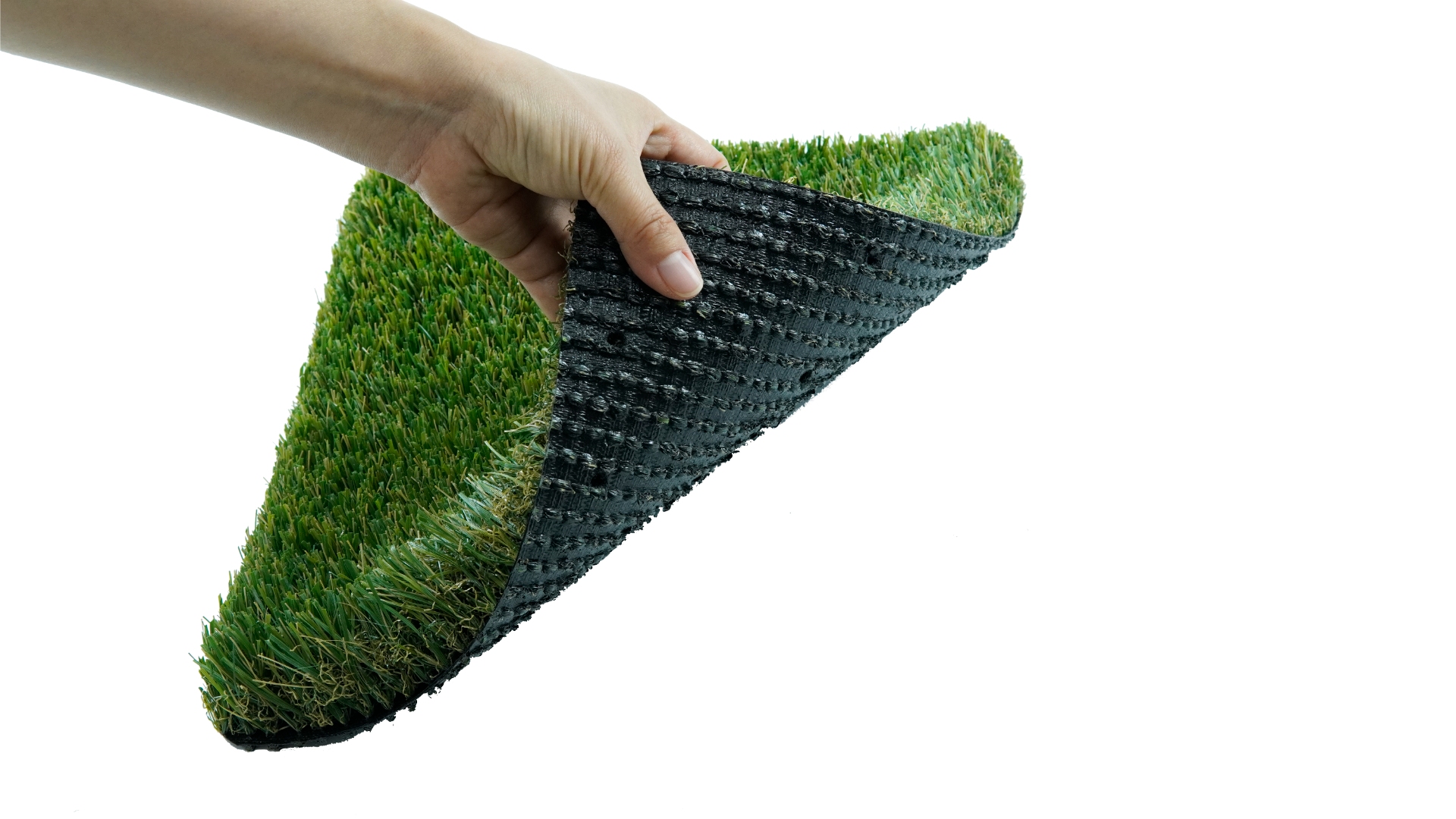
A standard sub-base consists of crushed miscellaneous base (CMB) or decomposed granite. However, for maximum cooling, installers may use a permeable clear-crush stone base. This allows for better airflow beneath the turf backing. When combined with a highly porous "hole-punched" or "woven" backing, heat can escape through the bottom of the system rather than being trapped against the ground.
Orientation and Site Planning
The direction of the "grain" or "pile" of the turf affects how it catches the light. By orienting the pile to lean toward the primary viewing area (usually the house), installers can minimize the amount of direct sun hitting the flat sides of the blades. Furthermore, integrating "hardscaping" elements like pergolas or strategically placed deciduous trees can provide natural shading during the hottest parts of the day (11:00 AM to 4:00 PM).
Maintenance Practices for a Cooler Surface
Even the most technologically advanced artificial turf requires active management during extreme heat waves.
- The Quick Rinse: A 2-minute "spritz" with a garden hose is the most effective way to drop the temperature of IR-reflective turf instantly. If using an evaporative infill, this rinse recharges the cooling mechanism for several hours or days.
- Brushing for Airflow: Over time, turf fibers can mat down due to foot traffic. Flattened turf absorbs more heat. Using a power brush or a stiff synthetic broom to "bloom" the fibers ensures that air can circulate between the blades, facilitating convection.
- Removal of Organic Debris: Dust, pollen, and leaf litter can clog the infill and the drainage holes in the backing. This prevents moisture from reaching the evaporative layers and reduces the overall cooling efficiency of the system.
Safety and Health Considerations
The push for cooler artificial turf is driven largely by safety. According to the Consumer Product Safety Commission (CPSC), surface temperatures on playground equipment and synthetic surfaces can cause second-degree burns in seconds when temperatures exceed 130°F.
For pet owners, "cool turf" is a necessity rather than a luxury. Dogs and cats dissipate heat primarily through their paws and panting. Walking on standard synthetic turf in 100°F weather can lead to thermal burns on paw pads. Using IR-reflective turf and organic infills ensures the surface remains below the threshold of pain for animals.
Frequently Asked Questions
Does "Cool Turf" stay as cool as natural grass?
No. Natural grass stays cool through biological transpiration, which is essentially a continuous "sweating" process. Even the best artificial turf will generally be 10°F to 15°F warmer than natural grass in the same conditions. However, cool-technology turf is significantly more comfortable than standard synthetic grass, which can feel like asphalt.
Does the color of the turf affect how hot it gets?
Yes, significantly. While IR pigments help, the base color still matters. A lime-green or "field green" turf with lighter-colored blades will naturally absorb less visible light than a "forest green" or very dark olive turf. For the coolest results, choose a product with a high concentration of light-colored "thatch" (the curly fibers at the base).
Is HydroChill infill safe for pets?
Yes. Modern evaporative cooling additives like HydroChill are typically non-toxic and antimicrobial. In fact, they are often recommended for pet installations because they help dissipate the heat associated with bacterial breakdown in the turf, which can also help with odor control.
How long does the cooling effect of IR pigments last?
The IR-reflective pigments are extruded into the molecular structure of the plastic fibers themselves. This means the cooling technology does not "wash off" or wear away over time. As long as the turf fibers are intact, the reflective properties remain active, usually for the entire 15-to-20-year lifespan of the product.
Will putting a shade sail over my turf help?
Absolutely. Shade is the most effective way to reduce the temperature of any outdoor surface. A shade sail can reduce turf temperatures by 40°F or more by completely blocking direct solar radiation. Combining shade with IR-reflective turf provides the ultimate cooling solution for hot climates.
Final Recommendation
When selecting artificial turf in 2026, do not rely on the "Cool" label alone. Request the Technical Data Sheet (TDS) from the manufacturer and look for specific mentions of Infrared Reflectivity and Blade Geometry. For homeowners in high-heat zones like the Southwest United States or Australia, the most effective cooling solution is a "triple-threat" approach: select an IR-reflective fiber with a W-shaped blade, use a cork or HydroChill-coated infill, and ensure the sub-base is highly permeable for maximum airflow.