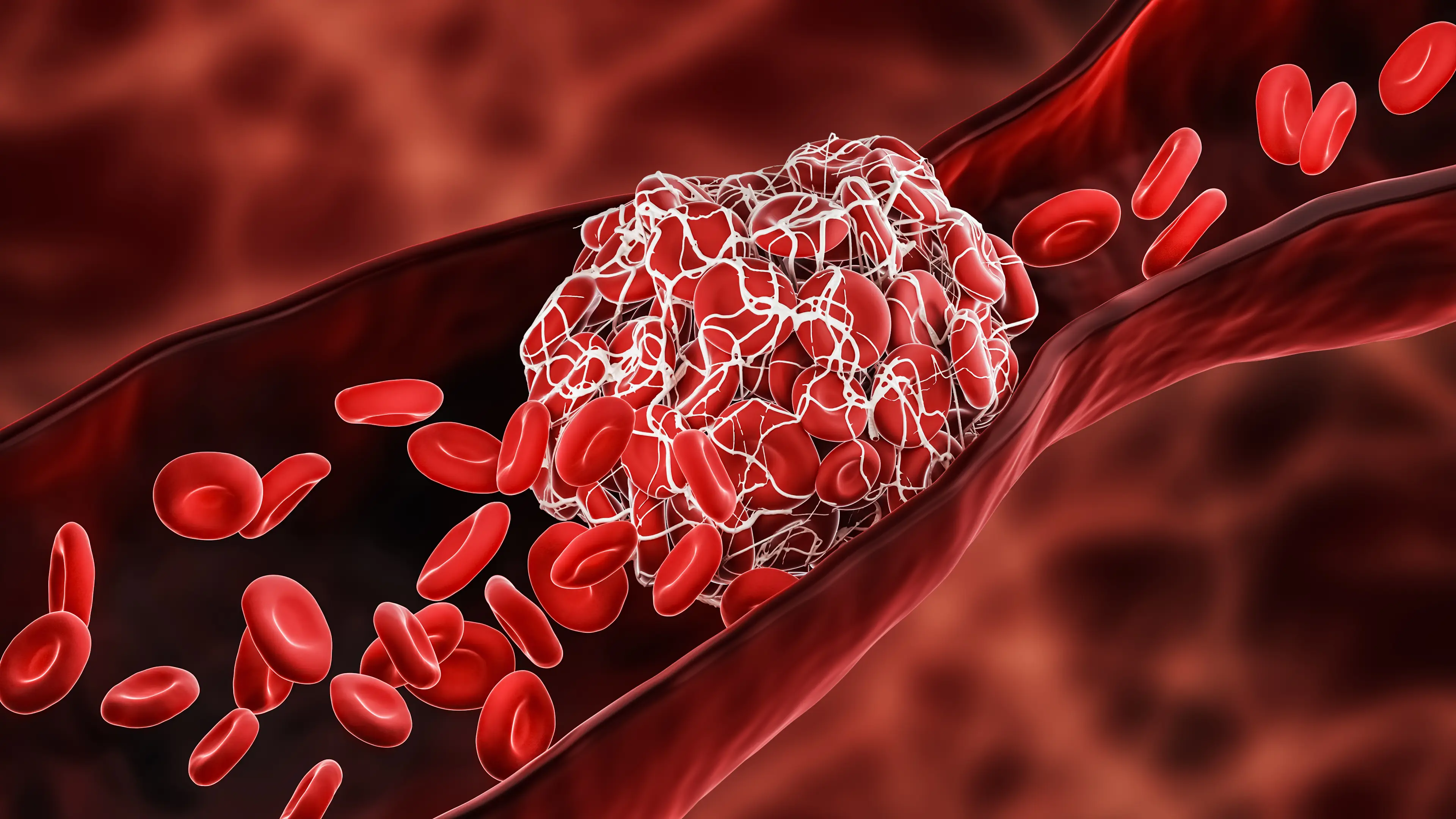
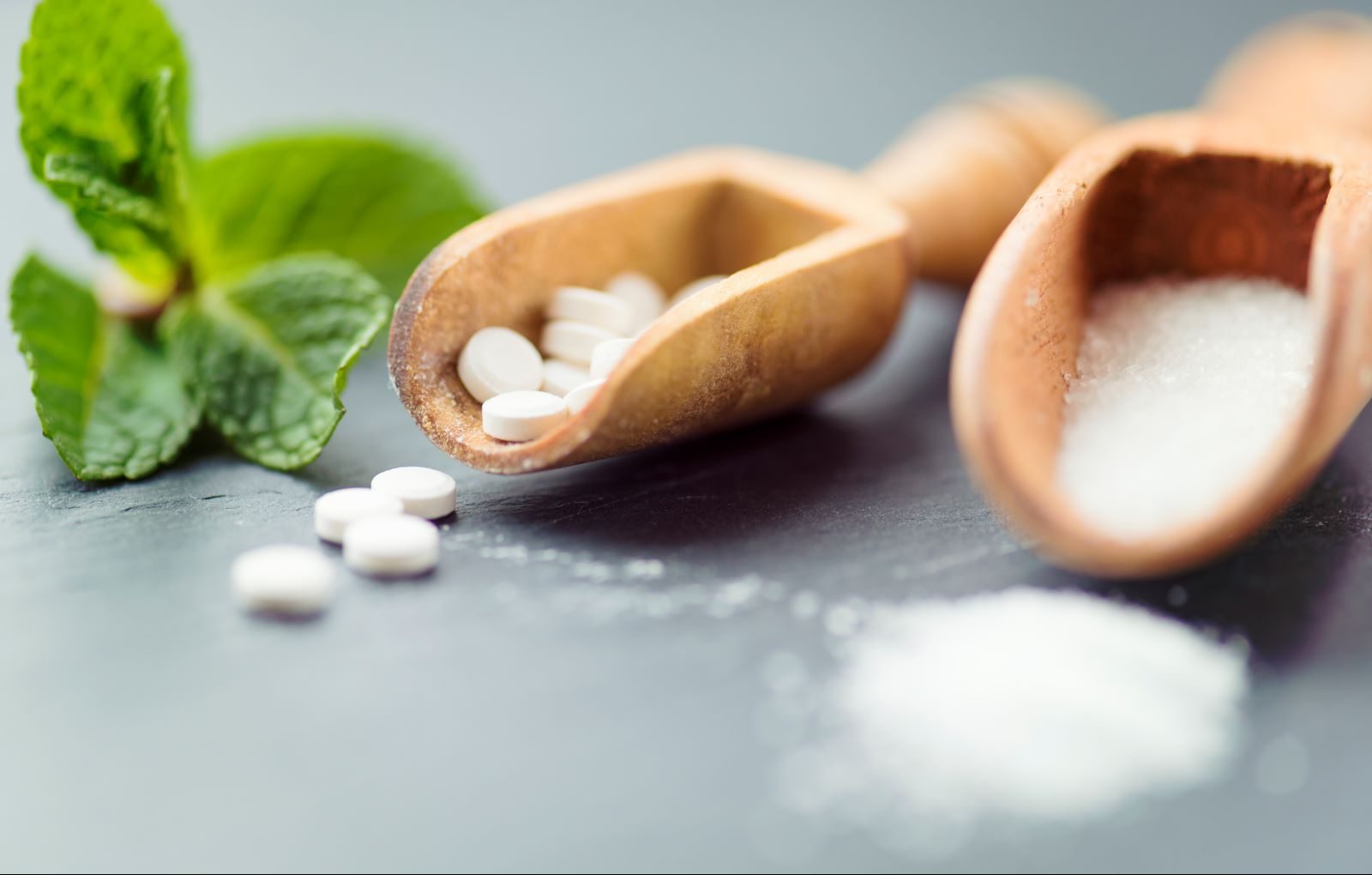
Recent clinical research indicates that certain artificial sweeteners, specifically sugar alcohols like erythritol and xylitol, are associated with an increased risk of blood clots, heart attack, and stroke. These substances can enhance platelet activity, making blood more prone to clotting, which may lead to serious cardiovascular events, particularly in individuals with pre-existing metabolic conditions or heart disease.
As of 2026, the global shift toward low-sugar and ketogenic diets has led to a massive increase in the consumption of non-nutritive sweeteners. While these products were long marketed as healthy alternatives to refined sugar, emerging longitudinal studies and mechanistic research have raised significant concerns regarding their impact on vascular health. The primary focus of these concerns is not just the metabolic effect, but the direct interaction between these compounds and human blood platelets.
The Evolution of Artificial Sweetener Consumption
Artificial sweeteners, once primarily the domain of "diet" sodas and specialized diabetic foods, have permeated nearly every segment of the modern food industry. By 2026, they are found in everything from protein powders and baked goods to flavored waters and "natural" stevia blends. This ubiquity means that the average consumer is often ingesting much higher concentrations of these compounds than previously anticipated.
Among the various classes of sweeteners, sugar alcohols (also known as polyols) have become particularly popular. Unlike high-intensity sweeteners such as aspartame or saccharin, sugar alcohols like erythritol and xylitol provide bulk and texture similar to table sugar, making them ideal for "sugar-free" baking. However, because they are poorly absorbed by the gut, they were initially thought to be biologically inert in the bloodstream—an assumption that recent clinical data has challenged.
The Mechanism: How Sweeteners Trigger Blood Clots
The relationship between artificial sweeteners and blood clot risk centers on platelet reactivity. Platelets are small cell fragments in the blood that are essential for clotting to stop bleeding. However, when platelets become hyper-reactive, they can clump together inside blood vessels, leading to thrombosis. If a clot forms in a coronary artery, it causes a heart attack; if it occurs in a vessel leading to the brain, it causes a stroke.
Platelet Sensitization and Erythritol
Research published in Nature Medicine and subsequent follow-up studies through 2025 have demonstrated that erythritol interacts directly with platelets. When erythritol levels in the blood rise above a certain threshold—which can happen after consuming a single "keto-friendly" pint of ice cream or a heavily sweetened drink—it appears to "prime" the platelets. This priming effect makes the platelets significantly more sensitive to triggers that cause them to aggregate.
The biochemical mechanism involves the mobilization of calcium within the platelet cells. Increased intracellular calcium is a hallmark of platelet activation. When erythritol is present, even a minor stimulus can trigger a full clotting response that would otherwise not occur.
Xylitol and Vascular Risk
Xylitol, another common sugar alcohol often found in sugar-free gum and oral care products, has shown similar effects. Studies published in the European Heart Journal have highlighted that high plasma levels of xylitol are associated with an elevated risk of major adverse cardiovascular events (MACE). Like erythritol, xylitol enhances platelet function and the potential for clot formation in vivo.
Clinical Evidence: Connecting the Dots
The evidence linking these sweeteners to cardiovascular risk comes from two primary types of research: large-scale observational studies and controlled mechanistic trials.
- Observational Cohorts: Researchers have analyzed blood samples from thousands of patients undergoing cardiac evaluation. They found that those with the highest levels of erythritol or xylitol in their blood were significantly more likely (in some cases, twice as likely) to experience a heart attack or stroke over a three-year follow-up period compared to those with the lowest levels.
- Mechanistic Testing: In laboratory settings, adding erythritol to human whole blood at levels typically found in the body after consumption resulted in increased clot formation. This was further confirmed in animal models, where erythritol accelerated the rate of arterial clot formation following vessel injury.
It is important to note that the levels of these sweeteners found in the blood of high-risk individuals were often 1,000 times higher than natural endogenous levels. This suggests that the risk is primarily driven by exogenous consumption—the sweeteners we eat—rather than the small amounts the body produces naturally during metabolism.
Identifying High-Risk Populations
While the potential for increased clotting is a concern for everyone, certain groups are at a much higher risk of complications from artificial sweetener consumption:
- Patients with Pre-existing Cardiovascular Disease: Individuals who already have narrowed arteries or a history of heart attack are more vulnerable to the effects of hyper-reactive platelets.
- Diabetics: Because people with diabetes are often the primary consumers of sugar-free products, they may inadvertently be increasing their risk of the very vascular complications they are trying to avoid.
- Individuals with Metabolic Syndrome: Those with high blood pressure, high triglycerides, and obesity already have an environment in the body that favors inflammation and clotting.
- The Elderly: Vascular integrity decreases with age, making the consequences of a small clot potentially more devastating.
Comparing Sweetener Types and Safety Profiles
Not all sweeteners carry the same level of risk regarding blood clots. As of 2026, the distinction between sugar alcohols and high-intensity sweeteners is a critical factor for consumer safety.
| Sweetener Type | Common Names | Primary Use Case | Clot Risk Evidence (2026 Status) |
|---|---|---|---|
| Sugar Alcohols | Erythritol, Xylitol, Sorbitol | Baking, Keto products, Gum | High Correlation with increased platelet reactivity and MACE. |
| High-Intensity Synthetic | Aspartame, Sucralose, Saccharin | Diet sodas, "Yellow/Blue" packets | Mixed data; primary concerns involve microbiome and insulin sensitivity. |
| Natural Extracts | Stevia, Monk Fruit | Natural health products, Drops | Low Evidence of clot risk; generally considered safer for cardiovascular health. |
| Traditional Sugars | Sucrose, HFCS, Honey | Standard processed foods | High metabolic risk (obesity, diabetes) but different clotting mechanism. |
The Regulatory Response and Labeling Challenges
As of 2026, regulatory bodies such as the FDA and EFSA have begun re-evaluating the GRAS (Generally Recognized As Safe) status of certain sugar alcohols. For decades, these substances were approved based on the assumption that they passed through the body without biological impact. The discovery of their role in platelet activation has forced a shift in regulatory perspective.
However, labeling remains a significant hurdle. Many products list "Total Carbohydrates" and then "Sugar Alcohols" as a single line item, without specifying which alcohol is used or in what quantity. For a consumer trying to avoid erythritol specifically, this lack of transparency makes risk management difficult. Health advocacy groups are currently pushing for mandatory disclosure of specific sugar alcohol concentrations on nutrition facts panels.
Expert Recommendations for Risk Mitigation
Medical professionals and nutritionists have begun adjusting their guidance based on the emerging data regarding artificial sweeteners and blood clot risk.
1. Prioritize Whole Foods
The simplest way to avoid the risks associated with highly processed sweeteners is to return to a diet based on whole foods. Fruits provide sweetness alongside fiber and polyphenols, which can actually improve vascular health and reduce inflammation.
2. Transition Away from "Hyper-Sweetness"
Modern diets have conditioned human taste buds to expect an intensity of sweetness that rarely occurs in nature. By gradually reducing the use of all sweeteners—including "safe" ones like stevia—individuals can recalibrate their palate, making naturally lower-sugar foods more satisfying.
3. Read Labels for "Hidden" Polyols
Consumers should be vigilant about terms like "fermented glucose" (a common source of erythritol) or general "polyols." If a product is marketed as "Zero Sugar" or "Keto" but tastes remarkably like real sugar, it likely contains a high concentration of sugar alcohols.
4. Consultation with Specialists
Individuals with a history of atrial fibrillation, stent placement, or deep vein thrombosis (DVT) should discuss their sweetener intake with their cardiologist. In some cases, a small amount of real sugar or a natural alternative may be medically preferable to the potential clotting risks of erythritol or xylitol.
Frequently Asked Questions
Does erythritol cause blood clots immediately after eating it?
Research suggests that erythritol can increase platelet reactivity shortly after ingestion. Because erythritol is not metabolized by the body, it remains in the bloodstream for a significant period—sometimes several days—maintaining a window of increased clotting risk. However, it usually requires a trigger (like existing plaque rupture or vessel inflammation) for a clinical clot to form.
Are natural sweeteners like Stevia and Monk Fruit safe for the heart?
As of current 2026 data, Stevia and Monk Fruit have not shown the same association with platelet reactivity or blood clot risk as erythritol and xylitol. These are high-intensity sweeteners used in much smaller volumes, which may contribute to their lower risk profile. However, consumers should ensure these are not "bulked" with erythritol, which is a common practice in powdered versions.
How much erythritol is considered "dangerous"?
There is no officially established "safe" upper limit for cardiovascular health, but clinical studies observed the highest risks in people who consumed the equivalent of 30 grams per day. For context, some keto-marketed snacks contain 15-25 grams of erythritol per serving. Consistently high daily intake is the primary concern for long-term vascular health.
Can I reverse the damage caused by consuming these sweeteners?
The effect of sugar alcohols on platelets appears to be transient rather than permanent. Once the substance is cleared from the blood via the kidneys, the "priming" effect on platelets subsides. Long-term cardiovascular health is better served by reducing systemic inflammation through a balanced diet, exercise, and avoiding substances that acutely increase thrombotic risk.
Why was this risk not discovered earlier?
Historically, safety testing for sweeteners focused on toxicity, carcinogenicity, and immediate gut issues (like laxative effects). Because sugar alcohols were not thought to be absorbed or bioactive in the blood, their effect on the cardiovascular system was not a standard part of the approval process. It was only through large-scale "metabolomics" studies in the 2020s that these associations became visible.
Practical Steps Forward
For those concerned about the link between artificial sweeteners and blood clot risk, the most effective next action is a three-day audit of all processed foods in your pantry. Check for erythritol and xylitol in unexpected places, such as toothpaste, "low-calorie" dressings, and protein bars.
If you are in a high-risk category for cardiovascular disease, consider replacing these products with natural alternatives or reducing your reliance on sweetened foods entirely. For more specific guidance, consult the latest cardiovascular safety updates from the American Heart Association or the European Society of Cardiology, which have integrated these findings into their recent dietary recommendations.