In Arizona, the standard time zone abbreviation is MST, which stands for Mountain Standard Time. Unlike most of the United States, Arizona does not observe Daylight Saving Time (DST). Consequently, while the state remains on MST year-round, its relative time compared to other states shifts twice a year during the spring and autumn transitions.
The Arizona time zone is a point of both pride and confusion. For locals, the abbreviation MST represents a year-round consistency that avoids the disruptive "spring forward" and "fall back" cycles prevalent elsewhere. However, for those outside the state—or those traveling through the complex tribal lands in the northeast—the abbreviation carries specific technical and geographical implications. As of 2026, Arizona remains one of the few jurisdictions in North America to maintain this stance, rooted in its unique climate and historical legislative decisions.
The Technical Definition: MST and UTC-7
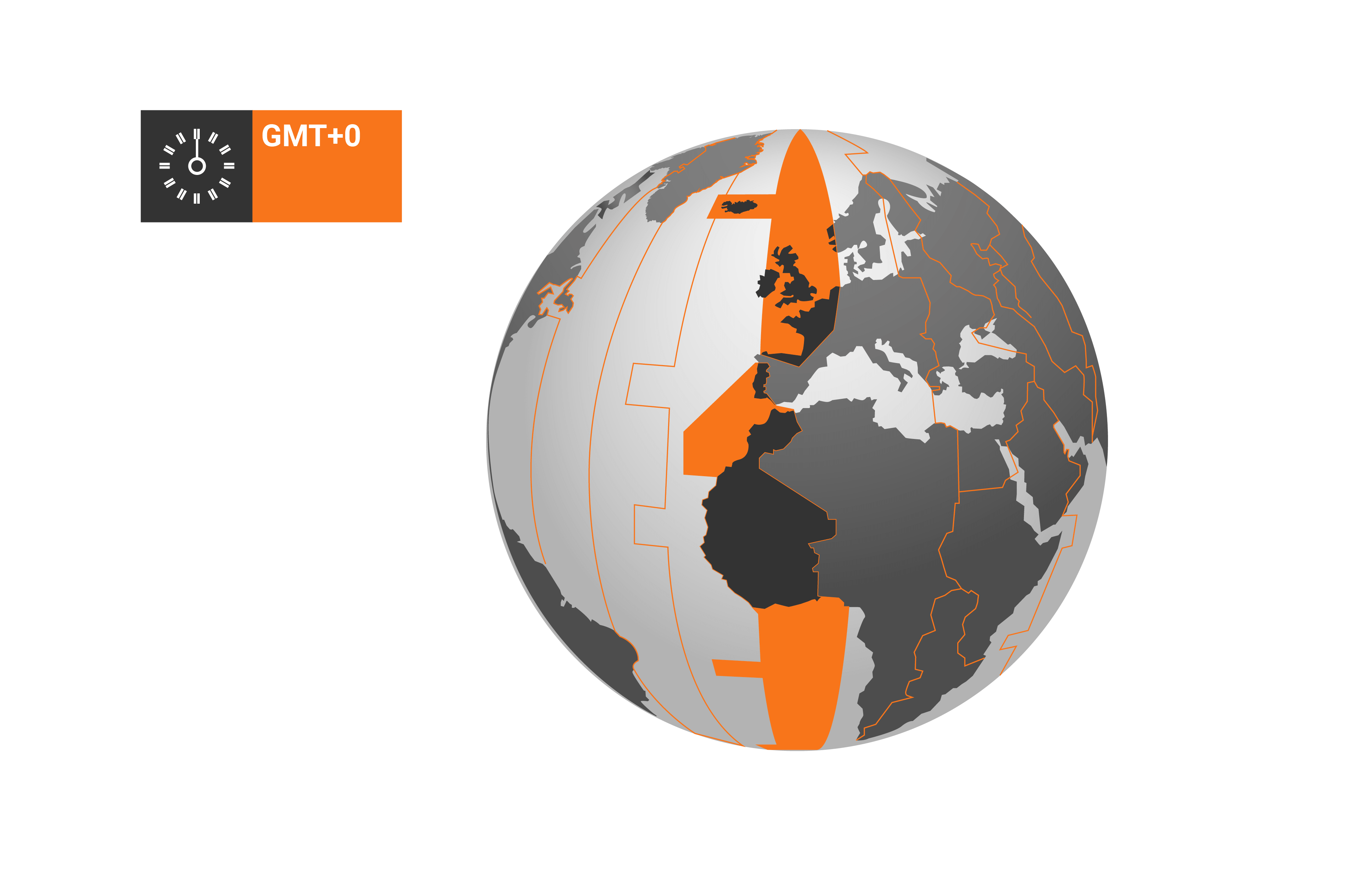
To understand what the Arizona time zone abbreviation means locally, one must first understand the Coordinated Universal Time (UTC) offset. Arizona is located in the UTC-7 offset.
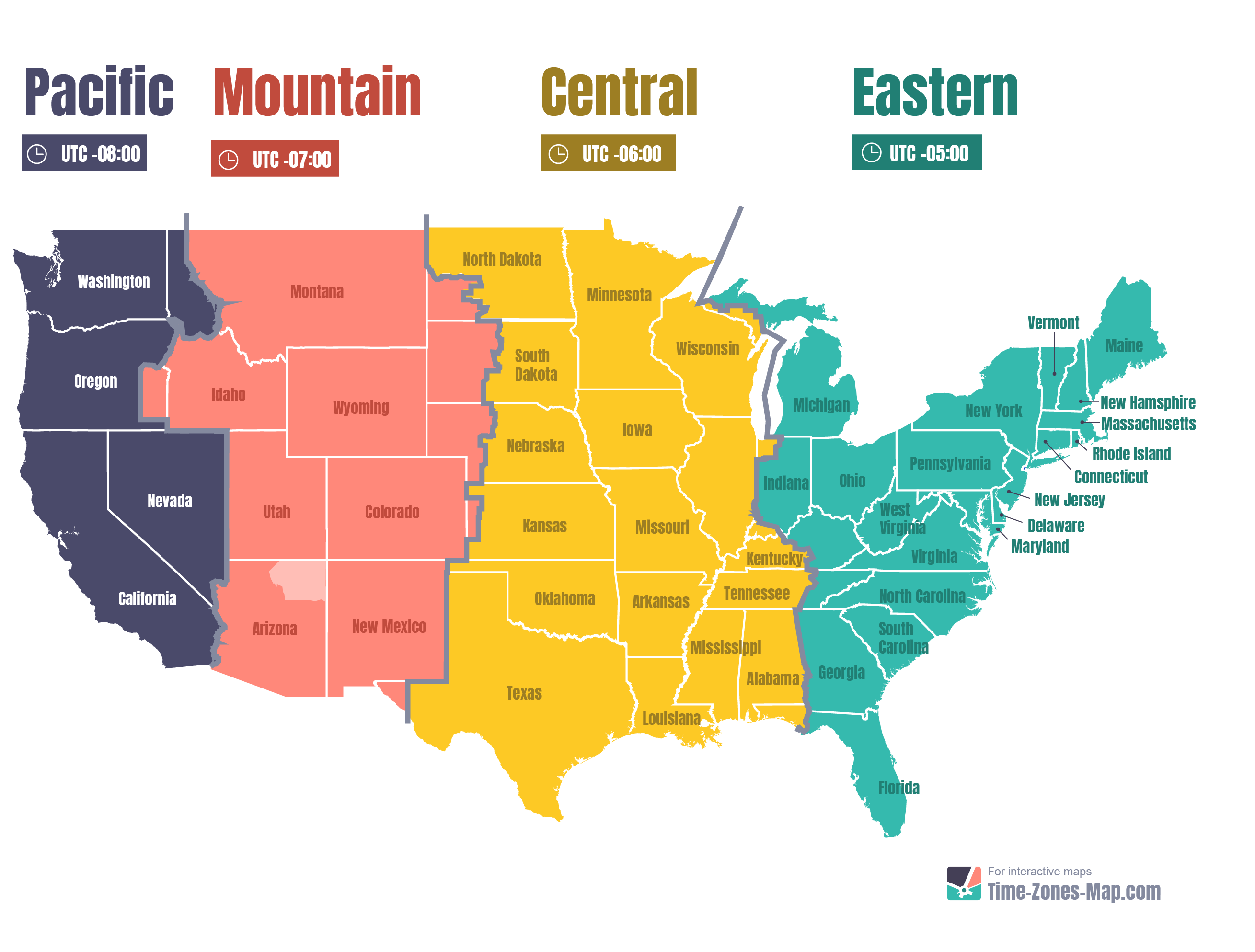
Under the United States federal "Uniform Time Act" of 1966, states are organized into specific zones. Arizona falls within the Mountain Time Zone. Usually, this zone oscillates between Mountain Standard Time (MST, UTC-7) and Mountain Daylight Time (MDT, UTC-6). Because Arizona opted out of the daylight saving portion of the act in 1968, it permanently occupies the UTC-7 space.
The Significance of "Standard"
The "S" in MST is the most critical letter for anyone scheduling a meeting or booking a flight in 2026. In other states, "Standard" is only used during the winter months. In the summer, those states switch to "Daylight" time (e.g., MDT, PDT, or EDT). Because Arizona never makes this switch, "Arizona Time" and "Mountain Standard Time" are effectively synonymous within the state’s borders.
When a digital calendar or a smartphone asks you to select a time zone, you will often see an option for "Phoenix, Arizona" or "Arizona" specifically. This is because "Mountain Time" as a generic category usually follows the DST rules of Denver or Salt Lake City. Selecting "Arizona" ensures the device does not automatically jump forward an hour in March or back an hour in November.
Why Arizona Does Not Use Daylight Saving Time
The local meaning of MST is deeply tied to the state's extreme desert climate. The decision to remain on Standard Time year-round was not an arbitrary one; it was a response to the physical environment and energy needs of the population.
Historical Context of the 1968 Decision
After the federal government passed the Uniform Time Act, Arizona briefly experimented with Daylight Saving Time in 1967. The results were widely unpopular. If Arizona were to observe DST, the sun would set an hour later during the hottest months of the year. In a state where summer temperatures frequently exceed 110°F (43°C), an extra hour of daylight in the evening means an extra hour of intense heat before the environment can begin to cool down.
State legislators realized that shifting the clocks forward would result in higher energy costs, as air conditioning units would have to work harder for longer periods into the evening. Furthermore, it would push outdoor activities and children’s playtimes into the most dangerous heat of the day. By 1968, the Arizona Legislature officially opted out of DST, a move that has been reaffirmed several times in the decades since, including recent legislative reviews leading up to 2026.
Energy Consumption and Lifestyle
For a resident in Phoenix or Tucson, MST means that during the peak of summer, the sun sets around 7:30 PM or 8:00 PM rather than 9:00 PM. This earlier sunset is viewed as a reprieve. It allows the pavement to stop radiating heat sooner, making outdoor dining and evening recreation more tolerable. From a technical SEO and metadata perspective, "Arizona Time" is often searched for specifically because travelers need to know if they are currently "aligned" with California (Pacific Time) or Colorado (Mountain Time).
The Navajo Nation and Hopi Reservation Exception
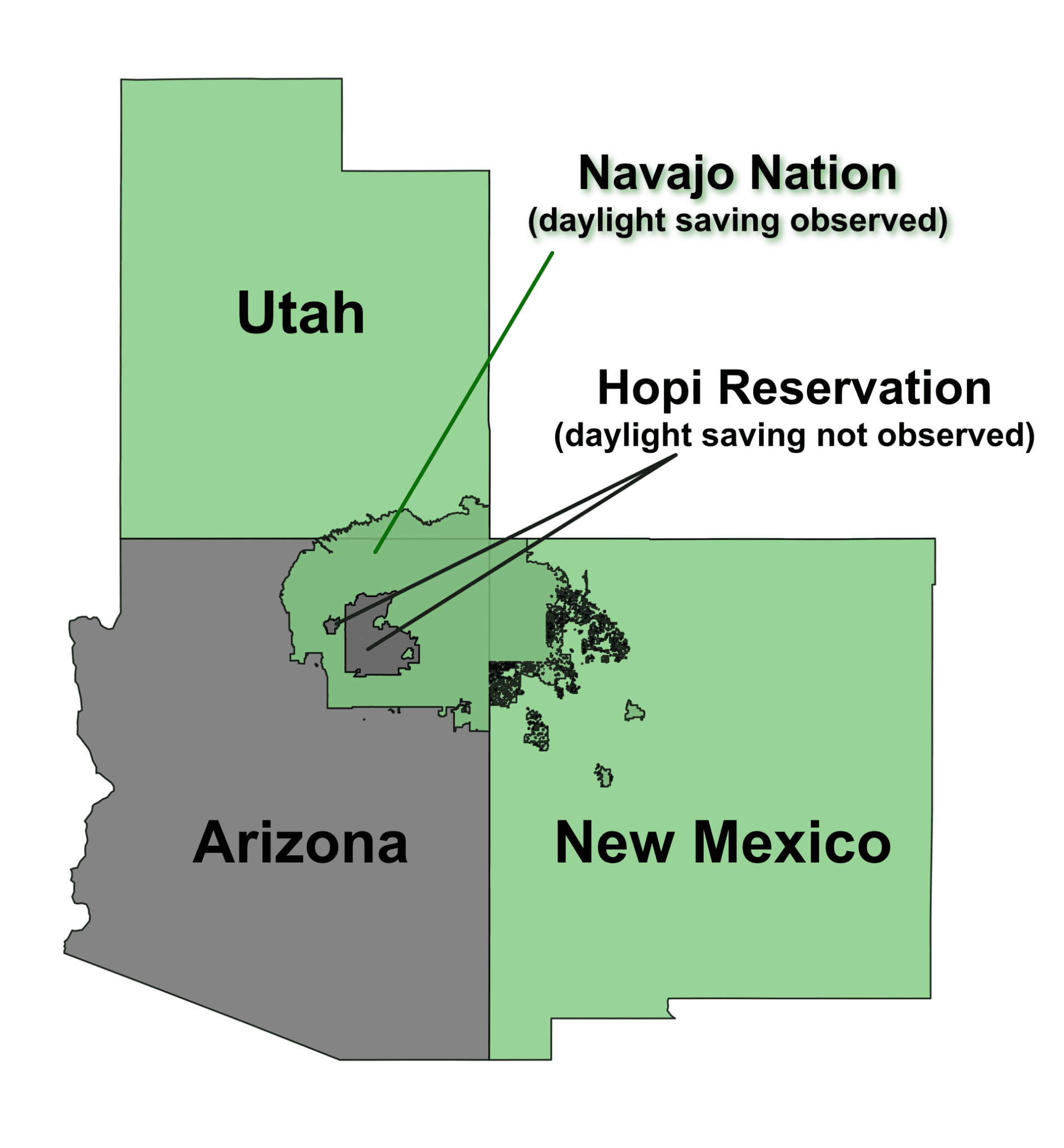
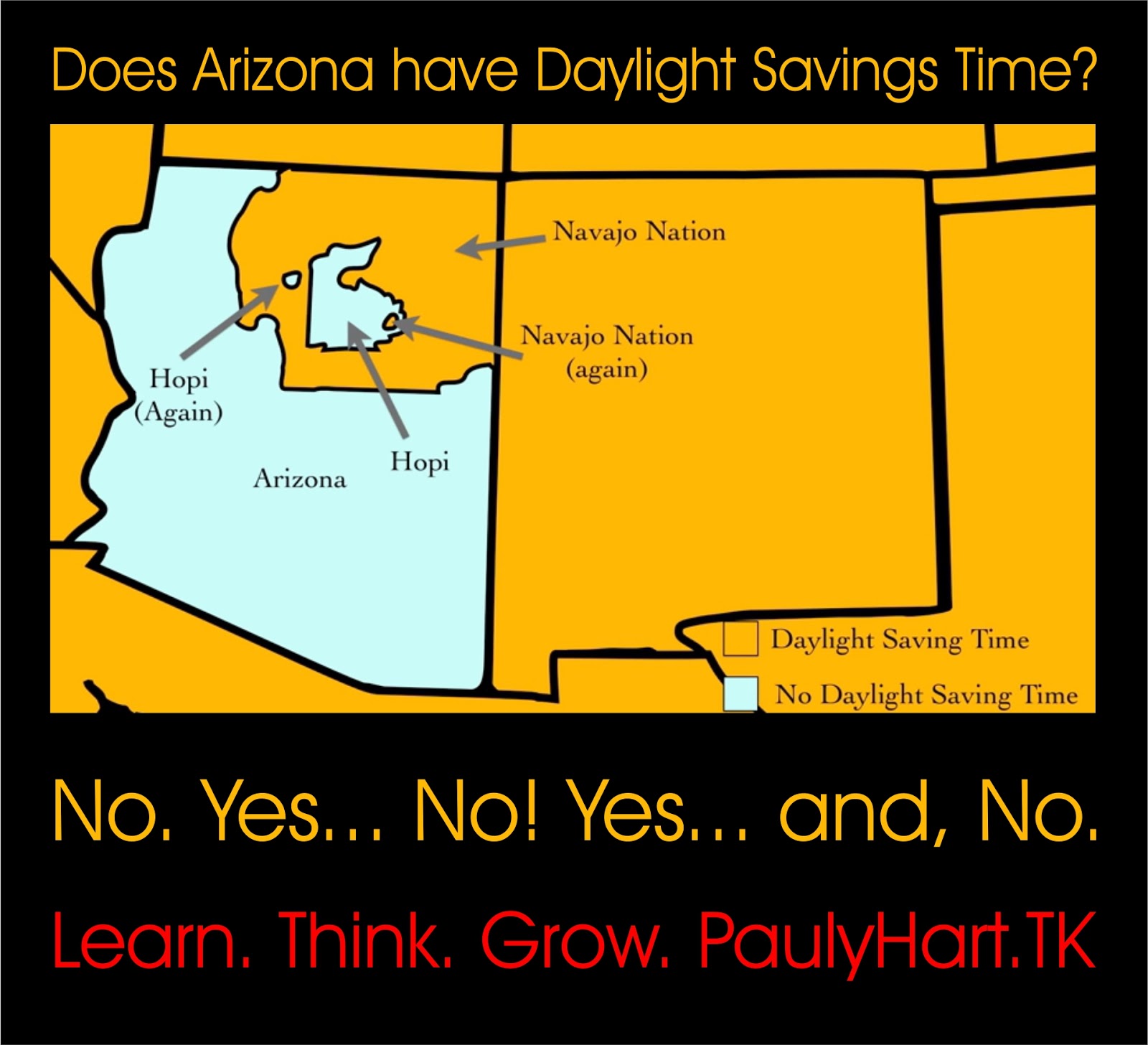
While the state of Arizona uses MST year-round, there is a significant geographical exception that adds a layer of complexity to the "local" meaning. The Navajo Nation, which covers a vast area in northeastern Arizona (as well as parts of New Mexico and Utah), does observe Daylight Saving Time.
The Navajo Nation (MDT/MST)
The Navajo Nation elects to follow the DST schedule to maintain a uniform time across its entire territory, which spans three different states. This means that during the summer months, if you drive from Flagstaff (on MST) onto the Navajo Nation in Window Rock, you will "lose" an hour as you enter Mountain Daylight Time (MDT).
The Hopi Reservation (MST Only)
To make matters even more complex, the Hopi Reservation is entirely surrounded by the Navajo Nation. However, the Hopi Tribe follows the rest of Arizona and does not observe Daylight Saving Time.
This creates a "time donut" effect:
- Rest of Arizona: MST (No DST)
- Navajo Nation: MDT (In summer) / MST (In winter)
- Hopi Reservation: MST (No DST)
If you were to drive from the Hopi village of Moenkopi into the Navajo town of Tuba City—which are virtually adjacent—your watch could change twice depending on which side of the street you are on. For residents of these areas, the "Arizona time zone abbreviation" requires a high degree of situational awareness.
Comparing Arizona Time with Other Zones
Because Arizona stays fixed on UTC-7, its relationship with other U.S. time zones changes twice a year. This is the most common source of error for business logistics and travel planning.
Seasonal Alignment Table
The following table illustrates how Arizona (MST) aligns with other major time zones throughout the year 2026.
| Time Zone | Winter (Nov – March) | Summer (March – Nov) | Arizona's Relative Position |
|---|---|---|---|
| Pacific (PT) | 1 hour behind AZ | Same as AZ | AZ matches CA/NV in Summer |
| Mountain (MT) | Same as AZ | 1 hour ahead of AZ | AZ matches CO/UT in Winter |
| Central (CT) | 1 hour ahead of AZ | 2 hours ahead of AZ | AZ is further behind in Summer |
| Eastern (ET) | 2 hours ahead of AZ | 3 hours ahead of AZ | AZ is further behind in Summer |
The "Summer Switch" to Pacific Time
During the summer (approximately mid-March to early November), Arizona is effectively on the same time as Los Angeles and Seattle. This is because the Pacific Time Zone moves from PST (UTC-8) to PDT (UTC-7). Since Arizona is always at UTC-7, the two zones sync up. Locally, this means television broadcasts or live sporting events from the West Coast appear to be "on time," while Eastern Time Zone events (like New York Stock Exchange openings) feel an hour earlier than they do in the winter.
The "Winter Switch" to Mountain Time
During the winter (early November to mid-March), Arizona aligns with Denver, Salt Lake City, and Albuquerque. These areas move from MDT (UTC-6) back to MST (UTC-7). During these months, Arizona is one hour ahead of the Pacific Coast and two hours behind the Atlantic Coast.
Practical Implications for Residents and Businesses
For a senior technical editor or business professional, the "MST" abbreviation in Arizona requires specific handling in 2026 to avoid operational failures.
Digital Scheduling and IANA Databases
The Internet Assigned Numbers Authority (IANA) manages the Time Zone Database used by almost all computer operating systems (Linux, macOS, Windows, Android, iOS). In this database, Arizona is represented by the zone identifier America/Phoenix.
When setting up servers or automated CRON jobs, developers should never use a generic "MST" label if the logic needs to account for Arizona’s lack of DST. Instead, the specific America/Phoenix or US/Arizona string should be used. Using a generic "Mountain Time" setting will cause the system to incorrectly shift times by one hour during the federal DST windows.
Travel and Transportation
Major airlines and Amtrak operate on local time. If you are flying from Phoenix Sky Harbor (PHX) to New York (JFK) in July, the time difference is three hours. If you make the same trip in December, the difference is only two hours.
Travelers often miscalculate their arrival times or meeting windows because they assume the "Mountain" in MST means they will always be on the same time as Denver. In reality, the "Standard" part of the abbreviation is what dictates the local experience.
Television and Streaming
National networks often broadcast on "Eastern/Pacific" schedules. For Arizona residents, this can lead to "moving targets" for live television.
- In the Winter: A 9:00 PM Eastern show airs at 7:00 PM in Arizona.
- In the Summer: That same 9:00 PM Eastern show airs at 6:00 PM in Arizona.
Common Misconceptions About Arizona Time
Even in 2026, several myths persist regarding how time is managed in the Grand Canyon State.
"Arizona is on Pacific Time half the year." Technically, no. Arizona is always on Mountain Standard Time. It is simply that Pacific Daylight Time happens to share the same UTC offset as MST. Arizona does not "switch" to Pacific Time; Pacific Time "switches" to match Arizona.
"The whole state ignores DST." As discussed, the Navajo Nation is a sovereign entity and chooses to observe DST. This is a critical distinction for anyone visiting the Grand Canyon or Antelope Canyon, as tour times are often strictly enforced based on the specific local time of the land they are on.
"MST is the same as MDT." These are two different offsets. MST is UTC-7, while MDT is UTC-6. Using them interchangeably in documentation or invitations will lead to one-hour errors.
Frequently Asked Questions
Is Phoenix on MST or MDT right now?
Phoenix is always on MST (Mountain Standard Time). It never switches to MDT (Mountain Daylight Time). If it is currently summer in 2026, Phoenix is on the same time as Los Angeles. If it is winter, Phoenix is on the same time as Denver.
Why does my phone say "Phoenix Time" instead of "Mountain Time"?
Modern smartphones use geolocation and the IANA database to distinguish Arizona from the rest of the Mountain Time Zone. Because Arizona does not observe Daylight Saving Time, your phone labels it "Phoenix" or "Arizona" to signal that it will stay on UTC-7 year-round, whereas "Mountain Time" usually implies a switch to MDT in the summer.
What time zone abbreviation should I use for a meeting in Arizona?
The most accurate abbreviation is MST. However, to avoid any confusion with participants in other states who might not know what MST means in the summer, it is often best to write "MST (Arizona Time)" or simply "Arizona Time." This alerts the other party that they should check for a DST offset.
Does the Grand Canyon observe Daylight Saving Time?
It depends on which part of the Grand Canyon you are visiting. The Grand Canyon National Park (South Rim and North Rim) follows Arizona state law and stays on MST (No DST). However, if you are traveling through the Navajo Nation to get there, your clock may change. Always verify with your tour operator which time zone they are using.
When did Arizona stop changing its clocks?
Arizona officially opted out of the federal Daylight Saving Time mandate in 1968. The state had tried DST in 1967 and found it unsuitable for the local climate. Since then, the state legislature has consistently voted to remain on Standard Time year-round.
Final Recommendations for 2026
When dealing with the Arizona time zone, clarity is more important than brevity. Whether you are a resident, a business owner, or a traveler, the following steps will ensure you remain synchronized:
- For Digital Setups: Always select "Phoenix" or "Arizona" in your calendar and OS settings. Avoid generic "Mountain Time" options.
- For Communication: When sending invitations to people outside of Arizona, include the UTC offset (UTC-7) or explicitly state that Arizona does not observe Daylight Saving Time.
- For Travelers: If you are visiting the northeastern corner of the state (Navajo or Hopi lands), manually check your phone’s time settings, as cellular towers near the borders can sometimes "bounce" your device between MST and MDT.
By understanding that MST in Arizona means a permanent adherence to the UTC-7 offset, you can navigate the state's unique chronological landscape with confidence.