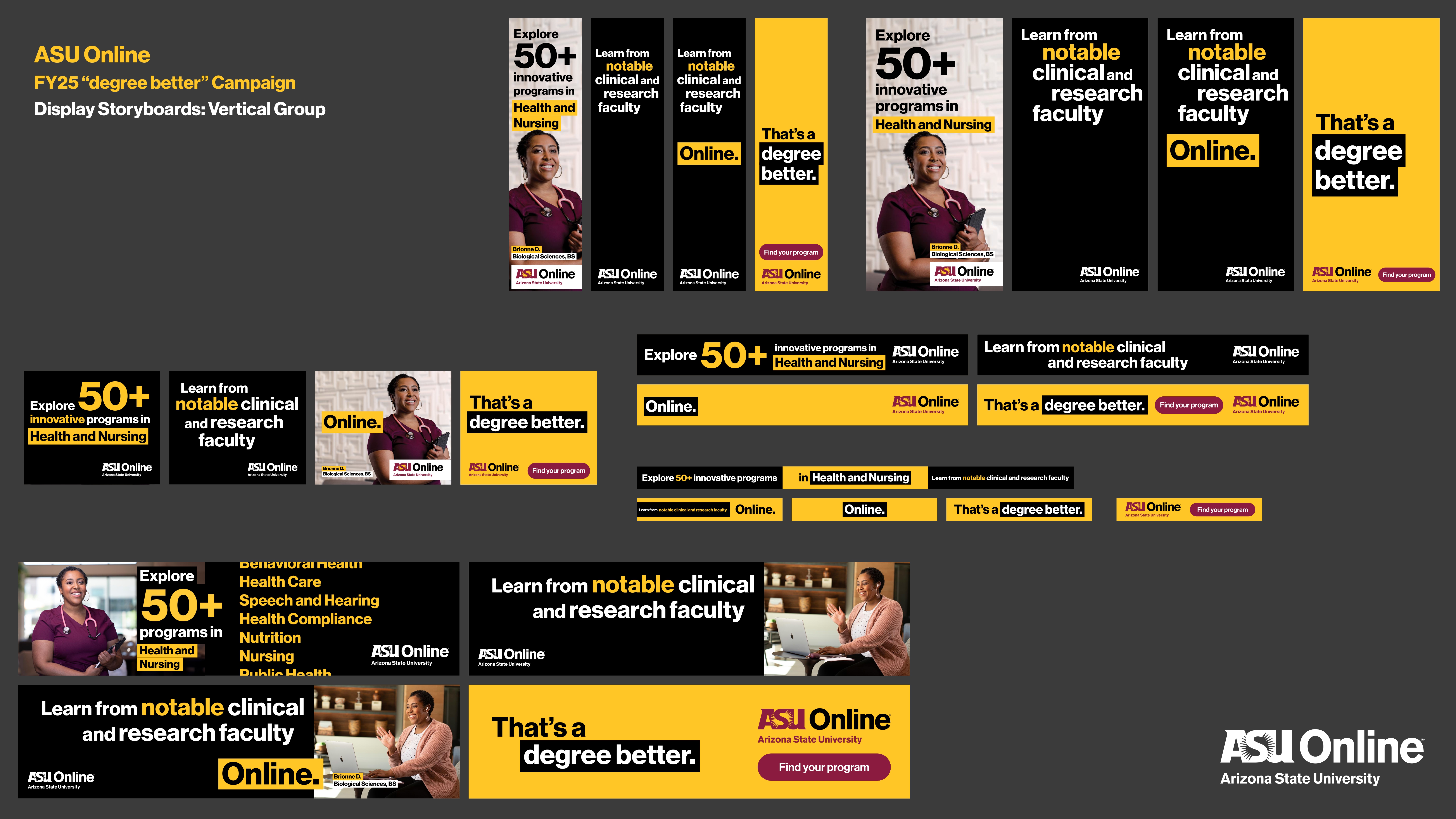
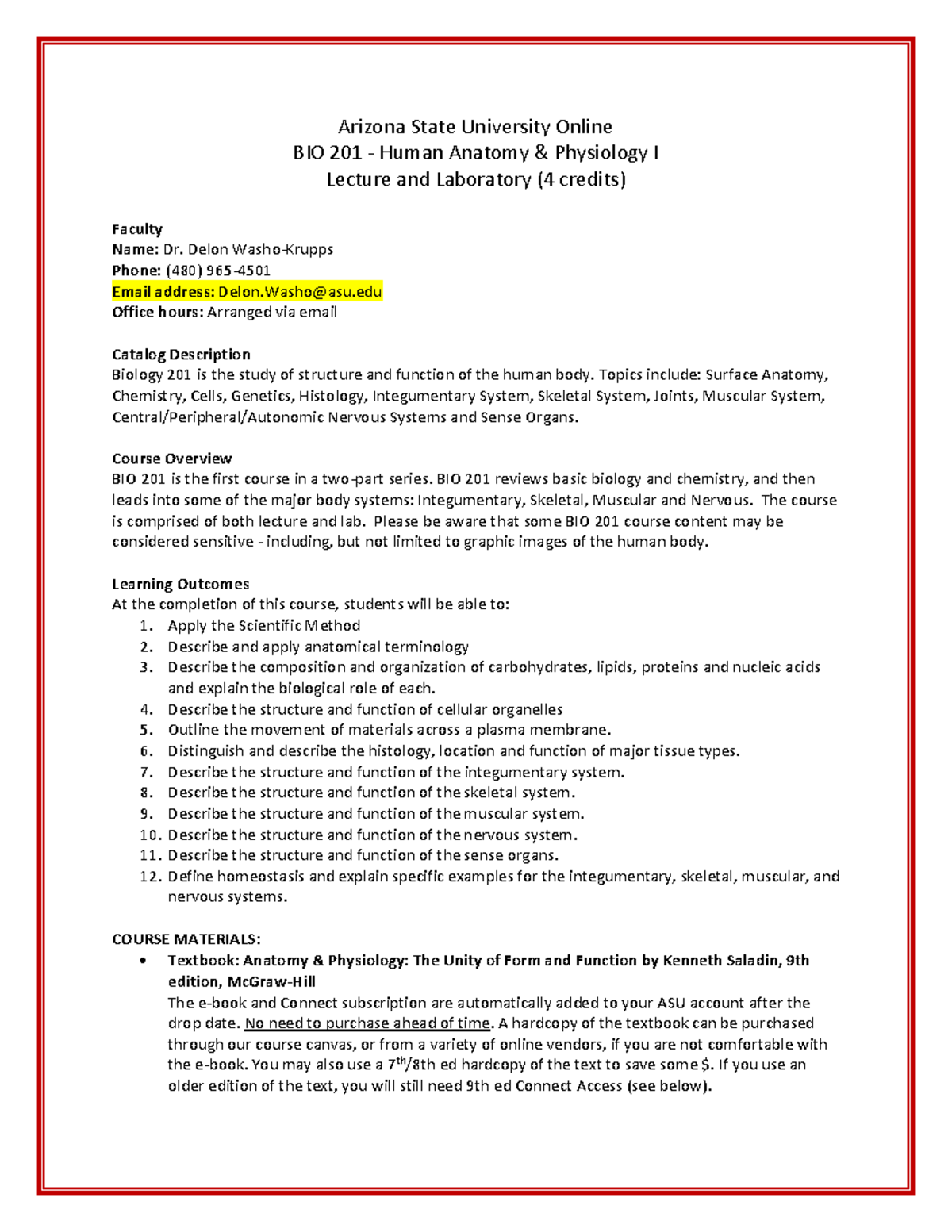
Arizona State University (ASU) Online offers more than 300 undergraduate and graduate degree programs designed for flexibility and academic rigor. In 2026, it remains a top-ranked institution for innovation, providing remote students with the same faculty, curriculum, and prestigious diploma as their on-campus counterparts across diverse fields including engineering, business, and health.
The Evolution and Reputation of ASU Online
Arizona State University has long been recognized as a pioneer in the digital education space. As of 2026, the university has maintained its position at the top of the U.S. News & World Report rankings for "Most Innovative Schools" for over a decade. This reputation is built on the university's commitment to accessibility and the seamless integration of technology into the learning process.
A common concern for prospective students is whether an online degree carries the same weight as a traditional one. At ASU, the distinction is nonexistent in terms of credentials. The diploma earned by an online student is identical to the one earned by a student attending classes in Tempe or Phoenix. It does not specify "online" because the academic requirements, faculty, and learning outcomes are identical across all modalities. This consistency ensures that graduates are respected by employers and graduate school admissions committees worldwide.
The university operates under the accreditation of the Higher Learning Commission (HLC). Individual programs often carry additional specialized accreditations, such as the AACSB for the W. P. Carey School of Business or the ABET for the Ira A. Fulton Schools of Engineering. These stamps of approval guarantee that the education meets rigorous industry standards.
Analyzing the Diverse Degree Catalog
The breadth of Arizona State University online programs is one of its most significant advantages. Unlike many institutions that offer only a handful of degree completion programs, ASU provides a full spectrum of academic paths.
Undergraduate Degrees
ASU Online offers over 150 undergraduate majors. These range from traditional liberal arts like History and English to highly technical fields like Software Engineering and Electrical Engineering. The curriculum is delivered in 7.5-week sessions, allowing students to focus intensely on one or two subjects at a time rather than balancing five different courses over a traditional 15-week semester.
Graduate Degrees and Doctorates
For professionals looking to advance their careers, the graduate catalog includes more than 100 master’s degrees and several doctoral options. The Master of Business Administration (MBA) and the Master of Science in Information Technology are among the most sought-after programs. These degrees are designed for working professionals, often allowing for asynchronous learning where students can engage with material on their own schedules while meeting weekly deadlines.
Specialized Certificates
In addition to full degrees, ASU offers undergraduate and graduate certificates. These are shorter programs (typically 15 to 18 credits) focused on specific skills like Data Analytics, Trauma-Informed Care, or Project Management. They are ideal for students who already hold a degree but need to pivot their expertise to meet 2026 market demands.
Admissions Requirements and the Application Process
Entering an ASU Online program requires meeting specific academic benchmarks, which vary depending on the level of study and the specific college within the university.
Undergraduate Admissions
To be admitted as a first-year student, applicants typically need a high school diploma with a competitive GPA. ASU generally looks for a 3.00 GPA in competency courses or specific rankings within a high school graduating class. Transfer students are a massive part of the ASU Online community. The university has developed the Transfer Guide, a tool that allows students to see exactly how their previous community college or university credits will apply to an ASU degree.
Graduate Admissions
Graduate requirements are more stringent. Most programs require a minimum of a 3.00 GPA in the last 60 hours of undergraduate coursework. While some programs have moved away from requiring the GRE or GMAT in 2026, highly competitive programs like those within the W. P. Carey School of Business may still request them or offer waivers based on professional experience.
International Students
ASU Online is a global institution. International applicants must provide proof of English proficiency (via TOEFL, IELTS, or Duolingo English Test scores) and have their international transcripts evaluated for U.S. equivalency. The process is streamlined through a dedicated international admissions team that understands the nuances of global education systems.
Understanding Tuition, Fees, and Financial Aid in 2026
The cost of attending ASU Online is structured differently than the on-campus experience. One of the primary benefits is that online students do not pay out-of-state tuition. Instead, there is a flat tuition rate per credit hour that applies to all students, regardless of their physical location.
| Program Level | Estimated Cost Per Credit (2026) | Total Credits Required | Typical Total Tuition Range |
|---|---|---|---|
| Undergraduate | $560 – $750 | 120 | $67,000 – $90,000 |
| Graduate (Masters) | $750 – $1,400 | 30 – 45 | $22,500 – $63,000 |
| Graduate Certificates | $700 – $900 | 15 – 18 | $10,500 – $16,200 |
| Doctoral Programs | $800 – $1,200 | 60+ | $48,000 – $80,000+ |
Note: Tuition varies by specific college and program. These figures exclude books, personal technology costs, and specialized laboratory fees.
Financial Aid and Scholarships
The majority of ASU Online students utilize some form of financial assistance. This begins with the Free Application for Federal Student Aid (FAFSA), which determines eligibility for Pell Grants and federal student loans. ASU also offers several "New American University" scholarships based on academic merit.
Corporate Partnerships
A unique feature of ASU is its extensive list of corporate partnerships. The most famous is the Starbucks College Achievement Plan (SCAP), where Starbucks provides full tuition coverage for eligible partners (employees) to earn their first bachelor's degree. Similar programs exist with Uber, Amazon, and various healthcare organizations, making ASU Online one of the most affordable options for employees of these companies in 2026.
The Technical Infrastructure: How Online Learning Works
ASU utilizes the Canvas Learning Management System (LMS) as its primary classroom hub. This platform hosts video lectures, discussion boards, digital textbooks, and assignment portals. To succeed in Arizona State University online programs, students need a reliable computer and high-speed internet, as many courses involve streaming media and collaborative tools like Slack, Zoom, and Adobe Creative Cloud.
The ASU Sync Model
While most online programs are asynchronous (meaning you don't have to be online at a specific time), some programs utilize ASU Sync. This provides live, interactive classes via video conferencing. This model is particularly prevalent in graduate programs where real-time networking and discussion are vital to the learning experience.
Lab Work and Practical Requirements
For STEM majors, ASU has pioneered digital lab environments. For example, in the Biological Sciences or Engineering programs, students use sophisticated simulation software to conduct experiments. In some cases, "lab kits" are mailed to the student's home, or students are required to complete clinical rotations or internships at local facilities in their home state.
Student Support and the "Sun Devil" Experience
Remote learning does not mean learning alone. ASU provides a robust support network designed to mirror the resources available on campus.
- Success Coaches: Every online student is assigned a success coach who helps with time management, navigating university resources, and staying motivated.
- Academic Advising: Dedicated advisors for each major ensure that students take the correct courses in the right sequence to graduate on time.
- Online Tutoring: Students have access to 24/7 online tutoring in subjects like math, writing, and science.
- Career Services: The ASU Career Services department offers virtual career fairs, resume reviews, and access to "Handshake," a premier job board for students and alumni.
- Digital Library: The ASU Library provides remote access to millions of journals, e-books, and databases, with librarians available via chat to assist with research.
Graduates of online programs are also members of the ASU Alumni Association, a network of over 600,000 "Sun Devils" worldwide. This community provides significant networking opportunities and career leverage long after graduation.
Potential Challenges and How to Overcome Them
While the flexibility of Arizona State University online programs is a major draw, it requires a high degree of self-discipline. The accelerated 7.5-week sessions (Session A and Session B) move quickly. Missing a single week of assignments can make it difficult to catch up.
Successful students typically create a dedicated workspace and a consistent weekly schedule. It is also recommended to engage actively in discussion boards and virtual study groups to combat the isolation that can sometimes accompany remote education. Utilizing the success coach early in the program is a key strategy for those who haven't been in a classroom environment for several years.
Frequently Asked Questions
Is an ASU Online degree the same as an on-campus degree?
Yes. The curriculum, faculty, and academic requirements are identical. Your diploma and transcripts will say "Arizona State University" and will not indicate that the degree was completed online. This ensures that you receive the same prestige and recognition as any other ASU graduate.
How many hours per week should I dedicate to an online course?
For a standard three-credit course in a 7.5-week session, you should expect to spend roughly 18 to 20 hours per week on coursework. This includes reading, watching lectures, participating in discussions, and completing assignments. Because the terms are accelerated, the weekly workload is higher than it would be in a traditional 15-week semester.
Can I transfer credits from another university to ASU Online?
ASU is very transfer-friendly. You can transfer an unlimited number of credits from accredited four-year institutions and up to 64 credits from two-year community colleges. You can use the ASU Transfer Guide to get an unofficial evaluation of how your credits will move toward your chosen degree.
Does ASU Online offer financial aid?
Yes. Online students are eligible for federal financial aid, including grants and loans, by completing the FAFSA. Additionally, ASU offers merit-based scholarships and has numerous partnerships with employers like Starbucks and Uber that offer tuition coverage or reimbursement for their employees.
Are there specific start dates, or is it rolling enrollment?
ASU Online has six start dates per year: two in the fall, two in the spring, and two in the summer. This allows students to begin their education at a time that fits their personal and professional lives rather than waiting for a traditional September start date.
Do I ever need to visit the campus?
For the vast majority of programs, there is no requirement to visit the campus. All coursework, exams, and support services are available 100% online. However, all online students are invited and encouraged to attend their graduation ceremonies in person at the Tempe campus to celebrate their achievements.
Final Recommendation for Prospective Students
If you are looking for a highly flexible, reputable, and comprehensive educational experience, Arizona State University online programs are among the best in the world. To begin, you should first identify your desired field of study and use the ASU website to review the specific curriculum for that major.
The next practical step is to use the transfer search tool if you have prior college experience, or to begin your FAFSA application. Because the 7.5-week sessions move quickly, it is beneficial to apply at least two months before your intended start date to ensure all transcripts are processed and you have time to complete the online orientation. For those employed by major corporations, check with your HR department first to see if you qualify for a tuition partnership, as this could significantly reduce or eliminate your out-of-pocket costs.