Professional mold remediation in Apple Valley involves a systematic process of moisture identification, containment, specialized cleaning, and structural drying to eliminate fungal growth and prevent its return. In 2026, the process relies on high-resolution thermography and IICRC S520 standards to ensure indoor air quality is restored to safe, baseline levels for residential and commercial properties.
The Unique Context of Mold in Apple Valley
While Apple Valley, California, is situated in a high-desert environment, mold growth remains a significant concern for property owners. The assumption that dry heat prevents mold is a common misconception; in reality, the desert climate often creates specific conditions that favor indoor fungal proliferation. In 2026, local remediation experts emphasize that the disparity between intense outdoor heat and indoor climate control often leads to condensation issues within wall cavities and HVAC systems.
In the Apple Valley region, the primary drivers of mold are not typically high ambient humidity, but rather localized "moisture events." These include seasonal monsoon rains that can exploit roof vulnerabilities, slab leaks common in older High Desert homes, and the frequent use of evaporative (swamp) coolers. Evaporative coolers, while energy-efficient, introduce significant moisture directly into the air stream. If these systems are not maintained or if the home lacks proper ventilation, they can elevate indoor relative humidity to levels exceeding 60%, the threshold where mold spores begin to colonize surfaces.
For properties in Apple Valley, Minnesota, the challenges differ slightly, focusing on basement seepage during the spring thaw and high humidity during the summer months. Regardless of the specific geography, the biological requirements for mold—nutrients (cellulose in drywall/wood), oxygen, and moisture—remain constant, requiring a professional response once a colony is established.
Recognizing the Need for Remediation
Identifying the presence of mold is the first step toward restoration. In 2026, diagnostic tools have become more sensitive, allowing homeowners to detect issues before they become catastrophic. However, physical signs remain the most reliable indicators for initial concern.
Visual Cues and Surface Discoloration
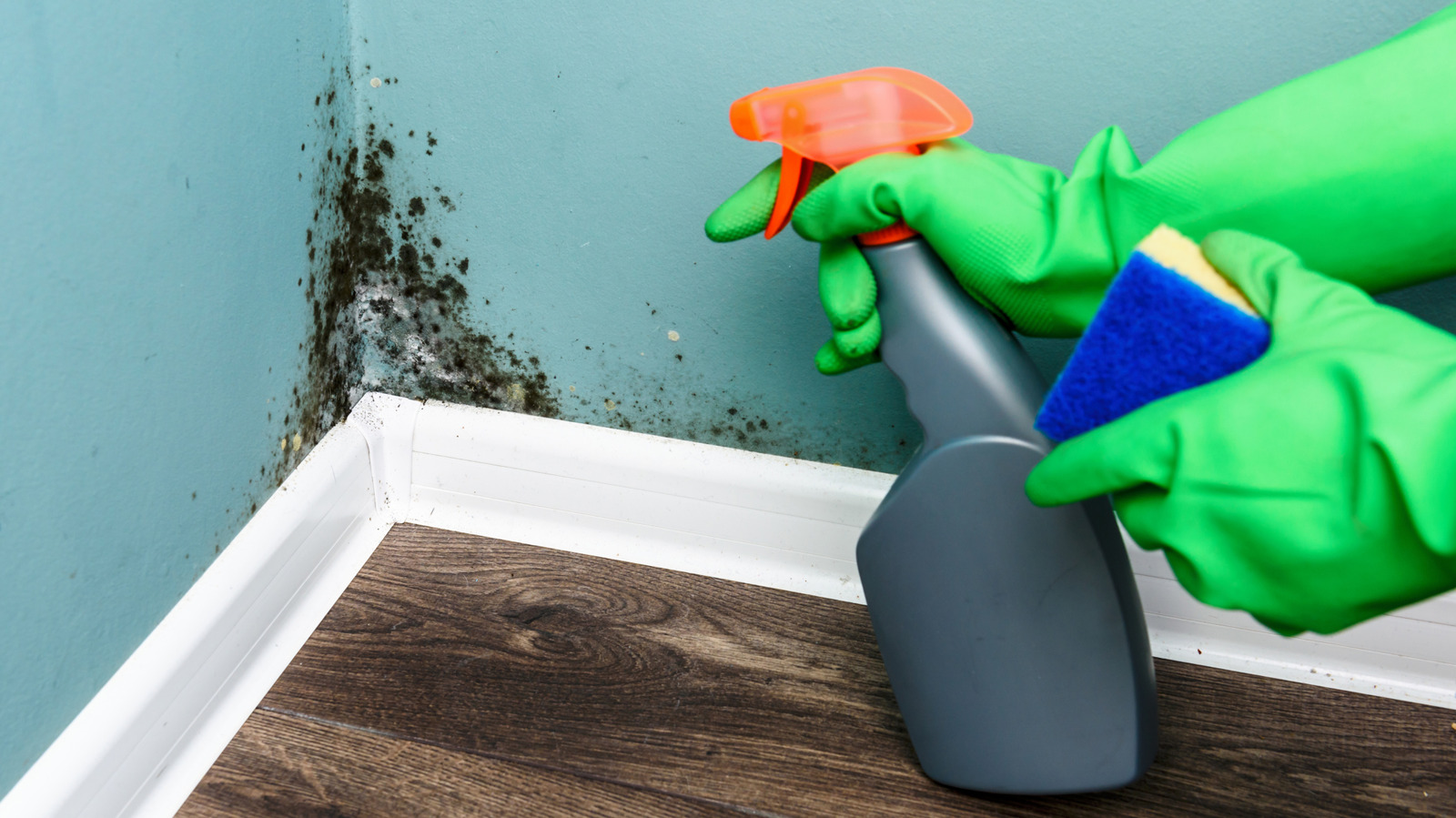
Mold does not always appear as the stereotypical "black mold." It can manifest as fuzzy white patches, green streaks, or orange-hued staining. In many Apple Valley homes, mold often grows behind baseboards or inside kitchen cabinets where slow plumbing leaks go unnoticed. If you observe "bubbling" or "peeling" paint, this is frequently a sign that moisture is trapped behind the surface, likely supporting fungal growth.
Olfactory Indicators
A persistent, earthy, or musty odor is often the first sign of a hidden mold problem. This scent is caused by microbial volatile organic compounds (mVOCs) released by mold during its metabolic process. Because these gases can permeate through porous walls, you may smell the mold long before you see it. In 2026, professional remediation services use gas-sensing equipment to pinpoint the concentration of these odors, helping to locate colonies hidden within wall assemblies.
Health and Comfort Reports
Occupants often report unexplained respiratory irritation, persistent coughing, or itchy eyes that seem to improve when they leave the property. While only a medical professional can diagnose mold-related illnesses, these symptoms often serve as the catalyst for a professional mold inspection.
The Professional Mold Remediation Process
In 2026, mold remediation is governed by strict protocols to ensure that spores are not cross-contaminated throughout the building during the cleanup. Following the IICRC S520 Standard for Professional Mold Remediation, the process is divided into several critical phases.
1. Inspection and Moisture Mapping
The process begins with a thorough assessment. Technicians use moisture meters and infrared cameras to "map" the moisture. Since mold cannot grow without water, finding the source is the only way to ensure the remediation is permanent. In Apple Valley, this might involve checking the seals around swamp cooler vents or inspecting the perimeter of a concrete slab for moisture intrusion.
2. Containment and Air Pressure Management
Before any physical removal begins, the affected area must be isolated. Professionals use 6-mil polyethylene sheeting to create a physical barrier. A key component of modern remediation is the use of Negative Air Pressure. By using high-efficiency particulate air (HEPA) filtered air scrubbers, technicians pull air out of the containment zone, creating a vacuum that prevents spores from escaping into unaffected rooms when the door is opened.
3. HEPA Vacuuming and Air Scrubbing
Even before surfaces are cleaned, the air must be addressed. Air scrubbers run continuously to capture airborne spores. Technicians also use HEPA-rated vacuums on all surfaces to remove the bulk of settled spores. This is a critical step; using a standard household vacuum would simply exhaust the tiny spores back into the air, worsening the problem.
4. Removal of Contaminated Materials
Materials are categorized as porous, semi-porous, or non-porous.
- Porous materials: Drywall, insulation, and carpeting that have significant mold growth are generally non-salvageable and must be removed and disposed of in sealed bags.
- Semi-porous materials: Solid wood framing can often be saved through abrasive cleaning (like wire brushing or sandblasting) followed by the application of an antimicrobial agent.
- Non-porous materials: Metal, glass, and hard plastics can typically be cleaned and sanitized.
5. Antimicrobial Treatment and Encapsulation
Once the visible mold is removed, all surfaces within the containment zone are treated with EPA-registered antimicrobials. These solutions kill any remaining microscopic spores. In some cases, professionals may apply an "encapsulant"—a specialized paint-like coating that seals any remaining traces of mold and prevents future moisture from reaching the substrate.
2026 Cost Considerations for Apple Valley Residents
The cost of mold remediation in 2026 varies based on the extent of the damage and the accessibility of the area. Because Apple Valley has a high number of single-story homes on concrete slabs, crawlspace mold is less common than in other regions, but attic and wall-cavity remediation remain frequent.
| Project Scope | Estimated Cost Range (2026) | Typical Duration |
|---|---|---|
| Small Area (e.g., Bathroom Corner) | $500 – $1,500 | 1 - 2 Days |
| Medium Remediation (e.g., Kitchen/Pantry) | $2,500 – $5,000 | 3 - 5 Days |
| Large Scale (e.g., Attic/Whole House) | $6,000 – $15,000+ | 5 - 10 Days |
| HVAC Duct Cleaning & Sanitization | $800 – $2,000 | 1 Day |
These costs typically include labor, specialized equipment rental (air scrubbers, dehumidifiers), and disposal fees. Insurance coverage for mold remediation in 2026 often depends on the "cause of loss." If the mold resulted from a sudden pipe burst, it is frequently covered. However, mold resulting from "gradual seepage" or lack of maintenance (like a leaking swamp cooler) is often excluded or limited by a "mold cap" (typically $5,000 to $10,000) on standard policies.
Safety Standards and Regulatory Compliance
In 2026, safety remains the paramount concern. Mold remediation is not merely a janitorial task; it is a specialized environmental service.
Personal Protective Equipment (PPE)
Professional technicians are required to wear N-95 or P-100 respirators, disposable coveralls, and gloves. This protects the workers from high concentrations of spores and protects the rest of the home from spores hitchhiking on clothing.
Clearance Testing
The "Gold Standard" for completing a project is Post-Remediation Verification (PRV). An independent third-party industrial hygienist or environmental consultant should perform air sampling after the cleaning is finished but before the containment barriers are removed. This ensures that the spore count inside the work area is lower than or equal to the outdoor ambient spore count, confirming the home is safe for occupancy.
Preventive Measures for the Apple Valley Climate
Once remediation is complete, preventing a recurrence is essential. In the Apple Valley environment, this requires a specific focus on mechanical systems and structural integrity.
- Evaporative Cooler Maintenance: Ensure the float valve is working correctly and that there are no leaks in the reservoir. In 2026, it is recommended to install a moisture sensor near the unit that can alert your smartphone to leaks.
- Indoor Humidity Monitoring: Even in the desert, indoor humidity can spike. Keep indoor levels between 30% and 50%. Digital hygrometers are an inexpensive way to monitor this.
- Landscaping and Drainage: Ensure that the desert landscaping does not direct irrigation water against the home's foundation. Over-watering "desert-friendly" plants near the walls is a frequent cause of slab moisture.
- Roof Inspections: The intense sun in Apple Valley can degrade roofing materials faster than in temperate climates. Annual inspections can catch cracked shingles or flashing before winter rains cause leaks.
Property owners should refer to the EPA Guide to Mold and Moisture for standardized residential maintenance protocols.
Frequently Asked Questions
Can I perform mold remediation myself?
While small areas (less than 10 square feet) can sometimes be handled by homeowners using detergent and water, it is not recommended for larger areas. Without professional containment and negative air pressure, DIY efforts often spread spores into the HVAC system, turning a localized problem into a building-wide issue. Furthermore, household bleach is ineffective on porous surfaces like drywall, as the water in the bleach penetrates the material and actually feeds the mold roots (hyphae).
How long does the remediation process take?
Most residential projects in Apple Valley take between three and five days. The first day is usually dedicated to setup and containment, followed by one to two days of removal and cleaning. The final period is reserved for "drying out" the structure using industrial dehumidifiers to ensure moisture levels are below the threshold for mold growth (usually <15% moisture content for wood).
Will mold return after professional cleaning?
Mold will only return if the moisture source is not resolved. Professional remediation includes identifying the leak or humidity issue, but the property owner is responsible for ensuring the repair (e.g., fixing the roof or plumbing) is maintained. If the environment remains dry, the mold cannot regrow.
Is "Black Mold" more dangerous than other types?
The term "black mold" often refers to Stachybotrys chartarum. While it produces mycotoxins that can cause health issues, the CDC states that all molds should be treated with the same level of caution. The color of the mold is not a reliable indicator of its toxicity; any significant indoor fungal growth is a risk to both respiratory health and structural integrity.
Does homeowners insurance cover mold in Apple Valley?
Coverage varies significantly. In 2026, most standard policies cover mold if it is the direct result of a "covered peril," such as a sudden water heater failure. It is rarely covered if the mold is deemed to be caused by long-term neglect, high humidity, or poor maintenance of evaporative cooling systems. Check your policy for a "Fungi, Wet or Dry Rot" endorsement.
Next Steps for Property Owners
If you suspect mold in your Apple Valley property, the first action should be to stop the water source if it is known and accessible. Avoid disturbing the mold, as this releases spores into the air. The recommended sequence of action is to contact a certified mold inspector to verify the extent of the growth and then hire a licensed remediation contractor who adheres to IICRC S520 standards. Always insist on a final clearance test by an independent third party to ensure the air you breathe is clean and safe.