Apple Valley is a premier High Desert town in San Bernardino County, California, situated within the geographically distinct Mojave River Valley. Known for its "Better Way of Life" philosophy, the community offers a unique blend of suburban amenities, equestrian history, and a desert landscape defined by the subterranean Mojave River.
The region encompassing Apple Valley and the broader Victor Valley is often misunderstood by those outside Southern California. While the term "river valley" typically conjures images of lush, green banks and constant surface water, the Mojave River Valley is a fascinating hydrological anomaly. In 2026, as California continues to balance urban growth with environmental stewardship, Apple Valley stands as a primary example of a high-desert community that has successfully integrated its natural riverine geography into a modern, sustainable lifestyle.
The Geography and Hydrology of the Mojave River Valley
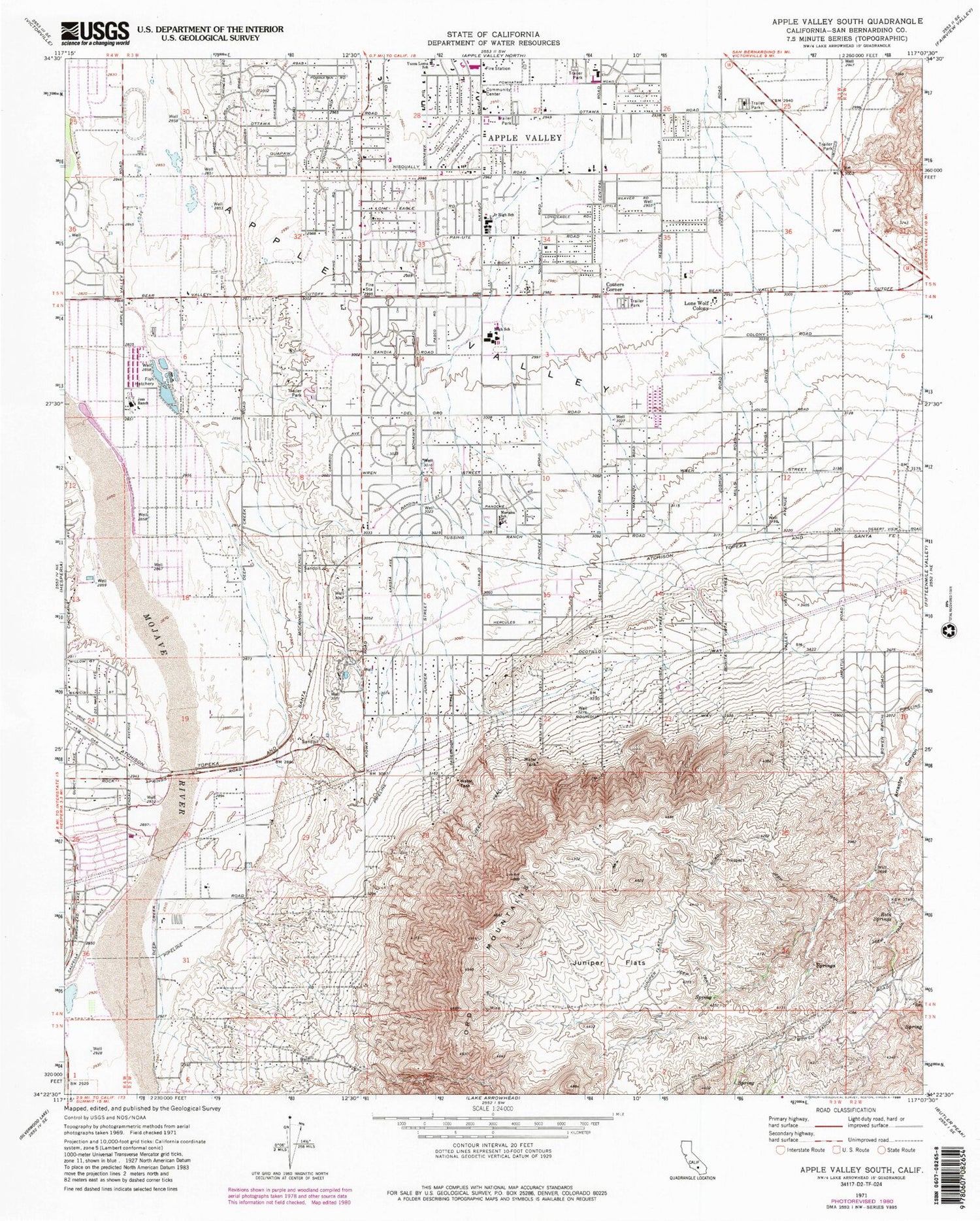
The defining feature of the Apple Valley region is the Mojave River. Unlike most rivers that flow toward the sea, the Mojave River flows inland from the San Bernardino Mountains and terminates in the Mojave Desert. Most of the time, the river flows underground through deep layers of sand and gravel, making the "river valley" appear dry to the casual observer. However, this subterranean flow is the lifeblood of Apple Valley, recharging the massive aquifers that support the town's population.
The Mojave River Basin
Apple Valley sits on the eastern edge of the Mojave River Basin. The basin is divided into several sub-basins, with Apple Valley primarily situated over the Alto (Upper) Sub-basin. This geological structure creates a natural "river valley" effect where the surrounding mountains—the San Bernardino Range to the south and various smaller desert buttes to the north and east—funnel water and sediment into the valley floor.
In 2026, water management remains a critical topic. The Mojave Water Agency manages these groundwater resources through a complex system of "adjudication," ensuring that the town of Apple Valley and its neighbors do not deplete the prehistoric aquifers. The river valley acts as a natural storage vessel, where seasonal runoff from the mountains is captured and stored safely away from the desert sun's evaporation.
High Desert Topography
Apple Valley’s elevation ranges from approximately 2,900 to 3,100 feet above sea level. This "High Desert" classification distinguishes it from the "Low Desert" areas like Palm Springs. The topography is marked by dramatic rock formations, Joshua trees, and the expansive Mojave River wash. The "Valley" aspect is most visible when looking south toward the Cajon Pass, the primary gateway that connects the High Desert to the Los Angeles Basin.
Historical Evolution: From Orchards to "Apple Valley Ranchos"
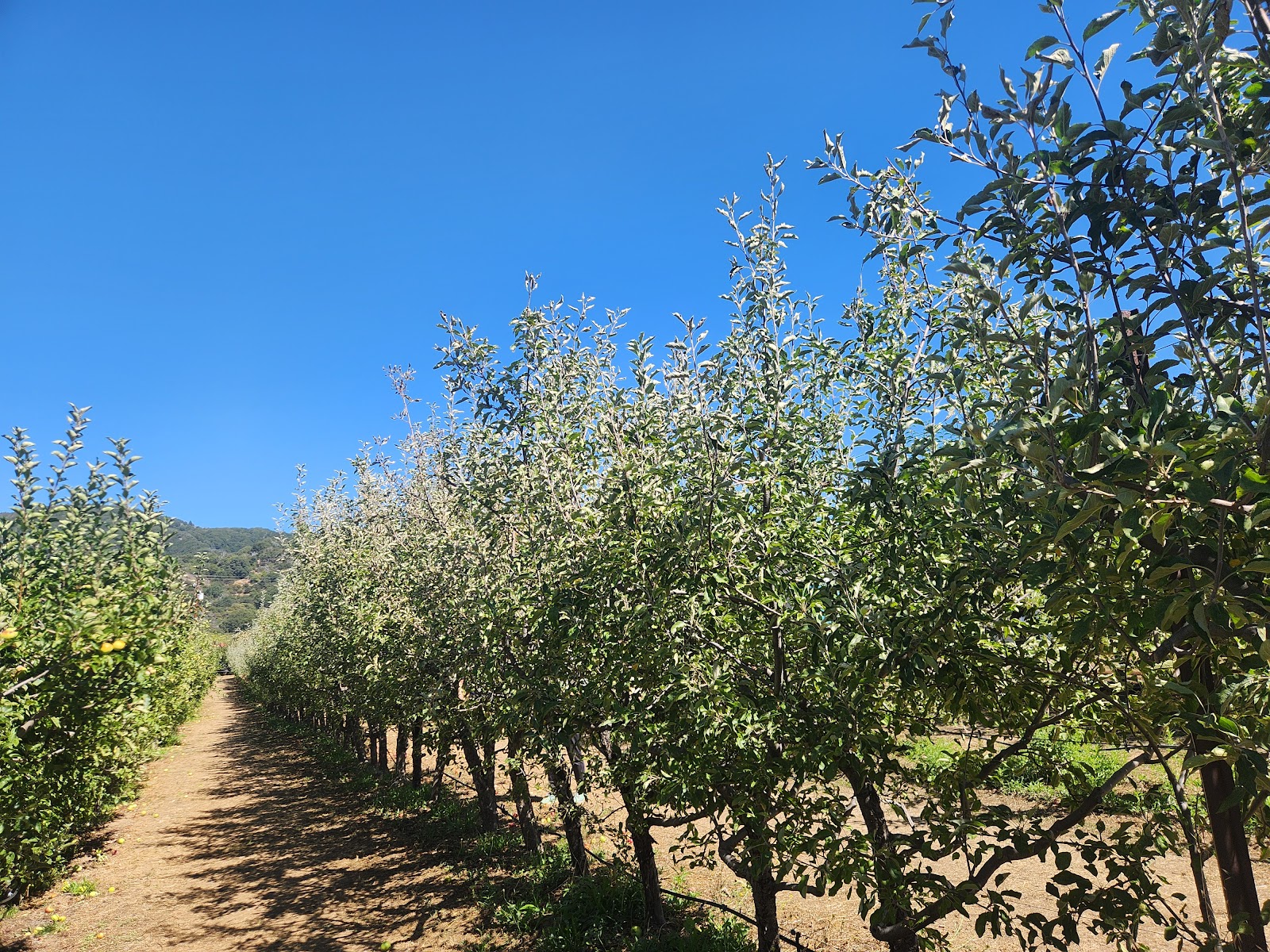
The name "Apple Valley" is a nod to a brief but significant agricultural era. In the early 20th century, the region was home to thousands of acres of apple orchards. The combination of cold winter nights (required for apple trees to "chill") and the accessible groundwater of the river valley created an ideal environment for fruit production.
The Post-War Boom and Hollywood Influence
The transition from agriculture to a residential community began in earnest after World War II. Developers Newton T. Bass and Bud Westlund envisioned a desert retreat for the Hollywood elite. They marketed the "Apple Valley Ranchos" as a place where people could escape the smog of Los Angeles and enjoy clean air and wide-open spaces.
Famous residents, most notably Roy Rogers and Dale Evans, helped cement the town’s reputation. Their presence attracted other celebrities and spurred the development of mid-century modern homes that still dot the hillsides of the Desert Knolls area today. The equestrian lifestyle remains a cornerstone of the community, with many properties in the river valley designated as horse-friendly, featuring direct access to miles of desert trails.
Real Estate and Neighborhoods in 2026
As of 2026, Apple Valley has maintained its reputation as the more affluent and spacious counterpart to its neighbors, Victorville and Hesperia. The real estate market here is characterized by larger lot sizes—often half an acre to several acres—and a commitment to "dark sky" ordinances that preserve the visibility of the stars.
Key Neighborhoods
- Desert Knolls: Located on the western side of town near the Mojave River, this area is known for its custom homes, rocky outcroppings, and proximity to the medical district.
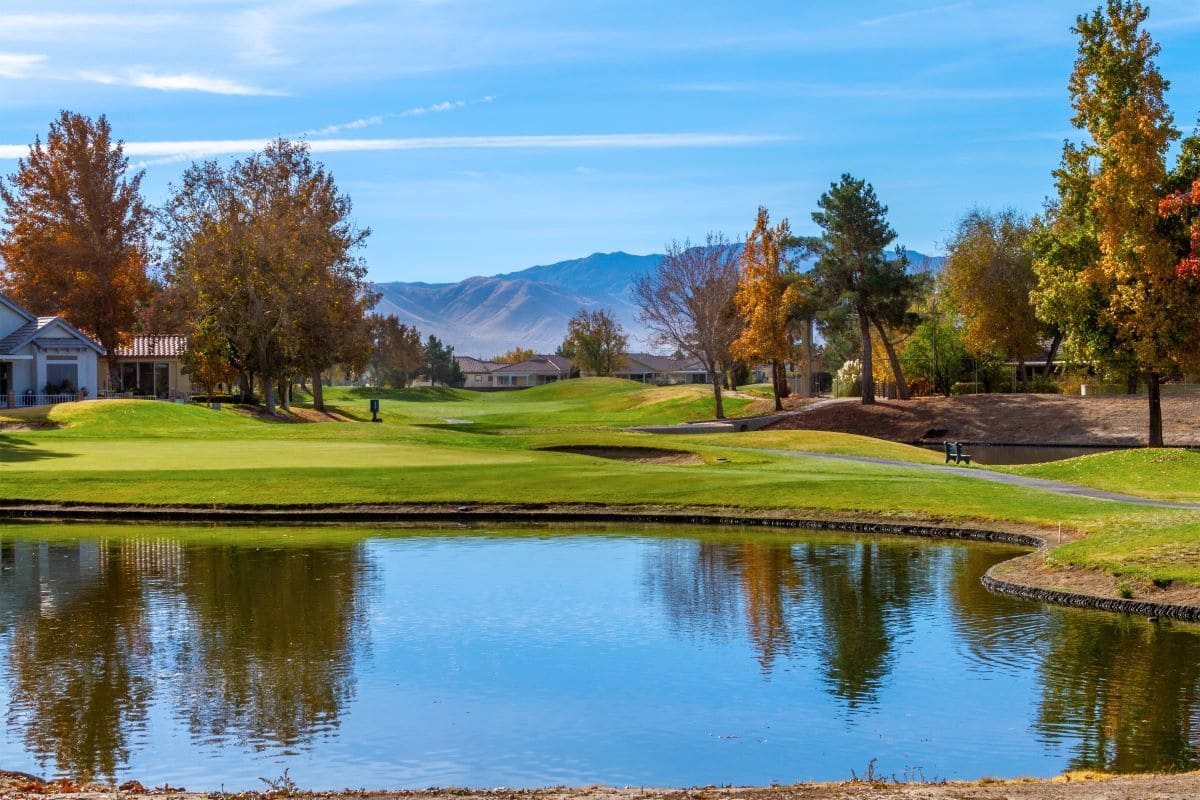
- Jess Ranch: A large, gated senior community (55+) that features its own golf course, lakes, and shopping centers. It represents the town's successful shift toward accommodating a diverse demographic of retirees.
- Sycamore Rocks: Situated to the east, this area offers a more rugged, rural feel with large parcels of land and stunning views of the surrounding desert buttes.
- Mariana Ranchos: An area known for high-end equestrian properties and sprawling estates that emphasize the "Better Way of Life" motto.
2026 Market Trends
By 2026, Apple Valley has seen a steady increase in property values due to its relatively low density compared to the "Inland Empire" below the pass. The Town of Apple Valley government has been proactive in managing growth to ensure that new developments do not overwhelm the existing infrastructure or the delicate desert ecosystem of the river valley.
Infrastructure and Economic Development
The economic landscape of Apple Valley in 2026 is driven by three main pillars: healthcare, logistics, and the burgeoning high-speed rail project.
Brightline West and the Victor Valley Station
One of the most significant developments for the region is Brightline West, the high-speed electric rail system connecting Las Vegas to Southern California. The Victor Valley station, located just west of Apple Valley, has transformed the town into a viable option for "super-commuters" and has spurred significant investment in the North Apple Valley Industrial Center (NAVIC).
The North Apple Valley Industrial Center
Apple Valley has strategically developed the northern portion of the town to accommodate large-scale logistics and distribution centers. Major corporations, including Walmart and Big Lots, have established footprints here, taking advantage of the proximity to Interstate 15 and the future rail terminal. This industrial growth provides a robust tax base, allowing the town to maintain high-quality parks and public services without the high density found in other California suburbs.
St. Mary Medical Center
The St. Mary Medical Center remains the largest employer in the town and a regional hub for healthcare. Its presence has fostered a professional medical community in the Desert Knolls area, making Apple Valley a central point for specialized care in the High Desert.
Comparison of High Desert Cities (2026 Data)
To understand Apple Valley's position within the Mojave River Valley, it is helpful to compare it to its immediate neighbors.
| Feature | Apple Valley | Victorville | Hesperia |
|---|---|---|---|
| Median Home Price (2026) | $515,000 | $445,000 | $475,000 |
| Primary Atmosphere | Residential / Equestrian | Urban / Commercial | Suburban / Commuter |
| Average Lot Size | 0.5 - 2.0 Acres | 0.15 - 0.25 Acres | 0.25 - 0.5 Acres |
| Top Industry | Healthcare / Logistics | Retail / Transportation | Construction / Logistics |
| Governance | Incorporated Town | Incorporated City | Incorporated City |
Outdoor Recreation and the Mojave River Basin
The "River Valley" geography provides a unique playground for outdoor enthusiasts. While the river itself is mostly underground, the Mojave River Basin creates a riparian corridor that supports a variety of wildlife and recreational activities.
Horsemen’s Center Park and Rock Climbing
Located on the southern edge of town, Horsemen’s Center Park is a hub for the equestrian community. It also features some of the best bouldering and rock climbing in the High Desert, with granite formations that rival those found in Joshua Tree National Park.
Deep Creek Hot Springs
Just outside the Apple Valley limits, within the San Bernardino National Forest, lies the trailhead to Deep Creek. This area is part of the Mojave River's headwaters. Deep Creek Hot Springs is a world-renowned destination for hikers and nature lovers, offering natural geothermal pools nestled in a rugged canyon.
The Mojave Riverwalk
In recent years, efforts have been made to develop the Mojave Riverwalk, a paved trail system that allows residents to walk, bike, or ride horses along the river's edge. This project highlights the community's commitment to preserving the "river valley" as a public asset rather than just an industrial or residential resource.
Environmental Stewardship and the Desert Ecosystem
Living in a river valley located in a desert requires a high degree of environmental awareness. In 2026, Apple Valley is a leader in xeriscaping—a style of landscaping that requires little to no irrigation. The town’s development codes encourage the use of native plants like creosote bushes, desert willow, and Mojave yucca.
Air Quality and Conservation
The Mojave Desert Air Quality Management District monitors the region to ensure that the clean air Bass and Westlund promised in the 1940s remains a reality. Dust control and the preservation of the "biological soil crust" are essential components of construction projects in the valley to prevent erosion and maintain the health of the Mojave River Basin.
Frequently Asked Questions
Is there actually a river in Apple Valley?
Yes, but it is primarily an underground river. The Mojave River flows on the surface only during periods of heavy rain or in specific areas where the bedrock forces the water upward, such as the Mojave Narrows. For most of its transit through Apple Valley, the "river" is a wide, sandy wash with a massive aquifer flowing beneath it.
What is the climate like in the Apple Valley river valley?
Apple Valley experiences a High Desert climate. This means summers are hot (often exceeding 100°F), but nights are significantly cooler than in the Low Desert. Winters are cold, with temperatures frequently dropping below freezing, and occasional light snowfall occurs. The valley is also known for its "windy season" in the spring.
Is Apple Valley a good place for retirees in 2026?
Apple Valley is widely considered one of the best locations for retirees in Southern California. Communities like Jess Ranch provide specialized amenities, and the town's proximity to top-tier medical facilities like St. Mary Medical Center makes it highly attractive for those seeking a slower pace of life without sacrificing access to healthcare.
How far is Apple Valley from Los Angeles?
Apple Valley is approximately 90 miles northeast of Los Angeles. Under normal traffic conditions, the drive takes about 90 minutes to two hours via Interstate 15 and the Cajon Pass. The 2026 completion of segments of the Brightline West rail system has also provided new transit options for reaching the Greater Los Angeles area.
Are there actual apple orchards in Apple Valley today?
While the large-scale commercial orchards of the 1920s are gone due to changes in water costs and climate, many residents still grow apple trees in their backyards. The town celebrates its heritage through various community events, but the "Apple" in the name is now more symbolic of its history than its current economy.
Practical Recommendations for Visitors and New Residents
For those looking to explore or move to the Apple Valley river valley in 2026, a few practical steps will ensure a better experience:
- Understand the Water Rights: If you are purchasing property, especially an equestrian ranch, verify the water rights and whether the property is on a private well or served by a water company like Liberty Utilities.
- Prepare for the Wind: The High Desert is notoriously windy. When landscaping or building, consider windbreaks and use materials that can withstand the abrasive nature of desert sand.
- Explore the Rocks: Don't miss the local parks. While many people head straight to Joshua Tree, the rock formations within Apple Valley town limits offer similar beauty with far fewer crowds.
- Stay Informed on High-Speed Rail: As Brightline West continues to evolve, stay updated on station locations and transit-oriented developments, as these will likely be the primary drivers of property value growth over the next decade.
Apple Valley remains a unique California treasure. By balancing its Hollywood-inspired "Ranchos" history with forward-thinking infrastructure and environmental conservation, it has maintained its status as the "Jewel of the High Desert" within the beautiful Mojave River Valley.