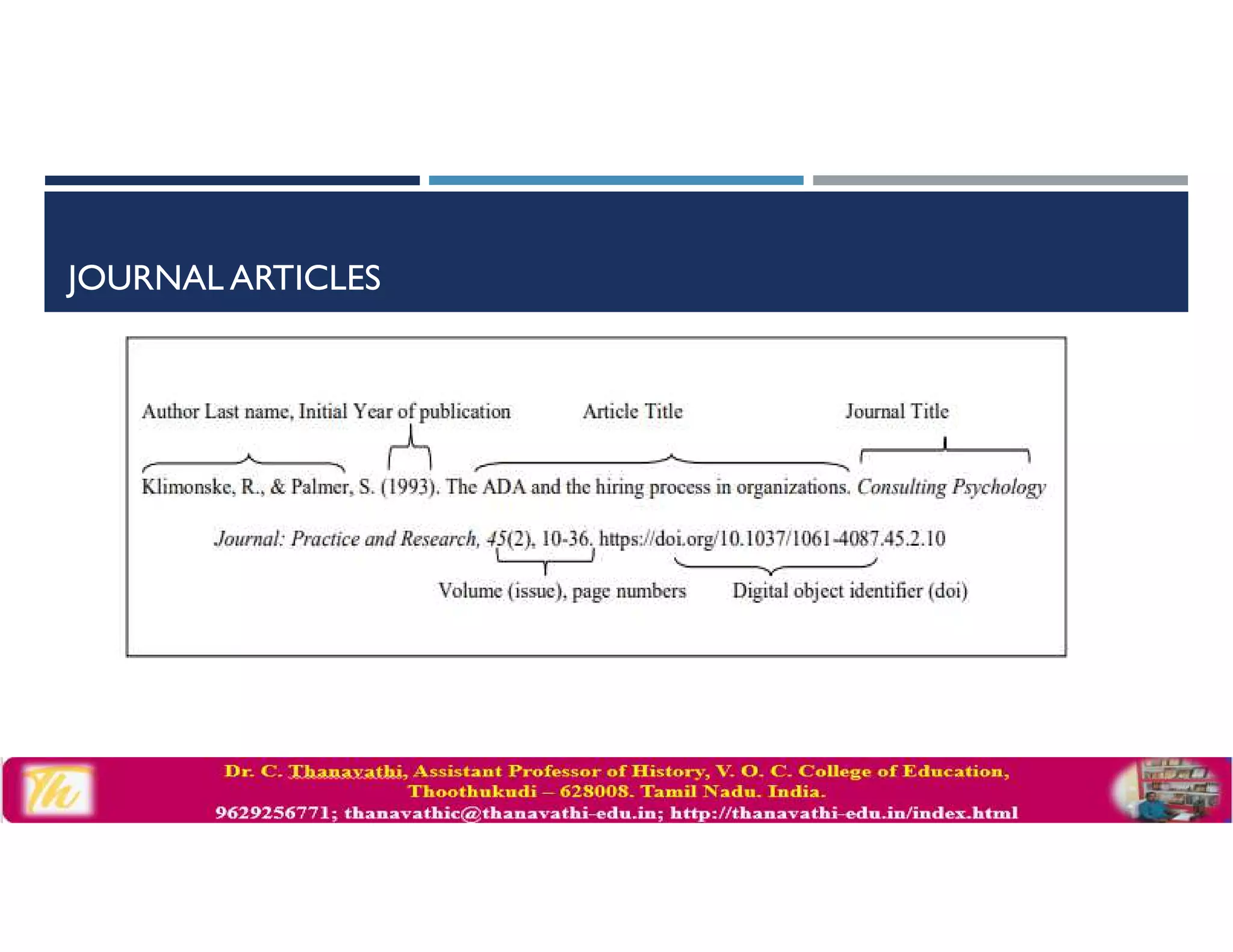
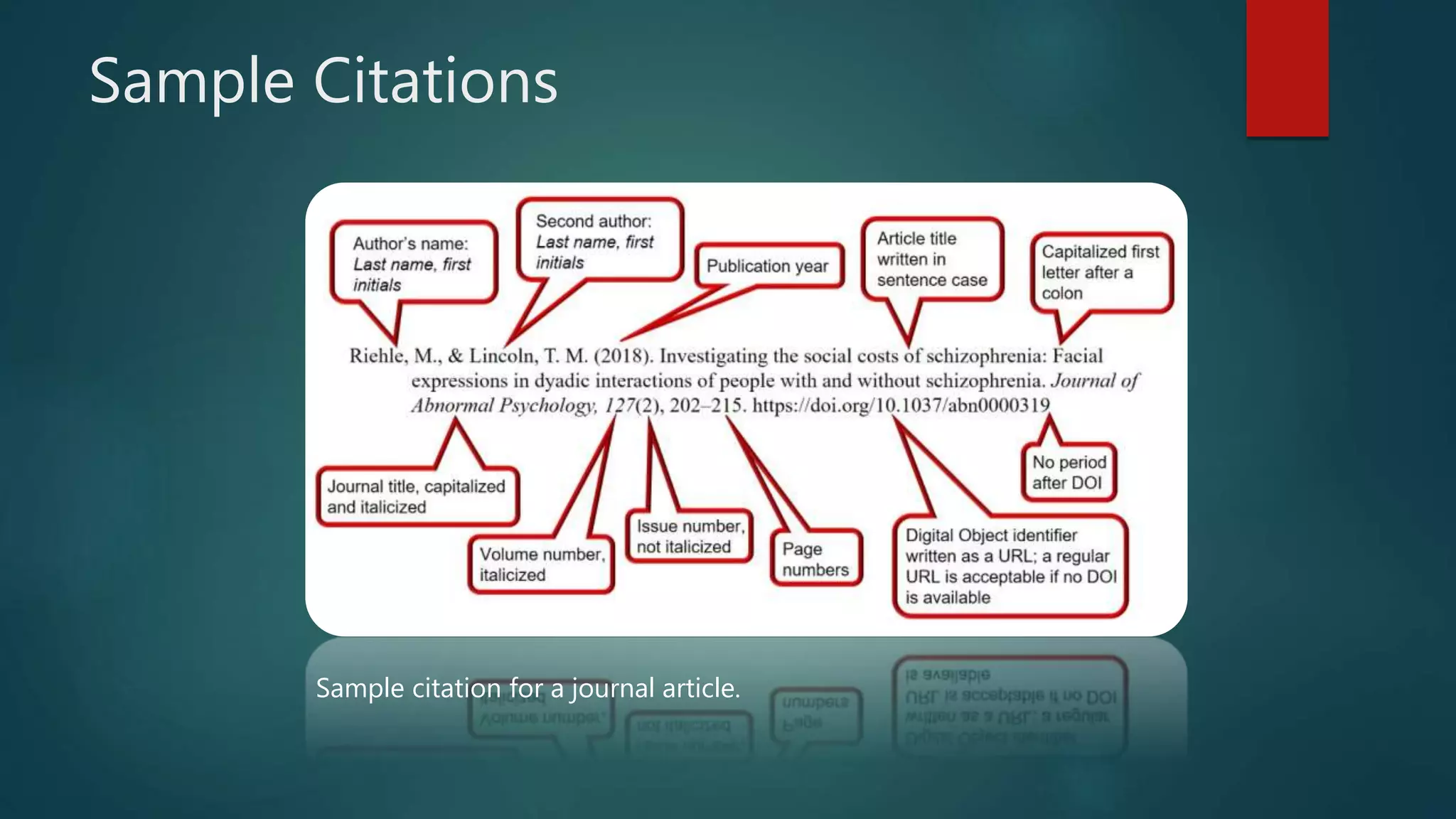
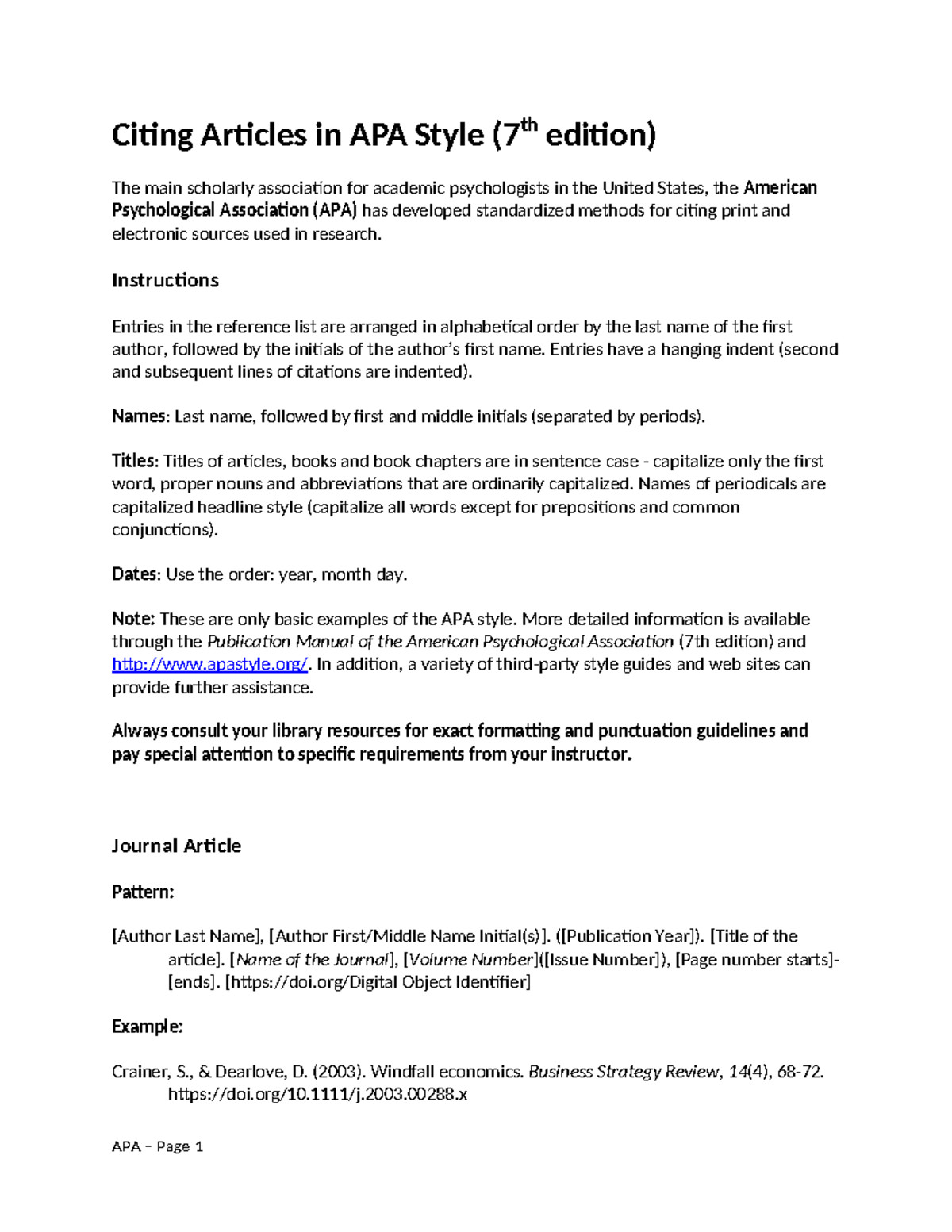
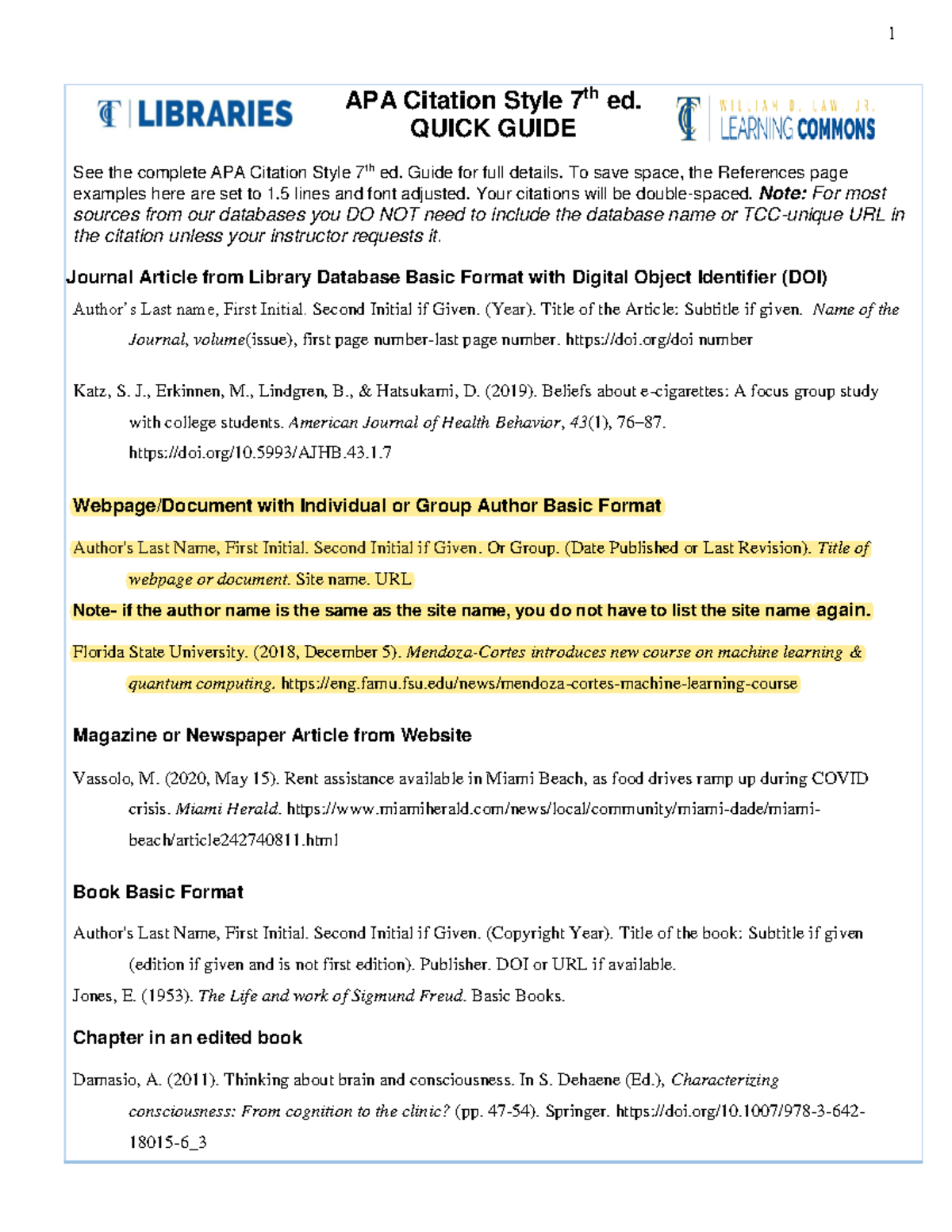
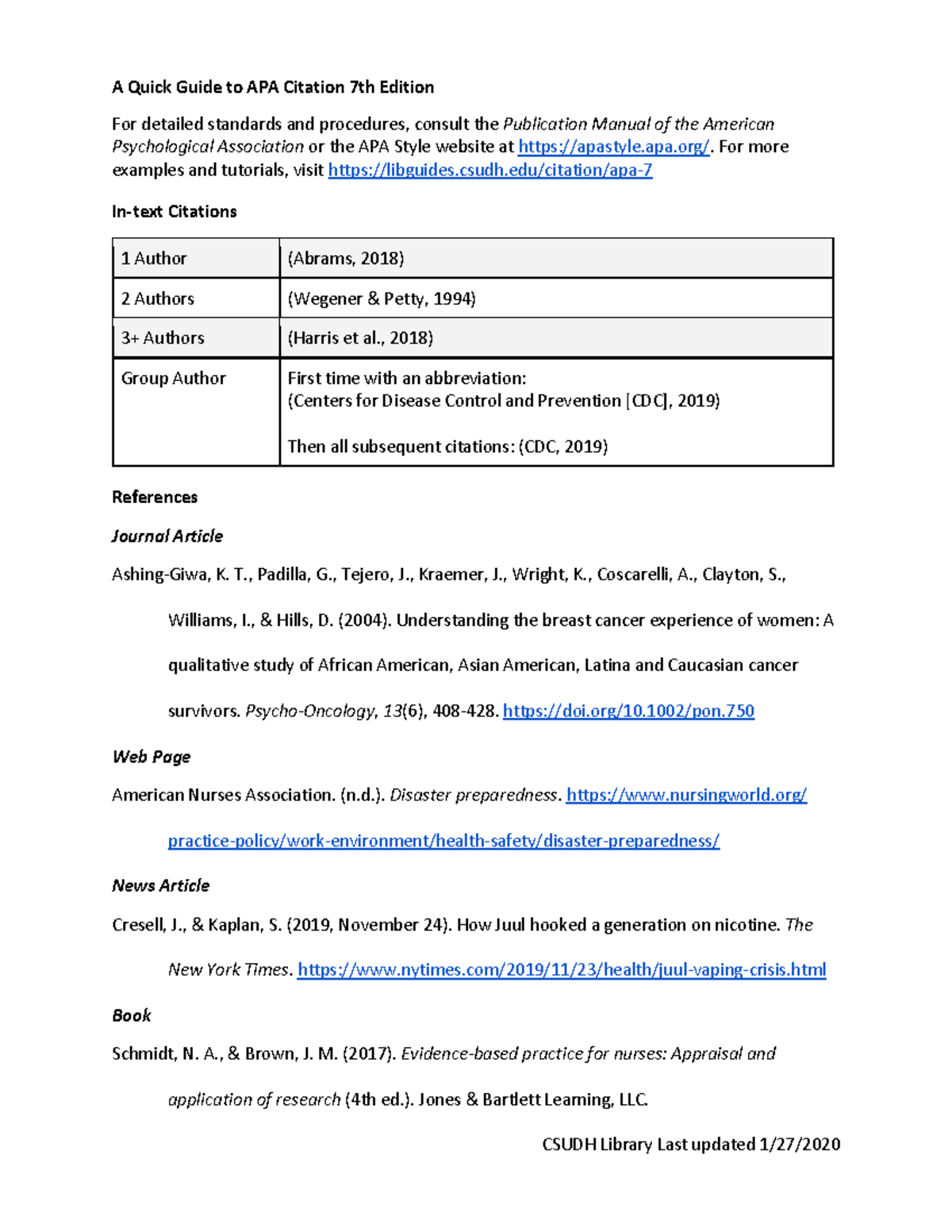
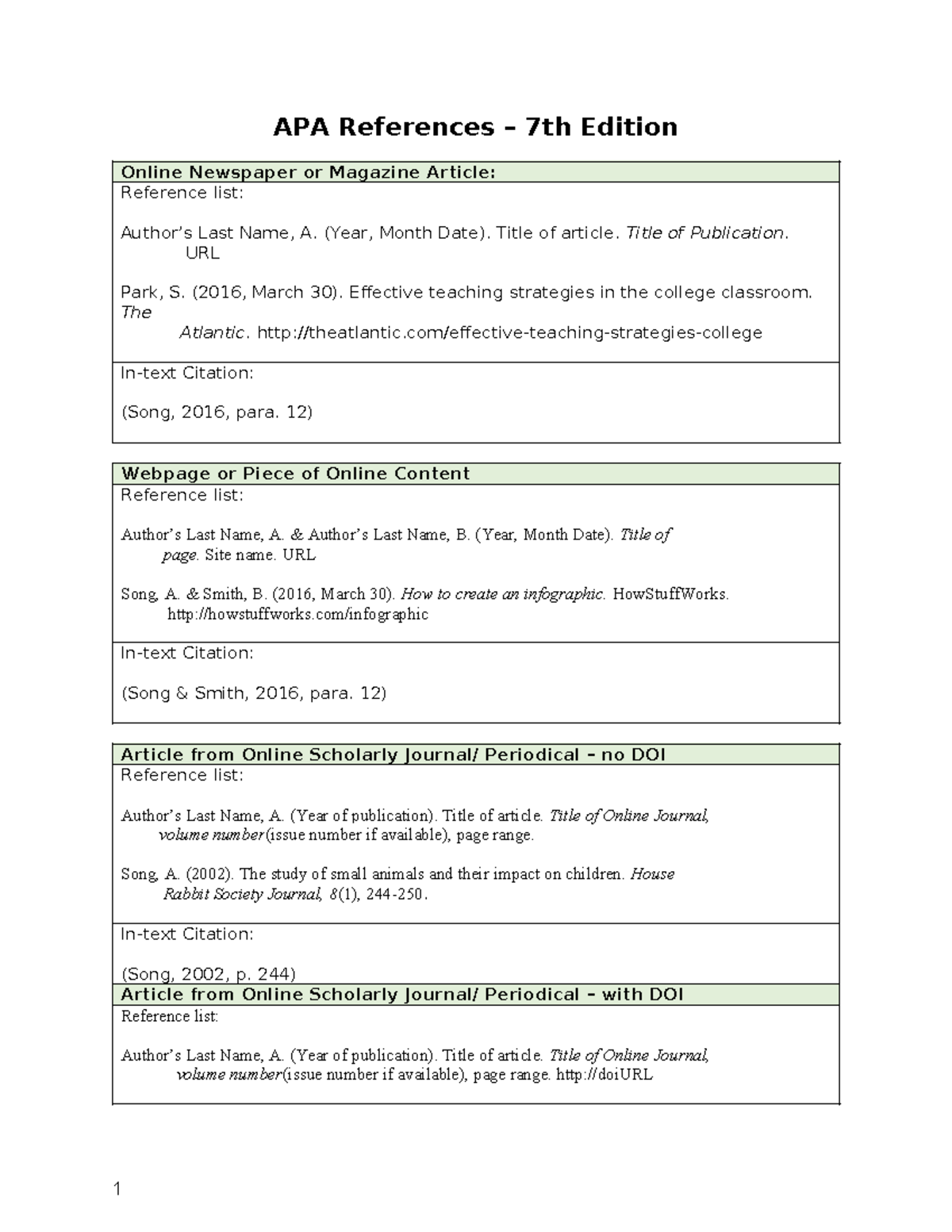
To cite a journal article in APA 7th edition, follow this standard format: Author, A. A., & Author, B. B. (Year). Title of the article. Title of the Journal, Volume(Issue), Page–Range. https://doi.org/xxxx. In-text citations include the author's last name and year (Smith, 2026). For three or more authors, use "et al." from the first mention.
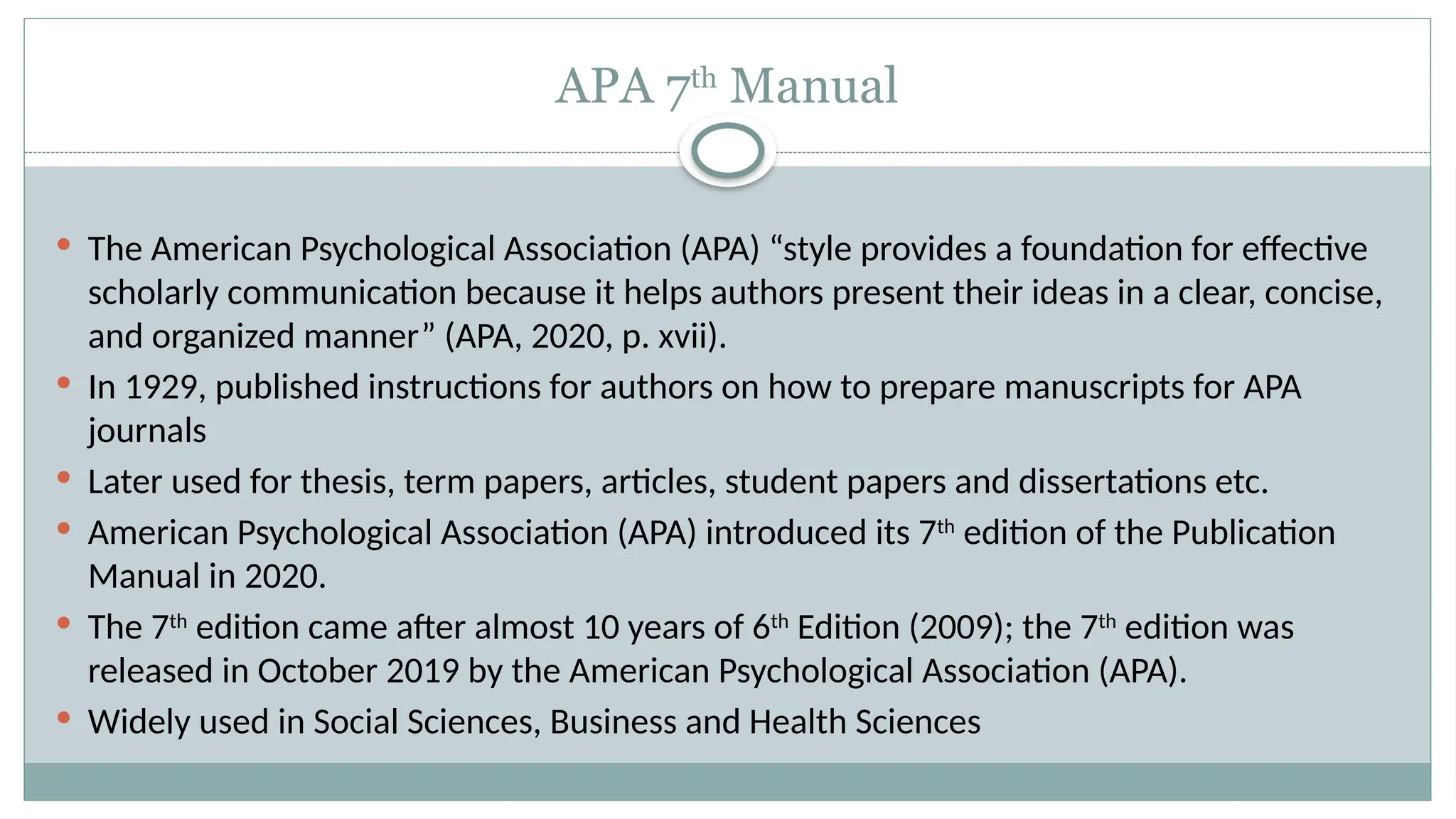
The American Psychological Association (APA) updated its style guide to the 7th edition to better reflect the digital nature of modern scholarly communication. As of 2026, these standards remain the benchmark for clarity, precision, and accessibility in social sciences, education, and nursing. Mastering the journal article citation is essential because it is the most frequent type of reference found in academic manuscripts. This guide provides an exhaustive breakdown of how to structure these citations, handle complex author scenarios, and format digital identifiers correctly.
The Essential Components of a Journal Reference
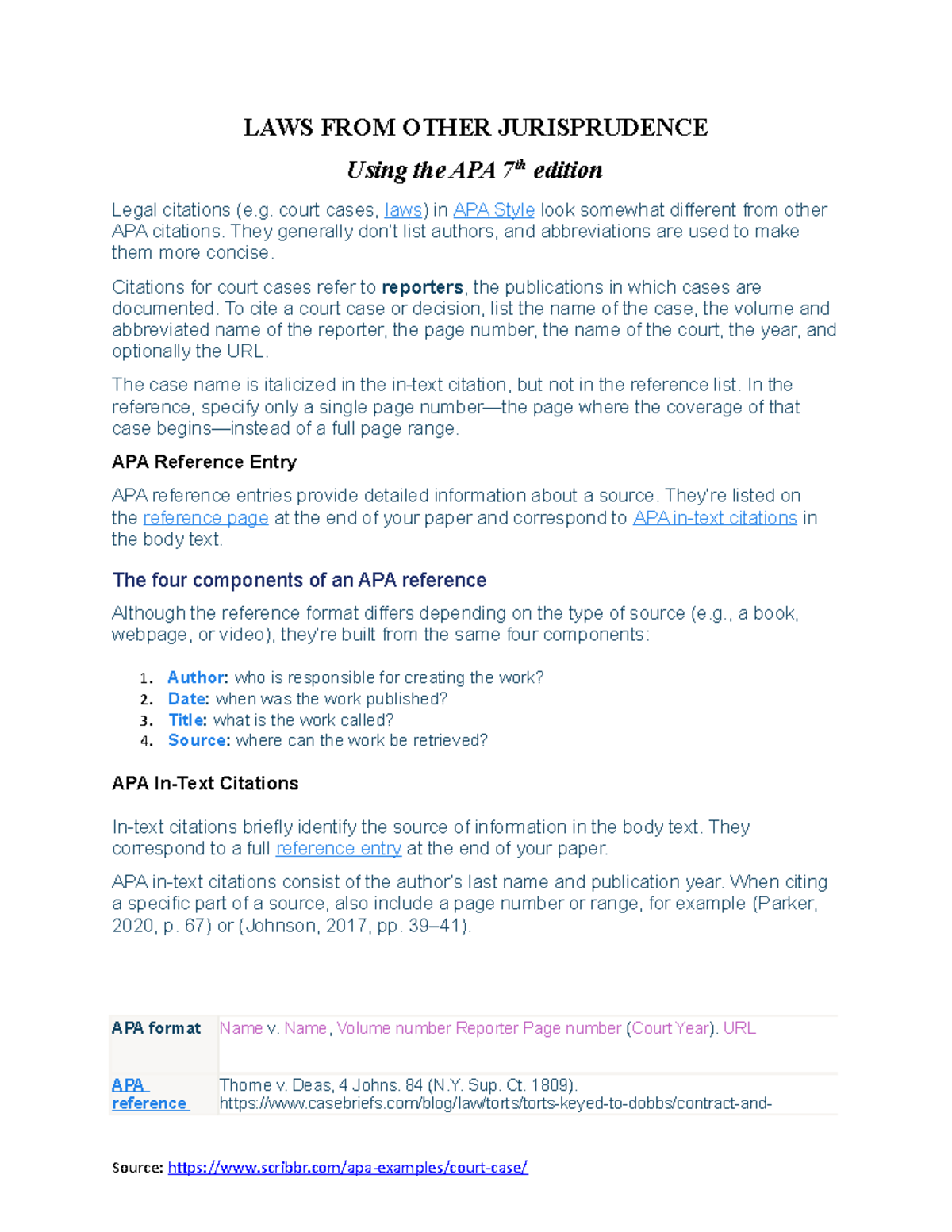
Every APA 7th edition journal citation is built upon four pillars: the author(s), the date of publication, the title of the work, and the source information. Understanding the specific formatting requirements for each of these elements is the first step toward creating a perfect reference list.
1. The Author Element
The author element identifies the individuals or groups responsible for the work. In APA 7th edition, you must provide the surnames and initials for up to 20 authors in the reference list.
- Single Author: Lastname, F. M.
- Two Authors: Lastname, F. M., & Lastname, S. S.
- Three to Twenty Authors: List all authors, using an ampersand (&) before the final name.
- More than Twenty Authors: List the first 19 authors, insert an ellipsis (. . .), and then add the final author's name. Do not use an ampersand in this specific case.
2. The Publication Date
The year of publication is enclosed in parentheses and followed by a period. For most journal articles, only the year is required, even if the journal is published monthly or weekly. If the article has been accepted for publication but is not yet published, use "(in press)". If no date is available, use "(n.d.)".
3. The Article Title
The title of the article is written in sentence case. This means you only capitalize the first word of the title, the first word of a subtitle (after a colon or dash), and any proper nouns. Do not italicize the article title or use quotation marks around it.
4. The Source Information
This element includes the journal title, volume number, issue number, and page range.
- Journal Title: Written in title case (capitalize all major words) and italicized.
- Volume Number: Also italicized and placed immediately after the journal title.
- Issue Number: Enclosed in parentheses, not italicized, and placed immediately after the volume number without a space.
- Page Range: Provide the full range of pages, separated by an en-dash (e.g., 150–175).
In-Text Citation Strategies
In-text citations point the reader to the full entry in your reference list. APA 7th edition uses the author-date system, which can be presented in two ways: parenthetical or narrative.
Parenthetical vs. Narrative Citations
A parenthetical citation places both the author and the year at the end of a sentence: (Jones, 2026). A narrative citation incorporates the author's name into the sentence structure itself: Jones (2026) argued that the data was conclusive.
Handling Multiple Authors In-Text
One of the most significant simplifications in the 7th edition involves how we handle works with three or more authors:
- One Author: (Smith, 2026)
- Two Authors: (Smith & Jones, 2026)
- Three or More Authors: (Smith et al., 2026). You use "et al." from the very first citation, unless doing so would create ambiguity between two different sources.
Citing Specific Parts
When quoting directly or referring to a specific part of an article, you must provide a page number or paragraph number. For example: (Smith, 2026, p. 12) or (Jones, 2026, para. 5). This allows researchers to verify the exact location of the evidence you are citing.
Digital Object Identifiers (DOIs) and URLs
In 2026, almost every scholarly journal article is assigned a Digital Object Identifier (DOI). This is a unique, alphanumeric string that provides a persistent link to the location of the content on the internet.
The DOI Format
APA 7th edition requires DOIs to be formatted as functional URLs. You should no longer use the prefix "DOI:" followed by the number. Instead, use the following format:
- Correct: https://doi.org/10.1037/rev0000126
- Incorrect: doi:10.1037/rev0000126
When No DOI is Available
If a journal article does not have a DOI, your next step depends on where you found it:
- Print Journal: If you read the physical copy and there is no DOI, the citation ends after the page range.
- Academic Database: If you found the article in a database like EbscoHost, Ovid, or ProQuest and it has no DOI, do not include the database URL. Most database URLs are session-specific and will not work for other readers. Treat it like a print article.
- Directly from the Web: If the article is from a website (not a database) and has no DOI, include the URL of the article's homepage at the end of the citation.
Special Cases and Variations
Not every journal article fits the standard "volume-issue-page" mold. Scholarly publishing has evolved, and your citations must adapt to these changes.
Articles with Article Numbers or eLocators
Some modern journals do not use traditional page numbers. Instead, they assign a unique article number or "eLocator." In these instances, replace the page range with the word "Article" followed by the number:
- Journal of Advanced Research, 12(4), Article 102345. https://doi.org/xxxx
Advance Online Publications
When an article has been released online ahead of its formal inclusion in a volume or issue, it is considered an "Advance Online Publication." You should include these words in the citation:
- Smith, J. (2026). Trends in digital learning. Educational Review. Advance online publication. https://doi.org/xxxx
Retracted Articles
If you are citing an article that has been retracted, you must cite the original article but include a note in brackets after the title indicating its status: [Retracted article]. It is also standard practice to cite the retraction notice itself if it provides context for your discussion.
Comparison of Journal Citation Formats
The table below summarizes how to format different types of journal articles based on their digital availability and author count.
| Article Type | In-Text Citation (First Mention) | Reference List Format |
|---|---|---|
| Standard (1-2 Authors) | (Miller & Yi, 2026) | Miller, A., & Yi, L. (2026). Title of study. Journal Name, Vol(Issue), Page–Range. DOI |
| Standard (3+ Authors) | (Miller et al., 2026) | Miller, A., Yi, L., & Tan, C. (2026). Title of study. Journal Name, Vol(Issue), Page–Range. DOI |
| No DOI (from Database) | (Miller, 2026) | Miller, A. (2026). Title of study. Journal Name, Vol(Issue), Page–Range. |
| Article Number Only | (Miller, 2026) | Miller, A. (2026). Title of study. Journal Name, Vol(Issue), Article 456. DOI |
| Group Author | (National Institute of Health, 2026) | National Institute of Health. (2026). Annual report on health. Health Journal, 5(1), 10–20. DOI |
Formatting the Reference List Page
The physical layout of your reference list is just as important as the content of the citations. APA Style requires specific visual cues to help readers navigate your sources.
- Labeling: The page should be titled "References" (bold, centered, at the top).
- Alphabetical Order: Entries must be alphabetized by the surname of the first author. If a source has no author, use the first significant word of the title.
- Hanging Indents: This is the most common formatting error. The first line of each citation should be flush left, while every subsequent line of that same citation must be indented 0.5 inches from the left margin.
- Spacing: The entire reference list should be double-spaced, both within and between entries.
- URLs and DOIs: These should be live links if the work is to be published or read digitally. Do not insert manual line breaks into a URL; most word processors will handle the wrapping automatically.
Common Mistakes to Avoid
Even experienced researchers can stumble on the nuances of APA 7th edition. To ensure your work meets the highest professional standards, watch out for these frequent errors:
- Including "Retrieved from": In the 6th edition, this phrase was required before a URL. In the 7th edition, it is omitted unless a retrieval date is necessary (which is rare for journal articles).
- Italicizing the Issue Number: Only the journal title and the volume number should be italicized. The issue number remains in plain text within parentheses.
- Title Case in Article Titles: Remember that article titles use sentence case. If you copy a citation from a database, it will often be in title case. You must manually change it to sentence case.
- Using "pp." for Journals: In APA, "p." or "pp." is used for newspapers and book chapters, but never for journal articles. Simply provide the numbers (e.g., 10–20).
- Missing DOIs: Many older articles have been assigned DOIs retrospectively. Use a service like CrossRef to search for DOIs if they aren't printed on the PDF.
Frequently Asked Questions
Do I need to include the database name in my citation?
In almost all cases, no. APA 7th edition considers the journal article to be the source, not the database (like JSTOR or PubMed) where you found it. The only exception is if the article is part of a database with limited distribution or original proprietary content that is not available elsewhere.
How do I cite a journal article with a group or corporate author?
If a government agency or organization is the author, use the full name of the organization in the author position: (World Health Organization, 2026). Do not use abbreviations in the reference list, though you may introduce an abbreviation in the in-text citation if it is well-known.
What should I do if the journal volume and issue numbers are missing?
If a journal does not use volume or issue numbers, simply omit that part of the citation. However, check carefully; many online journals place this information in the header or footer of the PDF. If only the volume is available, include it: Journal Name, 12, 45–50.
Is it okay to use shortened DOIs?
While the APA Style website acknowledges that shortened DOIs (via the shortDOI service) are acceptable if the original is excessively long, the standard practice in 2026 is to use the full DOI URL provided by the publisher to ensure maximum stability and traceability.
How do I cite a translated journal article?
If you are reading a translation, the original author remains in the author position. The translator's name is included in parentheses after the article title: Smith, J. (2026). Title in English (T. Jones, Trans.). Journal Name, Vol(Issue), Page–Range. (Original work published 2024).
What is an en-dash, and why does it matter for page ranges?
An en-dash (–) is slightly longer than a hyphen (-) and is the correct punctuation mark for ranges of values in APA Style. While many people use hyphens, professional academic editors look for the en-dash in page ranges (e.g., 10–20) to maintain style consistency.
Practical Recommendations
To maintain accuracy in your citations, it is highly recommended to use reference management software such as Zotero, Mendeley, or EndNote. These tools can automatically generate APA 7th edition citations; however, they are not infallible. You should always manually verify the "Sentence Case" for titles and the formatting of DOIs against the official APA guidelines. For the most authoritative updates, consult the Official APA Style Blog or the Publication Manual of the American Psychological Association (7th ed.). Consistent attention to these details will enhance the credibility of your research and ensure your work is easily discoverable by other scholars in your field.