To cite an article with no author in APA style, move the title of the work to the author position in your reference list. For in-text citations, use a shortened version of the title in double quotation marks followed by the year. If the work is explicitly credited to "Anonymous," use that as the author.
When conducting research in 2026, you will frequently encounter high-quality digital resources, news reports, and encyclopedic entries that do not credit a specific individual. Navigating the American Psychological Association (APA) 7th edition guidelines—which remain the gold standard for social sciences and professional writing—requires a precise understanding of how to handle these "missing" identifiers.
The primary goal of any citation is to lead the reader back to the original source. When an author’s name is absent, the title becomes the primary identifier. However, the application of this rule varies depending on whether you are formatting the full reference at the end of your paper or providing a brief pointer within your text.
Determining if a Work Truly Has No Author
Before assuming an article has no author, you must perform due diligence. In academic and professional writing, "no author" is a specific designation that is distinct from a "group author."
Group and Institutional Authors
In many cases, an organization, government agency, or corporation is responsible for the content. If a report is published by the World Health Organization or a news piece is published under the "Associated Press" masthead without a specific byline, that organization is considered the group author.
- Action: If an organization is identified as the source and no individual is named, use the organization’s name in the author position.
- Example: Centers for Disease Control and Prevention. (2025). Managing seasonal flu trends.
The "Anonymous" Designation
You should only use "Anonymous" as the author if the work is explicitly signed "Anonymous." This is common in older historical texts or specific legal/literary contexts. If the author is simply unknown or unlisted, do not use the word "Anonymous." Instead, move the title to the author position.
Formatting the Reference List Entry
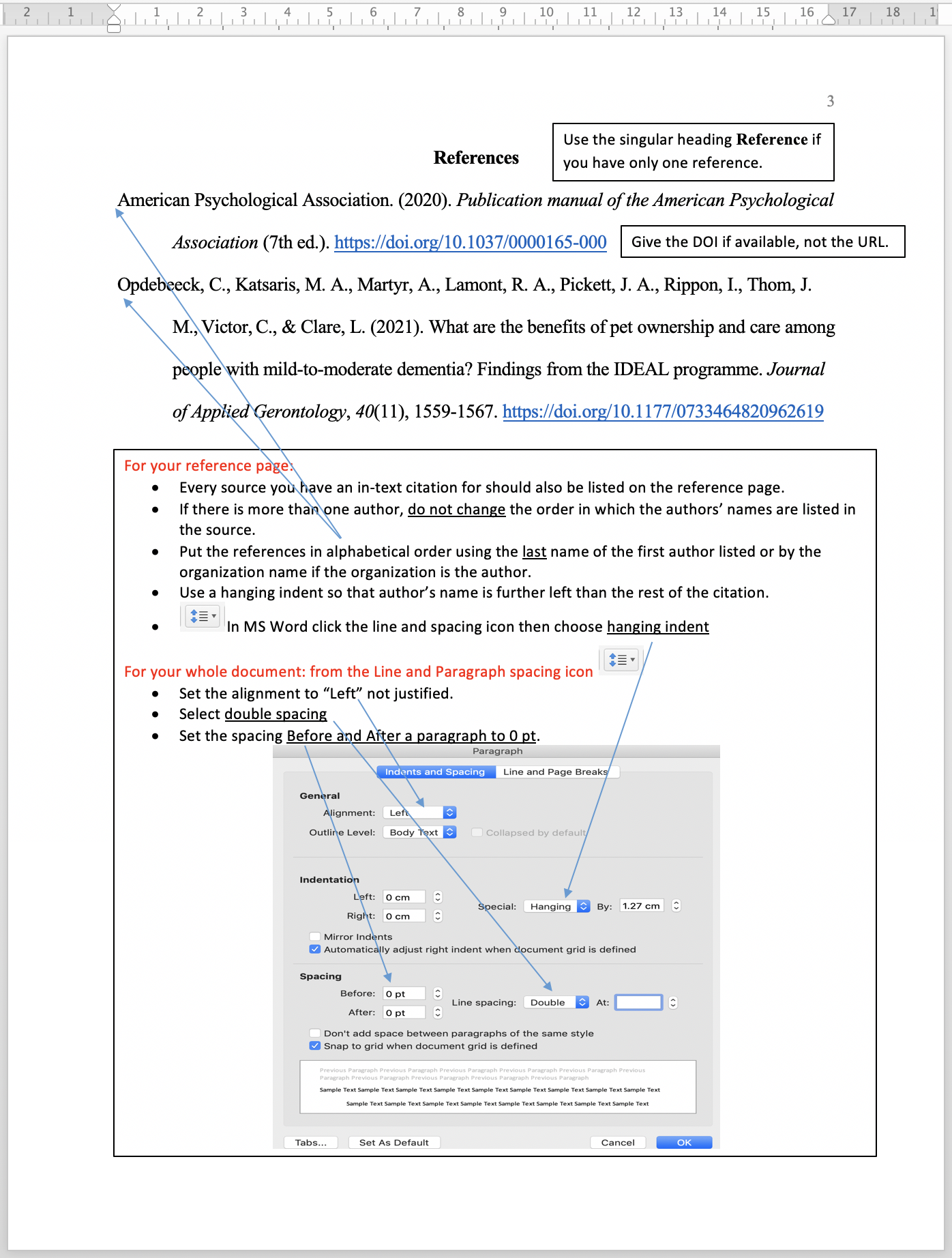
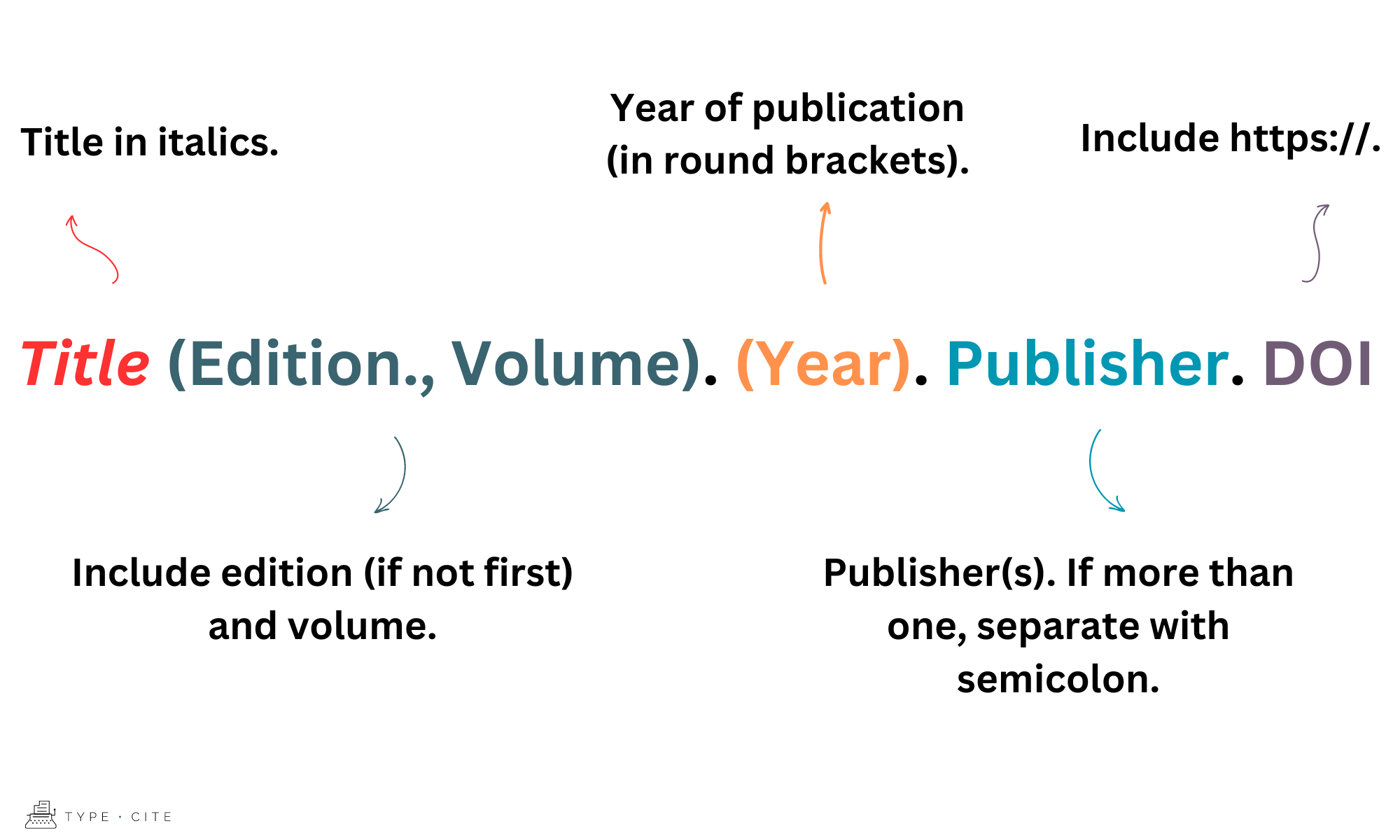
The reference list provides the full details necessary for a reader to locate the source. When the author is missing, the entry undergoes a structural shift. The standard formula (Author, Date, Title, Source) becomes Title, Date, Source.
The Structural Components
- Title of the Article: This moves to the very beginning. Use sentence case, meaning you only capitalize the first word of the title, the first word of the subtitle (after a colon), and any proper nouns.
- Date of Publication: Place this in parentheses immediately following the title. Include the year, and for news articles or blog posts, include the month and day. Use "(n.d.)" if no date is available.
- Source/Periodical Title: Use the name of the website, newspaper, or journal. This should be in italics and use title case (capitalize all major words).
- URL or DOI: Provide the direct link to the article. As of 2026, APA guidelines suggest omitting "Retrieved from" unless a retrieval date is necessary for frequently changing content (like a live data dashboard).
Example: Online News Article with No Author
- Reference: New exploration robots reaching the lunar south pole. (2026, March 14). Space Frontiers. https://www.spacefrontiers.com/lunar-robots-2026
Example: Encyclopedia Entry with No Author
- Reference: Quantum entanglement. (2024). In The New World Encyclopedia. https://www.newworldencyclopedia.org/quantum-entanglement
Formatting In-Text Citations
In-text citations point the reader to the specific entry in the reference list. When there is no author, the citation uses the title to create the link.
Using Quotation Marks
For articles, chapters, or web pages, place the shortened title in double quotation marks. Note that while the reference list uses sentence case, the in-text citation uses title case for the words you include.
- Full Title: "Economic impacts of autonomous transit in urban centers"
- In-Text Citation: ("Economic Impacts," 2026)
Shortening Long Titles
You do not need to include the entire title in the parenthetical citation. Use the first few words—enough for the reader to easily find the entry in the alphabetically sorted reference list.
- Full Title: "Guidelines for the ethical use of artificial intelligence in undergraduate nursing programs"
- Shortened Citation: ("Guidelines for Ethical Use," 2025)
Italics vs. Quotation Marks
The formatting of the title in your in-text citation depends on the type of work:
- Quotation Marks: Used for articles, web pages, and book chapters.
- Italics: Used for books, reports, brochures, or entire websites that have no author.
| Source Type | In-Text Citation Format | Reference List Author Position |
|---|---|---|
| Journal Article | ("Title of Article," Year) | Title of article. (Year). |
| Newspaper Piece | ("Shortened Title," Year) | Title of article. (Year, Month Day). |
| Web Page | ("Shortened Title," Year) | Title of page. (Year, Month Day). |
| Book/Report | (Title of Book, Year) | Title of book. (Year). |
| Encyclopedia | ("Entry Name," Year) | Entry name. (Year). |
Alphabetizing the Reference List
Sorting your reference list is a critical step for accessibility. When an entry starts with a title instead of an author, you must alphabetize it based on the first significant word of that title.
Ignoring Articles (A, An, The)
When alphabetizing, ignore "A," "An," and "The" at the beginning of a title. Use the next word to determine its placement.
- Example: An entry titled "The Future of Solar Energy" would be alphabetized under F, not T.
- Example: An entry titled "A Comprehensive Guide to APA" would be alphabetized under C, not A.
Handling Numbers
If a title begins with a number (e.g., "10 Ways to Improve Writing"), alphabetize it as if the number were spelled out ("Ten").
Common Scenarios and Special Cases
In professional and academic research environments in 2026, you will often encounter specific digital formats that require nuanced application of these rules.
Citing Online Dictionary or Thesaurus Entries
Dictionaries rarely have a single individual author. In most cases, the publisher (e.g., Merriam-Webster) is the group author. However, if the publisher is also the source, you can treat it as a "no author" situation or use the group author.
- Reference List: Professionalism. (n.d.). In Oxford English Dictionary. https://www.oed.com/professionalism
- In-Text: ("Professionalism," n.d.)
Legal and Government Documents
Many legal documents (statutes, court cases) do not have authors in the traditional sense. These follow specialized APA legal citation formats which often resemble the "no author" rule by starting with the name of the act or the case.
- In-Text: (Clean Energy Act, 2024)
Missing Dates and No Author
If an article has neither an author nor a date, combine the strategies.
- Reference List: Title of article. (n.d.). Website Name. URL
- In-Text: ("Title of Article," n.d.)
Quality Control: Verification and Troubleshooting
Accurate citations reflect the integrity of your research. Use this checklist to verify your "no author" citations:
- Check for an Organization: Have you looked at the "About Us" or the footer of the site to see if an organization should be credited as the group author?
- Verify the Title Case: Does your in-text citation use Title Case inside the quotation marks, even if the reference list uses sentence case?
- Check Punctuation: In the in-text citation, is the comma placed inside the closing quotation mark? (e.g., "Title," 2026).
- Audit the URL: Does the URL work? In 2026, broken links are a major point of friction in academic peer reviews. Use a DOI (Digital Object Identifier) whenever available, as these are permanent.
Frequently Asked Questions
1. What if I am citing two different articles with no author that have the same title?
If the titles are identical, include the year to differentiate them in the reference list. If the titles and years are identical, include a lowercase letter after the year (e.g., 2026a, 2026b) and use these same letters in your in-text citations. This ensures the reader knows exactly which source you are referencing.
2. Should I capitalize every word in the title when it is in the author position of the reference list?
No. When a title moves to the author position in the reference list, it follows sentence case rules. Capitalize only the first word, the first word after a colon, and proper nouns. Save the Title Case (capitalizing all major words) for the in-text citation parenthetical.
3. If I use a shortened title in-text, how short should it be?
APA suggests using the first two or three words. The goal is to provide enough information so the reader can find the full title in your alphabetically ordered reference list. If you have multiple articles starting with "Global Warming," you might need to use four or five words to make the distinction clear.
4. Can I use the URL in the in-text citation if there is no author?
No. Never use the URL in place of an author or title in an in-text citation. It is visually disruptive and does not follow APA standards. Use the title of the work as the identifier.
5. How do I cite a social media post with no author?
On platforms like X (formerly Twitter) or Instagram, the "author" is usually the handle or username. If there is no real name provided, use the handle (e.g., @NASA) in the author position. If there is neither a name nor a handle (rare for social media), use the first 20 words of the post as the title.
Final Recommendation
When citing an article with no author, accuracy in your reference list is paramount to maintaining the "findability" of your sources. Always prioritize checking for a group or institutional author first, as this is the most common oversight in modern citations. If no such entity exists, proceed with the title-first method, ensuring your in-text citations use quotation marks and Title Case for clarity. For complex projects, using a citation manager updated for 2026 standards can help automate the alphabetization of these title-entry references, reducing the risk of manual errors in your final bibliography.