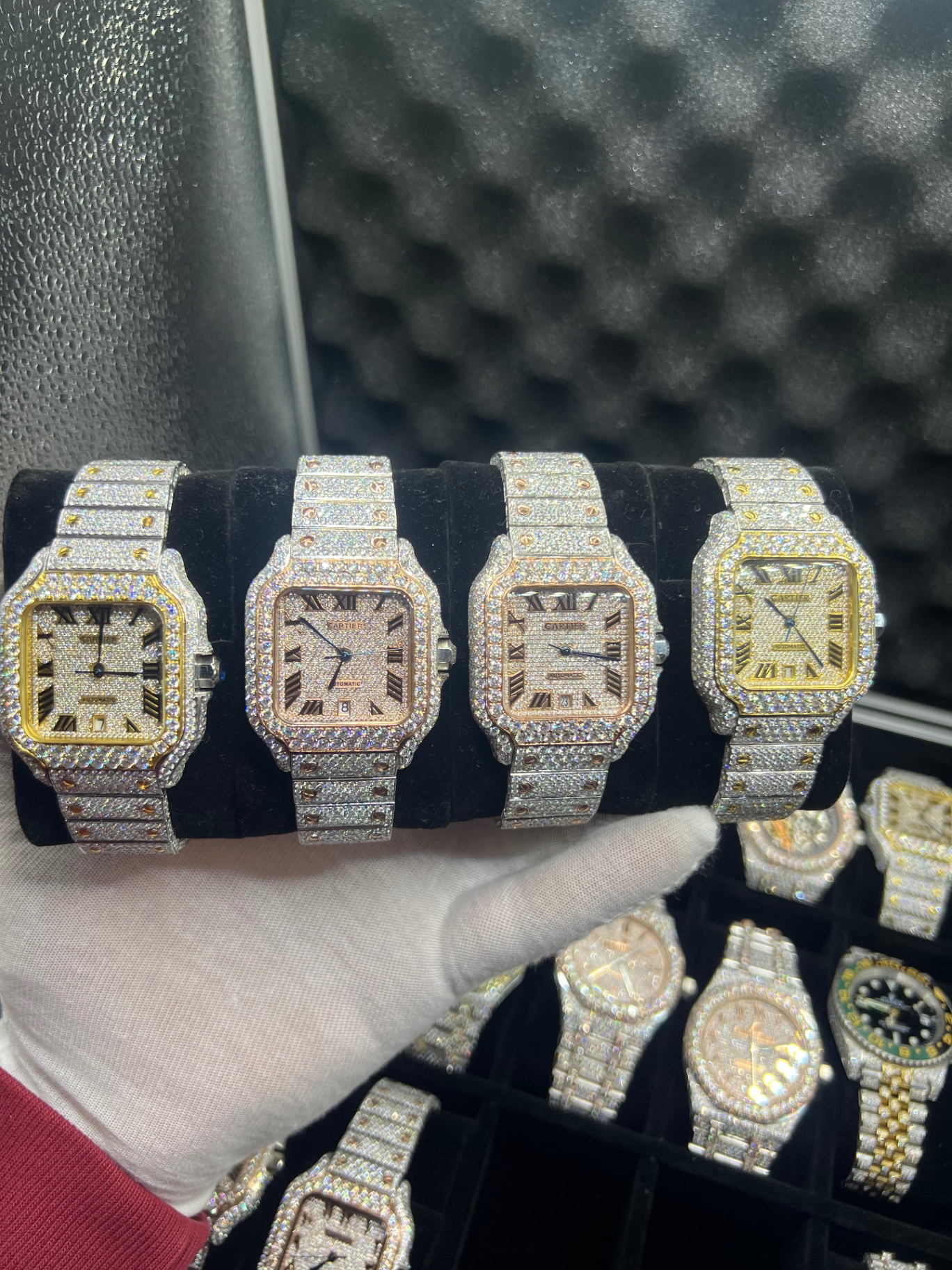
As of 2026, AP the Jeweler’s net worth is estimated to be between $8 million and $12 million. This valuation accounts for his high-volume retail operations in Atlanta, an extensive inventory of natural diamonds and precious metals, and the significant brand equity built through high-profile collaborations with elite rappers and professional athletes.
The world of celebrity jewelry is as much about social currency as it is about liquid assets. For Ahmad Abu-Zahra, known professionally as AP the Jeweler, the journey from a dedicated craftsman to a household name in the hip-hop community represents a masterclass in niche branding. His financial standing is not merely a reflection of gold and stone sales but a result of a vertically integrated business model that leverages viral marketing and a loyal, high-net-worth clientele.
The Origins of a Jewelry Empire
To understand the financial foundations of AP the Jeweler, one must look at the competitive landscape of the Atlanta jewelry market. Unlike traditional retail jewelers who rely on foot traffic and standard engagement ring sales, AP positioned himself within the "custom" tier. This sector requires significant upfront capital to acquire high-quality "VS" and "VVS" clarity diamonds before a single sale is even made.
Starting his career with a focus on precision and reliability, AP distinguished himself by offering a level of accessibility that older, more established "big-box" luxury brands lacked. His ability to translate complex artist visions—such as 3D-molded pendants and articulated diamond chains—into physical reality allowed him to charge a premium for labor and design, which often exceeds the raw material cost of the jewelry itself.
By 2026, his flagship location in Atlanta has become a destination for more than just jewelry; it is a hub for the "iced out" aesthetic that dominates modern pop culture. This physical asset, combined with a robust digital presence, forms the bedrock of his multi-million dollar valuation.
Breaking Down the $12 Million Valuation
Calculating the net worth of a private business owner in the luxury sector requires analyzing several distinct revenue streams and asset classes. AP the Jeweler’s wealth is categorized into three primary pillars: physical inventory, brand equity, and real estate/operational assets.
Physical Inventory and Sourcing
The most significant portion of AP’s net worth is tied up in "floating" assets—diamonds, gold bullion, and watches. In the 2026 market, the price of gold has seen steady appreciation as a hedge against inflation, while the demand for natural, GIA-certified diamonds remains high among the ultra-wealthy.
AP maintains a rotating inventory that is estimated to be worth several million dollars at any given time. This includes:
- Loose Diamonds: A collection of high-carat stones used for custom commissions.
- Luxury Timepieces: Heavily customized Rolex, Patek Philippe, and Audemars Piguet watches, which often double in value once "flooded" with high-quality diamonds.
- Finished Goods: Ready-to-wear chains and bracelets that serve as liquid assets.
Brand Equity and Influence
In the luxury trade, "Goodwill" is a legitimate accounting term representing the value of a brand’s reputation. AP the Jeweler has built a brand that allows for higher margins. When a client like Kodak Black or a top-tier NFL player showcases an "AP piece," the marketing value generated is equivalent to millions in traditional advertising. This influence ensures a steady pipeline of commissions, reducing the cost of customer acquisition to nearly zero.
Operational Infrastructure
Beyond the jewelry, the business requires high-level security, specialized insurance, and advanced manufacturing technology. The 2026 valuation includes the state-of-the-art machinery used for 3D printing molds and laser-setting stones, which allows the shop to keep production in-house, thereby increasing profit margins compared to jewelers who outsource their labor.
The Business Model of Celebrity Customization
AP the Jeweler does not operate on the thin margins of a typical retail store. The custom jewelry business model is built on three specific phases of revenue generation:
- The Design Fee: Clients pay for the exclusivity of a one-of-one piece. This covers the CAD (Computer-Aided Design) work and the artistic direction.
- Material Markup: While the jeweler buys gold and diamonds at wholesale or "trade" prices, they are sold to the client at a premium. In 2026, with the rising popularity of large-scale "iced out" pendants, these markups can be substantial.
- Maintenance and Upgrades: Luxury jewelry requires cleaning, prong tightening, and occasional appraisals. Furthermore, many clients "trade up," returning older pieces to fund more expensive commissions, allowing AP to profit from the same capital multiple times.
Market Comparison: AP vs. The Industry
To put AP’s $8M–$12M net worth into perspective, it is helpful to compare his market position with other industry titans.
| Feature | AP the Jeweler | Standard Luxury Retailer | High-End Global Brands (e.g., Tiffany) |
|---|---|---|---|
| Primary Audience | Hip-Hop/Athletes | General Public | Ultra-High-Net-Worth/Bridal |
| Customization Level | 100% Bespoke | Limited/Modular | Low/Standardized |
| Inventory Turnover | High (Rapid viral sales) | Moderate | Low (Seasonal) |
| Profit Margins | 30% - 50% | 15% - 25% | 50%+ (Due to brand premium) |
| Key Asset | Social Influence | Store Location | Heritage & History |
Impact of 2026 Market Trends on His Wealth
The year 2026 has brought specific shifts to the jewelry industry that have directly impacted AP’s bottom line. One of the most significant factors is the stabilization of the lab-grown diamond market. While many "purist" jewelers initially resisted lab-grown stones, the market in 2026 has bifurcated.
AP the Jeweler has successfully navigated this by doubling down on natural, investment-grade diamonds for his high-end clientele while offering high-quality lab alternatives for his "entry-level" custom pieces. This strategy expanded his total addressable market without devaluing his brand. By catering to both the million-dollar commission and the $10,000 "starter" piece, he has created a diversified income stream that protects his net worth from fluctuations in specific market segments.
Furthermore, the rise of blockchain-based "Digital Certificates of Authenticity" has helped AP secure his business. By 2026, every major piece leaving his shop is likely accompanied by a digital twin or NFT-based record of ownership and diamond grading. This reduces the risk of fraud and increases the resale value of his pieces, further cementing his reputation as a trusted authority.
The "Kodak Black" Effect and Viral Growth
One cannot discuss AP the Jeweler’s financial rise without mentioning his association with major celebrities. When Kodak Black gifted a $50,000 "Sniper Gang" chain or commissioned massive, multi-kilo pieces, it wasn't just a sale; it was a global endorsement.
These relationships function as a form of "influencer marketing" but on a much more durable scale. In 2026, the cost of a 30-second Super Bowl ad is astronomical, yet a single Instagram post from a trending artist wearing an AP piece can generate more direct sales for the jeweler than a traditional ad campaign ever could. This efficiency in marketing is a major reason why his personal wealth has outpaced many older, more traditional jewelry firms in the Atlanta area.
Challenges to Wealth Retention
While the trajectory for AP the Jeweler has been overwhelmingly positive, maintaining a net worth in the tens of millions in this industry comes with high overhead and significant risks:
- Security Costs: Operating a high-profile jewelry business requires 24/7 armed security, armored transport for goods, and incredibly high insurance premiums. These "cost of doing business" expenses can eat into annual profits.
- Market Volatility: The price of gold and diamonds is subject to global economic shifts. A sudden drop in raw material value can decrease the paper value of a jeweler's inventory overnight.
- Client Concentration: Because a significant portion of revenue comes from a small group of high-spending individuals, any shift in the financial health of the sports or music industries can impact the jeweler.
Despite these challenges, AP's diversification into real estate and his own proprietary designs has provided a buffer that ensures his financial stability through 2026 and beyond.
Frequently Asked Questions
How did AP the Jeweler get his name?
The "AP" in his name is a reference to both his initials and the prestigious watch brand Audemars Piguet, which is a staple in the luxury jewelry world. Over time, the moniker became his official professional brand, synonymous with high-end customization in the Atlanta scene.
Where is AP the Jeweler’s shop located?
His primary base of operations is in Atlanta, Georgia. This location is strategic, as Atlanta is considered the "capital of hip-hop," providing him with direct access to his primary client base of musicians, producers, and athletes who live and work in the city.
Does AP the Jeweler use real diamonds?
Yes, his reputation is built on the use of natural, high-clarity diamonds, typically in the VS (Very Slightly Included) to VVS (Very, Very Slightly Included) range. While the market for lab-grown diamonds has grown by 2026, his most famous and expensive pieces are crafted with natural stones that hold their value as commodities.
What is the most expensive piece AP the Jeweler has made?
While specific prices are often kept private for security reasons, AP has been known to work on "mega-pieces" valued at over $500,000. These often involve hundreds of carats of diamonds and massive amounts of 14k or 18k gold, sometimes taking months of labor to complete.
How can I verify if an AP the Jeweler piece is authentic?
Authentic pieces from AP usually come with specific hallmarks, grading certificates for the stones (such as GIA or IGI), and, as of 2026, often include a digital record of the transaction. Purchasing directly from his official showroom or verified website is the only way to guarantee authenticity.
Practical Recommendation for Buyers and Investors
If you are looking to enter the world of high-end jewelry or are considering a custom commission from a jeweler like AP, it is essential to view the purchase through both an aesthetic and a financial lens.
Focus on "The Big Three": When commissioning a piece to ensure it retains its value within your own net worth, focus on the Gold Weight, Diamond Quality (Clarity/Color), and Craftsmanship. While "labor" and "brand premium" do not always hold their value in a resale market, the raw materials do.
For those looking to build wealth similar to a celebrity jeweler, the lesson from AP the Jeweler is clear: success comes from finding a specific, underserved audience and providing them with a level of service and "cool factor" that cannot be replicated by a generic corporation. In 2026, personal branding is the ultimate multiplier of net worth.