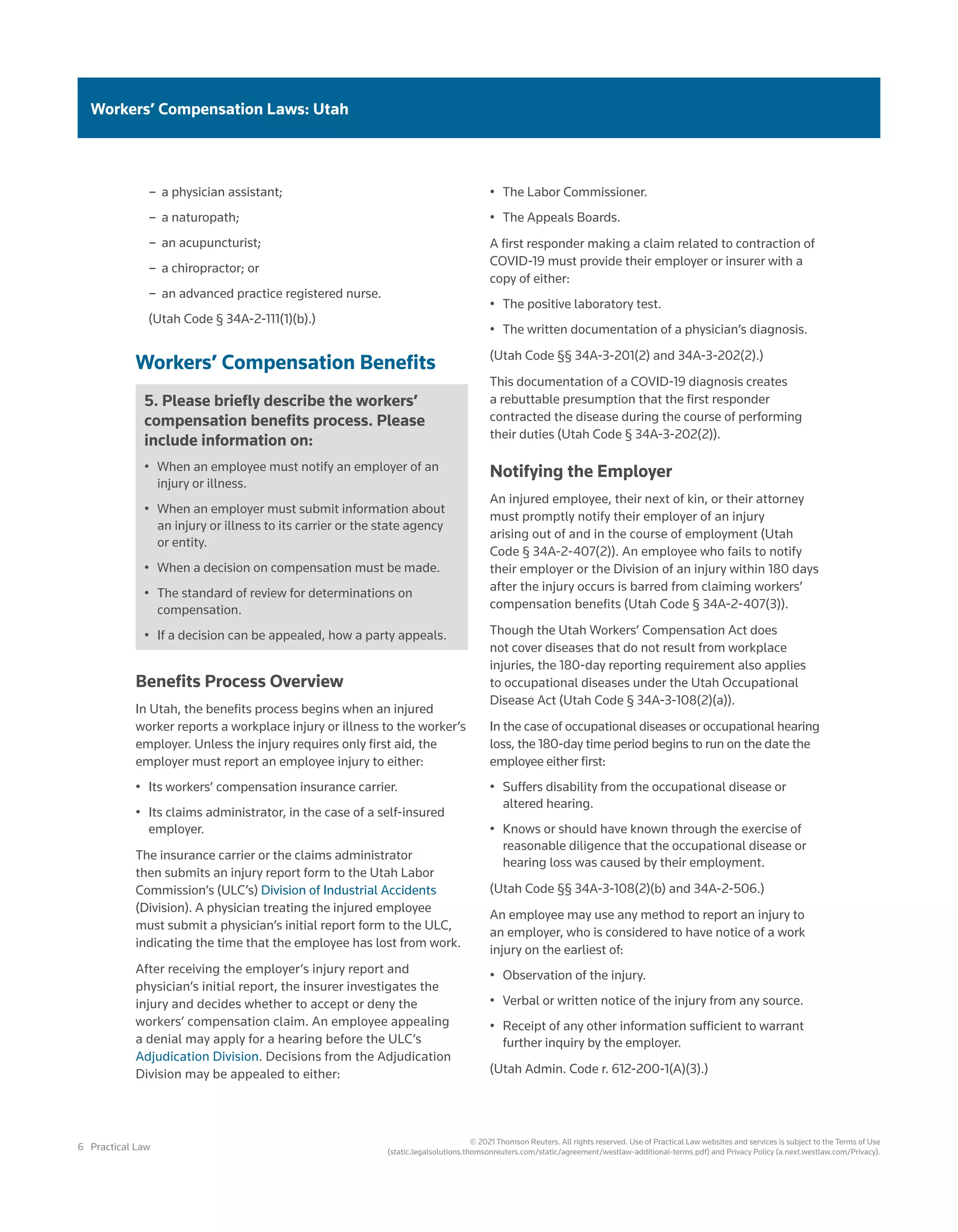
A worker is typically not covered by workers' compensation benefits if they fall under specific statutory exemptions, are classified as independent contractors rather than employees, engaged in intentional misconduct, or were injured while intoxicated or commuting normally. Workers' compensation systems exist to provide swift, no-fault medical and wage-replacement benefits to injured employees. However, the legal framework governing these programs contains strict boundaries, exemptions, and disqualifying conditions that leave certain individuals or specific incidents outside the scope of protection. Navigating these exclusions requires a detailed understanding of labor laws, state regulations, and the precise factual circumstances surrounding an employment arrangement and an occupational injury.
The Foundational Principle of Workers' Compensation
Workers' compensation operates as a specialized form of social insurance designed to protect individuals who sustain injuries or contract occupational diseases arising out of and in the course of their employment. Historically, this system was established through a historical compromise between labor and management. Employees relinquished their right to sue employers in tort for negligence, thereby avoiding protracted court battles and the burden of proving fault. In exchange, employers agreed to provide a guaranteed, predictable stream of medical care and partial wage replacement on a no-fault basis.
Despite the inclusive design of this statutory framework, the protection is not universal. Every jurisdiction establishes specific parameters defining who qualifies as a covered worker and what types of incidents fall within the compensable scope of employment. When an injury occurs, insurance carriers and state boards evaluate the claim against these statutory lines. If an individual or an incident crosses into an excluded category, the claim is denied, leaving the worker to seek alternative remedies, such as private health insurance, short-term disability benefits, or civil litigation against third parties.
Independent Contractor Status vs. Employee Classification
One of the most frequent reasons a worker is not covered by workers' compensation benefits is that they are legally classified as an independent contractor rather than an employee. State workers' compensation laws uniformly mandate coverage for traditional employees, but independent contractors are generally excluded because they are viewed as running their own independent businesses and controlling their own work methods.
To determine whether a worker is an employee or an independent contractor, administrative agencies and courts apply various legal tests, such as the common-law agency test, the economic realities test, or the statutory ABC test used in many states. Key factors examined in these evaluations include:
- Behavioral Control: Does the hiring entity direct and control how, when, and where the work is performed?
- Financial Control: Does the worker invest in their own tools, equipment, and facilities, and do they have an opportunity for profit or loss?
- Type of Relationship: Is there a written contract, are employee benefits provided, and is the relationship perceived as permanent or project-based?
Misclassification remains a significant issue in the modern economy, particularly within the gig economy, construction, and delivery sectors. If a hiring entity treats a worker as an independent contractor by failing to withhold payroll taxes and refusing to secure workers' compensation insurance, the injured worker may find themselves initially denied benefits. However, if an administrative law judge or workers' compensation board determines that the worker was misclassified, the entity may be held liable for retroactively providing coverage or facing severe regulatory penalties.
Statutory Exemptions for Specific Industries and Business Sizes
Beyond employment classification, state laws explicitly exclude certain categories of workers from mandatory workers' compensation coverage based on the industry, the nature of the labor, or the size of the employer's payroll and workforce. These statutory exemptions vary widely by jurisdiction, making it essential to consult local labor codes.
Common statutory exemptions across many states include:
- Small Businesses: Some states exempt employers who have fewer than a specified threshold of employees, such as three, four, or five workers, though hazardous industries like construction often require coverage even for a single employee.
- Agricultural and Farm Workers: Traditional farm labor and seasonal agricultural workers have historically been excluded from mandatory coverage in numerous states, though many jurisdictions have narrowed these exceptions in recent years.
- Domestic Workers: Household employees, such as nannies, housekeepers, and private gardeners working fewer than a certain number of hours per week for a single household, are frequently excluded.
- Real Estate Agents: Licensed real estate agents who operate primarily on a commission basis and maintain independent contractor agreements are often excluded by statute.
- Corporate Officers and LLC Members: Owners, corporate officers, and limited liability company members may have the option to elect out of coverage for themselves to reduce operational costs, provided they meet specific ownership criteria.
- Volunteer Workers: Individuals who perform services for non-profit organizations, charities, or religious institutions without receiving monetary compensation are generally excluded, unless the organization has purchased a voluntary policy.
| Worker Category | General Coverage Status | Common Exceptions and Conditions |
|---|---|---|
| Full-Time W-2 Employee | Universally Covered | Subject to intoxication or intentional misconduct exclusions. |
| Independent Contractor | Generally Not Covered | May be covered if misclassified by the hiring entity. |
| Agricultural Worker | Varies by State | Often excluded in small farms; increasingly covered in larger operations. |
| Domestic Worker | Varies by State | Frequently excluded unless meeting minimum weekly hour thresholds. |
| Corporate Officer | Conditional | Often permitted to opt out of coverage via formal state filings. |
The "Arising Out of and in the Course of Employment" Requirement
Even when a recognized employee suffers an injury, they are not covered by workers' compensation benefits if the incident did not arise out of and in the course of employment. This dual requirement forms the bedrock of compensability and establishes clear boundaries regarding time, place, and activity.
"Arising out of" refers to the origin and cause of the injury. There must be a direct causal connection between the employment conditions and the resulting harm. For example, if a warehouse worker is struck by a falling pallet, the injury clearly arises out of the employment. Conversely, if an employee suffers a heart attack due to pre-existing, non-work-related health conditions while sitting at their desk, the injury typically does not arise out of employment unless unusual work-related physical exertion or extreme workplace stress directly precipitated the medical event.
"In the course of employment" refers to the time, place, and circumstances under which the injury occurred. Generally, an injury must happen while the employee is actively performing job duties, acting on the employer's instructions, or engaged in an activity reasonably incidental to their employment during working hours and on the employer's premises.
Commuting Exceptions and Deviations
A prominent application of the "course of employment" rule is the coming and going rule, which dictates that injuries sustained by an employee while commuting to and from their regular workplace are not covered by workers' compensation. The rationale is that regular commuting hazards are risks faced by the general public, not special risks created by the employer.
However, several legally recognized exceptions can alter this rule and bring a commute within the scope of coverage:
- Special Errand Exception: If an employer asks an employee to perform a special task, errand, or delivery outside of their normal working hours or regular route, injuries sustained during that specific travel are often covered.
- Traveling Employees: Workers whose primary job duties require constant travel, such as long-haul truck drivers or field service technicians, are generally covered from the time they leave home on a work assignment.
- Employer-Provided Transportation: If the employer provides the vehicle, pays for the travel time, or mandates a specific mode of transportation as an incident of employment, commuting injuries may be compensable.
- Dual-Purpose Trips: When a trip serves both a personal and a business purpose, courts examine whether the business purpose was a concurrent cause of the journey.
Furthermore, if an employee deviates from their employment duties for personal reasons—often referred to as a "frolic and detour"—injuries sustained during that deviation are excluded. For example, a delivery driver who takes a 20-mile detour to visit a personal friend and is injured during that unauthorized side trip is typically barred from receiving benefits for injuries sustained during the detour.
Disqualifying Acts, Intentional Misconduct, and Intoxication
Workers' compensation is designed as a no-fault system, meaning an employee can generally recover benefits even if their own ordinary carelessness or negligence contributed to the accident. A lapse in concentration, a momentary slip, or an error in judgment does not automatically forfeit a claim.
Nevertheless, statutory bars strip away coverage when an employee engages in specific types of severe misconduct or prohibited behaviors. These disqualifying factors include:
- Intentional Self-Inflicted Injury: If a worker deliberately causes their own injury to secure benefits or commit fraud, the claim is entirely denied.
- Horseplay and Fighting: Injuries resulting from unauthorized, aggressive horseplay or starting a physical fight with a coworker are frequently excluded because the activity is considered a personal deviation from employment.
- Intoxication and Substance Abuse: If an injury is proximately caused by the employee's intoxication from alcohol or the illegal use of controlled substances, benefits are almost universally denied. Employers and insurance carriers typically rely on post-accident drug and alcohol screening results to substantiate these defenses.
- Violation of Direct, Known Rules: Disregarding established safety protocols, removing mandatory machine guards, or violating explicit, communicated workplace safety rules can sometimes bar recovery, particularly if the violation is deemed willful and reckless.
Procedural Failures and Statute of Limitations Defenses
Even if a worker is fully qualified, classified as an employee, and injured during a clearly compensable workplace incident, they will not receive benefits if they fail to comply with strict procedural requirements and deadlines. Workers' compensation systems are heavily administrative, and missing a deadline can permanently extinguish the right to recover.
The most critical procedural hurdles include:
- Notice of Injury: Most jurisdictions require injured workers to provide written notice of the accident to their employer within a specified statutory window, which typically ranges from a few days to 30 days. Failing to provide timely notice can prejudice the employer's ability to investigate the claim and lead to a formal denial.
- Statute of Limitations for Filing Claims: A formal claim for compensation must be filed with the state's workers' compensation board or commission within a set timeframe, often one to three years from the date of the injury or the manifestation of an occupational disease. Allowing this period to lapse without filing bars the claim.
- Failure to Seek Authorized Medical Treatment: Workers are usually required to see physicians approved by the employer or the insurance carrier. Seeking unauthorized medical care or refusing prescribed treatment without a valid reason can result in suspended or terminated benefits.
Frequently Asked Questions
What happens if an independent contractor gets injured on a job site?
If a worker is genuinely an independent contractor, they are generally not covered by the hiring company's workers' compensation policy and must rely on their own private health insurance, disability policies, or pursue a civil negligence lawsuit if a third party caused the injury. However, if the hiring entity improperly classified the worker, the worker may petition the state labor board to reclassify them as an employee to secure retroactive benefits.
Are injuries sustained during a lunch break covered by workers' compensation?
Injuries sustained during a standard, unpaid lunch break off the employer's premises are usually not covered because the employee is attending to personal matters and is not under the control of the employer. However, if the injury occurs on the employer's premises during a paid break, or if the employee was performing a task requested by the employer during that time, the injury may be compensable.
Can an employee collect workers' compensation if they caused their own accident through carelessness?
Yes. Because workers' compensation is a no-fault system, ordinary negligence, clumsiness, or simple human error on the part of the employee does not bar them from receiving benefits. Coverage is only denied if the conduct rises to the level of intentional self-harm, gross intoxication, or a direct violation of explicit safety rules designed to prevent that exact harm.
What should a worker do if their claim is denied because they are classified as an independent contractor?
An injured worker who believes they were misclassified should immediately gather documentation supporting an employee relationship, such as pay stubs, tax documents, schedules, performance reviews, and evidence of direct supervision. They should then consult with a qualified workers' compensation attorney to file an appeal or a formal claim petition with the state labor agency to challenge the classification.
Next Actions and Legal Guidance
Determining whether a worker is covered by workers' compensation requires a rigorous examination of local statutes, employment agreements, and the specific facts of an accident. If you or someone you know has suffered a workplace injury and faces a coverage dispute or claim denial, prompt action is critical. Gather all relevant documentation, including employment contracts, medical records, and incident reports, and consult with a licensed workers' compensation attorney or your state's labor department to understand your rights, adhere to filing deadlines, and explore alternative legal remedies.