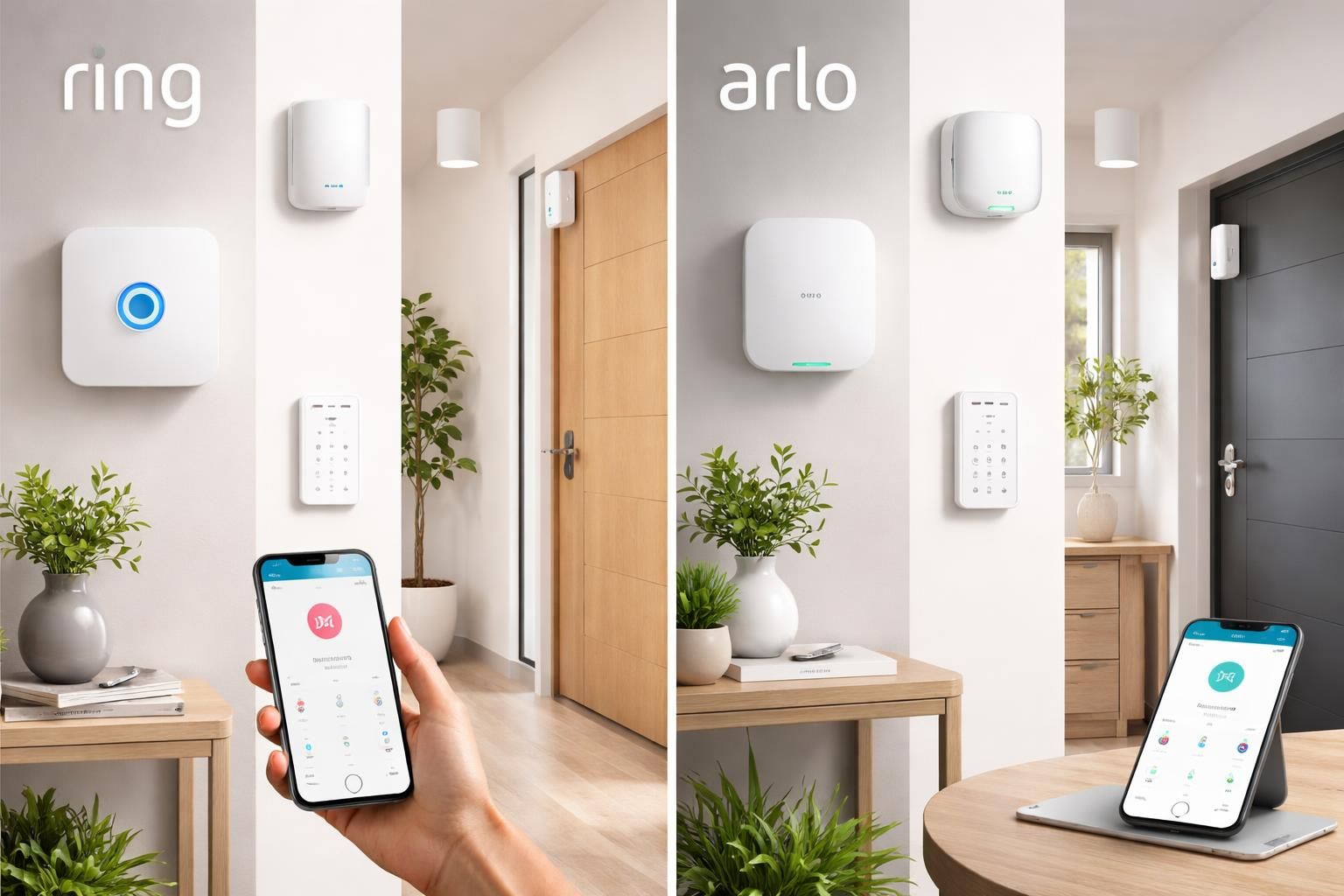
Choosing between Arlo, Blink, and Ring depends on your priority: Arlo is the premium choice for high-resolution 4K video and advanced AI detection; Ring offers the most comprehensive ecosystem with integrated professional monitoring; and Blink provides the best budget-friendly, battery-efficient solution for basic monitoring needs.
Selecting a home security system in 2026 requires more than just looking at a camera’s resolution. The landscape has evolved into a battle of ecosystems, cloud subscription values, and artificial intelligence capabilities. While all three brands offer reliable hardware, their operational philosophies differ significantly. Arlo focuses on being a high-end standalone imaging leader, Ring aims to be the central nervous system of your entire home security, and Blink remains the king of "set it and forget it" affordability.
The Core Identities: Understanding the Three Giants
Before diving into technical specifications, it is essential to understand where these companies sit in the market. Each brand targets a specific type of user, and choosing the wrong one can lead to frustration with monthly fees or lack of integration.
Arlo: The High-Performance Specialist
Arlo has consistently positioned itself as the "videophile's" security choice. By 2026, Arlo has solidified its reputation for superior optics, being among the first to normalize 4K resolution in battery-powered cameras. Unlike Ring and Blink, Arlo is not owned by a major smart-home platform like Amazon or Google, which allows it to maintain relatively neutral compatibility with Apple Home, Google Home, and Amazon Alexa.
Ring: The Ecosystem Powerhouse
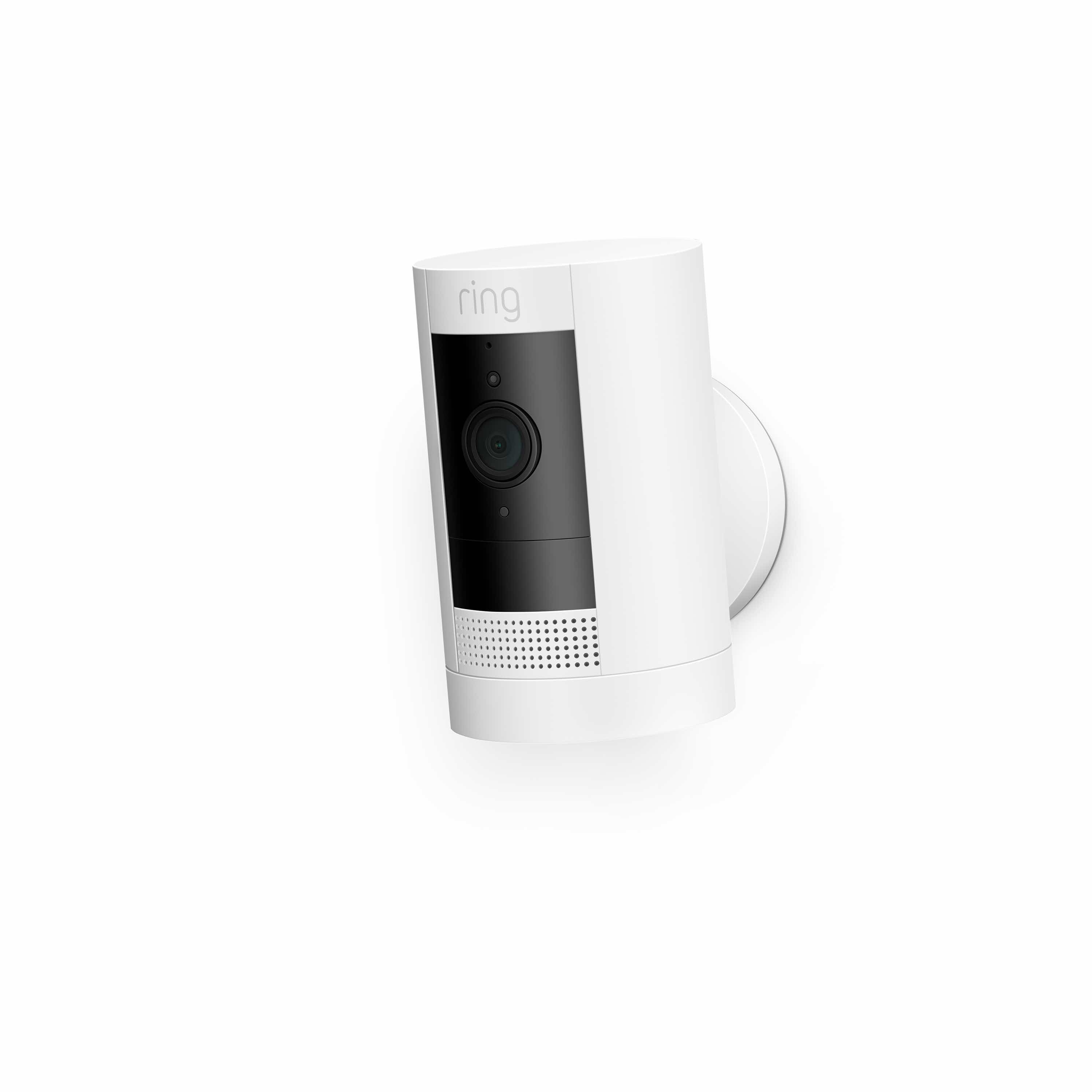
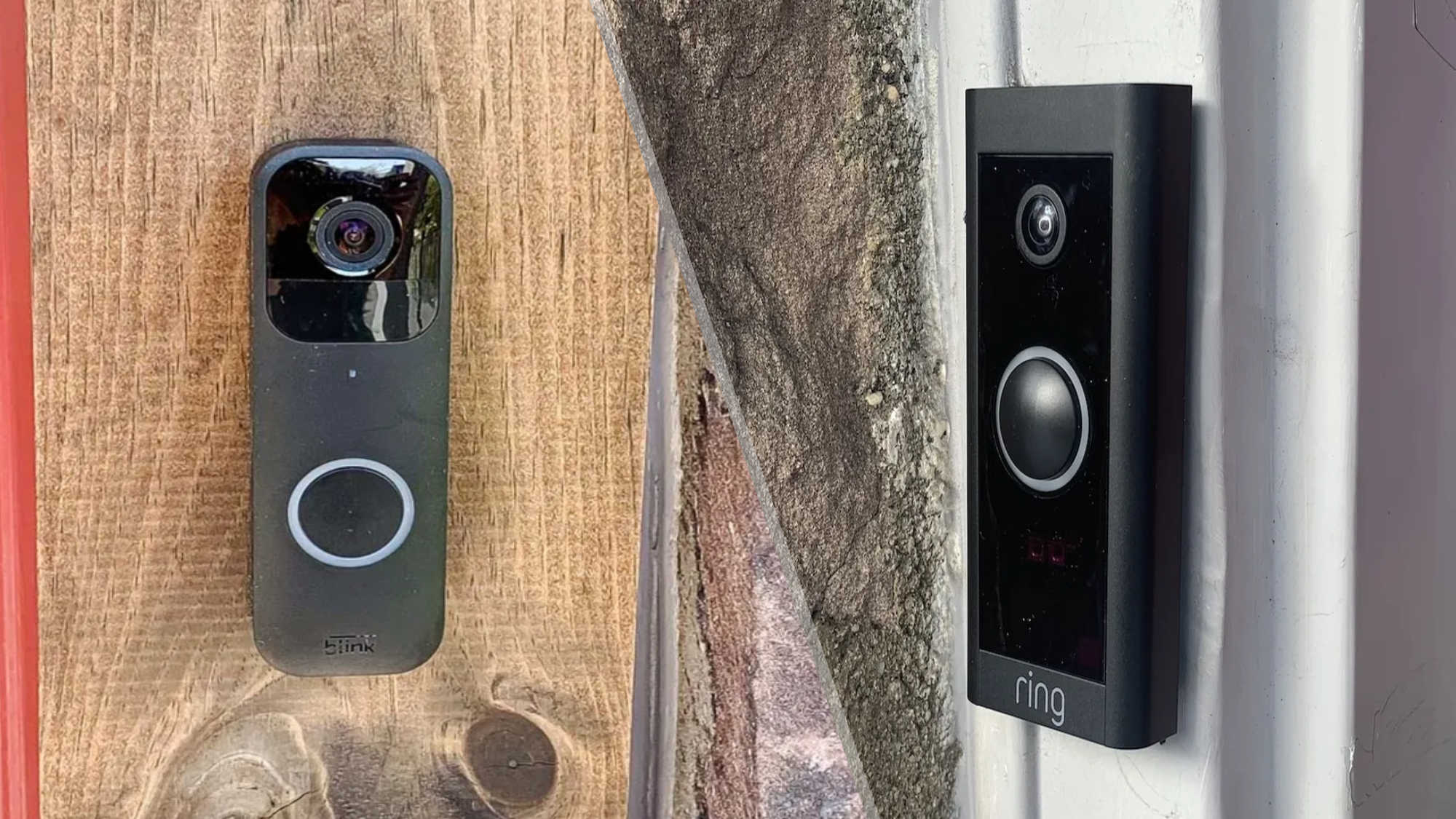
Owned by Amazon, Ring is the most recognizable name in the industry. Its strength lies in its massive product catalog, which includes not just cameras and doorbells, but also smart lighting, full-house alarm systems, and even automotive security. For users who want a single app to manage their front door, their backyard, their garage, and their professional alarm monitoring, Ring is the most cohesive option.
Blink: The Efficiency King
Also an Amazon-owned brand, Blink exists to serve the budget-conscious and those who despise frequent charging. Blink cameras are characterized by their "lean" feature set. They lack the advanced AI and high resolutions of Arlo, but they compensate with incredible battery life—often lasting up to two years on a pair of AA lithium batteries. It is the ideal "entry-level" system for those who want coverage without the complexity.
Video Quality and Optical Performance
In 2026, the standard for "good" video has shifted. While 1080p was once the benchmark, users now expect better dynamic range and clearer night vision to provide usable evidence to law enforcement or insurance companies.
Resolution and Field of View
Arlo leads this category decisively. The Arlo Ultra and Pro series offer 4K and 2K resolutions respectively, featuring a wide 180-degree diagonal field of view and "de-warping" technology that prevents the "fisheye" effect at the edges. This allows users to zoom in on a license plate or a face without the image immediately pixelating.
Ring has largely stayed within the 1080p and 1536p (Head-to-Toe) range for its standard models, though their "Pro" line offers enhanced HDR (High Dynamic Range) which is crucial for front doors that face direct sunlight. Blink, meanwhile, remains firmly in the 1080p camp. While sufficient for seeing that a package has arrived, Blink cameras often struggle with fine details at a distance compared to Arlo.
Night Vision Capabilities
All three brands offer infrared (black and white) night vision. However, Arlo and Ring have moved aggressively toward Color Night Vision. By using integrated spotlights, these cameras can illuminate a scene enough to record in color even in total darkness. Arlo’s spotlights are generally brighter and more adjustable, whereas Blink’s color night vision (available on newer Outdoor models) is functional but less vivid.
Subscription Models and Long-Term Costs
Hardware cost is only half the story. To unlock the true potential of these cameras—including cloud storage and AI person detection—you must pay a monthly or annual fee.
Arlo Secure Plans
Arlo’s subscription is almost mandatory. Without it, most Arlo cameras in 2026 do not offer cloud storage, and you lose access to "Smart Alerts" (the ability to distinguish between a person, a pet, a vehicle, or a package). Arlo offers a "Secure" plan for single cameras or an "Unlimited" plan for all devices at a single location. Their commitment to 4K cloud recording usually places their subscription costs slightly higher than the competition.
Ring Protect
Ring’s subscription model is highly competitive because of the value-add for Ring Alarm users. The Ring Protect Pro plan not only covers video storage for an unlimited number of cameras but also includes 24/7 professional monitoring for the Ring Alarm system and cellular backup. If you intend to have a monitored security system, Ring often becomes the most cost-effective choice in the long run.
Blink Subscription Plus
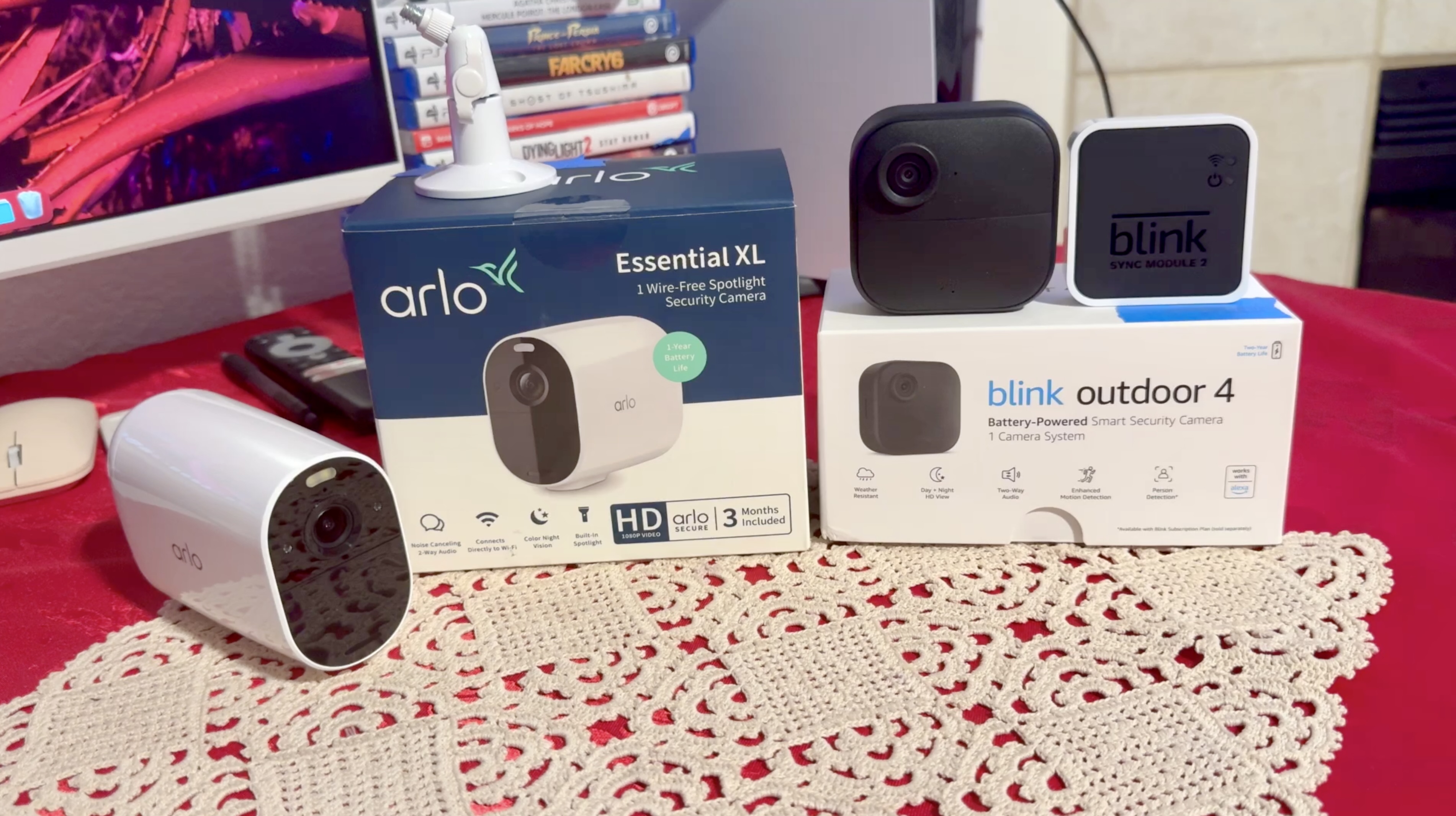
Blink remains the most affordable to operate. While they do offer a subscription for cloud storage and "extended live view," they are the only brand of the three that makes local storage genuinely easy. By using a Blink Sync Module 2 with a USB flash drive, users can store clips locally with no monthly fees, making it the top choice for those who are subscription-averse.
Power Management and Installation
How a camera is powered determines where it can be placed. In 2026, wireless installations are the standard, but the maintenance requirements vary.
- Blink's Battery Secret: Blink uses proprietary chip technology that allows the cameras to stay in a "deep sleep" until motion is detected. This is how they achieve a two-year battery life. It makes them perfect for high eaves or remote corners of a property where changing batteries is a chore.
- Arlo's Removable Packs: Arlo uses rechargeable lithium-ion battery packs. While they only last 3 to 6 months depending on settings, they are easy to swap out. Arlo also offers excellent solar panel attachments that can keep the cameras charged indefinitely in sunny climates.
- Ring's Versatility: Ring offers the widest variety of power options. You can get "Plug-In" versions, "Battery" versions, "Wired" (hardwired to existing doorbell or light fixtures) versions, and Solar versions. Their Quick-Release Battery Pack is a standardized unit that fits almost all their battery-powered devices.
Smart Home Integration and Ecosystem Compatibility
A security camera should not live in a vacuum; it should talk to your lights, your locks, and your smart displays.
| Feature | Arlo | Ring | Blink |
|---|---|---|---|
| Primary Ecosystem | Independent / Agnostic | Amazon Alexa | Amazon Alexa |
| Apple HomeKit | Yes (Select Models via Hub) | No | No |
| Google Home | High Integration | Partial (Live view only) | Limited |
| Amazon Alexa | High Integration | Full Integration | High Integration |
| Local Storage | Yes (via Base Station) | Yes (via Ring Edge/Pro) | Yes (via Sync Module 2) |
| Max Resolution | 4K (Ultra Series) | 1536p (Pro Series) | 1080p |
| Professional Monitoring | Available | Included in Top Tier | Not Available |
The Alexa Advantage
Because Amazon owns both Ring and Blink, the integration with Echo Show devices is seamless. You can set your Echo to automatically announce, "Someone is at the front door," and display the video feed instantly. While Arlo works with Alexa, the latency (the time it takes for the video to appear) is often slightly higher than with native Amazon products.
The HomeKit Hurdle
For users entrenched in the Apple ecosystem, Arlo is the only viable candidate of the three. Arlo supports HomeKit on many of its Pro and Ultra models, allowing the cameras to appear in the Apple Home app and participate in "Automations" (e.g., "If Arlo detects motion, turn on the entryway HomePod"). Ring and Blink have historically ignored HomeKit support in favor of Alexa.
Privacy and Data Security
In an era of increasing digital surveillance, how these companies handle your data is paramount.
Ring has faced significant scrutiny in the past regarding law enforcement access to footage and internal data handling. In response, they have implemented mandatory two-factor authentication and "End-to-End Encryption" for many of their wired and battery-powered devices. This ensures that even Amazon cannot view your footage.
Arlo prides itself on a "Privacy First" pledge. They do not share data with law enforcement without a warrant and have a very transparent dashboard for managing who has access to your feeds. Their business model is built more on hardware and subscription sales rather than data-driven advertising.
Blink benefits from the same security infrastructure as Amazon, but because it is a "budget" brand, it lacks some of the high-level encryption toggles found in the premium Arlo or Ring Pro lines.
Common Pitfalls and Troubleshooting
When deploying these systems, users often encounter specific hurdles:
- Wi-Fi Strength: 4K cameras (Arlo) require significantly more upload bandwidth than 1080p cameras. If your router is far from the camera, you will experience dropped connections or stuttering video.
- Trigger Delay: Blink cameras can sometimes have a "warm-up" period of 1-2 seconds after detecting motion before they start recording. This can result in a clip that captures the back of someone's head as they walk away rather than their face as they approach.
- False Alerts: Without a subscription, all three brands are prone to "dumb" motion alerts. A swaying tree branch or a passing shadow can trigger a notification. Investing in the AI subscription features is usually necessary to keep notification fatigue at bay.
Frequently Asked Questions
Can I use Arlo, Ring, or Blink without a monthly subscription?
Yes, but with significant limitations. Blink is the most usable without a subscription if you buy the Sync Module 2 for local USB storage. Arlo and Ring become very limited without a plan, often losing cloud storage entirely and only offering live-view capabilities and basic motion notifications.
Which brand has the best outdoor durability?
All three offer weather-resistant models rated for rain, snow, and heat. However, Arlo's higher-end models often feature more robust UV-resistant plastics and better sealing for the battery compartments. Ring's "Floodlight Cam" series is also exceptionally durable for permanent outdoor mounting.
Does Arlo work better with Google Home than Ring?
Generally, yes. Since Ring is an Amazon product, its integration with Google Home is "competitive" and therefore limited. Arlo maintains a strong partnership with Google, allowing for faster streaming to Nest Hub displays and better integration with Google Assistant routines.
Are there any hidden costs I should be aware of?
The biggest hidden cost is often the Wi-Fi infrastructure. To run five or six high-definition cameras, you may need to upgrade to a Mesh Wi-Fi system to ensure a stable signal at the perimeter of your home. Additionally, for Arlo, you may need to purchase a separate "SmartHub" to unlock local storage or HomeKit features.
Which system is easiest for a non-technical person to install?
Blink is the simplest. The cameras are small, the app is straightforward, and there are no complicated wiring requirements. Ring is also very user-friendly with excellent step-by-step video tutorials within the app. Arlo is slightly more complex due to the various settings for resolution and power management.
Final Recommendation: Which Should You Buy?
Your decision should be based on your existing smart home setup and your specific security goals:
- Buy Arlo if: You want the absolute best video quality available, you use Apple HomeKit, or you want highly specific AI alerts that can tell the difference between your cat and a package thief. It is the best choice for those willing to pay a premium for visual evidence.
- Buy Ring if: You want a "whole-home" solution. If you plan on getting a security alarm, smart outdoor lighting, and a video doorbell that all work together under one subscription and one app, Ring is the most polished and integrated experience.
- Buy Blink if: You are on a budget or you need to place cameras in hard-to-reach places where you cannot easily charge them. It is the perfect "no-frills" system for basic monitoring without the burden of high monthly costs.