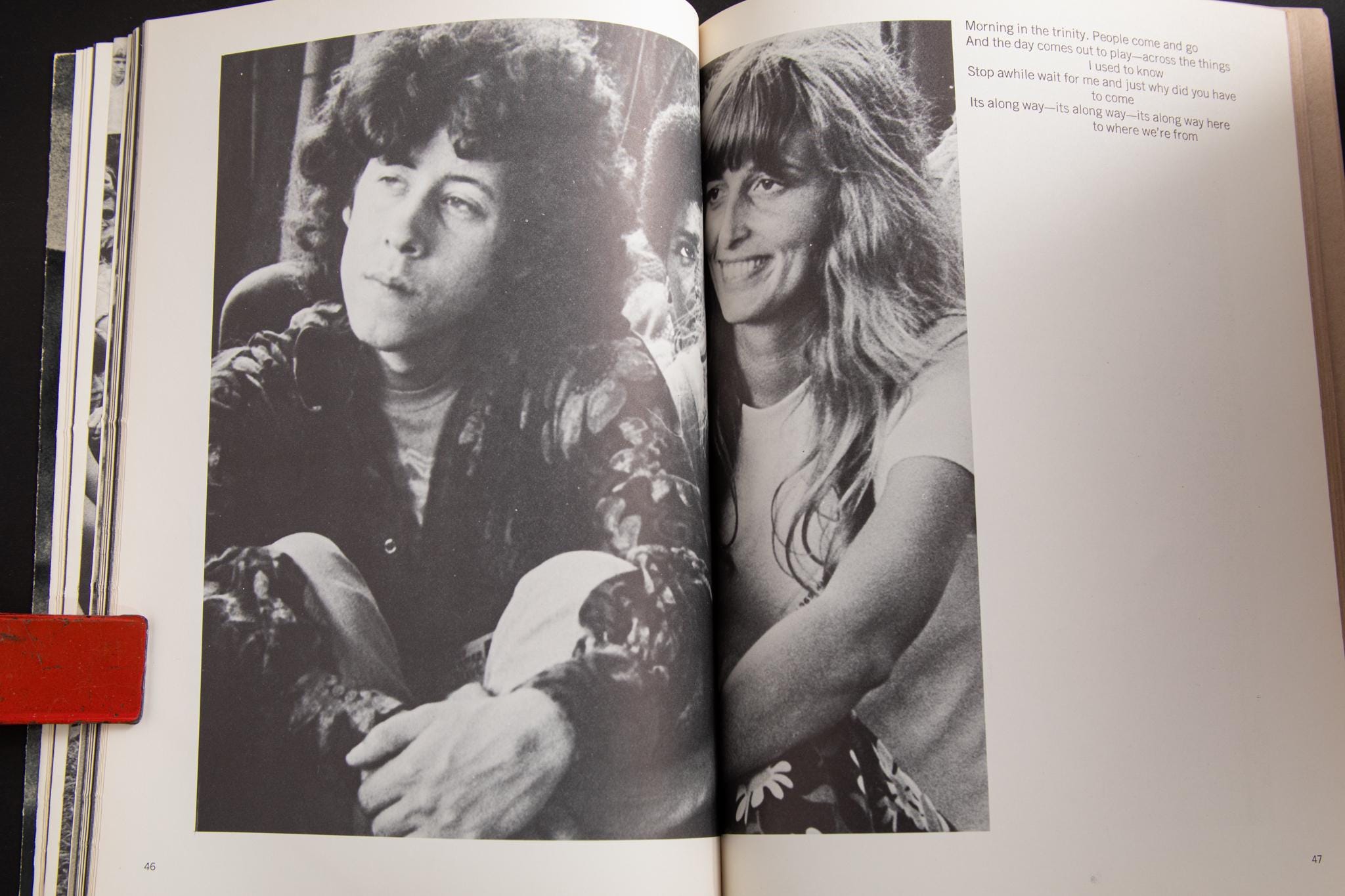
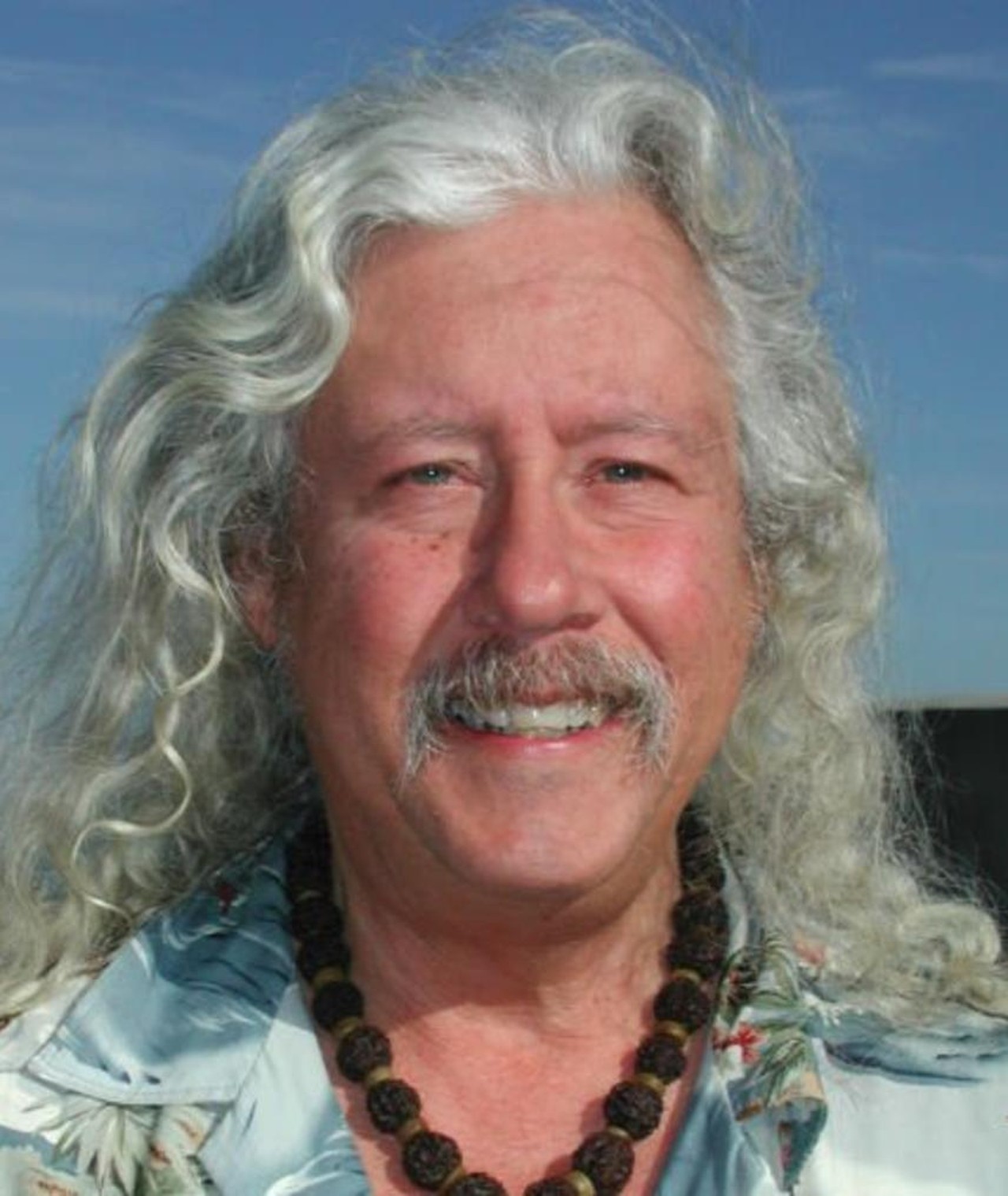
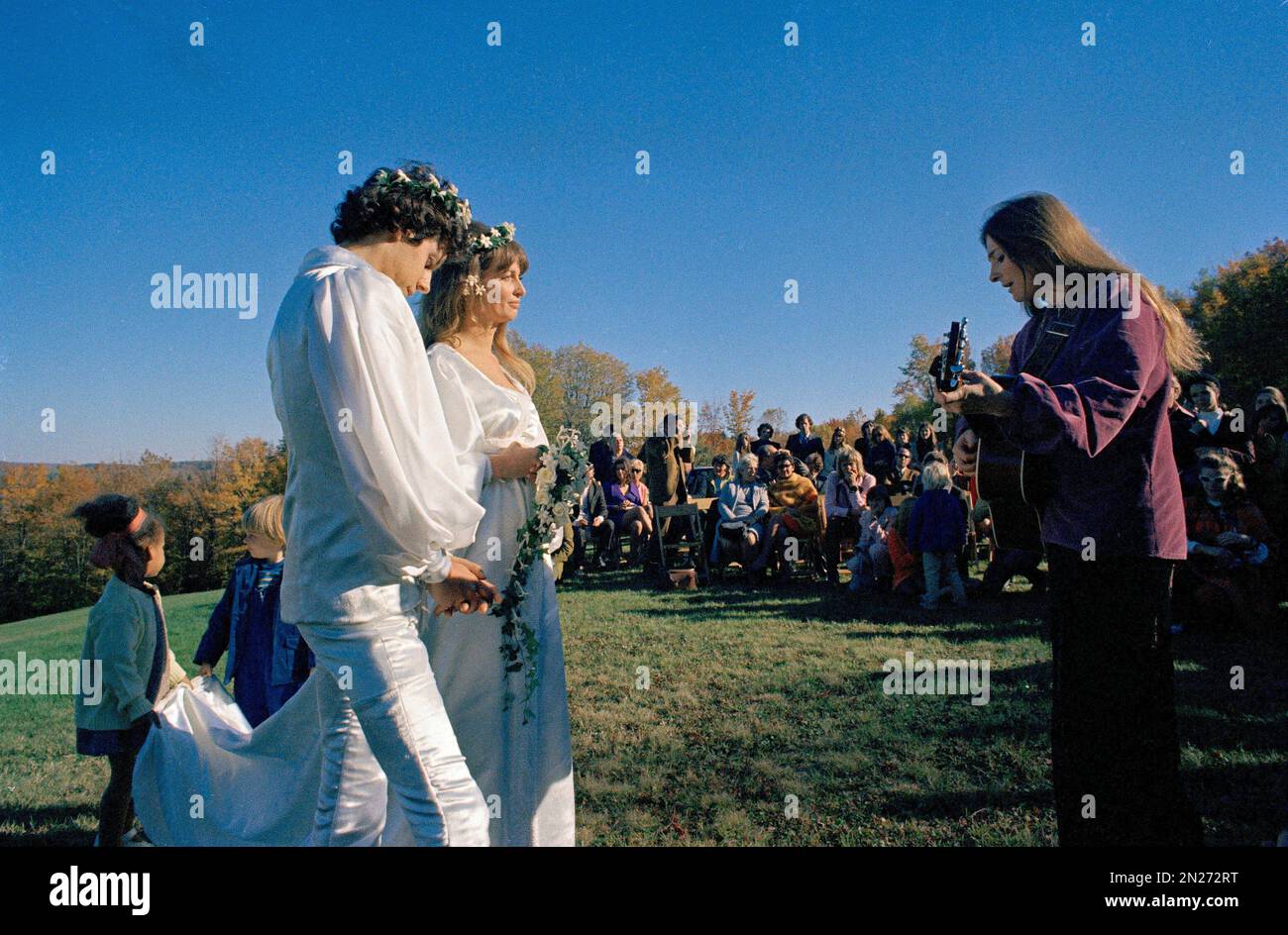
Arlo Guthrie is a quintessential American folk singer-songwriter whose career spans more than half a century. Best known for his 18-minute satirical opus "Alice's Restaurant Massacree" and his 1972 hit "City of New Orleans," Guthrie successfully bridged the gap between the Dust Bowl balladry of his father, Woody Guthrie, and the politically charged counterculture of the 1960s.
Early Life and the Heritage of American Folk
Arlo Davy Guthrie was born on July 10, 1947, in Brooklyn, New York. As the eldest son of Woody Guthrie—the most influential figure in American folk music—and Marjorie Mazia Guthrie, a professional dancer with the Martha Graham Company, Arlo was immersed in an environment where art and social activism were inseparable.
Growing Up in Coney Island
The Guthrie household in Coney Island was a revolving door for the luminaries of the folk revival. During his formative years, Arlo was frequently in the presence of legends such as Pete Seeger, Lead Belly, Ramblin' Jack Elliott, and Sonny Terry. These interactions provided him with a masterclass in acoustic instrumentation, storytelling, and the "talking blues" style that would later become his trademark.
Despite the rich musical heritage, Arlo’s childhood was shadowed by his father’s declining health. Woody Guthrie suffered from Huntington’s Disease, a degenerative neurological disorder that eventually led to his hospitalization and death in 1967. This experience profoundly shaped Arlo’s perspective on life and mortality, influencing both his music and his later philanthropic efforts through the Huntington’s Disease Society of America, which his mother helped found.
Education and Musical Foundations
Arlo attended the Stockbridge School in Massachusetts, a progressive institution that played a pivotal role in his most famous narrative song. After a brief stint at Rocky Mountain College in Montana, he realized that his true calling lay in performance. He returned to the East Coast, immersing himself in the vibrant folk scene of Greenwich Village, where he began honing his craft as a solo performer who blended traditional folk melodies with a contemporary, often humorous, sensibility.
The "Alice's Restaurant" Phenomenon
The defining moment of Arlo Guthrie’s early career occurred on Thanksgiving Day in 1965. This real-life incident served as the foundation for "Alice's Restaurant Massacree," a song that would transform him from a local folk singer into a national symbol of the anti-war movement.
The Real-Life Incident Behind the Song
The narrative of the song is largely factual. While visiting his friends Alice and Ray Brock, who lived in a converted church in Great Barrington, Massachusetts, Arlo and a friend attempted to dispose of a large amount of trash at the local dump, only to find it closed for the holiday. They disposed of the trash in a nearby ravine, leading to their arrest by Officer William "Obie" Obanhein.
The irony of the situation—that a minor littering conviction later made Arlo "morally unfit" for the military draft during the Vietnam War—became the centerpiece of the song’s satirical message. It highlighted the absurdity of a government that would draft young men for war while rejecting them for a petty misdemeanor.
Impact and Cultural Significance
Released on his debut album Alice's Restaurant in 1967, the song was an anomaly. At 18 minutes and 20 seconds, it was too long for standard radio play, yet it became an underground sensation. Its popularity led to a 1969 feature film directed by Arthur Penn, in which Arlo played himself. The song remains a staple of American culture, particularly on Thanksgiving Day, when radio stations across the country continue to play it as a holiday tradition.
Woodstock and the Counterculture Peak
By the late 1960s, Arlo Guthrie had become a mainstay of the festival circuit. His appearance at the Woodstock Music and Art Fair in August 1969 cemented his status as a counterculture icon.
"Coming into Los Angeles"
Guthrie’s performance at Woodstock is perhaps best remembered for the song "Coming into Los Angeles," which detailed the anxieties of smuggling contraband through customs. The song’s catchy hook and relatable (for the time) subject matter made it an anthem for the hippie generation. His stage presence—relaxed, witty, and slightly irreverent—captured the spirit of the festival.
The Bridge Between Generations
While many of his contemporaries were moving toward psychedelic rock, Arlo remained rooted in the folk tradition. He served as a bridge between the old-guard activists like Pete Seeger and the younger generation of protesters. He wasn't just singing about peace and love; he was carrying forward the labor-oriented, populist tradition of his father, updated for a generation facing the draft and the Cold War.
"City of New Orleans" and 1970s Success
The 1970s marked Arlo Guthrie’s greatest period of commercial success and musical diversification. During this era, he moved beyond the "talking blues" of his debut to explore country-folk, blues, and even gospel influences.
The Steve Goodman Connection
In 1972, Guthrie released the album Hobo's Lullaby, which featured his most successful commercial single, "City of New Orleans." Written by Steve Goodman, the song is a poignant tribute to the vanishing era of long-distance rail travel. Guthrie’s version reached the Top 20 on the Billboard charts and remains the definitive recording of the track.
Musical Evolution and Technical Depth
Guthrie’s work in the 70s showcased his evolution as a musician. He is a highly proficient multi-instrumentalist, skilled in:
- 6-and 12-string guitar: Known for intricate fingerpicking styles.
- Piano: Often used for more soulful, gospel-tinged tracks.
- Harmonica: Continuing the tradition of the folk-blues masters.
Albums like Last of the Brooklyn Cowboys (1973) and Amigo (1976) were critically acclaimed for their storytelling and high production values. Amigo, in particular, is often cited by critics as one of the finest folk-rock albums of the decade, featuring the haunting "Massachusetts," which later became the official folk song of the Commonwealth.
Preserving the Guthrie Legacy
For Arlo Guthrie, music was always more than a career; it was a form of stewardship. Throughout the 1980s and 1990s, he dedicated a significant portion of his life to preserving his father’s work and securing his own creative independence.
Rising Son Records
In 1983, Guthrie took the bold step of leaving the major label system to found Rising Son Records. This move was pioneering at the time, as few artists had the resources or the foresight to manage their own back catalogs. Rising Son allowed him to reissue his classic albums and release new material without corporate interference. It remains one of the longest-running independent labels in the folk genre.
The Guthrie Center and Foundation
In 1991, Arlo purchased the "Old Trinity Church" in Van Deusenville, Massachusetts—the very same church where the "Alice's Restaurant" saga began. He converted the building into The Guthrie Center, a non-denominational interfaith meeting place and service center. The center provides community lunches, supports local families, and hosts the "Guthrie Center's Troubadour Series" to support independent musicians.
Collaborative Projects
Arlo’s commitment to the folk tradition is best exemplified by his long-standing partnership with Pete Seeger. The duo toured together for decades, capturing the history of American folk music for new audiences. These performances were less like concerts and more like community sing-alongs, emphasizing the folk tradition's role in social cohesion.
Career Milestones and Key Works
Throughout his career, Arlo Guthrie has maintained a prolific output. The following table highlights the most significant markers of his professional journey:
| Year | Milestone / Work | Significance |
|---|---|---|
| 1967 | Alice's Restaurant (Album) | Debut album; contains the title track that defined his career. |
| 1969 | Woodstock Performance | Established him as a key figure in the 1960s counterculture. |
| 1969 | Alice's Restaurant (Film) | Directed by Arthur Penn; bridged the gap between music and cinema. |
| 1972 | "City of New Orleans" | His biggest commercial hit; revitalized interest in folk-country. |
| 1976 | Amigo (Album) | Considered a masterpiece of storytelling and folk-rock production. |
| 1983 | Founded Rising Son Records | An early and successful example of artist-owned independent labels. |
| 1991 | The Guthrie Center Founded | Repurposed the historic "Alice's Restaurant" church for community service. |
| 2012 | Peace Abbey Courage of Conscience Award | Recognized for his lifetime of social activism and music. |
| 2020 | Official Retirement Announcement | Announced he would no longer perform public tours due to health concerns. |
Retirement and Current Status in 2026
In October 2020, Arlo Guthrie announced his retirement from professional touring. After a series of minor strokes and the natural progression of age, he determined that he could no longer provide the level of performance his fans deserved.
As of 2026, Arlo remains an active figure in the folk community, though primarily from behind the scenes. He continues to oversee the Guthrie Center and works closely with his children—Abe, Cathy, Annie, and Sarah Lee Guthrie—all of whom have followed in the family’s musical footsteps. His legacy is also preserved through the Woody Guthrie Center in Tulsa, Oklahoma, where many of his personal archives are housed alongside his father’s.
His retirement from the road has not silenced his voice; he remains a frequent contributor to social discussions via digital platforms, sharing stories and reflections that continue to resonate with those who value the intersection of music, humor, and social justice.
Frequently Asked Questions
Why did Arlo Guthrie retire?
Arlo Guthrie officially retired from touring in 2020 following health challenges, including a series of mini-strokes (TIAs). He expressed that the rigors of travel and the physical demands of long performances were no longer sustainable, choosing to focus on his health and his family's legacy rather than deliver sub-par performances.
Is Arlo Guthrie's "Alice's Restaurant" based on a true story?
Yes, the song is a factual account of a 1965 incident. Arlo Guthrie and Richard Robbins were arrested for "illegal disposal of rubbish" in Great Barrington, Massachusetts. The arresting officer, William Obanhein, and the judge, James E. Hannon, are both mentioned by name in the song and even appeared in the 1969 film version.
What is the relationship between Arlo and Woody Guthrie?
Arlo is the son of Woody Guthrie. While Arlo carved out his own distinct musical identity involving more humor and contemporary folk-rock elements, he has spent much of his career honoring his father’s work. He often performs Woody’s songs, such as "This Land Is Your Land," and has worked extensively to archive and preserve Woody's lyrics and writings.
How did Arlo Guthrie influence the anti-war movement?
Guthrie influenced the anti-war movement primarily through satire. "Alice's Restaurant Massacree" mocked the bureaucracy of the Selective Service System (the draft). By showing the absurdity of being deemed "fit to kill" but not "fit to litter," he provided a powerful, non-violent tool for critiquing the Vietnam War.
Where is the Guthrie Center located?
The Guthrie Center is located in the Old Trinity Church in Van Deusenville, a village in Great Barrington, Berkshire County, Massachusetts. It serves as a community center and a tribute to the events described in his most famous song.
Practical Recommendations for Fans and Researchers
To fully appreciate the scope of Arlo Guthrie's career, listeners should move beyond the radio hits. While "Alice's Restaurant" and "City of New Orleans" are essential, his 1970s albums like Amigo and Hobo's Lullaby offer deeper insight into his skill as a songwriter and curator of American music.
For those interested in the historical context of the folk revival, a visit to the Guthrie Center in Massachusetts or the Woody Guthrie Center in Tulsa provides an invaluable look at how the Guthrie family shaped the American social landscape. Aspiring folk musicians should study his "talking blues" technique—a rhythmic, spoken-word style over a repetitive guitar figure—which remains a foundational element of the genre.