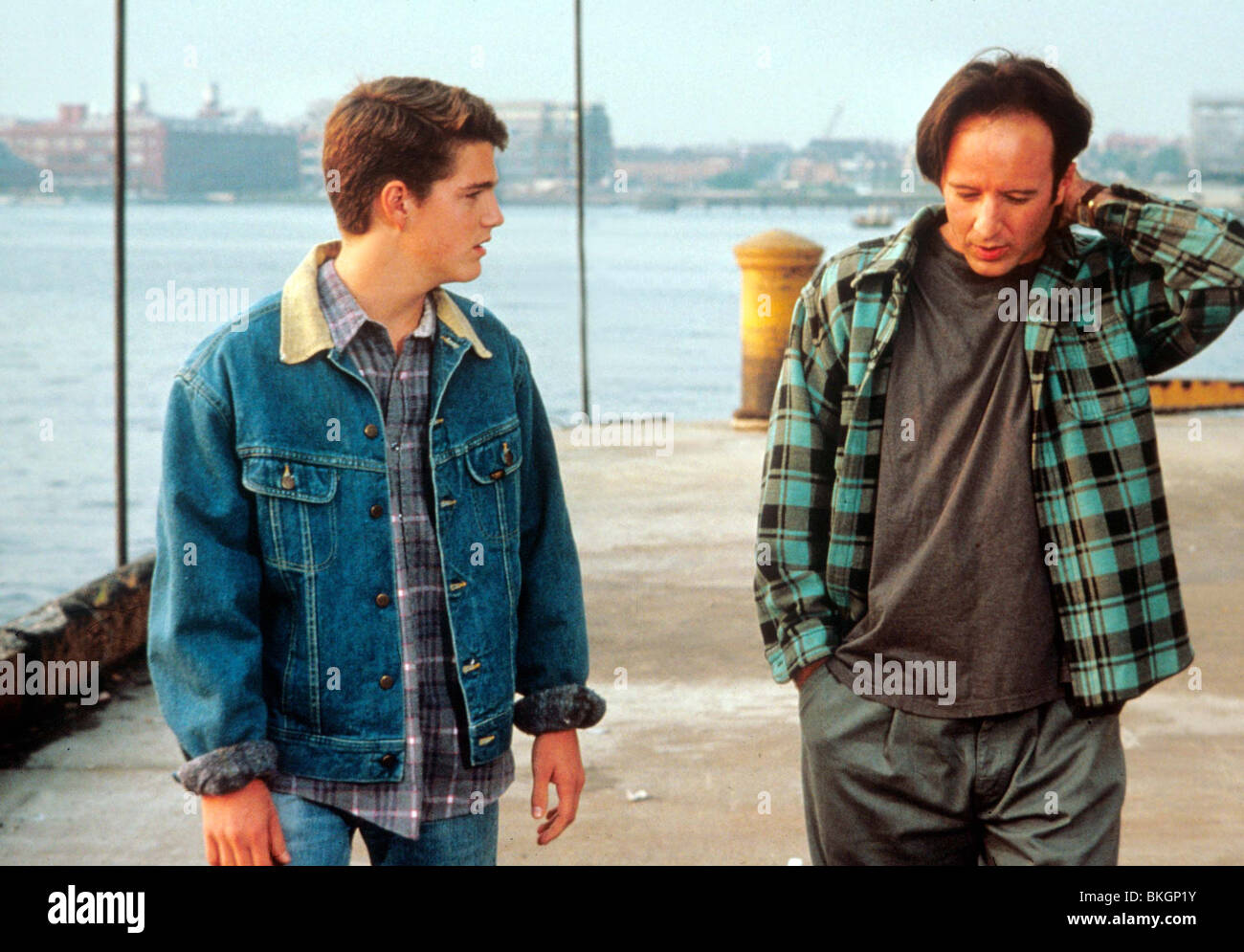
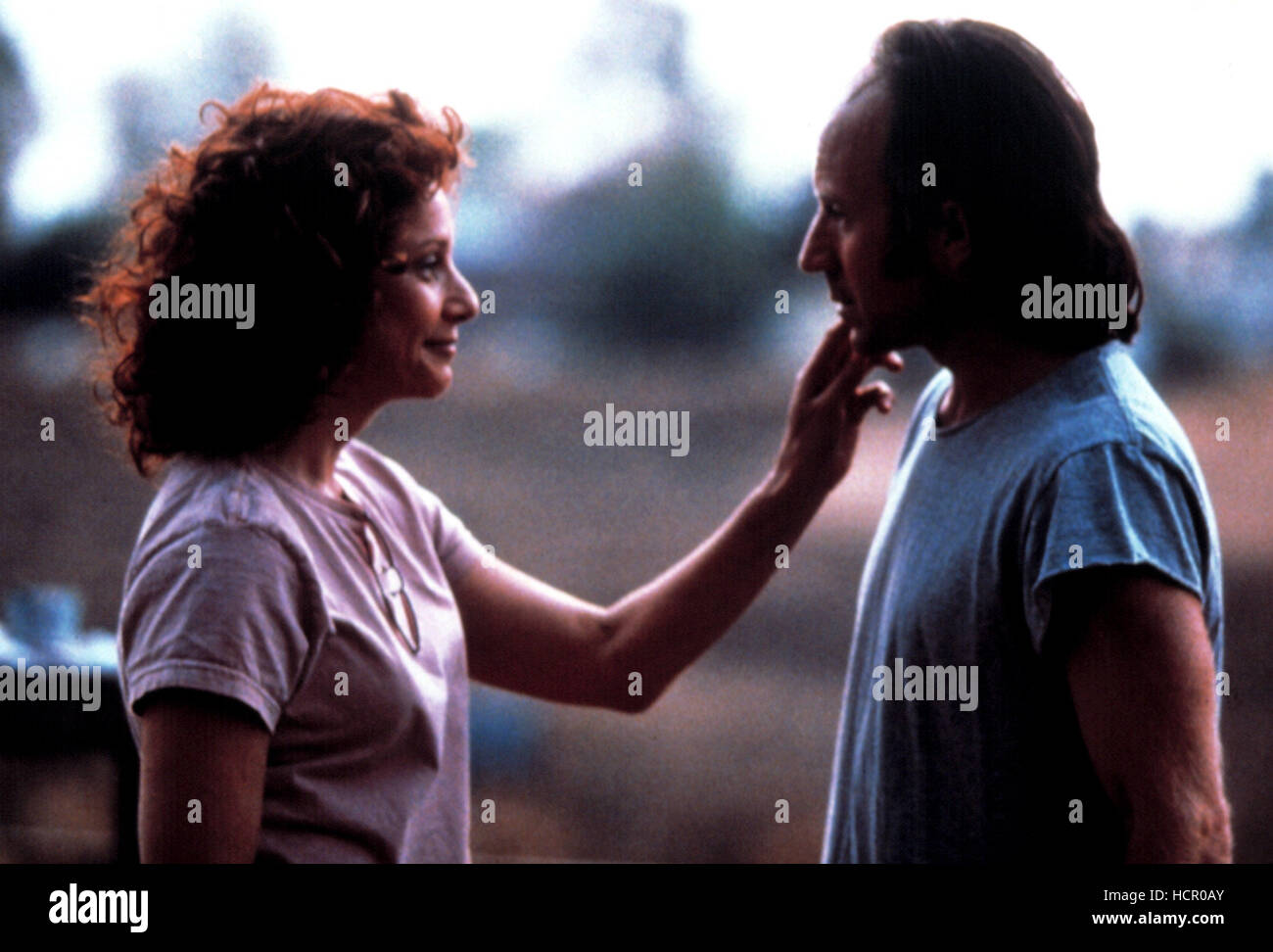
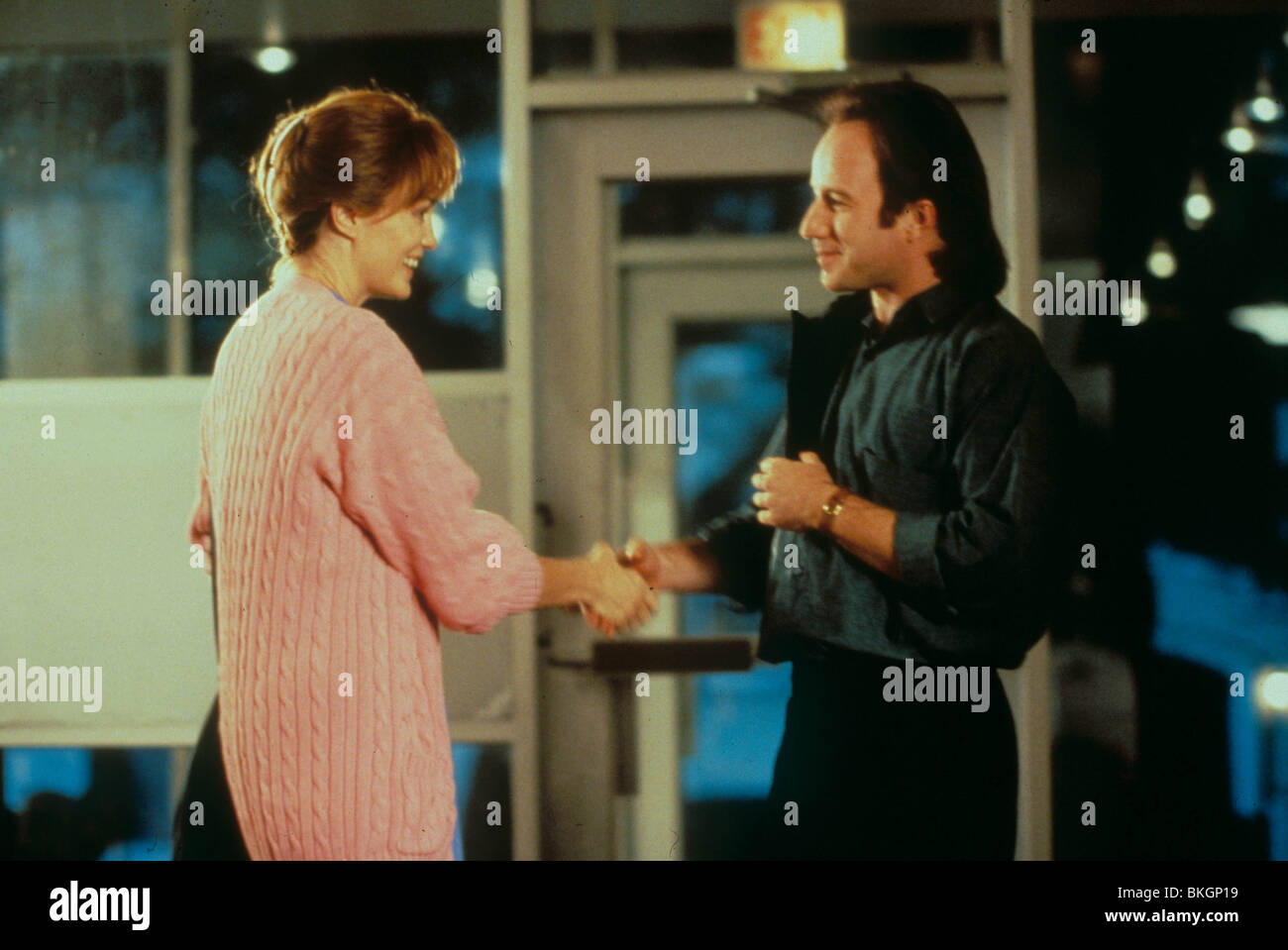
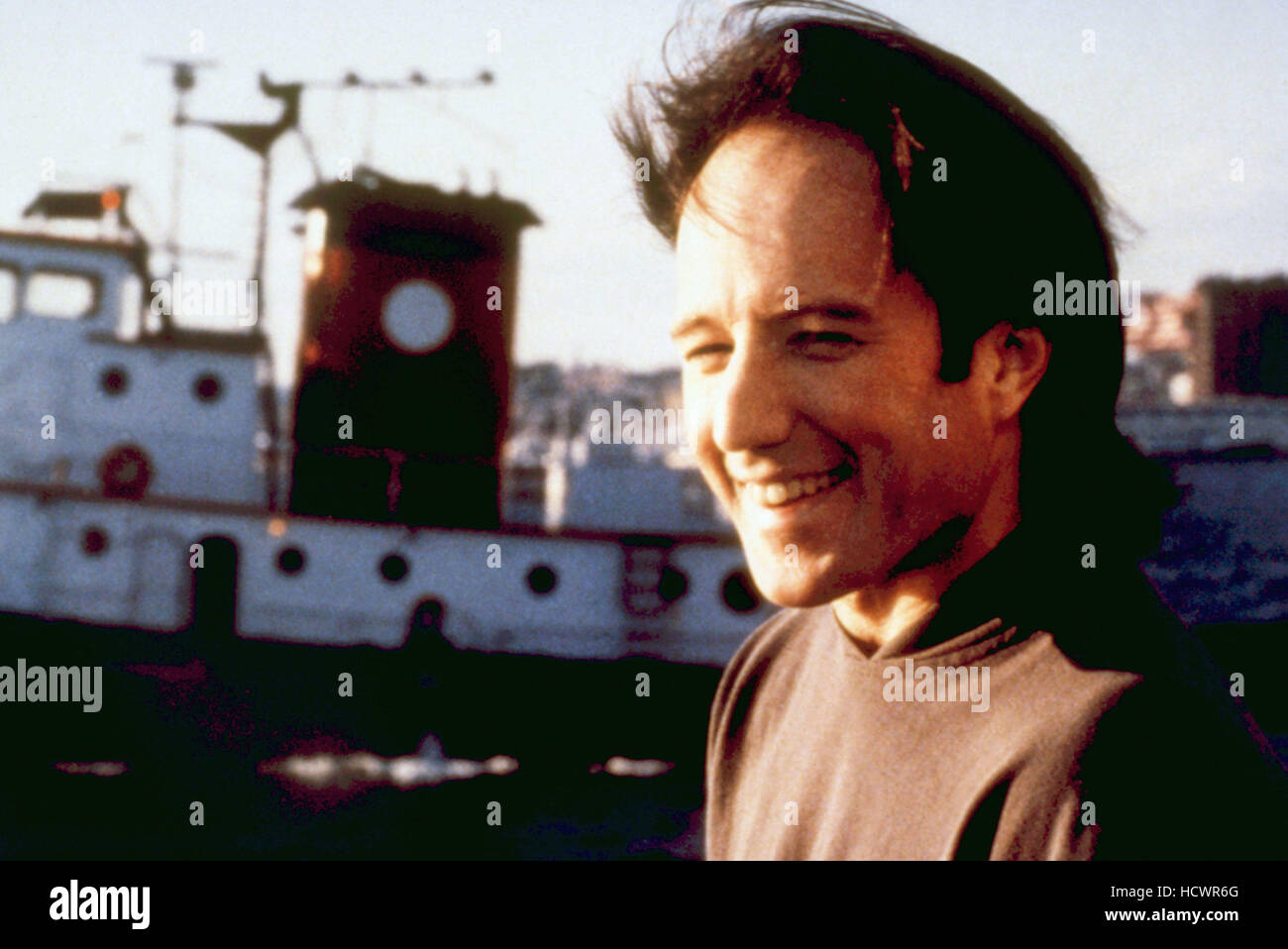
Arliss Howard is a distinguished American actor, director, and screenwriter recognized for his intellectual intensity and versatility. In the spotlight for over four decades, he is best known for his roles in Full Metal Jacket, The Lost World: Jurassic Park, and his creative collaborations with wife Debra Winger.
With a career spanning from the gritty realism of Stanley Kubrick’s war epics to the high-stakes drama of modern biographical cinema, Arliss Howard has carved out a niche as one of the most reliable and cerebral character actors in Hollywood. As we look at his body of work from the vantage point of 2026, Howard’s filmography serves as a masterclass in subtlety and psychological depth. He is an artist who has consistently prioritized the integrity of the narrative over the glitz of celebrity, making his "spotlight" moments all the more impactful when they occur.
The Foundations of a Dramatic Powerhouse
Born in 1954 in Independence, Missouri, Arliss Howard’s journey into the performing arts was rooted in the disciplined world of theater. Unlike many of his contemporaries who sought immediate stardom in television sitcoms, Howard honed his craft on stage. This theatrical foundation is evident in his precise diction and his ability to convey complex internal monologues through minimal physical movement.
His early work in the 1980s was characterized by a raw, searching quality. This period saw him transition from regional theater to significant film roles, where he quickly caught the attention of major directors. The "spotlight" first truly found him when he was cast in a project that would define a generation of war cinema.
The Kubrick Connection: Full Metal Jacket
Arliss Howard’s portrayal of Private Cowboy in Stanley Kubrick’s 1987 masterpiece Full Metal Jacket remains one of his most enduring contributions to film. In a movie known for its harrowing depiction of the Vietnam War and the dehumanization of soldiers, Howard provided a necessary emotional anchor.
The Complexity of Private Cowboy
Cowboy was not merely a soldier; he was a representation of the average American youth thrust into an incomprehensible nightmare. Howard played the role with a mix of cynical humor and tragic vulnerability. His death scene is frequently cited by film scholars as one of the most poignant moments in Kubrick’s filmography, highlighting the senselessness of the conflict.
Working with Kubrick, a director notorious for his grueling demands and hundreds of takes, solidified Howard’s reputation as a "director’s actor." He demonstrated a level of stamina and creative flexibility that would make him a favorite for other auteur filmmakers in the years to follow.
Navigating the 1990s: From Blockbusters to Indie Gems
The 1990s represented a decade of significant expansion for Howard. He successfully balanced high-budget studio films with independent projects that allowed for greater character exploration. It was during this time that he began to be recognized as a "chameleon," capable of playing both the sympathetic lead and the calculated antagonist.
The Lost World: Jurassic Park
In 1997, Howard entered the realm of the blockbuster in Steven Spielberg’s The Lost World: Jurassic Park. Playing Peter Ludlow, the ambitious and ultimately doomed CEO of InGen, Howard provided a human face to corporate greed. While the film was a spectacle of visual effects, Howard’s performance ensured there was a grounded, albeit villainous, narrative thread to follow. His ability to hold the screen alongside massive animatronic dinosaurs spoke to his theatrical presence.
Ruby and the Portrayal of Lee Harvey Oswald
Perhaps one of his most challenging roles came in the 1992 film Ruby, where he portrayed Lee Harvey Oswald. Playing such a polarizing historical figure requires a delicate balance—avoiding caricature while capturing the essence of the person's documented behavior. Howard’s performance was praised for its quiet, unsettling intensity, offering a psychological portrait that felt both authentic and cinematic.
Directorial Debut and Creative Partnerships
Arliss Howard is not only an actor; his work behind the camera has been equally significant in defining his artistic legacy. His directorial debut, Big Bad Love (2001), which he also wrote and starred in, showcased a deeply personal and literary sensibility.
The Influence of Larry Brown
Big Bad Love was based on the short stories of Mississippi writer Larry Brown. Howard’s adaptation captured the gritty, alcohol-soaked, and soulful atmosphere of Brown’s prose. The film was a labor of love, exploring themes of failed ambition, grief, and the difficult process of artistic creation. By taking the helm as director, Howard proved he had a distinct visual voice, one that favored long takes and atmospheric tension over rapid-fire editing.
Collaboration with Debra Winger
A discussion of Arliss Howard in the spotlight is incomplete without mentioning his professional and personal partnership with actress Debra Winger. Married since 1996, the two have collaborated on numerous projects, including Big Bad Love and the television movie Dawn Anna. Their partnership is often viewed as one of the most successful "creative marriages" in the industry, characterized by mutual respect and a shared commitment to challenging material. Their work together often explores the intricacies of long-term relationships, bringing a lived-in authenticity to the screen.
Later Career and Recent Work (2010–2026)
In the later stages of his career, Howard has become a preferred choice for directors looking for actors who can convey authority, intelligence, and a touch of world-weariness. His roles in the 2010s and early 2020s reflect a mature artist who understands the power of the "supporting" role to elevate an entire production.
Moneyball and Mank
In Bennett Miller’s Moneyball (2011), Howard played John Henry, the owner of the Boston Red Sox. Though his screen time was limited, his performance was pivotal, providing the narrative bridge between the old guard of baseball and the new analytical approach.
More recently, in David Fincher’s Mank (2020), Howard portrayed Upton Sinclair. This role allowed him to tap back into his intellectual roots, playing a significant historical figure with a blend of political passion and dignity. As of 2026, Howard continues to be sought after for such "prestige" dramas, where his presence adds an immediate layer of credibility to the cast.
Television and Stage Work
Howard has also remained active in television and theater. His roles in series like True Blood (as Governor Truman Burrell) and Manhunt demonstrate his ability to adapt to the pacing of long-form television. On stage, he has maintained a long-standing relationship with the American Repertory Theater, ensuring that his skills remain sharp and his connection to the live audience remains intact.
Performance Analysis: The Howard "Style"
What makes Arliss Howard stand out in the spotlight? Critics often point to his "interiority." He is an actor who seems to be thinking in real-time. Whether he is playing a villain or a hero, there is always a sense that his character has a life beyond the script.
- Subtlety: Howard rarely relies on grand gestures. He uses his eyes and shifts in posture to communicate a character’s internal state.
- Vocal Precision: Having spent years in the theater, his voice is a finely tuned instrument. He can command a room with a whisper or dominate it with a sharp, authoritative tone.
- Intelligence: He tends to play characters who are highly intelligent or deeply contemplative, making him a natural fit for biopics and intellectual thrillers.
Key Filmography and Career Milestones
The following table highlights the diversity of Arliss Howard's roles across several decades, showcasing his range from military drama to corporate thrillers.
| Year | Title | Role | Category | Notable Detail |
|---|---|---|---|---|
| 1987 | Full Metal Jacket | Pvt. Cowboy | War/Drama | Directed by Stanley Kubrick |
| 1990 | Men Don't Leave | Charles Simon | Drama | Co-starred with Jessica Lange |
| 1992 | Ruby | Lee Harvey Oswald | History/Thriller | Biographical portrayal |
| 1997 | The Lost World: Jurassic Park | Peter Ludlow | Sci-Fi/Action | Corporate antagonist |
| 1997 | Amistad | John Forsyth | History/Drama | Directed by Steven Spielberg |
| 2001 | Big Bad Love | Leon Barlow | Drama/Indie | Howard also directed and wrote |
| 2011 | Moneyball | John Henry | Sports/Drama | Critical darling |
| 2020 | Mank | Upton Sinclair | Biography/Drama | Directed by David Fincher |
| 2023 | The Killer | The Client | Action/Thriller | Another Fincher collaboration |
Frequently Asked Questions
What is Arliss Howard's most famous role?
Most film historians and fans consider his role as Private Cowboy in Full Metal Jacket to be his most iconic. The film's enduring status in pop culture and Howard's central role in the second half of the movie have cemented this performance as a touchstone of his career.
Who is Arliss Howard married to?
Arliss Howard has been married to Academy Award-nominated actress Debra Winger since 1996. The couple has one child together and has worked on several creative projects as a team, including the film Big Bad Love.
Has Arliss Howard won any awards?
While Howard has not won an Academy Award, he has received significant critical acclaim and various nominations throughout his career. He won a CableACE Award for his work in the television film Somebody Has to Shoot the Picture and has been a fixture in independent film circles, receiving praise for his directorial debut at various film festivals.
Did Arliss Howard direct any movies?
Yes, Howard directed the 2001 film Big Bad Love. He also wrote the screenplay, which was adapted from the works of Larry Brown. He also directed the 2005 film Dawn Anna, starring his wife Debra Winger. His directing style is known for being literary and atmospheric.
Is Arliss Howard still acting in 2026?
As of 2026, Arliss Howard remains active in the entertainment industry. While he has become more selective with his roles, he continues to appear in prestige television projects and films directed by major auteurs who value his seasoned, character-driven approach to acting.
What is Arliss Howard's background in theater?
Howard began his career in the theater, which significantly influenced his acting style. He has performed at prestigious venues such as the American Repertory Theater in Cambridge, Massachusetts, and has appeared in numerous off-Broadway and Broadway productions, often favoring modern classics and challenging new works.
Summary of Professional Impact
Arliss Howard’s enduring presence in the spotlight is a testament to the value of craftsmanship in an often-fickle industry. By choosing roles that offer psychological complexity and collaborating with some of the greatest directors in cinema history, he has built a body of work that is both respected by his peers and appreciated by audiences.
His transition from a standout in Stanley Kubrick’s ensemble to a reliable veteran in David Fincher’s worlds shows a remarkable consistency. Howard does not just play a role; he inhabits the intellectual and emotional space of his characters, providing a level of realism that is rare. For those looking to study the art of character acting, Howard’s career provides an exhaustive and rewarding road map.
Recommendation for Viewers: To truly appreciate Howard’s range, start with Full Metal Jacket to see his early intensity, followed by Big Bad Love to understand his directorial vision, and conclude with Mank to witness his refined, veteran presence. This progression offers a complete view of an artist who has spent four decades mastering his craft.