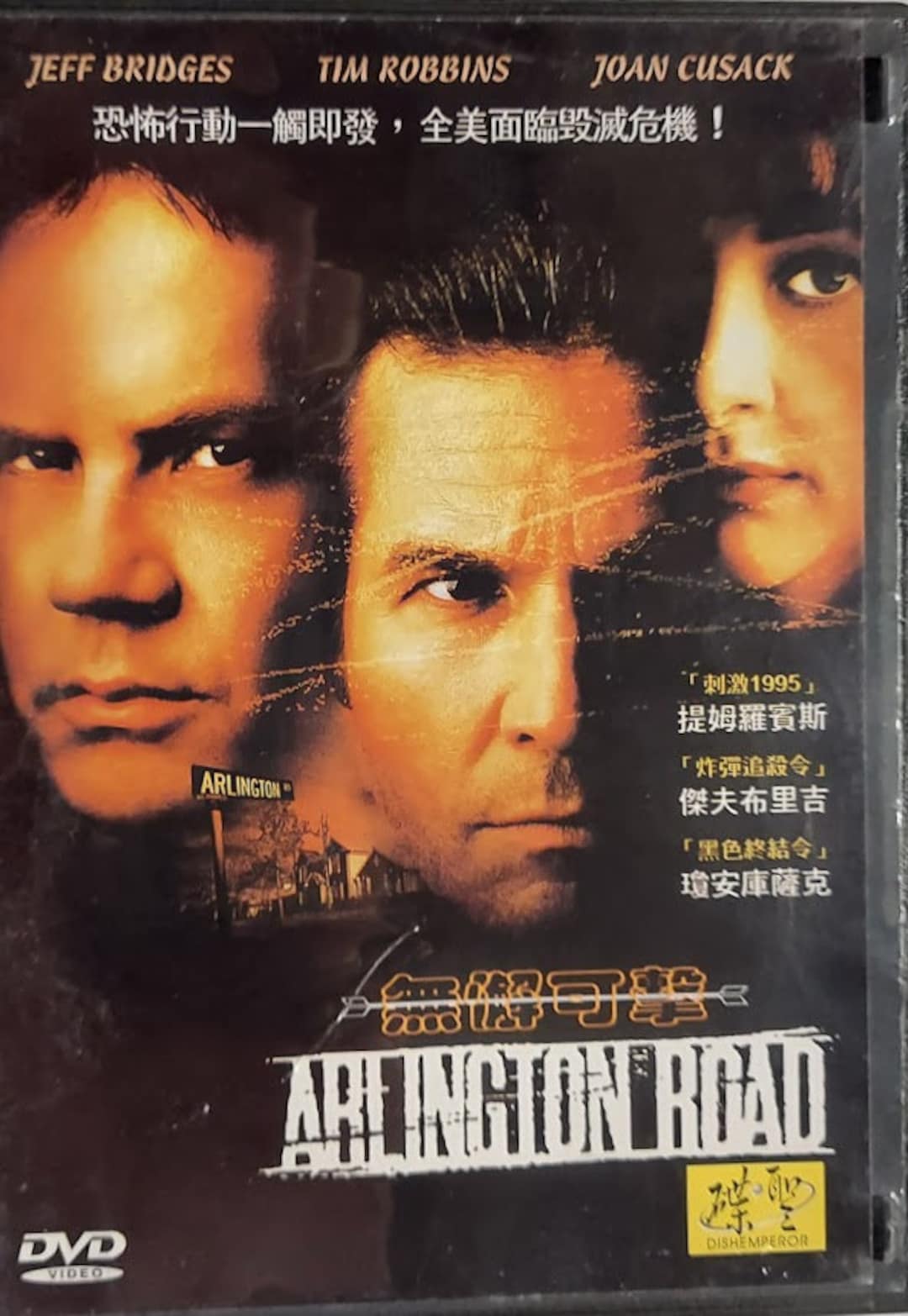
Arlington Road, the 1999 neo-noir thriller starring Jeff Bridges and Tim Robbins, is currently available for streaming on Netflix as of 2026. This gripping exploration of domestic terrorism and suburban paranoia has seen a massive resurgence in viewership due to its hauntingly relevant themes regarding radicalization, misinformation, and the "enemy next door" trope.
The film follows Michael Faraday (Jeff Bridges), a widowed college professor specializing in the history of American terrorism. Following the tragic death of his FBI-agent wife in a botched raid, Faraday becomes increasingly obsessed with his new neighbors, the Langs (Tim Robbins and Joan Cusack). What begins as a neighborly friendship quickly devolves into a terrifying spiral of suspicion, as Faraday begins to believe that the seemingly perfect suburban family is planning a catastrophic act of violence.
The Enduring Relevance of Arlington Road in 2026
Watching Arlington Road in 2026 offers a vastly different experience than it did upon its initial release at the turn of the millennium. In 1999, the film was often viewed as an extreme, almost cynical take on post-Oklahoma City bombing anxieties. Today, in an era defined by deep-seated political polarization and the rapid spread of digital radicalization, the movie feels less like a work of fiction and more like a prophetic cautionary tale.
The narrative masterfully plays with the concept of confirmation bias. Michael Faraday is a man grieving a profound loss, making him an "unreliable" protagonist in the eyes of his girlfriend, Brooke (Hope Davis), and his former colleagues. The brilliance of the script by Ehren Kruger lies in its ability to keep the audience questioning whether Faraday is uncovering a genuine conspiracy or if he is simply a man broken by trauma, lashing out at the world around him.
Deep Dive: Plot Mechanics and Character Dynamics
To understand why Arlington Road remains one of the most effective thrillers on Netflix, one must examine the meticulous construction of its tension.
Michael Faraday: The Vulnerable Intellectual
Jeff Bridges delivers a powerhouse performance as Faraday. Unlike the invincible action heroes of the late 90s, Faraday is intellectually sharp but emotionally fragile. His profession as a history professor allows the film to weave in real-world historical contexts, such as the Ruby Ridge incident and the Waco siege. These references ground the film’s fictional stakes in a reality that feels uncomfortably close to home.
The Langs: The Mask of Normalcy
Tim Robbins as Oliver Lang is the perfect foil to Bridges. Lang is charismatic, a community leader, and a dedicated father. Robbins plays the character with a chilling "midwestern nice" exterior that occasionally slips, revealing a cold, calculating interior. Joan Cusack, as Cheryl Lang, provides perhaps the film's most unsettling performance. Her portrayal of the supportive suburban wife—imbued with a subtle, predatory edge—adds a layer of domestic horror that elevates the film beyond a standard political thriller.
The Construction of Paranoia
The film utilizes the setting of Northern Virginia—specifically the leafy, anonymous suburbs—to create a sense of claustrophobia. Director Mark Pellington uses tight framing and an increasingly dissonant score to mirror Faraday’s deteriorating mental state. Every interaction between the neighbors is scrutinized: a misplaced blueprint, a casual lie about a childhood home, or an unexplained late-night trip to the hardware store.
Technical Specifications for Streaming on Netflix
For viewers accessing Arlington Road in 2026, Netflix has optimized the viewing experience to meet modern standards. While the film was shot on 35mm film, the digital restoration available on the platform preserves the intended grain and color palette while enhancing clarity for modern displays.
| Feature | Specification |
|---|---|
| Resolution | 4K Ultra HD (on supported plans) |
| High Dynamic Range | Dolby Vision / HDR10 Support |
| Audio Format | Dolby Atmos (Remastered) / 5.1 Surround |
| Aspect Ratio | 2.35:1 (Widescreen) |
| Runtime | 1 hour 57 minutes |
| Language Support | Multiple Subtitles & Dubbing available |
Watching in 4K allows for a better appreciation of Pellington’s visual language. The shadows in the Langs' basement and the frantic, shaky-cam sequences of the film’s climax benefit significantly from the increased bit-depth of HDR, ensuring that the tension isn't lost in murky black levels.
Examining the Cultural Impact and "The Ending"
Warning: While this section avoids specific blow-by-blow spoilers, it discusses the nature of the film's conclusion.
Arlington Road is perhaps most famous for its ending. In a decade where Hollywood typically favored "happy" or at least "resolved" endings, this film took a different path. It remains one of the most discussed finales in thriller history. The conclusion challenges the audience's desire for justice and closure, forcing a confrontation with the idea that the "good guy" doesn't always win, and that the systems meant to protect us can be manipulated from within.
In 2026, this ending resonates even more strongly. The film explores how narratives are controlled. It demonstrates how a single event can be framed by the media and the state to fit a specific agenda, regardless of the truth. This theme of "manufactured reality" is a cornerstone of modern sociopolitical discourse, making the film's 27-year-old script feel incredibly contemporary.
Why You Should Watch It Now
If you are a fan of psychological thrillers like Se7en, The Game, or Prisoners, Arlington Road is an essential addition to your Netflix queue. It moves at a deliberate pace, building a sense of dread that is rarely achieved in modern cinema.
- Stellar Performances: Bridges and Robbins are at the height of their powers, delivering nuanced performances that avoid caricature.
- Thematic Depth: It explores grief, the cost of obsession, and the fragility of the American Dream.
- Visual Storytelling: Mark Pellington’s background in music videos (specifically his work with Pearl Jam and U2) translates into a visually kinetic style that keeps the audience off-balance.
- No Easy Answers: The film respects the audience's intelligence, offering a complex moral landscape where the lines between hero and villain are blurred.
Troubleshooting and Streaming Requirements
To ensure the best experience when streaming Arlington Road on Netflix, consider the following technical prerequisites:
- Internet Speed: For 4K streaming, a stable connection of at least 25 Mbps is recommended. If your bandwidth is lower, Netflix will automatically scale the resolution to 1080p.
- Plan Eligibility: Ensure your Netflix subscription includes the "Premium" tier if you wish to view the film in Ultra HD and with Dolby Atmos sound.
- Device Compatibility: To enjoy the remastered audio, a compatible soundbar or home theater system supporting Dolby Atmos is required. If viewing on a tablet or laptop, high-quality headphones are recommended to catch the subtle sound design choices.
- Regional Availability: While available in the US and several European markets in 2026, streaming rights can vary. If you cannot find it in your local library, it may be due to licensing agreements specific to your region.
Comparison: Arlington Road vs. Contemporary Thrillers
| Aspect | Arlington Road (1999) | Modern Thrillers (2020s) |
|---|---|---|
| Primary Theme | Domestic Radicalization | Digital/Cyber Surveillance |
| Pacing | Slow-burn / Psychological | High-octane / Action-heavy |
| Antagonist | The Charismatic Neighbor | The Unseen Algorithm / State Power |
| Ending Style | Defiantly Dark / Ambiguous | Often Franchise-friendly / Resolving |
| Cinematography | Gritty, Handheld 35mm | Clean, High-Contrast Digital |
Frequently Asked Questions
Is Arlington Road based on a true story?
No, Arlington Road is a fictional story. However, screenwriter Ehren Kruger was heavily influenced by real-life events of the 1990s, including the Oklahoma City bombing and the rising tension between the federal government and fringe anti-government groups. The film serves as a composite of various domestic anxieties present in the United States during that era.
Why is the film rated R?
The film is rated R for strong language and sequences of intense violence and terror. The psychological weight of the film is significant; it deals with heavy themes of child endangerment and mass casualties, which contribute to its restrictive rating.
Who directed Arlington Road?
The film was directed by Mark Pellington. Pellington is known for his atmospheric and visually distinct style, which he also applied to the 2002 film The Mothman Prophecies. His ability to create a sense of "wrongness" in everyday settings is a hallmark of his work.
Does the Netflix version include bonus features?
Generally, Netflix provides the feature film only. For director's commentaries, behind-the-scenes documentaries, or the alternative endings discussed by the cast in older interviews, viewers may need to seek out the physical media releases or specialized digital retailers.
What should I watch after Arlington Road?
If you enjoyed the themes of Arlington Road, you might also look for The Conversation (1974) for its focus on surveillance and paranoia, or The Gift (2015), which deals with the "unsettling neighbor" trope in a modern context.
Final Recommendation
Arlington Road is a rare example of a thriller that has only improved with age. In 2026, its exploration of how easily we can be manipulated—and how little we truly know about the people living next door—is more relevant than ever. Whether you are discovering it for the first time or revisiting it after two decades, it remains a chilling, expertly crafted piece of cinema that will stay with you long after the credits roll.
Next Action: Add Arlington Road to your Netflix "My List" today. For the most immersive experience, watch it during the evening with a high-quality sound system to fully appreciate the remastered audio and the film's pervasive atmosphere of dread.