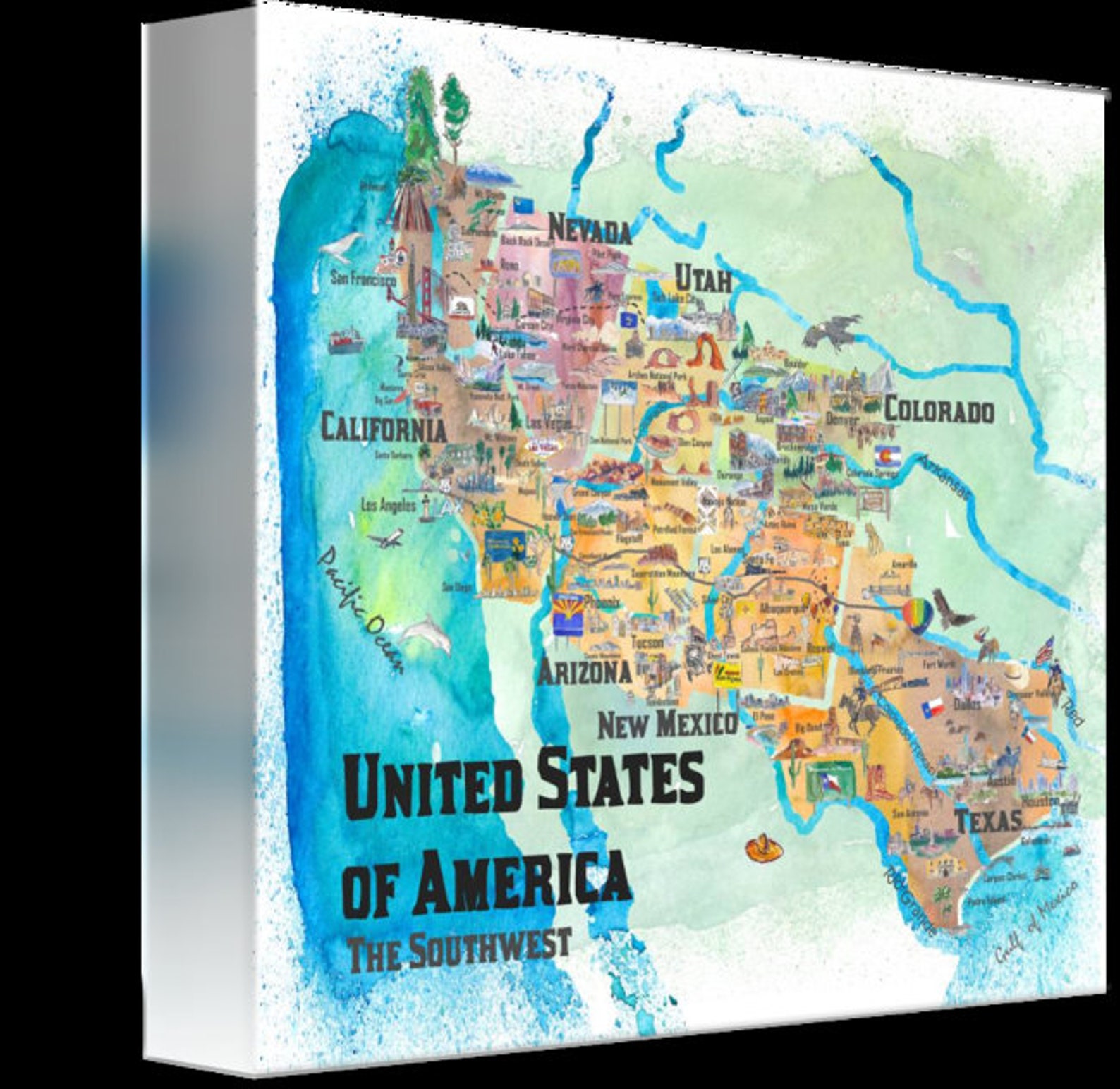
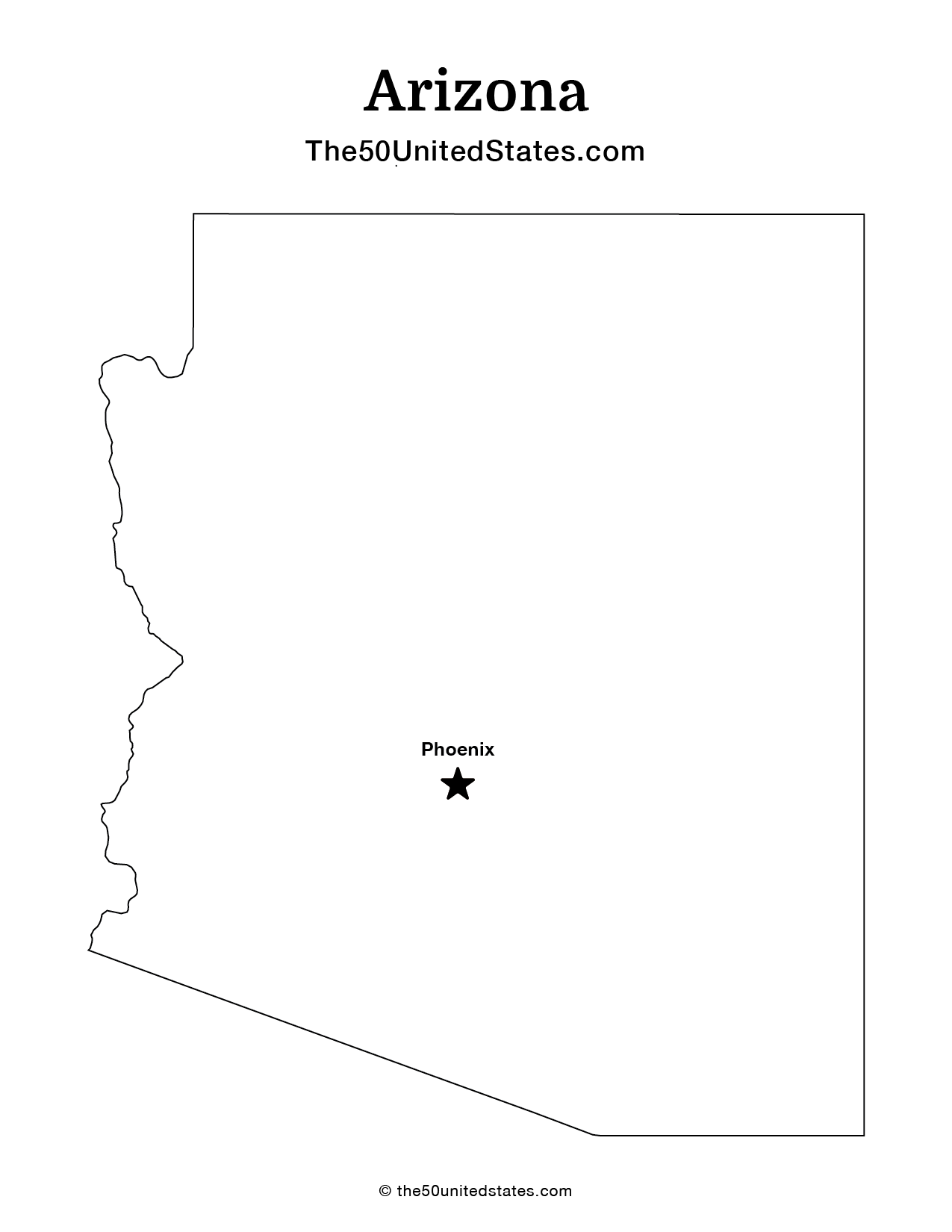
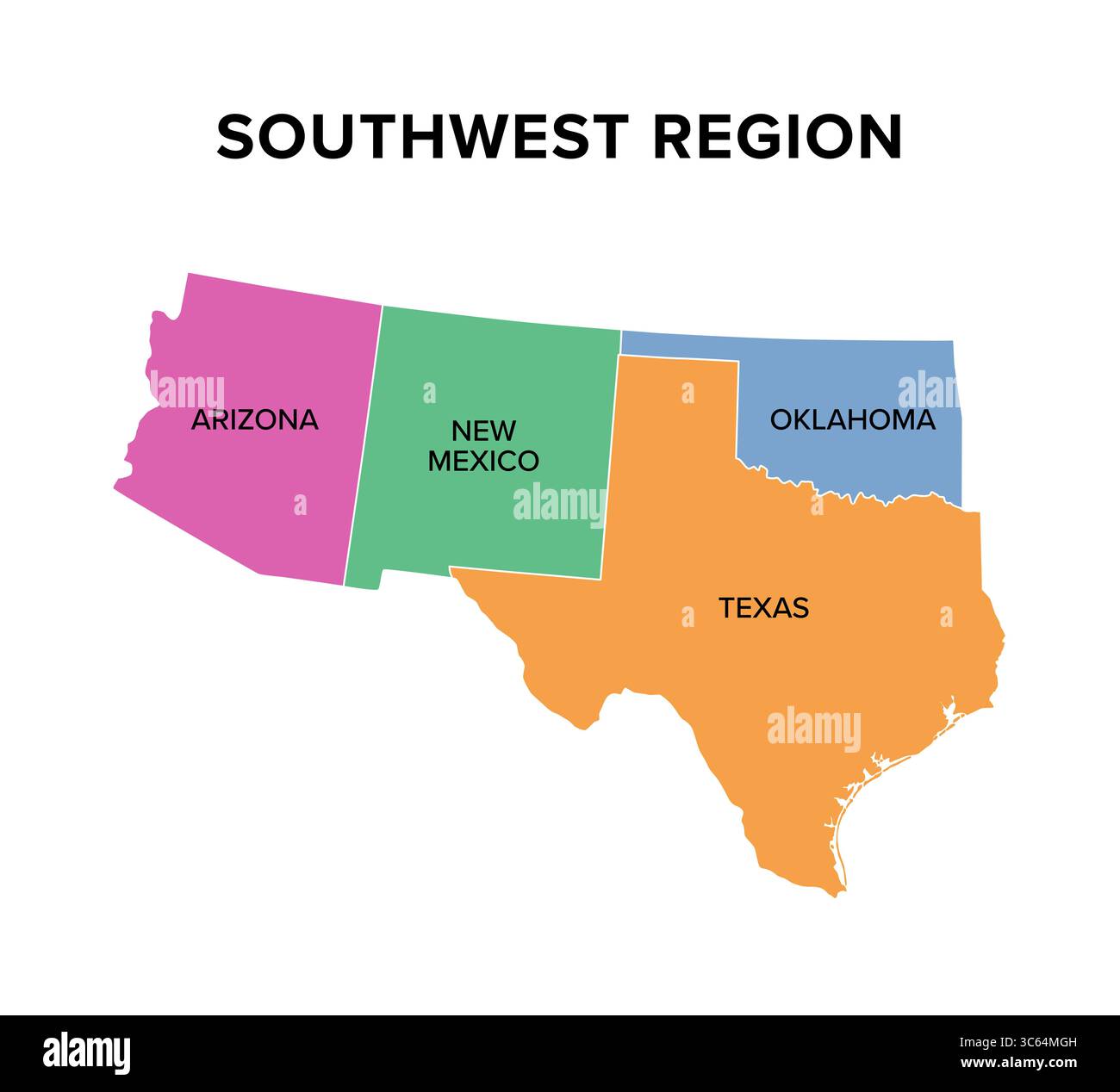
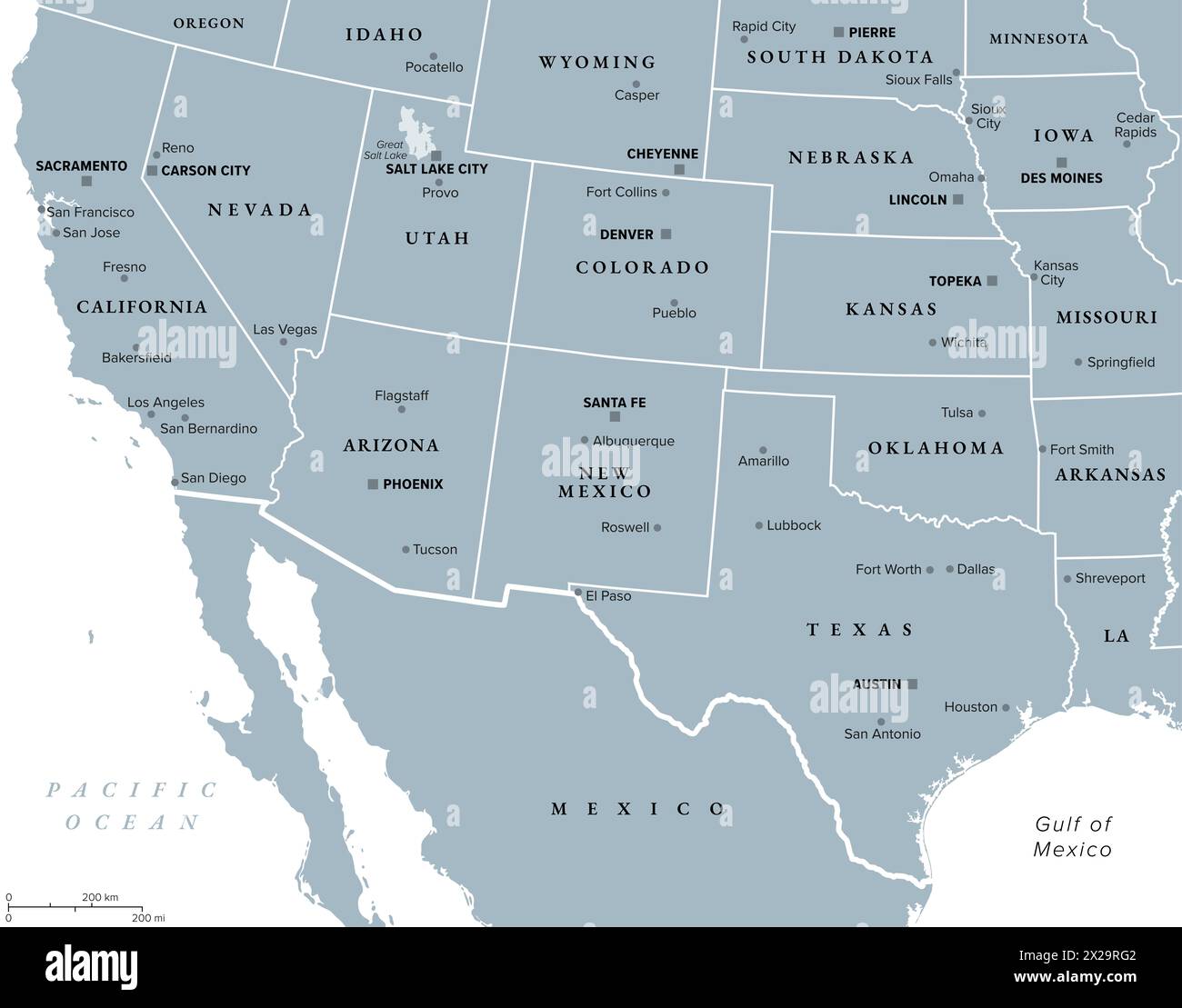
Arizona is a landlocked state located in the Southwestern region of the United States, bordered by Mexico to the south and five U.S. states. Its identity is fundamentally defined by its arid landscapes, the majestic Grand Canyon, a profound indigenous heritage, and a historical fusion of Spanish and Mexican cultural influences.
Geographic Placement: The Anchor of the Four Corners
Geographically, Arizona is situated in the Western United States, specifically within the Mountain West subregion. It is the sixth-largest state by area, covering approximately 113,990 square miles. As of 2026, it remains one of the fastest-growing states in the Union, driven by its strategic location and the expansion of the "Sun Belt" economic corridor.
The state’s borders are a defining feature of its regional identity. To the north lies Utah, to the east is New Mexico, and to the west are Nevada and California. In the northeast, Arizona meets Colorado, New Mexico, and Utah at the Four Corners Monument, the only point in the United States where four states share a common boundary. To the south, Arizona shares an international border with the Mexican states of Sonora and Baja California, a proximity that has shaped its demographic and cultural trajectory for centuries.
Arizona’s topography is remarkably diverse, transitioning from the high-altitude Colorado Plateau in the north to the Basin and Range province in the south. The north is characterized by deep canyons, volcanic mountains, and large evergreen forests, while the south features rugged mountain ranges separated by broad, desert valleys. This geographic variety allows for a wide range of ecosystems, from the alpine tundra of the San Francisco Peaks to the subtropical heat of the Yuma desert.
Defining the "Southwest" Identity
The term "Southwest" is more than a cardinal direction; it is a cultural and aesthetic construct that Arizona embodies perhaps more than any other state. This identity is a tapestry woven from three primary threads: the environment, the indigenous presence, and the colonial legacy.
The Environmental Ethos
The Southwest identity is inextricably linked to the Sonoran Desert, which covers much of southern Arizona. Unlike the starker Mohave or Great Basin deserts, the Sonoran is biologically lush, famous for the iconic Saguaro cactus. The Saguaro has become the universal visual shorthand for the American Southwest, representing resilience and the unique beauty of the arid landscape. The climate—characterized by intense summer heat and a late-summer "Monsoon" season—dictates the rhythms of life, architecture, and even the local vocabulary.
The Myth of the "Wild West"
Arizona occupies a central place in the American mythos of the frontier. Historical figures like Wyatt Earp, Geronimo, and the legendary gunfighters of Tombstone have solidified the state’s image as a land of rugged individualism and lawless horizons. While modern Arizona is a hub of high-tech manufacturing and urban sprawl, this frontier spirit remains a core component of its identity, reflected in the state’s political culture, land-use policies, and the preservation of historic mining towns.
The Influence of the 22 Sovereign Tribal Nations
Arizona’s identity is deeply rooted in the history and ongoing presence of its indigenous peoples. The state is home to 22 federally recognized tribes, and nearly one-quarter of the state’s land is designated as reservation land. The largest of these, the Navajo Nation, spans the northeast corner of the state and is the largest land-based Indian reservation in the United States.
These nations, including the Hopi, Apache, Tohono O'odham, and Pima, among others, contribute a living heritage that is foundational to the state's character. Their influence is seen in:
- Art and Craftsmanship: The intricate silverwork, turquoise jewelry, and woven textiles of the Navajo and the pottery of the Hopi are global symbols of Southwestern art.
- Architecture: The ancient cliff dwellings at Montezuma Castle and the sprawling ruins of Wupatki provide a sense of deep time that few other regions in the U.S. can claim.
- Natural Resource Management: Tribal nations play a critical role in the 2026 discussions regarding water rights, particularly concerning the allocation of the Colorado River, an essential resource for the entire Southwest.
The persistence of these cultures ensures that Arizona’s identity is not merely a historical relic but a dynamic, evolving partnership between the state government and sovereign tribal entities.
The Hispanic and Mexican Legacy
Arizona’s identity is inseparable from its history as a part of New Spain and, later, Mexico. Following the Mexican-American War and the subsequent Gadsden Purchase of 1854, the region became part of the United States, but the cultural foundation remained.
This Hispanic legacy manifests in several key areas:
- Language and Place Names: From the city of Tucson to the Mogollon Rim, the state’s map is a testament to its Spanish roots. Bilingualism is a common feature of daily life in major metropolitan areas like Phoenix and Yuma.
- Architecture: The "Santa Fe" and "Territorial" architectural styles, characterized by flat roofs, adobe walls, and exposed wooden beams (vigas), are prevalent throughout the state. This aesthetic seeks to harmonize human habitation with the desert environment.
- Culinary Identity: Arizona is the birthplace of "Sonoran-style" Mexican food, which emphasizes flour tortillas, grilled meats (carne asada), and the famous Sonoran hot dog. This culinary tradition is a primary driver of the state’s tourism and cultural appeal.
Modern Arizona: The Tech and Water Nexus in 2026
As of 2026, Arizona’s identity is undergoing a transformation from the traditional "5 C's"—Copper, Cattle, Cotton, Citrus, and Climate—to a modern "Silicon Desert." The state has successfully attracted massive investments in semiconductor manufacturing and green energy. This shift has brought a younger, more diverse population to the state, further complicating and enriching its Southwestern identity.
However, this growth faces a significant challenge: water sustainability. Arizona is a leader in water reclamation and conservation technology, a necessity driven by the long-term drought conditions affecting the Colorado River basin. The state’s ability to balance its rapid urban expansion with the realities of its arid environment is the defining issue of 2026, shaping how the "Southwest" identity adapts to a changing climate.
Comparative Regional Identity Markers
The following table compares Arizona's specific Southwestern attributes with those of its neighbors to illustrate its unique position.
| Feature | Arizona (The Southwest Core) | New Mexico (The High Southwest) | Nevada (The Great Basin) |
|---|---|---|---|
| Primary Desert | Sonoran | Chihuahuan / High Plateau | Mojave / Great Basin |
| Iconic Flora | Saguaro Cactus | Piñon Pine / Yucca | Joshua Tree / Sagebrush |
| Colonial Influence | Spanish / Sonoran Mexican | Spanish / Puebloan | Late Pioneer / Modern Urban |
| Major Economic Driver | Tech / Mining / Tourism | Government / Arts / Energy | Gaming / Logistics / Energy |
| Key Landmark | Grand Canyon | White Sands / Santa Fe | Lake Mead / Las Vegas Strip |
| Topography | Deep Canyons / Rugged Peaks | High Altitudes / Mesas | Basin and Range / Dry Lakes |
Strategic Guidance for Travelers and Prospective Residents
Understanding Arizona requires acknowledging its extremes. Whether you are visiting for the first time or considering a relocation in 2026, keep these practical factors in mind:
Navigating the Climate
The state is divided into "Low Desert" (Phoenix, Tucson, Yuma) and "High Country" (Flagstaff, Sedona, Prescott). In 2026, heat mitigation strategies are a critical part of urban planning. Travelers should avoid outdoor activities during the peak heat hours of 11:00 AM to 6:00 PM during the summer months. Conversely, the High Country can experience significant snowfall and freezing temperatures, requiring appropriate gear even if the valleys are warm.
Cultural Etiquette on Tribal Lands
Many of Arizona’s most stunning natural features, such as Antelope Canyon and parts of the Monument Valley, are located on tribal lands. These are sovereign nations with their own laws and entry requirements. Visitors should always check for permits, follow photography restrictions (which are strictly enforced in many villages), and respect the privacy of the residents. Information can be found through the official Arizona Office of Tourism or individual tribal government websites.
Water and Resource Conservation
By 2026, water conservation is not just a suggestion but a way of life in the Southwest. Both residents and visitors are expected to adhere to local ordinances regarding water use. Understanding the "arid-scaping" (Xeriscaping) movements and the history of the Central Arizona Project (CAP) provides a deeper appreciation for the effort required to maintain a modern civilization in the desert.
Frequently Asked Questions
Is Arizona considered part of the West or the South?
Arizona is definitively part of the Western United States, specifically the Southwest. While it shares some political traits with the South and a border with Mexico, its geography, history of the "Wild West," and lack of connection to the American Civil War's Southern theater place it firmly in the Western cultural sphere.
What are the "5 C's" of Arizona?
The "5 C's" are Copper, Cattle, Cotton, Citrus, and Climate. Historically, these were the five pillars of the Arizona economy. While their economic dominance has been surpassed by technology and healthcare, they remain vital symbols of the state's heritage and still play a significant role in rural Arizona's economy.
Why is the Saguaro cactus only found in the Southwest?
The Saguaro (Carnegiea gigantea) is endemic to the Sonoran Desert. It requires specific conditions: a lack of hard freezes and a specific pattern of summer and winter rainfall. Because Arizona contains the largest portion of the Sonoran Desert in the U.S., the Saguaro has become the primary biological identifier for the state's Southwest identity.
How does Arizona’s identity differ from New Mexico’s?
While both are core Southwest states, New Mexico’s identity is heavily influenced by the high-altitude "Pueblo" culture and a longer-standing Spanish colonial presence in the north. Arizona’s identity is more tied to the "Low Desert" Sonoran culture, the later "Wild West" mining era, and the massive 20th-century urban growth of cities like Phoenix.
Can you visit the Grand Canyon all year round in 2026?
Yes, but the experience varies by rim. The South Rim is open year-round and is the most accessible. The North Rim is typically closed during the winter months (roughly October to May) due to its higher elevation and heavy snowfall. In 2026, advanced reservations for camping and lodge stays are highly recommended at least 6-12 months in advance through the National Park Service.
Final Recommendation
To truly experience the Southwest identity of Arizona, one must look beyond the sprawling suburbs of Phoenix. A comprehensive itinerary should include the cultural depth of Tucson’s historic barrios, the majestic silence of the Navajo Nation’s red rocks, and the sheer geological scale of the Grand Canyon. For those moving to the state, embracing the desert's unique ecological requirements—specifically water conservation and heat management—is essential for a sustainable and fulfilling life in this rugged, beautiful corner of the United States.