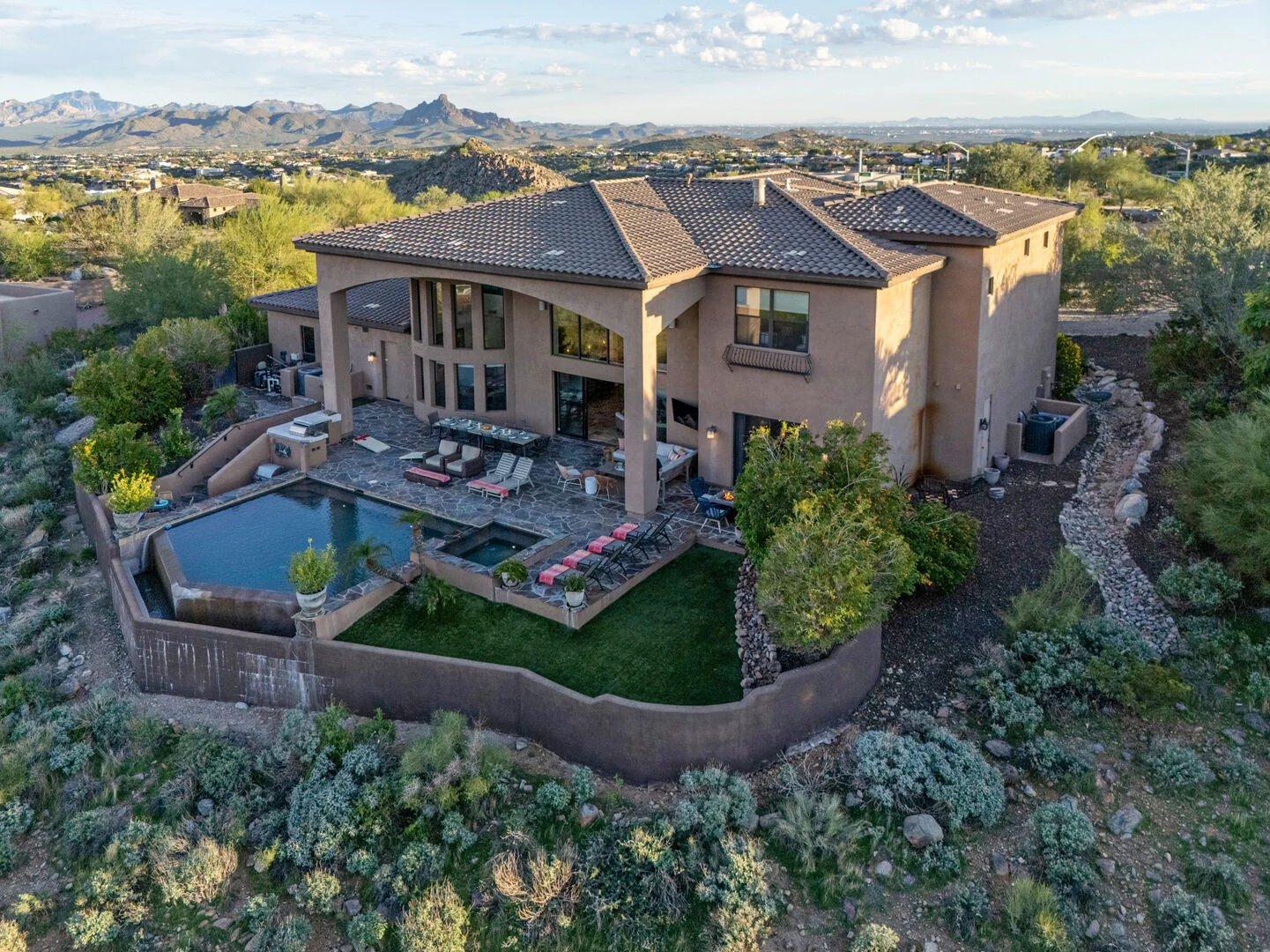
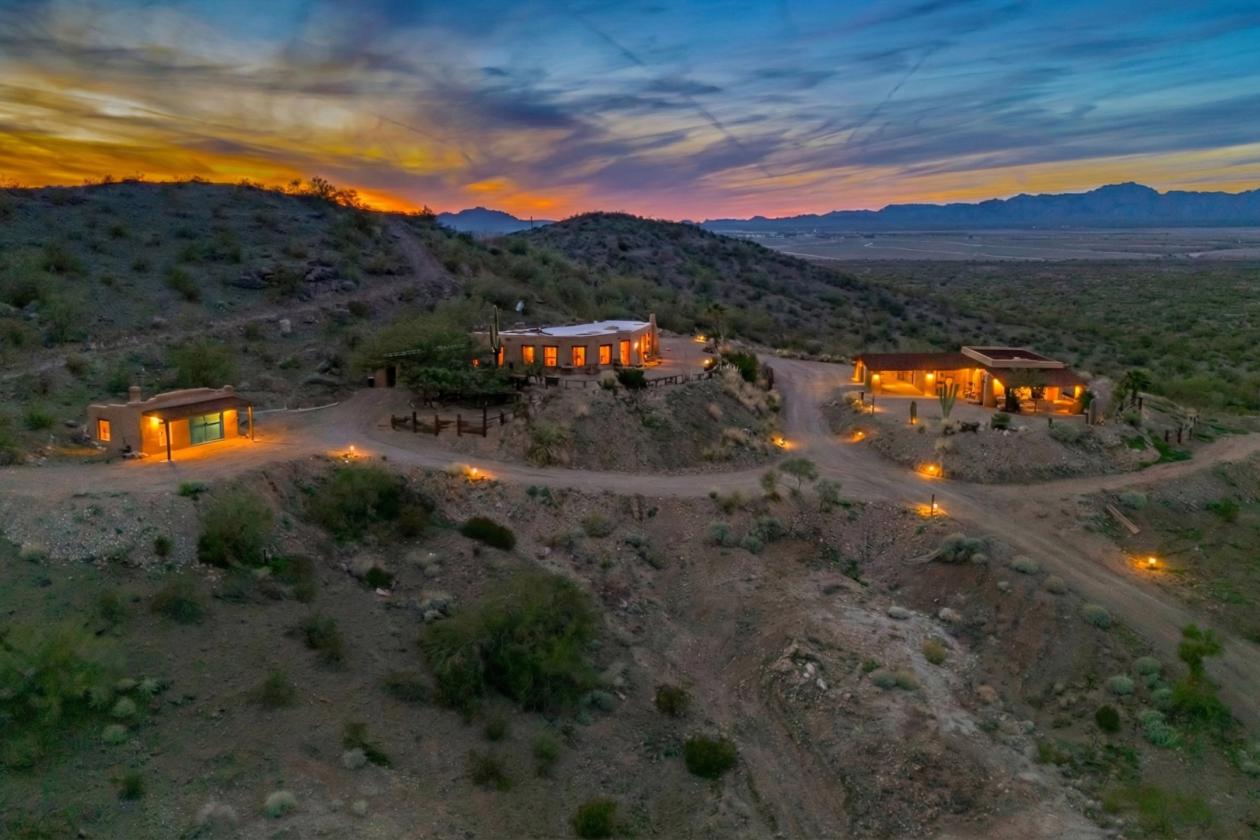
Arizona oceanfront property is a myth because Arizona is a landlocked state located in the southwestern United States, separated from the Pacific Ocean by California and from the Gulf of California by the Mexican state of Sonora. While popular culture and country music have immortalized the concept as a humorous "scam," Arizona has no coastline and no immediate geological prospect of gaining one.
The notion of "Arizona oceanfront property" has lived in the American psyche for decades, primarily as a metaphor for gullibility or a blatant lie. Whether you are a real estate investor looking for a desert oasis or a fan of classic country music, understanding the geographical, historical, and geological reality of the Grand Canyon State is essential to debunking this persistent bit of Americana. In 2026, as the Arizona real estate market remains a focal point of national interest, it is more important than ever to distinguish between actual waterfront opportunities and the legendary "oceanfront" myth.
The Geographical Reality: Arizona’s Landlocked Borders
To understand why Arizona oceanfront property is a myth, one must first look at a map of the North American continent. Arizona is a landlocked state, meaning it is surrounded entirely by land on all sides. It shares borders with several other entities, none of which provide it with direct access to an ocean:
- California (West): The Golden State acts as a massive buffer between Arizona and the Pacific Ocean. At its narrowest point, approximately 150 miles of California land separate the Arizona border from the Pacific coast.
- Nevada (Northwest): Nevada is also landlocked, providing a border characterized by the Colorado River and the Mojave Desert.
- Utah (North): Arizona’s northern neighbor is famous for its high plateaus and canyonlands, situated far from any maritime influence.
- New Mexico (East): To the east, Arizona is bordered by the high deserts and mountains of New Mexico.
- Mexico (South): Arizona shares a long international border with the Mexican states of Sonora and Baja California. While Sonora has an extensive coastline along the Gulf of California (also known as the Sea of Cortez), that land belongs to Mexico, not the United States.
The closest body of saltwater to Arizona is the Gulf of California. For residents of Phoenix or Tucson, the drive to the ocean in Puerto Peñasco, Mexico (often called "Rocky Point"), is roughly 60 to 210 miles, depending on the starting point. However, crossing an international border and entering a different sovereign nation confirms that Arizona itself possesses no maritime territory.
The Cultural Origins: George Strait and the Art of the Lie
The most significant reason the phrase "Arizona oceanfront property" remains in the public consciousness is the 1987 hit song "Ocean Front Property" by country music legend George Strait. The song’s lyrics use the impossibility of Arizona having a coastline as a metaphor for the singer’s dishonesty about his feelings.
The chorus famously claims: "If you'll buy that, I'll throw the Golden Gate in free."
In the context of the song, Strait is telling an ex-lover that he won't miss her and doesn't love her anymore. He then admits these are lies by offering to sell her oceanfront property in Arizona—something that obviously does not exist. The song was a massive success, reaching number one on the Billboard Hot Country Songs chart and cementing the phrase as a cultural shorthand for a "bridge for sale" style scam.
By 2026, the song remains a staple of classic country rotations, ensuring that every new generation of music listeners is introduced to the "myth" of the Arizona coast. The cultural persistence of this joke has even led to novelty real estate signs and "beach house" decorations in desert cities like Scottsdale and Mesa, further blurring the lines for those unfamiliar with U.S. geography.
The "Lex Luthor" Effect: Pop Culture and the Sinking Coast
Another major contributor to the myth is the 1978 film Superman, starring Christopher Reeve. In the movie, the villain Lex Luthor devises a plan to trigger a massive earthquake along the San Andreas Fault using nuclear weapons. His goal is to cause the entire state of California to sink into the Pacific Ocean.
Luthor’s logic was that his massive holdings of worthless desert land in Arizona would suddenly become high-value oceanfront property. While the science of the movie was entirely fictional—plate tectonics do not work by "sinking" landmasses into the sea in a clean break—the idea captured the public imagination. It created a "what if" scenario that people still discuss today: Could a catastrophic geological event ever make Arizona a coastal state?
The Geological Perspective: Was Arizona Ever Underwater?
While Arizona oceanfront property is a myth in human history, it was a reality in geological deep time. Hundreds of millions of years ago, the geography of North America was unrecognizable compared to today.
During the Paleozoic Era, much of what is now Arizona was covered by shallow epicontinental seas. Evidence of this can be seen in the layers of the Grand Canyon. The Redwall Limestone, for example, was formed from the remains of marine organisms that lived in a warm, shallow sea approximately 340 million years ago. Later, during the Cretaceous Period (about 100 million years ago), the Western Interior Seaway split North America in half, with its western shore occasionally fluctuating near the eastern edges of what we now call Arizona.
However, these seas retreated long before humans existed. The tectonic forces that created the modern American West—specifically the uplift of the Colorado Plateau and the formation of the Basin and Range province—pushed the land high above sea level. Today, Arizona’s average elevation is about 4,000 feet, making it one of the "highest" states in the country. For the ocean to reach Arizona in 2026, the sea level would need to rise by several thousand feet, an event that would submerge almost every major coastal city on Earth long before Phoenix felt a breeze.
Future Tectonics: Will Arizona Ever Have a Coast?
In the world of geology, the Earth’s surface is constantly shifting. The San Andreas Fault is a transform boundary where the Pacific Plate and the North American Plate are sliding past each other. The Pacific Plate (carrying Los Angeles and coastal California) is moving northwest toward Alaska.
Some geologists theorize that millions of years into the future, the Gulf of California will continue to unzip northward through the Salton Trough. This rifting process could eventually separate the Baja Peninsula and parts of Southern California from the mainland. If this rifting continues far enough inland and deep enough into the crust, it is theoretically possible that the ocean could move closer to the Arizona border.
However, "closer" is relative. Even in these extreme geological scenarios, the process takes millions of years. For any practical purpose in 2026, or for the next several thousand human generations, Arizona will remain a desert state.
"Arizona’s Beach": The Reality of Puerto Peñasco
Because Arizona lacks its own coast, residents have "adopted" a specific location in Mexico as their own. Puerto Peñasco, known to Americans as Rocky Point, is located on the shores of the Sea of Cortez in the state of Sonora, Mexico.
For many Arizonans, this is the functional equivalent of "Arizona oceanfront property." It is roughly a four-hour drive from Phoenix, making it a popular weekend getaway. This proximity often leads to confusion for travelers or new residents who hear people talking about "going to the beach for the weekend" while living in a landlocked desert.
| Feature | Arizona (Landlocked) | Puerto Peñasco (Mexico) | Southern California (Closest US Coast) |
|---|---|---|---|
| Primary Waterfront | Rivers and Man-made Lakes | Sea of Cortez (Gulf of California) | Pacific Ocean |
| Distance from Phoenix | 0 miles | ~210 miles (3.5 - 4 hours) | ~350 miles (5.5 - 6 hours) |
| Legal Jurisdiction | United States (Arizona) | Mexico (Sonora) | United States (California) |
| Real Estate Type | Desert/Mountain/Urban | International Beachfront | High-Value Coastal |
| Primary Activities | Hiking, Golfing, Boating | Fishing, Snorkeling, Shrimping | Surfing, Sailing, Sunbathing |
Real Estate Scams and the "Dry Land" Problem
The myth of Arizona oceanfront property is more than just a song lyric; it is a cautionary tale in the world of real estate. Throughout the 20th century, unscrupulous developers sold "undiscovered" Arizona land to investors in the East and Midwest who had never visited the state.
These scams often involved:
- Over-promising amenities: Claiming the land was near water or "future developments" that never materialized.
- Using the "Oceanfront" Joke: Selling land near the Colorado River or the Salton Sea (in California) under the guise of it being "coastal" or "becoming coastal soon."
- Selling Uninhabitable Land: Investors would find they had purchased a square of "raw desert" with no access to water, electricity, or roads—essentially "dry land" that was worthless for residential use.
In 2026, modern buyers must still be wary. While the "oceanfront" scam is now mostly a joke, "waterfront" scams are real. Properties near man-made lakes (like Lake Havasu or Lake Pleasant) or along the Colorado River are often marketed with high premiums. Buyers should verify water rights, as Arizona's long-term drought conditions can affect the viability of "waterfront" properties that rely on receding reservoirs.
Why the Myth Endures in 2026
The endurance of the Arizona oceanfront myth in 2026 can be attributed to three main factors:
- Iconic Branding: George Strait’s song is a masterpiece of songwriting that uses a geographical impossibility to explain a human emotion. As long as that song is played, the myth lives on.
- The Desire for the Impossible: Humans are naturally drawn to the idea of a "hidden gem" or a massive shift in fortune. The idea that a desert lot could one day become a beach resort is the ultimate real estate fantasy.
- Humor and Local Identity: Arizonans embrace the joke. You will find "Arizona Surf Club" t-shirts and "Beach Property" signs in the middle of the Sonoran Desert. It is a way for residents to poke fun at their own climate and the searing heat of the summer.
FAQ
1. Is there any saltwater in Arizona?
No, there are no natural saltwater oceans or seas in Arizona. There are several large freshwater reservoirs, such as Lake Powell and Lake Havasu, and various rivers, most notably the Colorado River. Some desert groundwater can be "brackish" (slightly salty), but it is not an ocean.
2. What is the closest beach to Phoenix, Arizona?
The closest beach to Phoenix is Puerto Peñasco (Rocky Point), Mexico, located approximately 212 miles away. Within the United States, the closest ocean beaches are in the San Diego, California area, which is about 350 miles (a 5.5-hour drive) from Phoenix.
3. Did George Strait actually try to sell land in Arizona?
No. George Strait is a singer and songwriter. The song "Ocean Front Property" is a fictional narrative where the character is lying about his feelings. Strait himself is not associated with any real estate developments in Arizona.
4. Can the San Andreas Fault really make Arizona a coastal state?
Not in the way movies suggest. While tectonic movement is real, it occurs at a rate of a few centimeters per year. Even if the Gulf of California expanded, it would take millions of years for the coastline to reach the Arizona border. There is no scientific evidence that a single earthquake could "sink" California and bring the ocean to Arizona.
5. What does "waterfront" property look like in Arizona?
Actual waterfront property in Arizona typically borders man-made lakes (like Lake Havasu, Lake Pleasant, or Tempe Town Lake) or the Colorado River. These properties are highly valued but are subject to strict water usage regulations and fluctuating water levels due to regional drought.
6. Is it legal for Americans to buy the "functional" Arizona oceanfront in Mexico?
Yes, Americans can buy property in Mexico, including in Puerto Peñasco. However, there are specific legal requirements, such as the fideicomiso (a bank trust), because Mexican law restricts direct ownership of land by foreigners within 50 kilometers of the coast.
Practical Recommendation for Buyers
If you are looking for property in Arizona in 2026, do not let the "oceanfront" myth distract you from the state's actual real estate strengths. Arizona offers incredible mountain views, high-desert climates, and vibrant urban centers. If you truly want a waterfront lifestyle, focus your search on the Colorado River corridor (Bullhead City, Lake Havasu City, or Parker) or established lake communities in the East Valley of Phoenix.
Always conduct a physical inspection of the land, verify "water availability reports" from the Arizona Department of Water Resources (ADWR), and ensure the property has legal access. While you won't find a beach with a tide, you can find some of the most beautiful desert landscapes in the world—and that is a reality, not a myth.