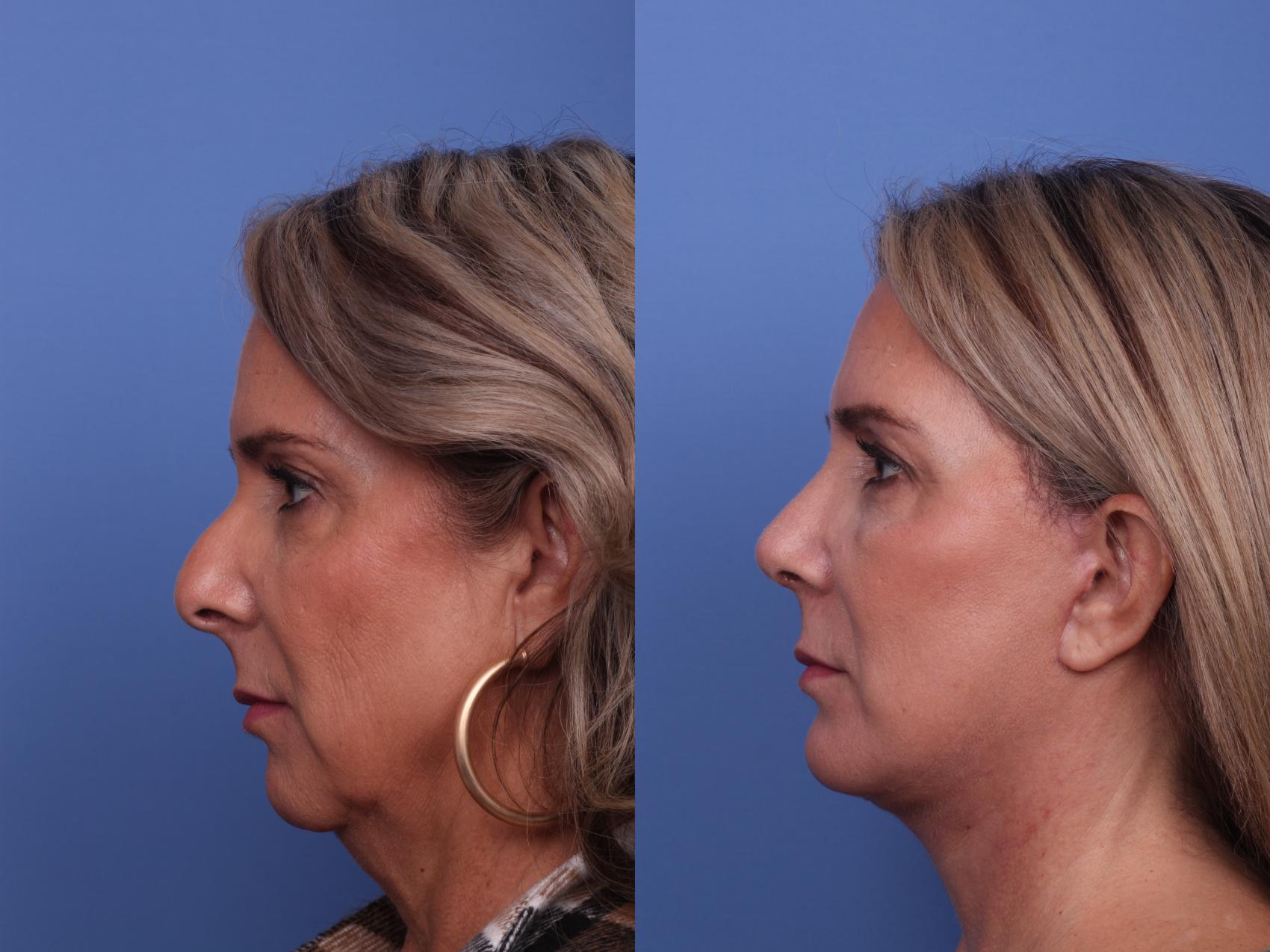
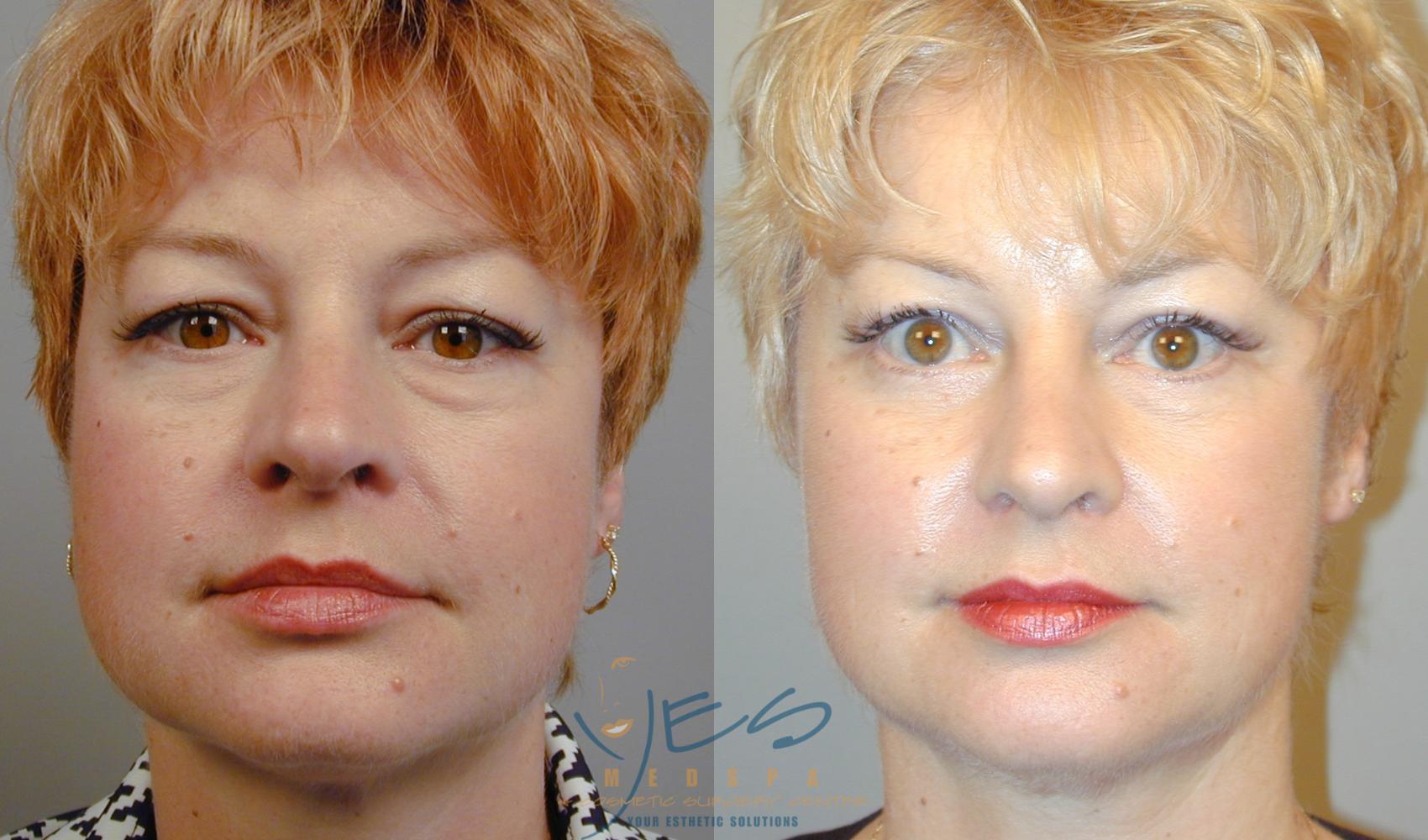
Arizona ocular and facial plastic surgery, also known as oculofacial plastic surgery, is a specialized medical field focused on the cosmetic and reconstructive treatment of the eyelids, tear ducts, orbit (eye socket), and surrounding facial structures. These procedures are performed by board-certified oculoplastic surgeons who combine ophthalmic expertise with advanced plastic surgery techniques to restore function and enhance facial aesthetics.
Oculofacial plastic surgery represents a unique intersection of ophthalmology and plastic surgery. In Arizona, where high UV exposure and a dry climate contribute significantly to premature skin aging and periorbital skin cancers, this specialty is particularly vital. Unlike general plastic surgeons, oculoplastic surgeons undergo years of specialized training specifically focused on the delicate anatomy of the eye and the upper face. This ensures that any surgical intervention not only improves appearance but also protects the health and function of the eye itself.
The Scope of Oculofacial Plastic Surgery
The field of oculofacial surgery is broad, encompassing both elective cosmetic enhancements and medically necessary reconstructive procedures. Because the eyelids are essential for protecting the surface of the eye, any surgery in this area must prioritize ocular safety. In Arizona, many patients seek these services to address vision-obscuring skin laxity or to repair damage caused by the region's intense sun.
Functional and Reconstructive Procedures
Functional procedures are those designed to correct medical issues, restore vision, or repair structural abnormalities. In many cases, these are covered by medical insurance if they meet specific clinical criteria.
- Ptosis Repair: Ptosis refers to a drooping of the upper eyelid caused by muscle weakness or tendon stretching. In severe cases, the lid may cover the pupil, significantly obstructing the superior field of vision. Repair involves tightening the levator muscle or reattaching the tendon to lift the eyelid to a natural, functional position.
- Eyelid Malpositions (Ectropion and Entropion): These conditions involve the eyelid turning outward (ectropion) or inward (entropion). This leads to chronic irritation, tearing, and potential scarring of the cornea. Arizona’s dry climate can exacerbate the discomfort associated with these conditions, making surgical correction essential for maintaining ocular surface health.
- Lacrimal (Tear Duct) Surgery: Obstructions in the tear drainage system can cause constant overflow of tears (epiphora) and recurrent infections. Procedures such as Dacryocystorhinostomy (DCR) create a new pathway for tears to drain into the nose, bypassing the blockage.
- Mohs Reconstruction: After a dermatologist removes skin cancer (often via Mohs surgery) from the eyelid or periorbital area, an oculoplastic surgeon is frequently called upon to reconstruct the defect. The goal is to restore the eyelid's integrity and ensure it closes properly to protect the eye.
Cosmetic Facial Enhancements
Cosmetic procedures focus on rejuvenating the appearance of the eyes and face. While these are typically elective, they rely on the same precise anatomical knowledge as functional surgeries.
- Blepharoplasty (Eyelid Lift): This is one of the most common procedures in Arizona ocular and facial plastic surgery. It involves the removal of excess skin and fat from the upper or lower eyelids. Upper blepharoplasty addresses "hooding," while lower blepharoplasty targets "bags" under the eyes.
- Brow and Forehead Lifts: As we age, the descent of the brow can push excess skin onto the eyelids, contributing to a tired or angry appearance. A brow lift repositions the forehead tissues to create a more youthful, rested contour.
- Midface Lifts: This procedure targets the sagging of the cheeks and the deepening of nasolabial folds, providing a more comprehensive facial rejuvenation than eyelid surgery alone.
Why Specialized Expertise Matters in Arizona
Choosing a surgeon for ocular and facial plastic surgery requires careful consideration of their training. In the United States, the gold standard for this specialty is membership in the American Society of Ophthalmic Plastic and Reconstructive Surgery (ASOPRS). ASOPRS-certified surgeons have completed a residency in ophthalmology followed by a rigorous fellowship in oculofacial plastic surgery.
In Arizona, the environmental factors make this expertise even more critical. High levels of ultraviolet (UV) radiation lead to a higher incidence of eyelid skin cancers and actinic damage. Furthermore, the arid desert environment means that many patients already suffer from dry eye syndrome. A general plastic surgeon might focus solely on the "tightness" of an eyelid lift, but an oculoplastic surgeon will ensure that the procedure does not worsen dry eye symptoms or compromise the eye's ability to remain lubricated.
Comparing Common Oculofacial Procedures
When considering Arizona ocular and facial plastic surgery, it is helpful to understand the differences between the primary procedures offered. The following table provides a comparison of goals, recovery times, and typical indications.
| Procedure | Primary Goal | Functional or Cosmetic? | Average Recovery |
|---|---|---|---|
| Upper Blepharoplasty | Remove excess skin/fat from upper lids | Both (often cosmetic) | 7–10 days |
| Ptosis Repair | Lift the eyelid margin by tightening muscle | Primarily Functional | 10–14 days |
| Lower Blepharoplasty | Eliminate under-eye bags and puffiness | Primarily Cosmetic | 10–14 days |
| Ectropion Repair | Re-tighten and reposition an outward-turning lid | Functional | 7–14 days |
| Endoscopic Brow Lift | Elevate sagging brows to open the eye area | Both | 2 weeks |
| Mohs Reconstruction | Repair the eyelid after cancer removal | Functional / Reconstructive | Varies by defect |
The Consultation and Surgical Process in 2026
As of 2026, the process for undergoing ocular and facial plastic surgery in Arizona has become more streamlined through the use of advanced diagnostic imaging and minimally invasive techniques.
Initial Evaluation
The process begins with a comprehensive consultation. For functional cases, this includes a formal visual field test to document how much the drooping skin or lids are obstructing the patient's sight. High-resolution digital photography is used to plan the surgery and, in cosmetic cases, to provide a simulated preview of potential results.
Surgeons also perform a "dry eye workup." Because any surgery on the eyelids can temporarily affect the tear film, it is vital to optimize the ocular surface before the procedure. This may involve the use of prescription drops or localized treatments to ensure the eye is healthy enough for surgery.
Surgical Techniques
Most oculofacial procedures are performed in an outpatient surgical center. Depending on the complexity, patients may receive local anesthesia with "twilight" sedation or general anesthesia.
In 2026, many Arizona surgeons utilize CO2 lasers for incisions and fat contouring. The laser cauterizes blood vessels as it cuts, which significantly reduces postoperative bruising and swelling compared to traditional scalpel techniques. Additionally, internal "scarless" approaches (transconjunctival blepharoplasty) are frequently used for the lower eyelids, where the incision is made inside the lid to avoid visible external scarring.
Postoperative Recovery
Recovery from Arizona ocular and facial plastic surgery is generally manageable, but it requires strict adherence to postoperative instructions. Patients are typically advised to use cold compresses for the first 48 hours to minimize swelling. Most sutures are removed within one week, and while some bruising may persist for up to 14 days, most patients can return to work and light activities within 7 to 10 days.
Cost Considerations and Insurance Coverage
The cost of ocular and facial plastic surgery in Arizona varies based on the complexity of the case, the surgeon's experience, and the facility fees. In 2026, cosmetic blepharoplasty typically ranges from $3,500 to $7,000.
Insurance Eligibility
A major point of confusion for patients is whether insurance will cover their surgery. Generally, insurance companies like Medicare, Blue Cross Blue Shield of Arizona, and Cigna will cover procedures that are deemed "medically necessary."
To qualify for coverage for an upper blepharoplasty or ptosis repair, a patient usually must meet three criteria:
- Visual Field Obstruction: A standardized test must prove that the drooping lid or skin blocks at least 20-30% of the superior field of vision.
- Photographic Evidence: Clear photos must show the eyelid margin or skin encroaching on the visual axis.
- Symptomatic Complaints: The patient must report functional difficulties, such as trouble reading, driving, or significant eye strain.
Purely cosmetic procedures, such as lower blepharoplasty or brow lifts for aesthetic rejuvenation, are not covered by insurance. Many practices offer financing options through third-party providers to help manage these costs.
Non-Surgical Alternatives and Adjuncts
For patients who are not ready for surgery or who wish to enhance their surgical results, several non-surgical options are available in Arizona. These are often integrated into a comprehensive facial rejuvenation plan.
- Neuromodulators (Botox, Dysport, Daxxify): These injections are used to relax the muscles that cause "crow's feet," forehead wrinkles, and frown lines. In 2026, longer-lasting formulations like Daxxify have become standard for maintaining a smooth periorbital appearance.
- Dermal Fillers: Products like Restylane and Juvederm can be used to treat the "tear trough" (the hollow area between the lower lid and the cheek). This can often delay the need for a lower blepharoplasty in younger patients.
- Laser Skin Resurfacing: For fine lines and sun damage (common in the Arizona desert), fractional CO2 or Erbium lasers can improve skin texture and tighten the skin without surgical incisions.
Risks and Safety Information
While ocular and facial plastic surgery has a high success rate, no surgery is without risk. Potential complications include infection, bleeding, dry eye, asymmetry, and, in extremely rare cases, vision loss.
Medical Disclaimer: This information is for educational purposes only and does not constitute medical advice. Surgical outcomes vary by individual. Always consult with a board-certified physician for a diagnosis and treatment plan tailored to your specific needs.
Frequently Asked Questions
How long do the results of a blepharoplasty last?
The results of an eyelid lift are long-lasting, typically ranging from 10 to 15 years. While the surgery "turns back the clock," the natural aging process continues. Maintaining a strict sun protection regimen in Arizona—including high-SPF sunscreen and UV-rated sunglasses—is essential to preserving the results.
Is oculoplastic surgery more expensive than general plastic surgery?
The cost is generally comparable, but the value lies in the specialized training. Because an oculoplastic surgeon focuses exclusively on the eyes and face, they may have higher efficiency and lower complication rates for these specific procedures, which can save patients money on revision surgeries in the long run.
Will I be awake during my eyelid surgery?
Most Arizona ocular and facial plastic surgery procedures are performed under "MAC" (Monitored Anesthesia Care), often called twilight sedation. You are breathing on your own and relaxed but not fully unconscious. This allows the surgeon to ask you to open and close your eyes during the procedure to ensure perfect symmetry and eyelid height.
Can I have eyelid surgery if I have chronic dry eye?
Yes, but it must be managed carefully. A specialized surgeon will perform a conservative skin excision to ensure that the blink mechanism remains fully functional. They may also recommend starting a dry eye treatment regimen several weeks before surgery to ensure the cornea is well-protected during the healing phase.
What is the best age to get an eyelid lift?
There is no "perfect" age. Some patients in their 30s seek surgery for hereditary "puffy" lower lids, while others wait until their 60s when skin laxity begins to interfere with their vision. The best time is when the physical changes begin to bother you or affect your daily activities.
Practical Recommendations for Patients
If you are considering Arizona ocular and facial plastic surgery, your first step should be to verify the credentials of your prospective surgeon. Look for membership in the American Society of Ophthalmic Plastic and Reconstructive Surgery (ASOPRS). This ensures the surgeon has the highest level of training specifically for the eyelids and face.
Before your consultation, prepare a list of your functional concerns (e.g., "I feel like I'm always lifting my eyebrows to see better") and your aesthetic goals. Be prepared to discuss your full medical history, including any previous eye surgeries or history of dry eye. In the Arizona climate, emphasize your sun exposure habits, as this will help the surgeon recommend the most effective skin rejuvenation and protection strategies for your recovery.