In Arizona, personal property tax is primarily a levy on tangible assets used for commercial, industrial, or agricultural purposes, such as machinery, equipment, and office furniture. While most individual household goods and personal effects are constitutionally exempt, business owners must navigate a specific annual filing process, valuation schedules, and threshold exemptions to remain compliant with state statutes.
Arizona’s property tax system is unique because it distinguishes sharply between real property (land and buildings) and personal property (movable assets). As we move through the 2026 tax year, understanding the nuances of the Arizona Department of Revenue (ADOR) guidelines and the specific requirements of the fifteen county assessors is essential for accurate financial planning and tax liability management.
Defining Personal Property in the Arizona Tax Code
Personal property in Arizona is defined as all property that is not "real property." Real property includes land, mines, and all buildings or structures attached to the land. Personal property, conversely, is movable and used in the operation of a business or for the production of income.
Under the Arizona Revised Statutes (ARS) Title 42, personal property is classified based on its use. The classification determines the assessment ratio, which is the percentage of the property’s value that is actually subject to taxation. For example, most commercial and industrial personal property falls under Class 1, which currently carries an assessment ratio that has been incrementally adjusted by the legislature over recent years to encourage economic competitiveness.
Tangible vs. Intangible Property
Arizona only taxes tangible personal property. Intangible assets—such as stocks, bonds, patents, copyrights, and goodwill—are not subject to personal property tax in the state. This distinction is vital for modern businesses, particularly those in the tech or service sectors where a significant portion of company value may reside in intellectual property rather than physical machinery.
Individual vs. Business Obligations
The most common question from new residents is whether they must pay taxes on their cars, boats, or household furniture.
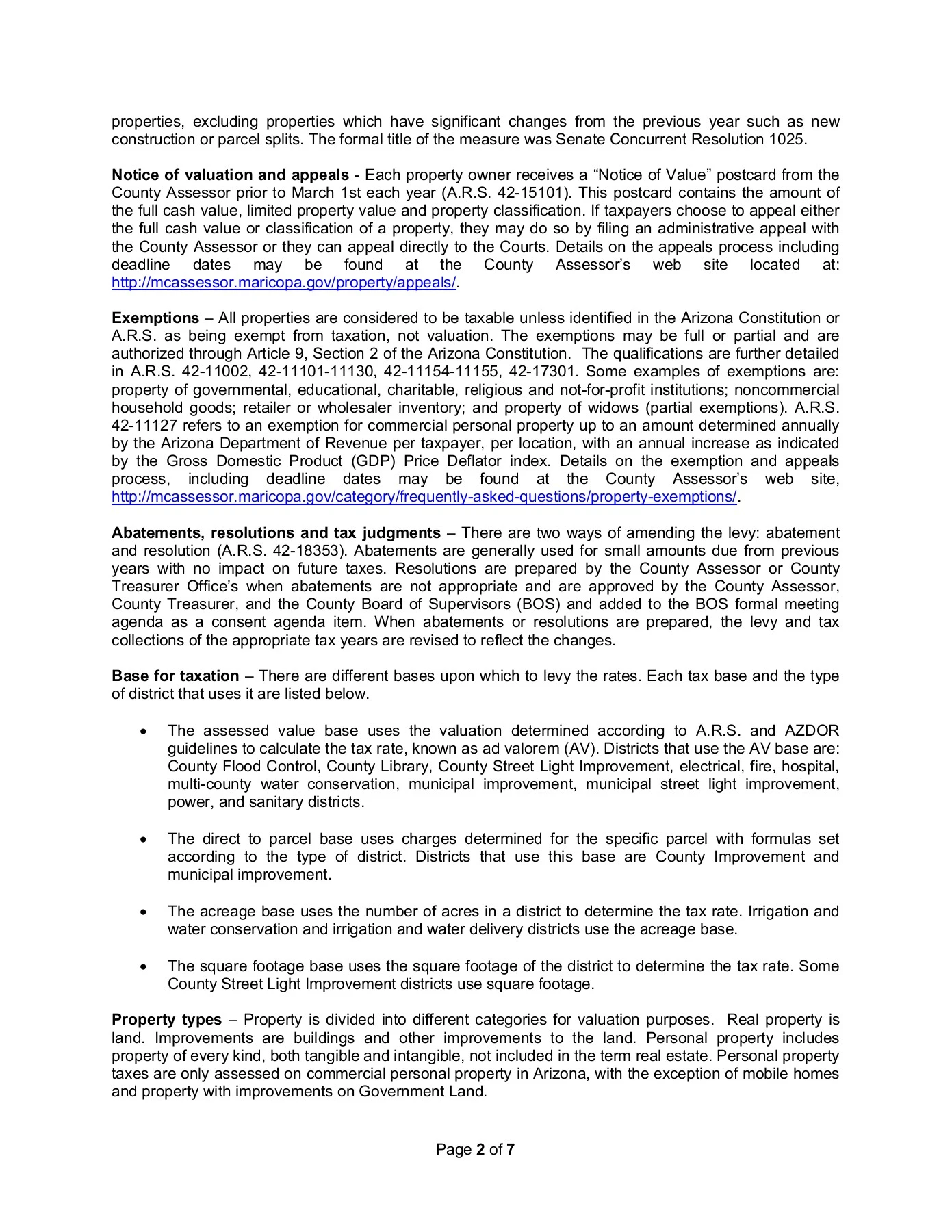
- Household Goods: Arizona's State Constitution (Article 9, Section 2) exempts household goods used for non-commercial purposes. Your television, sofa, and kitchen appliances are not taxed.
- Motor Vehicles: While vehicles are technically personal property, they are not taxed under the personal property tax system. Instead, Arizona levies a Vehicle License Tax (VLT) at the time of registration through the Department of Transportation (ADOT).
- Business Assets: If you use a computer for a freelance business, or own a restaurant full of ovens and tables, those items are considered taxable business personal property.
The Business Property Statement (Form 520)
The cornerstone of Arizona personal property tax compliance is the Business Property Statement, also known as Form 520. Every person, partnership, or corporation owning or possessing taxable personal property must file this statement with the County Assessor where the property is located.
Filing Requirements and Deadlines
The tax year in Arizona operates on a specific cycle. The valuation of personal property is based on its presence and condition as of January 1st of each year.
- Notification: By February 1st, County Assessors typically mail out the Business Property Statements to known business owners.
- Submission: The completed Form 520 must be returned to the County Assessor by April 1st.
- Extensions: Arizona law is relatively strict regarding deadlines. Unlike income tax, there are few automatic extensions for personal property filings. Failure to file by the April 1st deadline can result in a penalty, often calculated as 10% of the tax due or a set statutory minimum.
Information Required on Form 520
To complete the filing, business owners must provide a detailed list of assets, including:
- Description of the asset: Clearly identifying the machinery or equipment.
- Year of Acquisition: Necessary for applying the correct depreciation schedule.
- Original Cost: This should include the purchase price, freight, and installation costs (the "historical cost").
- Location: The physical address where the property is situated.
For businesses with multiple locations across different counties (e.g., Maricopa and Pima), separate filings must be submitted to each respective County Assessor's office.
Valuation and the Role of Depreciation
Arizona does not use "market value" in the traditional sense for personal property. Instead, it utilizes a method called Full Cash Value (FCV), which is derived from the original cost of the asset minus depreciation.
Standardized Depreciation Schedules
The Arizona Department of Revenue publishes "Personal Property Manuals" that contain standardized depreciation tables (often called valuation tables). These tables assign a "useful life" to different categories of equipment.
- Short-life assets: Computers and high-tech medical equipment may depreciate to a "floor" value within 3 to 5 years.
- Long-life assets: Heavy manufacturing machinery or warehouse racking may have a useful life of 15 to 20 years.
Once an asset reaches the end of its scheduled depreciation, it does not drop to a $0 value. Arizona applies a "minimum value" or "floor," typically ranging from 10% to 20% of the original cost, which remains taxable as long as the asset is still in use or in the possession of the business.
The Small Business Exemption
One of the most significant features of the Arizona system in 2026 is the Personal Property Exemption. To reduce the administrative burden on small businesses, the state provides an exemption for the first several hundred thousand dollars of personal property value.
The Arizona Department of Revenue adjusts this exemption limit annually based on inflation. For the 2026 tax year, the exemption applies to the aggregate value of personal property in specific classes. If the total Full Cash Value of your business personal property is below this threshold, your tax liability for those assets may be zeroed out, although you are still generally required to file the initial statement to claim the exemption.
| Asset Category | Taxable Status | Valuation Method |
|---|---|---|
| Manufacturing Equipment | Taxable | Original Cost - ADOR Depreciation |
| Office Furniture | Taxable | Original Cost - ADOR Depreciation |
| Retail Inventory | Exempt | Constitutional Exemption |
| Leased Equipment | Taxable | Reported by Lessor (Owner) |
| Individual Vehicles | Exempt | Subject to VLT (Registration) |
| Livestock/Ag Machinery | Taxable | Special Agricultural Rates/Exemptions |
| Household Goods | Exempt | Non-commercial use exemption |
Understanding the Tax Calculation
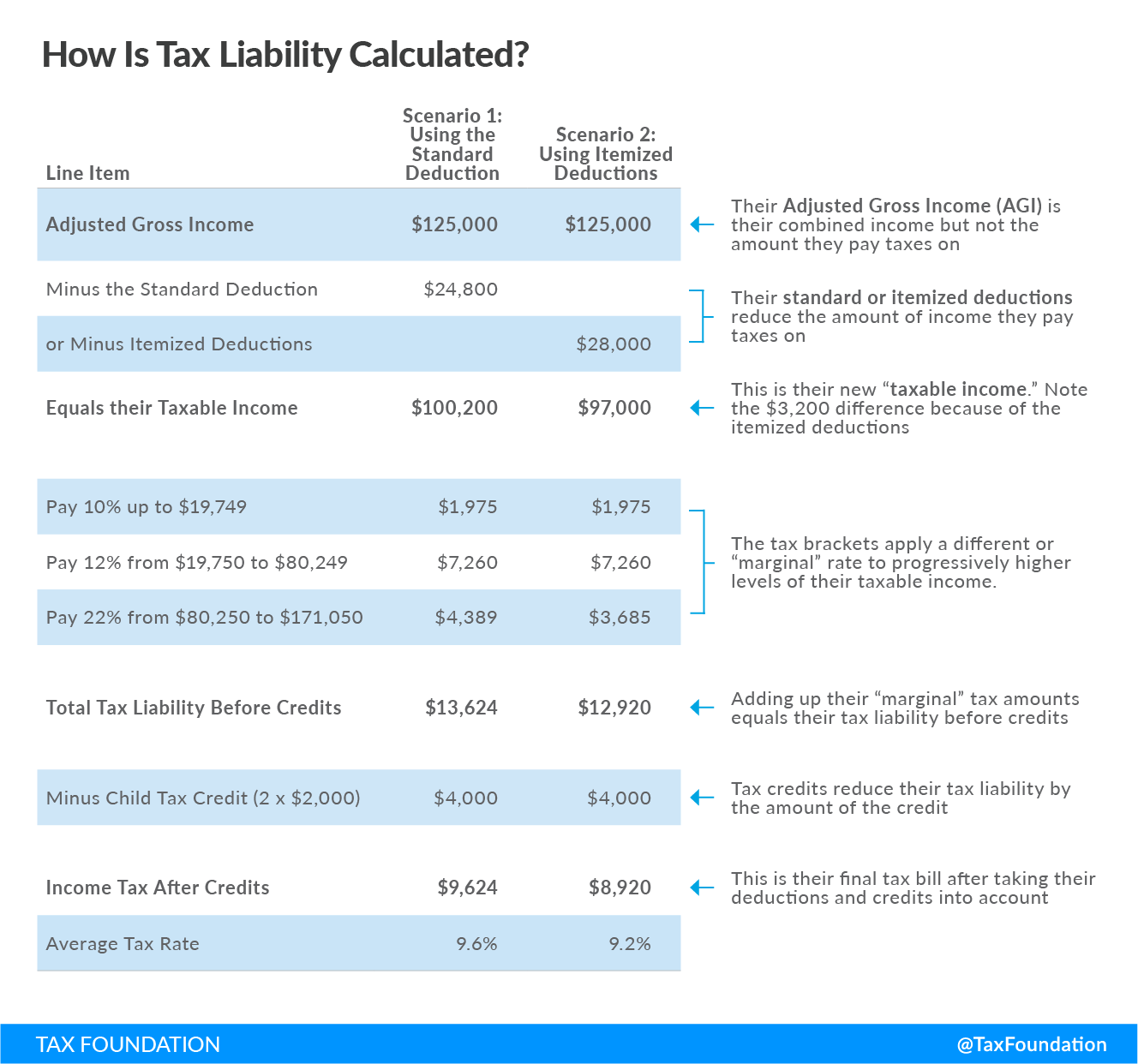
The actual amount you pay is not just a flat percentage of the asset's value. It involves a three-step calculation:
- Full Cash Value (FCV): The depreciated value of the asset.
- Assessed Value: The FCV multiplied by the Assessment Ratio. For most businesses (Class 1), this ratio has been lowered over the years to approximately 15% or less, depending on current legislative status.
- Tax Rate Application: The Assessed Value is multiplied by the combined local tax rate.
The combined tax rate includes:
- Primary Taxes: These fund the basic operations of the county, city, and school districts.
- Secondary Taxes: These are used to pay for voter-approved bonds, special districts (like fire or library districts), and overrides.
Because these rates vary by tax area (or "tax code"), two businesses with the exact same equipment might pay different amounts if one is located in downtown Phoenix and the other is in an unincorporated part of Maricopa County.
Common Mistakes and Audit Risks
Given the complexity of asset tracking, many businesses inadvertently trigger audits or overpay their taxes.
Asset Ghosting
"Ghost assets" are items that are still on the accounting books but have been discarded, sold, or broken. If you do not remove these from your Form 520 filing, you will continue to pay taxes on them indefinitely. Annual "asset sweeps" or physical inventories are recommended before the April 1st filing.
Incorrect Classification
Classifying a "long-life" asset as a "short-life" asset can lead to underpayment and penalties if discovered during an audit. Conversely, failing to take advantage of accelerated depreciation for technology assets results in unnecessary tax expenses.
Lease Agreements
A common point of confusion involves leased equipment (e.g., copiers, heavy machinery). Typically, the lessor (the owner of the equipment) is responsible for filing and paying the personal property tax. However, most lease contracts include a clause that passes this cost through to the lessee (the user). It is crucial to verify who is filing to avoid double-taxation or missed filings.
The Appeals Process
If you believe the County Assessor has overvalued your property or applied an incorrect depreciation schedule, you have the right to appeal. In Arizona, this is a multi-tiered process:
- Administrative Review: After receiving your Notice of Value (usually in the summer), you have a set window (often 20-30 days) to file a petition with the County Assessor. Many disputes are resolved here by providing invoices or proof of the asset's condition.
- State Board of Equalization (SBOE): If the Assessor denies your petition, you can appeal to the SBOE. This is an independent body that hears testimony and reviews evidence regarding property valuations.
- Tax Court: For high-stakes disputes, a business may escalate the case to the Arizona Tax Court (a department of the Superior Court). This usually requires legal counsel and is more common for large-scale industrial valuations.
Frequently Asked Questions
Do I have to pay personal property tax on my inventory?
No. Under the Arizona Constitution, inventory intended for resale (such as goods on a retail shelf or raw materials for manufacturing) is exempt from property tax. This is a significant advantage for logistics and retail businesses operating in the state.
What happens if I file my Form 520 late?
If the Business Property Statement is filed after April 1st, the County Assessor is required by law to apply a penalty. The penalty is generally 10% of the tax due. If no statement is filed at all, the Assessor may "arbitrarily" value the property based on the best information available, which often results in a much higher tax bill than an accurate filing would have produced.
Is there a tax on software in Arizona?
Generally, "canned" or "off-the-shelf" software is considered tangible personal property and may be taxable if it is part of the operational cost of the hardware. However, custom software and many cloud-based (SaaS) subscriptions are often treated as non-taxable services or intangibles. You should consult the current ADOR Personal Property Manual for the 2026 specific rulings on digital assets.
I am a remote worker with a home office. Do I owe personal property tax?
If you are an employee using company-owned equipment, the company is responsible for the tax. If you are a self-employed 1099 contractor, your office equipment (computer, desk, chair) is technically business personal property. However, if the total value of your equipment is below the state's small business exemption threshold, you will likely owe nothing, though your county may still require a "zero-return" filing.
How does the state handle "Construction in Progress" (CIP)?
Personal property that is being installed or is under construction but not yet "placed in service" may be eligible for a different valuation or a temporary deferment. Once the equipment becomes operational and contributes to the business's income-producing capacity, it must be reported at its full historical cost.
Practical Recommendations for 2026
To ensure compliance and minimize liability, business owners should take the following steps:
- Maintain a Clean Fixed Asset Ledger: Ensure your internal accounting reflects the current reality of your physical equipment. Remove any assets that were disposed of in 2025 before filing your 2026 statement.
- Audit Your Lease Agreements: Review all equipment leases to confirm whether you or the lessor are responsible for the property tax filing. If you are being billed for "property tax" by a leasing company, verify that they have actually filed and paid the amount to the correct Arizona county.
- Monitor Exemption Thresholds: With the inflation-adjusted exemption, many smaller enterprises may find they no longer owe personal property tax. However, failing to file Form 520 can forfeit this exemption in some jurisdictions. Always file the form unless specifically told otherwise by the County Assessor.
- Consult a Professional: If your business has significant investments in machinery or specialized equipment, a tax professional specializing in Arizona property tax can often save you more in depreciation corrections than their service fee costs.
Disclaimer: This overview is provided for informational purposes only and does not constitute legal or financial advice. Tax laws and exemption thresholds are subject to legislative changes. For specific guidance, consult with a qualified tax professional or the Arizona Department of Revenue.