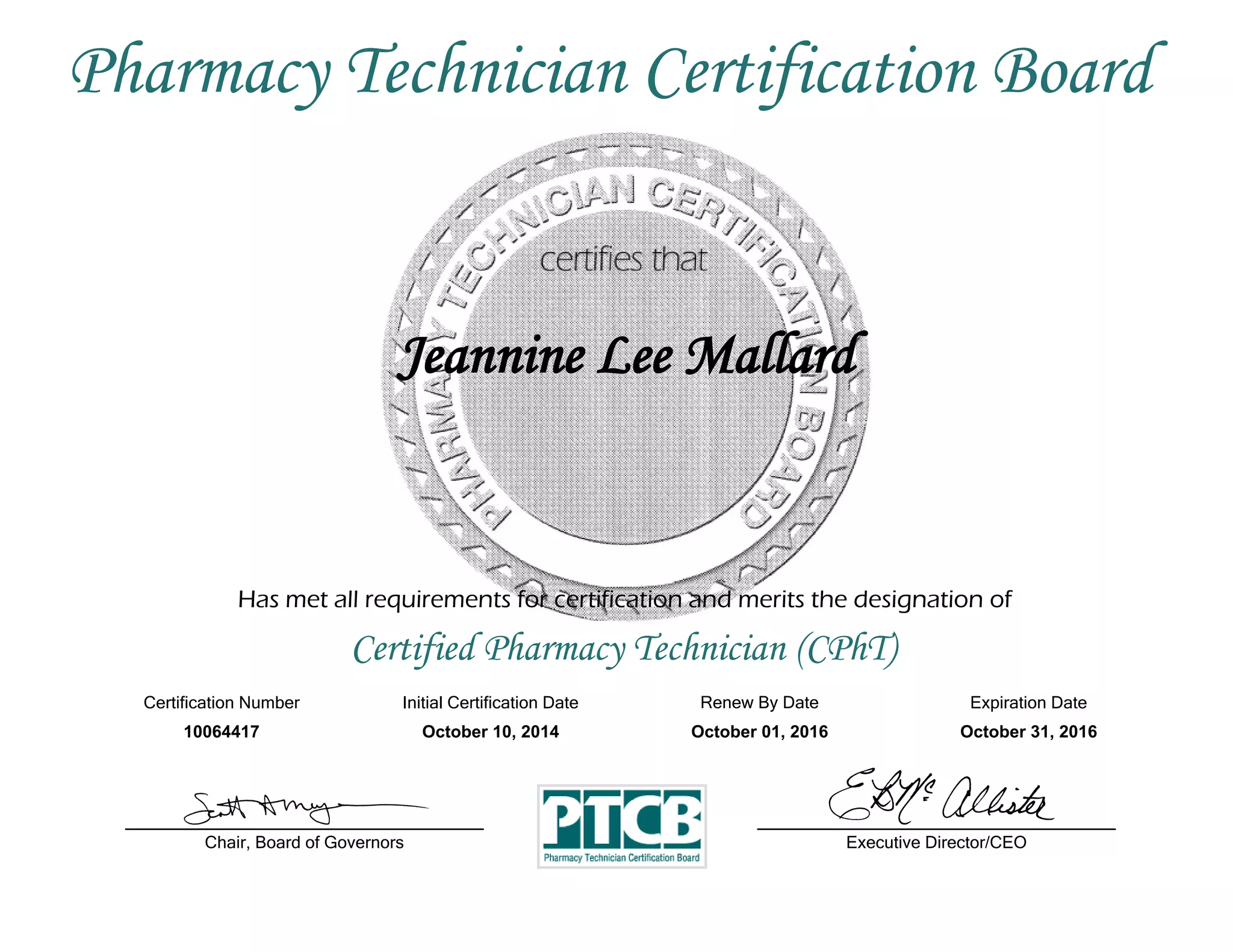
To obtain a pharmacy technician license in Arizona in 2026, applicants must be at least 18 years old, possess a high school diploma or GED, and provide proof of legal residency. Candidates must secure an Arizona Department of Public Safety (DPS) Fingerprint Clearance Card and pass a national certification exam from the PTCB or NHA. The process involves an initial Trainee license followed by a full Technician license upon certification.
In the State of Arizona, the practice of pharmacy is strictly regulated to ensure public safety and the integrity of the healthcare system. Pharmacy technicians play a vital role in this ecosystem, assisting pharmacists in dispensing medications, managing inventory, and communicating with patients and healthcare providers. The Arizona State Board of Pharmacy (ASBP) is the governing body responsible for establishing the standards for licensure, conducting background investigations, and ensuring that all practitioners remain compliant with state and federal laws.
As of 2026, the pathway to licensure has become more streamlined through digital portals, yet the requirements for background checks and national certification remain rigorous. Understanding the distinction between a "Trainee" and a "Certified Technician" is the first step for anyone entering the field.
The Two-Tiered Licensing Structure
Arizona utilizes a two-tier licensing system designed to allow individuals to gain hands-on experience while preparing for their national certification exams. It is critical to understand which license you need based on your current professional status.
1. Pharmacy Technician Trainee License
The Trainee license is an entry-level authorization. It is intended for individuals who are currently enrolled in a pharmacy technician training program or who have been hired by a pharmacy and are receiving on-the-job training.
- Purpose: To allow the individual to perform technician duties under the direct supervision of a licensed pharmacist while preparing for the national exam.
- Validity: In 2026, the Trainee license is valid for 36 months (three years).
- Non-Renewable: This is a one-time license. If you do not obtain national certification and upgrade to a full license within those 36 months, you cannot renew the Trainee license and must cease working in the pharmacy until full licensure is obtained.
- Prerequisites: You do not need to have passed an exam to get this license, but you must meet the basic age and education requirements.
2. Pharmacy Technician (Certified) License
The full Pharmacy Technician license is for individuals who have successfully passed a board-approved national certification examination.
- Purpose: Permanent licensure for professional practice.
- Validity: This license is typically renewed every two years.
- Prerequisites: Requires active certification from either the Pharmacy Technician Certification Board (PTCB) or the National Healthcareer Association (NHA).
Core Eligibility Requirements
Before beginning the application process, candidates must ensure they meet the fundamental criteria established by the Arizona State Board of Pharmacy. These requirements are non-negotiable and serve as the baseline for all applicants.
Age and Education
Applicants must be at least 18 years of age. Proof of age is typically verified through government-issued identification. Additionally, you must have earned a High School Diploma or a General Education Development (GED) certificate. If your education was completed outside the United States, you may need to provide a professional evaluation to prove that your schooling is equivalent to a U.S. high school education.
Lawful Presence and Citizenship
Per Arizona Revised Statutes (A.R.S.) § 41-1080, the Board must verify the "lawful presence" of every applicant. This means you must provide documentation proving you are either a U.S. citizen or otherwise legally authorized to work in the United States. Accepted documents include:
- A valid U.S. Passport.
- A birth certificate showing birth in the U.S. or its territories.
- A permanent resident card (Green Card).
- Employment Authorization Document (EAD).
Moral Character and Conduct
The ASBP evaluates the "moral character" of each applicant. During the application, you will be asked a series of "Good Moral Character" questions regarding your criminal history, past disciplinary actions by other professional boards, and any history of substance abuse that might impair your ability to practice safely. Honesty is paramount here; failing to disclose a prior conviction that the Board discovers during the background check is often grounds for immediate denial of the license.
The Fingerprint Clearance Card Process
A unique and mandatory aspect of the Arizona licensing process is the Level 1 Fingerprint Clearance Card. This is handled by the Arizona Department of Public Safety (DPS), not the Board of Pharmacy itself.
Why It Is Required
Arizona law requires healthcare professionals to undergo a robust background check to ensure they do not have a history of crimes that would disqualify them from handling controlled substances or interacting with vulnerable populations.
How to Apply
- Online Application: Visit the Arizona DPS Public Services Portal.
- Select the Right Reason: When applying, you must specify the reason for the card. For pharmacy technicians, this falls under the healthcare/licensing category.
- Fingerprinting: After applying online, you will receive a reference number. You must then go to a certified fingerprinting vendor (such as Fieldprint or an IDEMIA/IdentoGO location) to have your prints taken electronically.
- Wait Times: The processing of a Fingerprint Clearance Card can take anywhere from two to six weeks. Since the Board of Pharmacy cannot issue your license until they receive confirmation of your card from DPS, it is highly recommended to start this process at least a month before you plan to submit your license application.
National Certification: PTCB vs. NHA
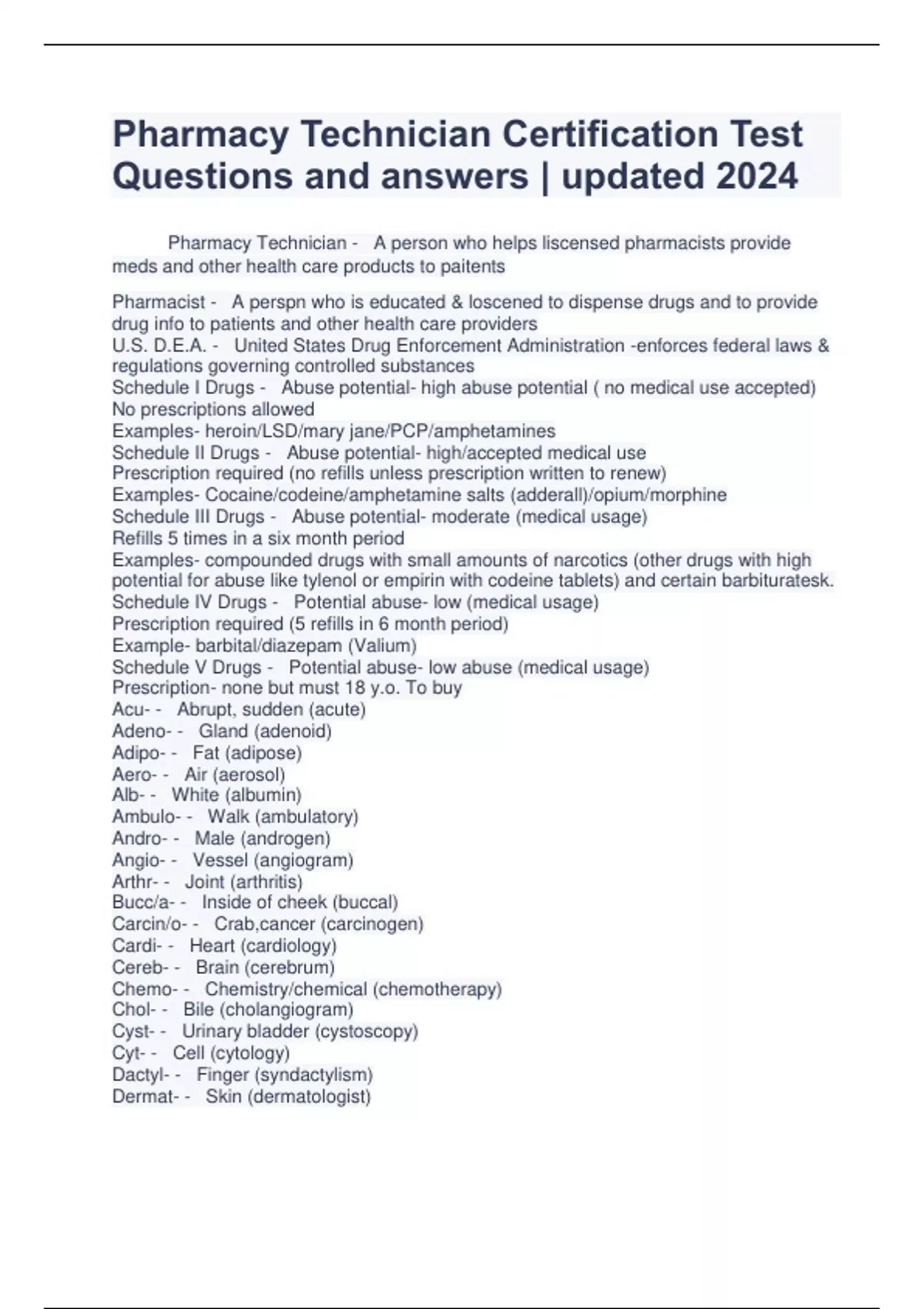
To move from a Trainee to a full Pharmacy Technician, you must pass one of the two nationally recognized exams. The Arizona Board recognizes both the PTCB (Pharmacy Technician Certification Board) and the NHA (National Healthcareer Association).
The PTCE (Pharmacy Technician Certification Exam)
Administered by the PTCB, the PTCE is the most widely recognized exam in the country.
- Content: Focuses heavily on pharmacology, pharmacy law, sterile and non-sterile compounding, and medication safety.
- Requirement: As of 2026, candidates must either complete a PTCB-recognized education program or have equivalent work experience (often 500+ hours) before they are eligible to sit for the exam.
The ExCPT (Exam for the Certification of Pharmacy Technicians)
Administered by the NHA, the ExCPT is an alternative pathway often favored by retail pharmacy chains that provide their own internal training programs.
- Content: Focuses on the practical aspects of working in a retail or hospital pharmacy, including inventory management, billing, and basic pharmacy calculations.
- Requirement: Similar to the PTCB, candidates must complete an accredited training program or have a year of supervised work experience.
| Feature | PTCB (PTCE) | NHA (ExCPT) |
|---|---|---|
| Primary Focus | Comprehensive Clinical & Safety | Practical Pharmacy Operations |
| Education Requirement | Recognized Program or Work Experience | Training Program or 1 Year Experience |
| Renewal Cycle | Every 2 Years | Every 2 Years |
| Cost (approx.) | $129 | $125 |
| Arizona Board Status | Fully Accepted | Fully Accepted |
The Application Process: Step-by-Step
In 2026, the application process is entirely digital. The ASBP uses an online portal to manage all license types.
- Create a Portal Account: Visit the Arizona State Board of Pharmacy website and create a user profile.
- Submit the Application: Select the "Pharmacy Technician" or "Trainee" application. Ensure all personal information matches your government ID exactly.
- Upload Documentation: You will need to upload digital copies of:
- Your proof of citizenship/lawful presence.
- Your High School Diploma or GED certificate.
- Your national certification (PTCB or NHA) if applying for the full license.
- Pay the Fee: The application fee is generally non-refundable. In 2026, the fee for a Pharmacy Technician license is approximately $100, while the Trainee license is approximately $60 (subject to minor annual adjustments).
- Monitor the Status: The Board will link your application to your DPS Fingerprint Clearance Card once the results are available. You can monitor the progress of your application through the online dashboard.
Renewal and Continuing Education (CE)
Once you hold a full Pharmacy Technician license, you must maintain it through biennial renewals. A license is more than just a certificate; it is a commitment to ongoing education.
Renewal Timeline
Pharmacy technician licenses in Arizona expire every two years. The renewal window typically opens 60 days before the expiration date. Failing to renew on time will result in late fees and, more importantly, the inability to legally work in a pharmacy.
Continuing Education (CE) Requirements
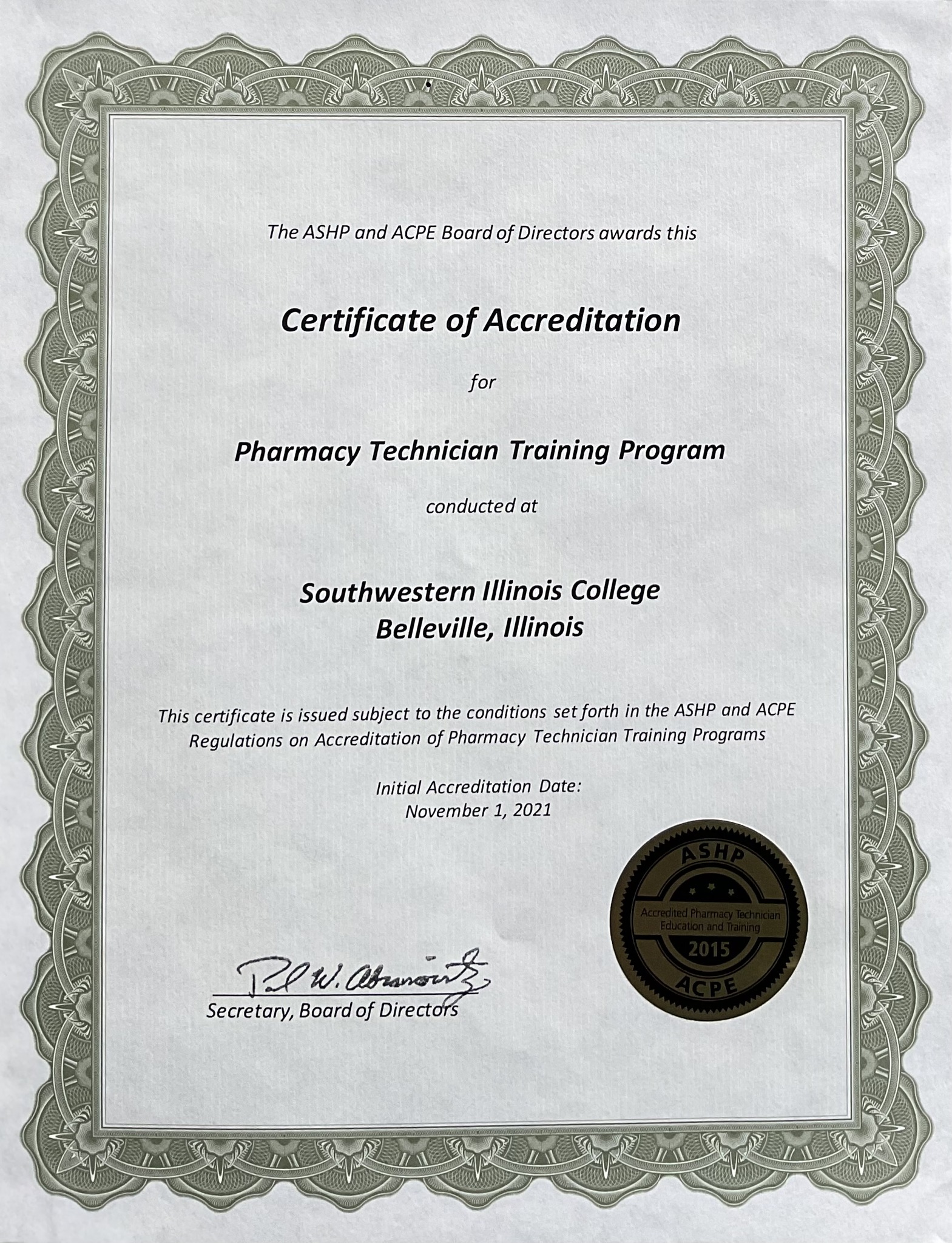
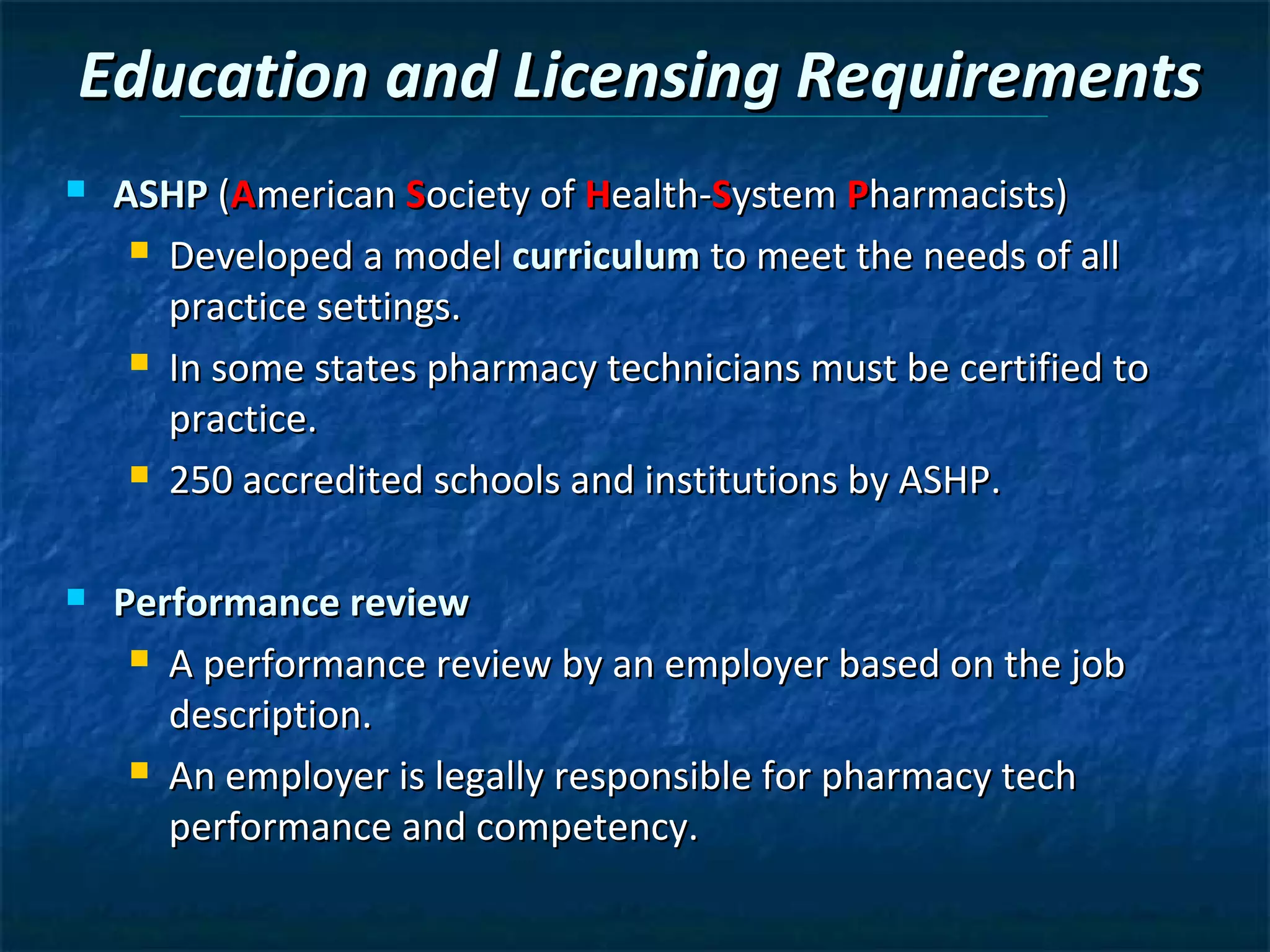
To renew your license, you must complete 20 hours of Continuing Education during each two-year cycle. These hours must be ACPE-accredited (Accreditation Council for Pharmacy Education). In Arizona, the 20 hours must include:
- At least 2 hours of Pharmacy Law: This covers updates to state and federal regulations.
- Opioid Awareness (Variable): Many states, including Arizona, have implemented specific requirements for opioid-related education in response to the public health crisis. Check the ASBP's current guidelines to see if a specific number of opioid-related hours are mandated for the 2026-2028 cycle.
- General Pharmacy Topics: The remaining hours can cover a variety of subjects, such as new drug approvals, patient safety, or specialized areas like oncology or pediatrics.
Technicians should keep records of their CE certificates for at least five years, as the Board conducts random audits. The easiest way to track this is through the NABP (National Association of Boards of Pharmacy) CPE Monitor, which automatically tracks ACPE-accredited credits for you.
Remote Work and Reciprocity
With the rise of telepharmacy and remote data entry in 2026, many technicians wonder about working across state lines.
Reciprocity
Arizona does not have a "simple" reciprocity agreement where a license from another state automatically grants you an Arizona license. However, if you are already certified by the PTCB or NHA and hold a license in good standing in another state, the process is much faster. You will still need to apply for an Arizona license, provide proof of your existing credentials, and obtain the Arizona Fingerprint Clearance Card.
Out-of-State Remote Technicians
If you live in another state but are performing technician duties (such as prescription entry or insurance processing) for a pharmacy located in Arizona or for Arizona patients, the Arizona State Board of Pharmacy generally requires you to hold an active Arizona license. This "practice where the patient is" rule is a standard pillar of Arizona pharmacy law.
Common Mistakes to Avoid
- Applying for the Wrong License: Do not apply for the full "Technician" license if you have not yet passed the PTCB or NHA exam. You must apply as a "Trainee" first.
- Ignoring the Fingerprint Card: Many applicants wait until after they submit their license application to start the DPS fingerprinting process. This can delay your license by weeks. Apply for the Fingerprint Clearance Card first.
- Misrepresenting Criminal History: Even if a conviction was "expunged" or happened a long time ago, the Board's background check often still sees it. Always disclose your history and provide the requested court documents to avoid being flagged for "lack of candor."
- Letting the Trainee License Expire: Remember that the Trainee license is a hard 36-month limit. There are no extensions. Plan your exam date at least six months before the 36-month mark to ensure you have time for a retake if necessary.
Frequently Asked Questions
Can I work as a pharmacy technician in Arizona without a license?
No. You cannot perform any technician duties—including handling medications or entering prescriptions—without at least a Trainee license. Working without a license can lead to legal penalties for both you and the pharmacist-in-charge.
How long does it take to get an Arizona pharmacy technician license?
Once all materials are submitted, including the DPS Fingerprint Clearance Card and national certification proof, the Board typically processes applications within 7 to 14 business days. However, the fingerprinting process itself can take 4 to 6 weeks, making the total timeline roughly two months.
What happens if I fail my national certification exam?
If you fail the PTCE or ExCPT, you can retake it after a waiting period (usually 60 days). As long as your Arizona Trainee license is still within its 36-month validity period, you can continue working while you wait to retake the exam.
Do I need a separate license for every pharmacy I work at?
No. An Arizona Pharmacy Technician license is a personal professional license that allows you to work at any licensed pharmacy within the state of Arizona.
Is the PTCB required in Arizona?
Arizona requires national certification, but it does not mandate the PTCB specifically. You may choose between the PTCB (PTCE) and the NHA (ExCPT). Both are equally accepted by the Arizona State Board of Pharmacy.
Does the Board offer a military discount or expedited processing?
Yes. Arizona offers expedited processing and fee waivers/discounts for active-duty military members and their spouses, per A.R.S. § 32-4302 and § 32-4303. Military applicants should look for the specific "Military/Spouse" checkbox on the application portal.
Next Steps for Aspiring Technicians
If you are ready to begin your career in Arizona, your first practical step is to secure your High School Diploma/GED and then immediately apply for your Level 1 Fingerprint Clearance Card through the DPS portal. While waiting for your card to arrive, you should either seek employment at a pharmacy that offers on-the-job training or enroll in a vocational program to prepare for the PTCB or NHA exam. Once you have your fingerprint card and your education plan in place, submit your Trainee Application to the Arizona State Board of Pharmacy to begin your professional journey.
For the most up-to-date fee schedules and regulatory changes, always consult the official Arizona State Board of Pharmacy website.