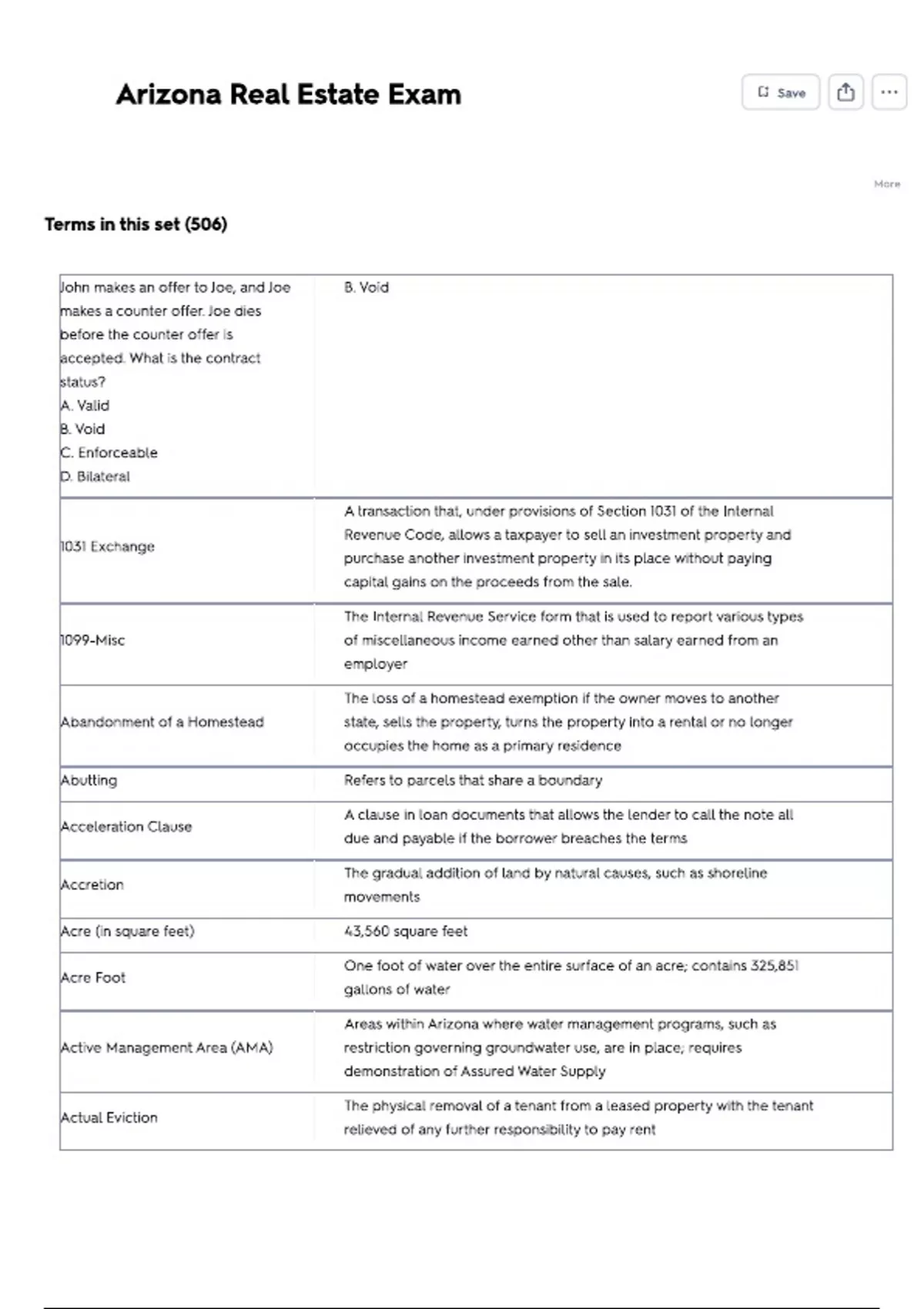
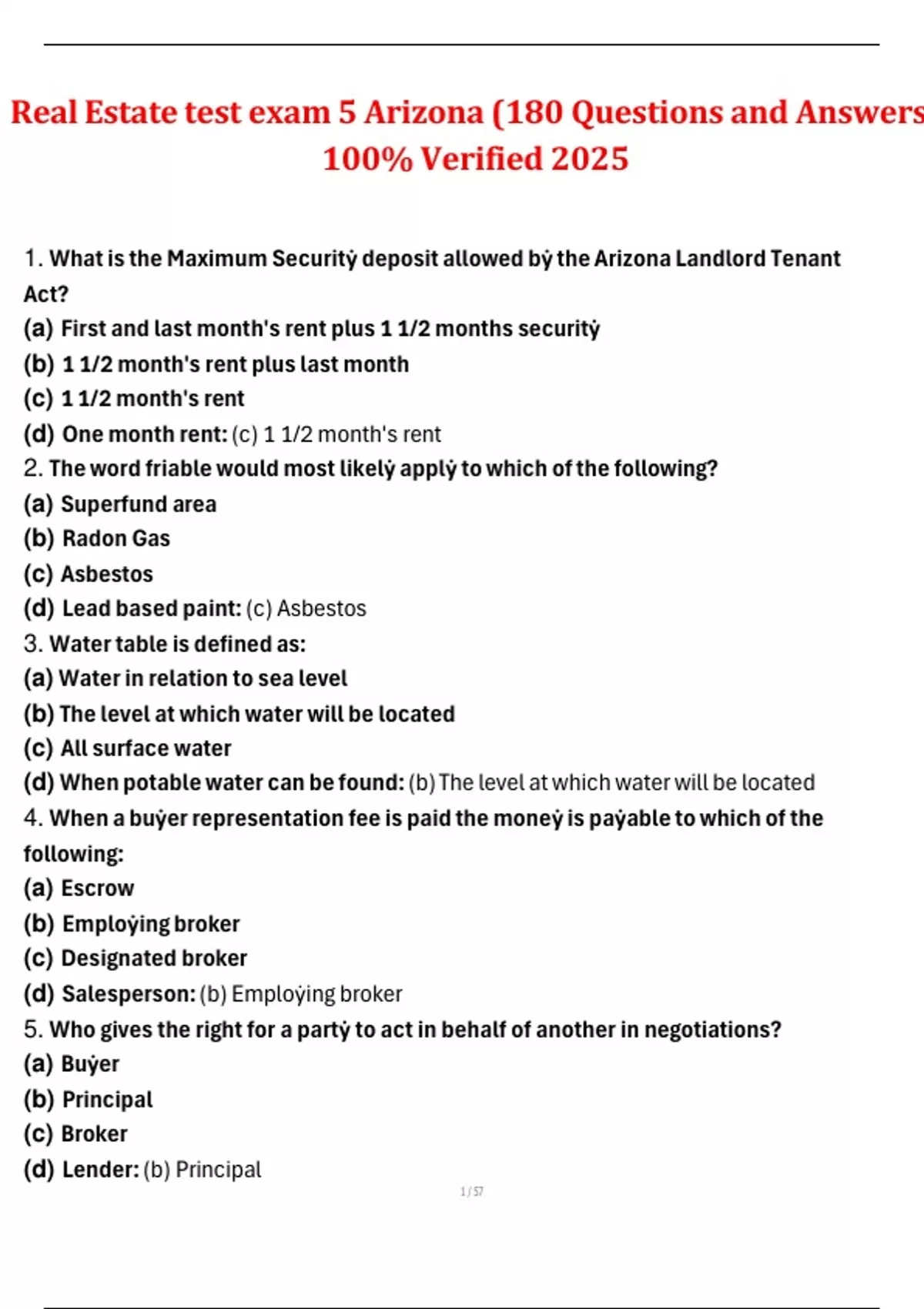
To become a licensed real estate salesperson in Arizona in 2026, you must complete a state-approved 90-hour pre-licensing education course, pass both a school and state examination, and fulfill a 6-hour contract writing requirement. This process is regulated by the Arizona Department of Real Estate (ADRE) to ensure professional competency.
Understanding the Arizona Real Estate Licensing Framework
The journey to becoming a real estate professional in Arizona is governed by strict statutory requirements. The Arizona Department of Real Estate (ADRE) mandates a specific sequence of education and examination to ensure that all practitioners understand the legal, ethical, and practical complexities of the industry. As of 2026, the foundational requirement remains the 90-hour salesperson pre-licensing course.
This course is not merely a preparation for an exam; it is a comprehensive survey of real estate law, agency relationships, property ownership, and Arizona-specific statutes. Unlike some states that allow for shorter proprietary courses, Arizona’s curriculum is standardized across all approved providers, whether you choose an online, livestream, or in-person format.
Before committing to a course, potential students must meet basic eligibility criteria. You must be at least 18 years of age at the time of license application and provide evidence of legal presence in the United States. While you can begin your education before turning 18, you cannot hold a license until that milestone is reached. Additionally, Arizona requires a high degree of "moral character," which is verified through a formal background check and fingerprinting process.
Detailed Breakdown of the 90-Hour Pre-Licensing Curriculum
The 90-hour course is the centerpiece of the Arizona real estate course overview. It is typically divided into several major modules, each focusing on a critical pillar of the industry. In 2026, schools have integrated modern case studies and updated digital resources, but the core legal requirements remain consistent with Arizona Revised Statutes (A.R.S.) Title 32, Chapter 20.
Real Property and Ownership Rights
This module introduces the concept of land versus real estate and real property. Students learn about the "bundle of rights," which includes the right of possession, control, exclusion, enjoyment, and disposition. You will study different types of estates (freehold vs. non-freehold), methods of holding title (such as joint tenancy with right of survivorship or community property), and the legal implications of encumbrances like easements and liens.
Agency Law and Fiduciary Duties
Understanding the relationship between a client and an agent is paramount. This section covers the creation of agency, the various types of agents (special, general, universal), and the specific fiduciary duties owed to clients: obedience, loyalty, disclosure, confidentiality, accounting, and reasonable care (often remembered by the acronym OLD CAR). In Arizona, the distinction between a "client" and a "customer" is a frequent topic of examination.
Arizona Specific Statutes and Land Use
Arizona has unique legal considerations, particularly regarding water law and land division. Because Arizona is an arid state, the doctrine of prior appropriation and the Groundwater Management Act are essential topics. You will also study the Arizona Subdivision Act, which regulates how land can be split and sold to the public, protecting buyers from "wildcat" subdivisions that lack proper infrastructure or legal access.
Contracts and Finance
This segment covers the essential elements of a valid contract: offer and acceptance, consideration, competent parties, and legal purpose. Students also examine the financial aspects of real estate, including conventional loans, FHA and VA financing, the secondary mortgage market, and the legal documents used in financing, such as promissory notes and deeds of trust.
Property Management and Leases
While many students aim for residential sales, the 90-hour course includes a significant portion dedicated to property management and the Arizona Residential Landlord and Tenant Act. This ensures that agents understand the rights of both owners and renters, security deposit limits, and eviction procedures.
The 6-Hour Contract Writing Requirement
In addition to the 90-hour pre-licensing course, Arizona requires a separate 6-hour Contract Writing Course. This is a practical, "hands-on" requirement that was implemented to bridge the gap between theoretical knowledge and real-world application.
While the 90-hour course teaches you what a contract is legally, the 6-hour course teaches you how to actually fill out the Arizona Association of Realtors (AAR) standard forms. This includes:
- The Residential Resale Real Estate Purchase Contract.
- The Residential Buyer's Inspection Notice and Seller's Response (BINSR).
- Various addenda, such as those for solar equipment, short sales, or homeowner associations.
Most students take this course immediately after passing their school exam but before applying for their state license. It is a mandatory prerequisite for license activation, and the certificate of completion must be submitted to the ADRE.
Education Delivery Methods in 2026
Students in Arizona have three primary options for completing their 90-hour education. Each method has specific advantages depending on your learning style and schedule.
- Asynchronous Online Courses: This is the most flexible option. Students log into a portal and progress through text, video, and quizzes at their own pace. In 2026, these platforms often feature interactive simulations. The primary challenge is self-discipline, as there is no set schedule.
- Synchronous Livestream (Virtual Classroom): These courses occur in real-time via platforms like Zoom or proprietary school software. You have a live instructor and can interact with other students. This provides the structure of a classroom with the convenience of staying at home. Attendance is strictly monitored to ensure the 90-hour requirement is met.
- In-Person Traditional Classroom: For those who prefer direct engagement and networking, physical schools in hubs like Phoenix, Scottsdale, and Tucson continue to offer intensive day or evening sessions. These are often the fastest way to complete the hours, sometimes in as little as two to three weeks.
The Examination Process: School vs. State
Passing the 90-hour course is only the first hurdle. To move forward, you must pass two distinct examinations.
The School Final Exam
Before a school can issue your certificate of completion, you must pass their internal final exam. This exam mimics the format of the state exam and usually requires a passing score of 75% or higher. If you fail, most schools allow a retake after a brief study period. Once you pass, your completion is reported to the state, and you are eligible to schedule the official state exam.
The Pearson VUE State Exam
The official Arizona Real Estate Salesperson Examination is administered by Pearson VUE. This exam is proctored and taken at a professional testing center. It consists of two portions:
- National Portion: Covers general real estate principles and practices applicable across the United States.
- State Portion: Focuses specifically on Arizona Revised Statutes, Commissioner’s Rules, and local practices.
In 2026, the exam typically contains 180 to 195 questions, and candidates are given approximately five hours to complete it. You must pass both portions with a score of 75% or higher. If you pass one portion but fail the other, you generally only need to retake the failed portion, provided you do so within a specific timeframe (usually one year).
| Step | Requirement | Estimated Time | Cost (Estimated 2026) |
|---|---|---|---|
| 1 | 90-Hour Pre-Licensing Course | 2 - 10 weeks | $400 - $700 |
| 2 | School Final Exam | 4 hours | Included in tuition |
| 3 | Fingerprint Clearance Card | 4 - 8 weeks | $65 - $80 |
| 4 | 6-Hour Contract Writing | 1 day | $60 - $100 |
| 5 | Pearson VUE State Exam | 5 hours | $75 per attempt |
| 6 | License Application Fee | N/A | $50 - $60 |
| 7 | Broker Activation Fee | N/A | $20 |
Fingerprinting and Background Clearance
Arizona takes the integrity of its real estate professionals seriously. Every applicant must obtain an Arizona Fingerprint Clearance Card (FCC) issued by the Department of Public Safety (DPS). This is often referred to as the "Blue Card" process.
It is highly recommended that you start this process as soon as you enroll in your 90-hour course. Background checks can take several weeks to process. You cannot apply for your real estate license without a valid FCC. If you have a criminal history, you may need to file a "Disclosure Document Checklist" with the ADRE to provide additional context regarding your past. Certain felony convictions may result in an automatic denial or require a waiting period of several years after the completion of a sentence.
Costs and Budgeting for Your Education
Embarking on a real estate career requires an initial capital investment. Beyond the course tuition, there are several administrative fees that add up.
- Tuition: Basic packages start around $400, while "platinum" packages that include exam prep software and textbooks can reach $700.
- Exam Fees: Each attempt at the state exam costs approximately $75.
- Regulatory Fees: This includes the DPS fingerprinting fee and the ADRE application fee.
- Post-Licensing Costs: Once licensed, you will likely join a local board of Realtors (such as Phoenix Realtors or Tucson Association of Realtors). These memberships, along with Multiple Listing Service (MLS) access fees, can cost between $800 and $1,200 annually.
Choosing the Right Real Estate School
Selecting a school is a critical decision that impacts your success on the state exam. When reviewing an Arizona real estate course overview from various providers, consider the following factors:
- Pass Rates: Some schools publish their students' first-time pass rates on the state exam. High pass rates are a strong indicator of quality instruction.
- Instructor Experience: Look for schools where instructors are active or former designated brokers with decades of experience in the Arizona market.
- Support Materials: Does the school provide digital flashcards, practice exams, or a physical textbook? Having a variety of study aids is essential for the 90-hour volume of information.
- Access Period: If you are taking an online course, check how long you have access to the materials. Most schools provide six months to one year of access.
Next Actions After Course Completion
Completing your 90 hours is a major milestone, but the work is not finished until you affiliate with a broker. In Arizona, you cannot act as a real estate agent "at large." Your license must be "active" under a designated broker who assumes legal responsibility for your transactions.
- Interview Brokerages: Before you even pass the state exam, start meeting with different firms. Compare their commission splits, mentorship programs, and desk fees.
- Submit the License Application: Once you have passed the Pearson VUE exam and have your 6-hour contract writing certificate and Fingerprint Clearance Card, you will apply via the ADRE online portal.
- Activate Your License: Your chosen broker will log into the ADRE system to "elect" your license, move it to active status, and allow you to begin practicing real estate legally in the state of Arizona.
Frequently Asked Questions
Can I take the Arizona real estate course entirely online?
Yes, in 2026, the Arizona Department of Real Estate allows the full 90-hour pre-licensing course to be completed in an asynchronous online format. However, you must ensure the school is ADRE-approved. The school final exam and the state exam must still be proctored, though some schools offer online proctoring services for their internal exams.
How long is the pre-licensing course certificate valid?
The certificate of completion for the 90-hour course is generally valid for ten years for the purpose of taking the state exam. However, once you pass the state exam, you must apply for your license within one year of the exam date. If you wait longer, you may be required to retake the exam or even the coursework.
What happens if I fail the Arizona state real estate exam?
If you fail the Pearson VUE state exam, you can reschedule another attempt as soon as the next day, depending on center availability. You must pay the exam fee for each attempt. Arizona does not have a limit on the number of times you can retake the exam, but it is advisable to return to your course materials or enroll in an exam prep "cram" course if you fail more than twice.
Does Arizona have reciprocity with other states?
Arizona does not have full reciprocity in the traditional sense where a license from another state is simply swapped for an Arizona one. However, if you hold an active license in another state, you may qualify for an "Out-of-State License Recognition" process. This typically requires you to have been a resident of Arizona for at least one year and hold a current license in another state for at least one year. You may still be required to take the Arizona-specific portion of the exam.
Is the 6-hour contract writing course included in the 90 hours?
No, the 6-hour Contract Writing Course is a separate requirement. While some schools bundle the two courses together in a single purchase price, they are distinct modules with separate certificates of completion. You must have both certificates to apply for an active salesperson license.
What are the continuing education requirements after I get my license?
Once licensed, you must complete 24 hours of Continuing Education (CE) every two years to renew your license. These hours must be in specific categories mandated by the ADRE, such as Agency Law, Contract Law, Commissioner’s Rules, and Fair Housing.