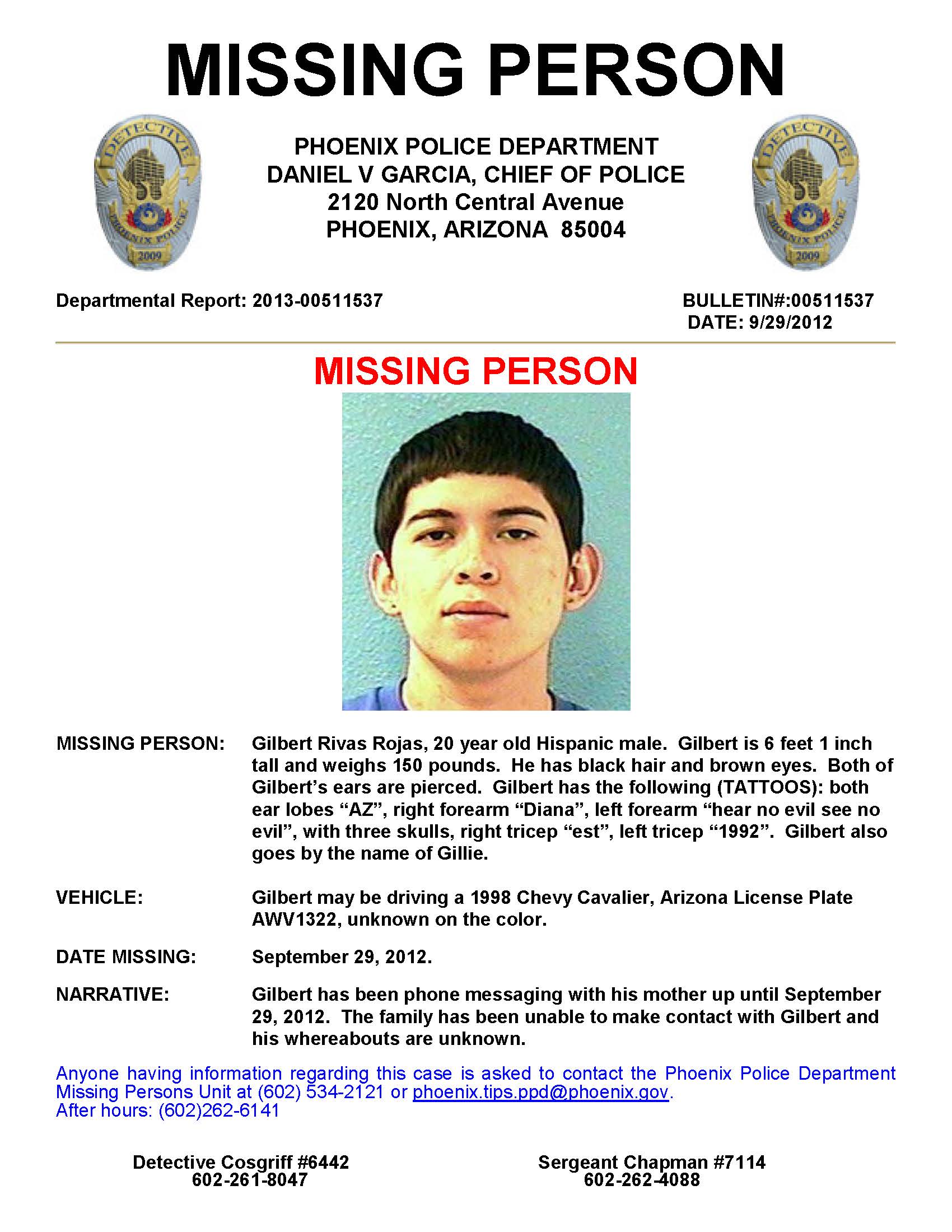
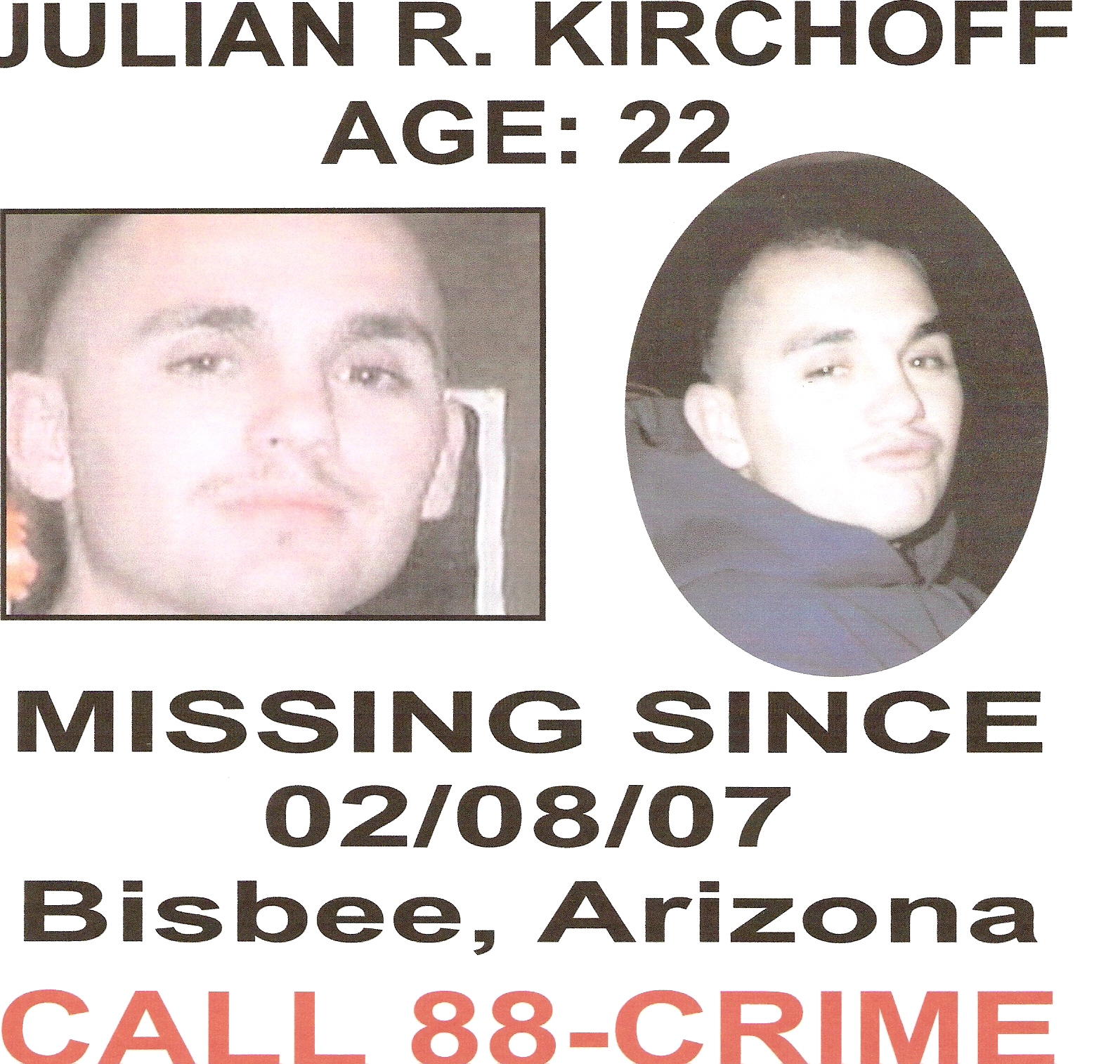
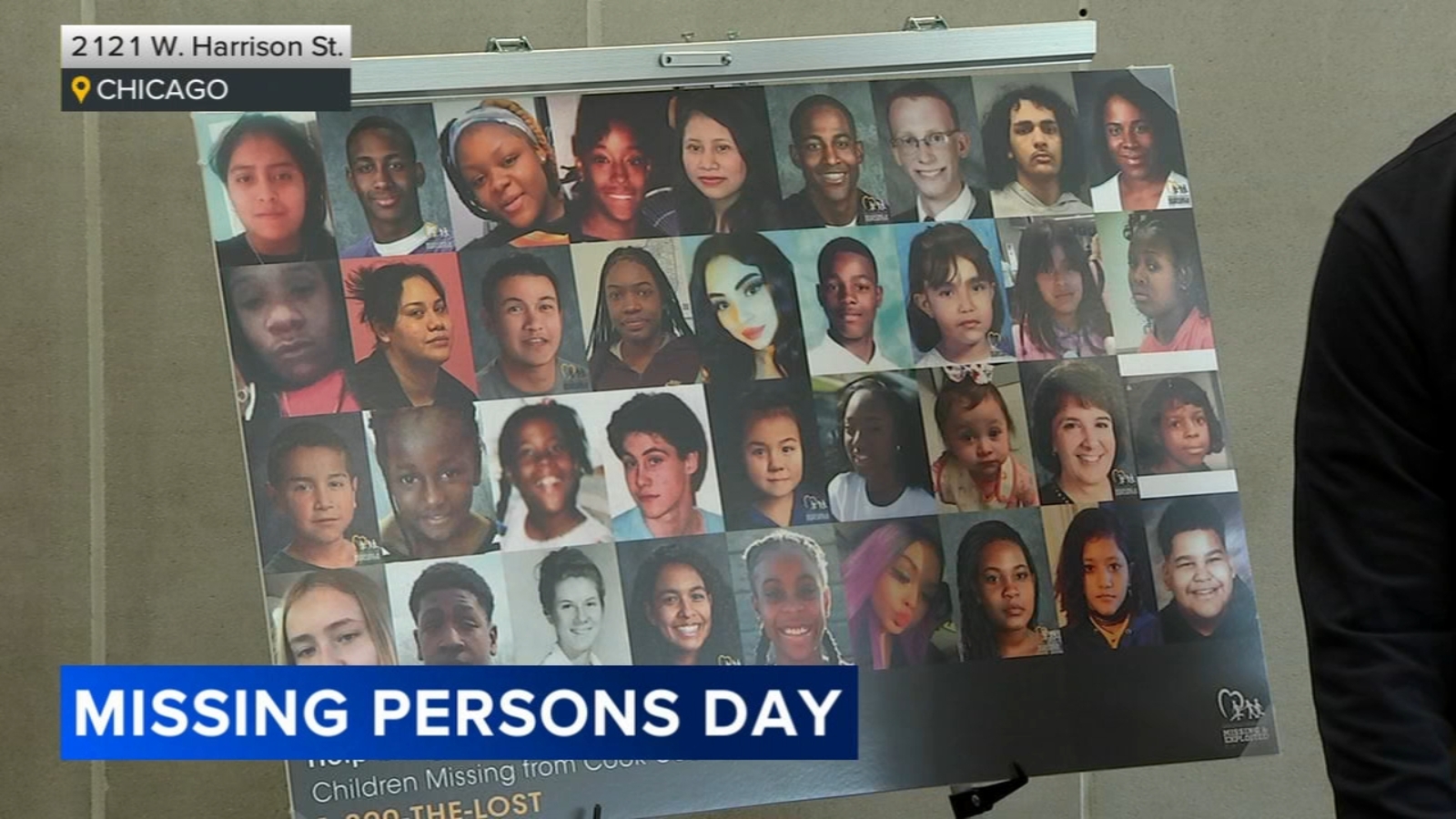
The Arizona missing persons list is primarily maintained through the Arizona Department of Public Safety (AZDPS) Missing Persons Clearinghouse and the National Missing and Unidentified Persons System (NamUs). These searchable databases allow law enforcement, families, and the public to track active cases, share vital information, and review cold cases involving missing individuals across the state of Arizona.
Searching for a missing loved one or seeking information on active cases in Arizona requires navigating several distinct jurisdictional layers. Because Arizona is a state with vast rural areas, tribal lands, and high-density urban centers like Phoenix and Tucson, the data is often spread across local, state, and federal platforms. As of 2026, the integration between these systems has improved, but understanding where to look and how the data is categorized remains essential for effective searching.
Official Databases for Arizona Missing Persons
The primary point of entry for anyone looking for the most current Arizona missing persons list is the state-level clearinghouse. However, because missing person cases often cross state lines, federal databases are equally important for a comprehensive search.
Arizona Department of Public Safety (AZDPS) Clearinghouse
The AZDPS Missing Persons Clearinghouse acts as the central repository for missing person data within the state. By Arizona law, law enforcement agencies are required to report certain types of missing person cases to this clearinghouse. This includes children, individuals with proven physical or mental disabilities, and those missing under suspicious or dangerous circumstances.
The AZDPS portal provides a public-facing list that typically includes:
- Full name and aliases: Known names used by the individual.
- Physical descriptors: Height, weight, eye color, hair color, and distinguishing marks like tattoos or scars.
- Last known location: The city or specific area where the individual was last seen.
- Case details: The date of disappearance and the investigating agency’s contact information.
NamUs: The National Missing and Unidentified Persons System
NamUs is a powerful federal resource funded by the National Institute of Justice. It is particularly effective for Arizona cases because it allows for the comparison of missing person reports against records of unidentified remains found across the United States. Given Arizona's unique geography and the high number of unidentified remains found in desert regions, NamUs is a critical tool for medical examiners and coroners in the state.
NamUs is divided into three main databases:
- Missing Persons: Profiles created by law enforcement or family members (verified by police).
- Unidentified Persons: Records of deceased individuals who have not been identified.
- Unclaimed Persons: Individuals who have been identified but whose next of kin has not been located.
National Center for Missing & Exploited Children (NCMEC)
For cases involving minors (under the age of 18), NCMEC is the most comprehensive resource. They maintain a highly detailed Arizona missing persons list specifically for children. Their database includes age-progression photos, which are vital for long-term "cold" cases where a child may now look significantly different.
Comparison of Arizona Missing Persons Resources
The following table compares the primary tools available for searching missing persons in Arizona as of 2026.
| Resource Name | Scope | Best For | Verification Required? |
|---|---|---|---|
| AZDPS Clearinghouse | State of Arizona | Recent cases and state-specific alerts. | Yes, by Law Enforcement |
| NamUs | National / Arizona | Long-term cases and matching remains. | Yes, by LE or Med. Examiner |
| NCMEC | National / Arizona | Missing children and runaways. | Yes, via Law Enforcement |
| Local Sheriff Offices | County-specific | Localized searches (e.g., Maricopa, Pima). | Agency-specific |
| Charitable Databases | Varied | Community awareness and flyers. | Varies by organization |
The Legal Process of Reporting a Missing Person in Arizona
One of the most persistent myths regarding missing persons is the "24-hour waiting period." In Arizona, there is no legal requirement to wait 24 hours before reporting a person missing. In fact, the first few hours are often the most critical for a successful recovery.
Step 1: Immediate Reporting
Contact your local law enforcement agency (police department or sheriff’s office) immediately if you believe someone is missing and in danger. Provide the dispatcher with the person's name, age, physical description, and the location where they were last seen.
Step 2: Entry into NCIC
Once a report is filed, the local agency will enter the individual's information into the National Crime Information Center (NCIC) database. This is a nationwide system accessible by all law enforcement officers. Once an entry is made in NCIC, the person is officially considered "missing" at a regulatory level, which triggers state clearinghouse notifications.
Step 3: DNA and Dental Records
For cases that remain unresolved after 30 days, Arizona law enforcement agencies typically request biological samples (DNA) from family members or personal items belonging to the missing person. These are uploaded to the Combined DNA Index System (CODIS) to help identify the individual if they are located in another jurisdiction or if unidentified remains are found.
Arizona's Specific Alert Systems
Arizona utilizes several high-priority alert systems to mobilize the public when a disappearance meets specific criteria. These alerts are broadcast via cell phones, radio, television, and highway signs.
- AMBER Alert: Used for abducted children under 18 who are believed to be in imminent danger of serious bodily injury or death. There must be enough descriptive information about the victim and the suspect/vehicle for the alert to be effective.
- Silver Alert: Specifically designed for missing persons who are 65 years of age or older, or those with diagnosed Alzheimer's, dementia, or other cognitive impairments.
- Endangered Missing Advisory (EMA): Used for missing persons who do not meet the strict criteria for an AMBER or Silver Alert but are still considered to be at high risk due to medical conditions, environmental factors, or suspicious circumstances.
- Blue Alert: While not for missing citizens, this system is used in Arizona to apprehend suspects who have killed or seriously injured a law enforcement officer.
The Role of the Medical Examiner in Arizona
Because Arizona's desert environment can be harsh, the identification of remains is a significant part of the state's missing person infrastructure. The Pima County Office of the Medical Examiner and the Maricopa County Office of the Medical Examiner handle a high volume of cases.
These offices work closely with forensic anthropologists and use the NamUs database to log skeletal remains. If you are searching for a long-term missing person in Arizona, checking the "Unidentified" section of NamUs—specifically filtering for Arizona counties—is a necessary step.
Common Obstacles in Missing Person Investigations
Despite the technology available in 2026, several factors can complicate the maintenance of an accurate Arizona missing persons list:
- Jurisdictional Fragmentation: Arizona has 15 counties, dozens of municipal police departments, and 22 federally recognized tribes. Information sharing between tribal police and state/federal agencies has historically been a challenge, though the Savanna’s Act and other initiatives have aimed to bridge this gap.
- Transient Populations: Arizona has a high number of seasonal residents ("snowbirds") and individuals passing through the state. If a person goes missing while traveling, it can be difficult to determine which agency has primary jurisdiction.
- Data Latency: While systems are faster than ever, there can still be a delay between a local police report and the information appearing on public-facing websites like the AZDPS Missing Persons page.
How the Public Can Help
The effectiveness of any Arizona missing persons list depends heavily on community engagement. Most databases provide a "Submit a Tip" feature. When providing information, be as specific as possible regarding dates, times, and locations.
If you recognize someone from a list:
- Do not attempt to intervene or apprehend the person yourself.
- Note their current location, clothing, and any companions.
- Contact the investigating agency listed on the profile immediately.
- If you are unsure of the agency, call 911 and explain that you have located a person listed on the missing persons database.
Frequently Asked Questions
What is the "Missing Person 24-Hour Rule" in Arizona?
There is no "24-hour rule." Arizona law enforcement agencies are encouraged to take reports immediately, especially for children or vulnerable adults. Delaying a report can result in the loss of critical evidence or the person traveling far outside the initial search area. If a law enforcement officer tells you that you must wait, ask to speak with a supervisor or reference the state's missing person reporting guidelines.
Can I see Arizona cold cases from decades ago?
Yes. Both the NamUs database and the AZDPS Clearinghouse maintain records of long-term missing persons. Many cases dating back to the 1960s and 70s are still active. These cold case files are frequently updated as new DNA technology allows for the re-testing of older evidence.
How do I update a missing person listing if the person is found?
If the missing person is located, the reporting party must notify the investigating law enforcement agency immediately. Only the police can officially remove a person from the NCIC, AZDPS, and NamUs databases. Private websites may take longer to update, and you may need to contact those site administrators individually with a police case number as proof of recovery.
What is the difference between a missing person and an "unidentified" person?
A "missing person" is an individual whose identity is known but whose whereabouts are unknown. An "unidentified person" refers to human remains or a living person (such as an amnesia victim) who is in custody or under medical care but whose identity cannot be established. Arizona’s databases work to cross-reference these two categories to find matches.
Does Arizona have a specific list for missing Indigenous people?
Arizona has one of the highest populations of Native Americans in the country. While there isn't a completely separate public "list" only for Indigenous people, organizations like the National Center for Missing & Exploited Children and NamUs have specific filters and advocates who focus on Missing and Murdered Indigenous People (MMIP) cases within the state.
Are runaways included on the Arizona missing persons list?
Yes. Even if a minor is suspected of leaving home voluntarily, they are legally considered missing and endangered because they are under the age of 18. Law enforcement will enter them into the state and national databases just as they would an abducted child, though the investigative priority may differ based on the circumstances.
Practical Recommendations for Families
If you are currently searching for someone on the Arizona missing persons list, ensure you have completed the following:
- Obtain a Case Number: Ensure you have the official case number from the local police or sheriff.
- Verify Database Entry: Check that the person appears in NamUs. If they do not, ask the investigating officer for permission to create a profile or ask them to upload the data.
- Gather Records: Collect the missing person’s dental and medical records. These are often the only way to confirm an identity in long-term cases.
- Social Media Presence: Use social media to share the official police flyer, but be cautious of "internet sleuths" who may provide unverified information. Always direct tips to the police, not to your personal phone number.