To find Arizona low cost auto insurance in 2026, drivers must balance the state’s mandatory 25/50/15 liability limits with personalized discounts and usage-based programs. Success requires comparing quotes from regional providers, leveraging high-deductible plans, and maintaining a high credit-based insurance score to offset rising regional premium trends.
Automobile insurance in Arizona has undergone significant shifts over the last few years. As of 2026, the state remains a competitive marketplace, but drivers face the dual challenges of increased vehicle repair costs and high density in urban centers like Phoenix and Tucson. Navigating this landscape requires more than just picking the first quote that appears; it demands a technical understanding of how Arizona laws, geographic risk factors, and individual driving behaviors intersect to influence the bottom line.
Understanding Arizona’s Legal Insurance Requirements
Before seeking the lowest possible premium, it is critical to understand the legal floor. Arizona law requires all drivers to carry a minimum amount of liability insurance. This coverage does not protect your vehicle; rather, it protects you financially if you are found at fault for an accident that causes injury or property damage to others.
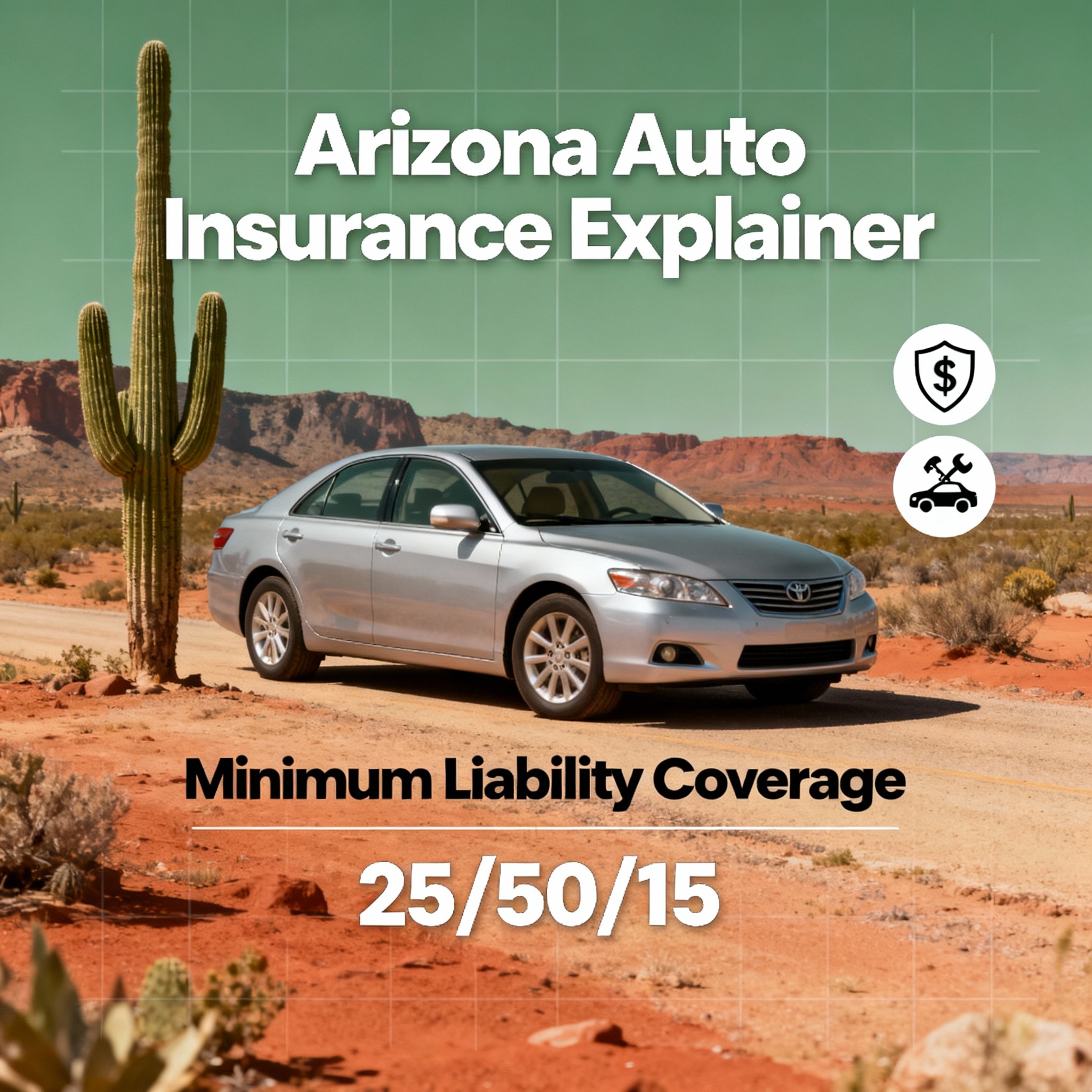
The current minimum requirements, often referred to as the 25/50/15 rule, include:
- $25,000 for bodily injury liability for one person in a single accident.
- $50,000 for bodily injury liability for two or more people in a single accident.
- $15,000 for property damage liability.
In 2026, many experts argue that these minimums are insufficient, particularly the $15,000 property damage limit. With the average cost of a new electric vehicle or high-end SUV exceeding $50,000, a minor collision can easily exceed the state-mandated coverage. However, for those strictly seeking "low cost" options, the 25/50/15 plan remains the cheapest entry point to legal driving.
The Arizona Department of Transportation (ADOT) Motor Vehicle Division (MVD) utilizes an electronic insurance verification system. Insurance companies are required to notify the MVD of policy cancellations or renewals. Failure to maintain continuous coverage can lead to the suspension of your vehicle registration and significant reinstatement fees.
Key Factors Influencing Arizona Premiums in 2026
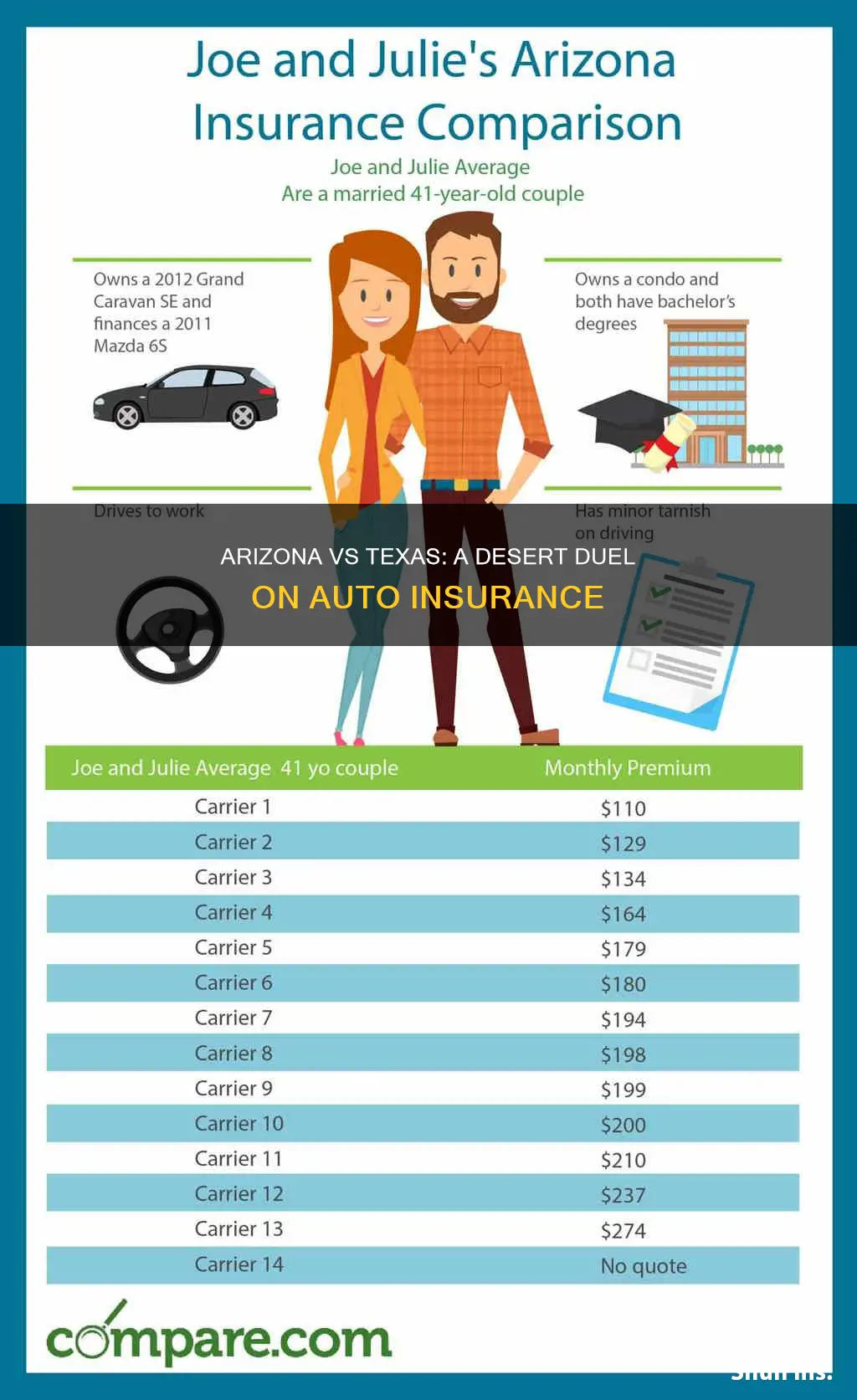
Several variables dictate why one driver pays $80 a month while another pays $200 for the same coverage in the Grand Canyon State.
Credit-Based Insurance Scores
Unlike some states that have banned the practice, Arizona continues to allow insurance companies to use your credit history as a factor in determining premiums. In 2026, this remains one of the most influential "hidden" factors. Actuarial data suggests a correlation between financial responsibility and driving safety. Drivers with "Excellent" credit scores can see premiums that are 30% to 50% lower than those with "Poor" credit.
Geographic and Climate Risks
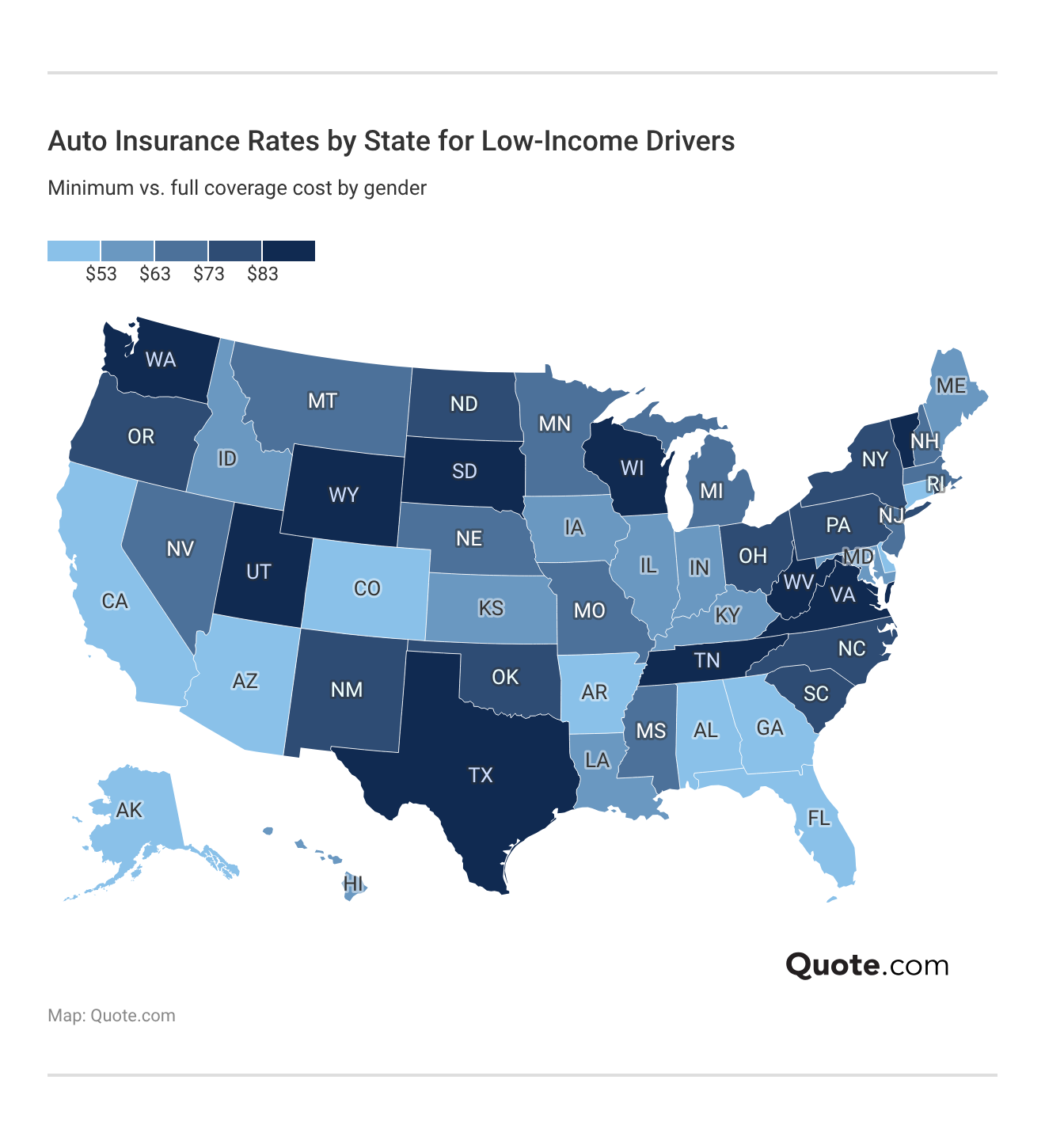
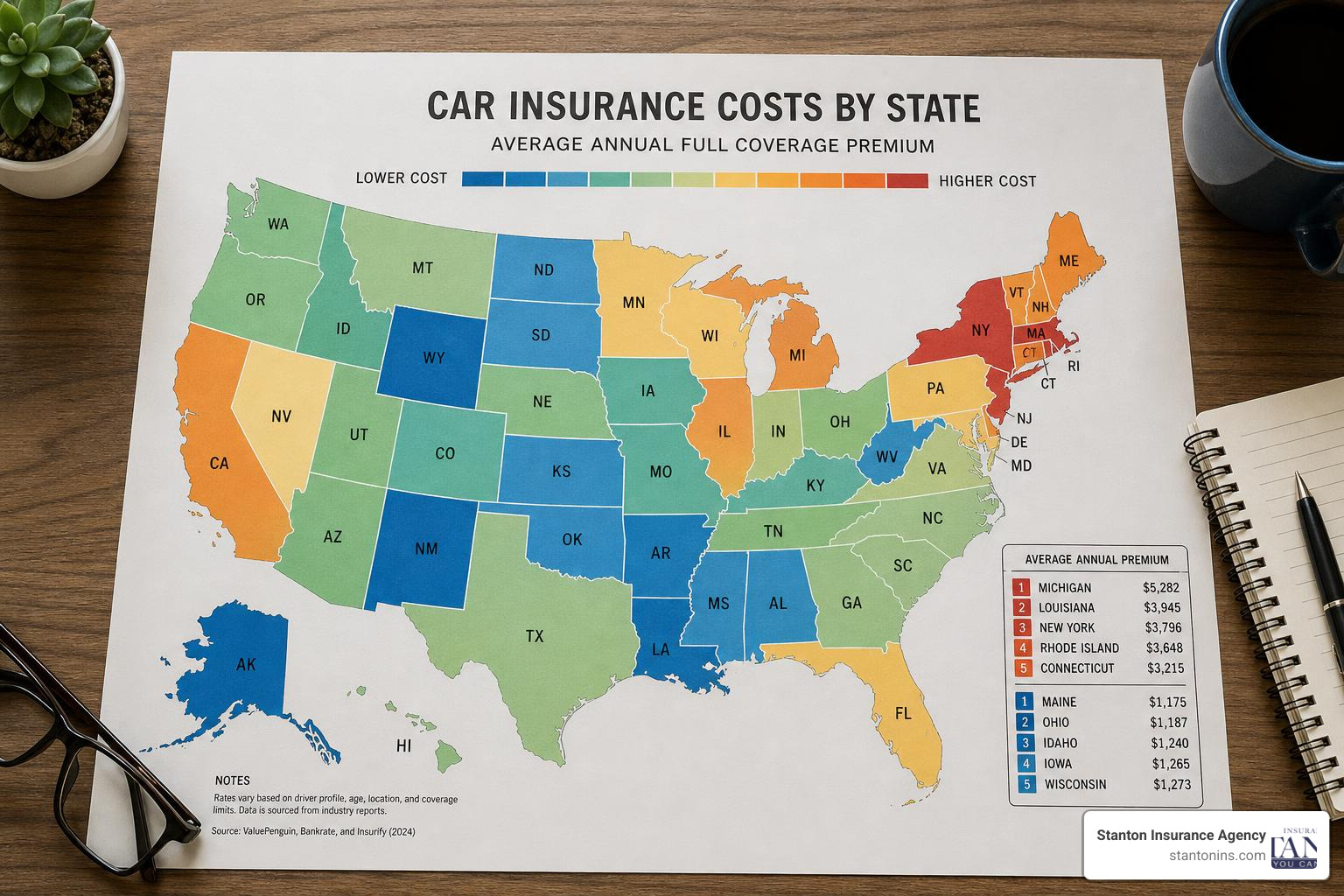
Where you garage your car in Arizona matters immensely. Drivers in rural areas like Cochise County typically enjoy lower rates than those in Maricopa County. Phoenix, specifically, faces higher rates due to traffic density, higher rates of vehicle theft, and the prevalence of "monsoon season" related claims, such as flash flood damage or fallen trees. Furthermore, the extreme heat in Arizona accelerates battery wear and tire degradation, which indirectly leads to more frequent mechanical-related accidents.
Driving Record and History
In 2026, insurance algorithms have become more sophisticated at tracking "minor" infractions. A single speeding ticket or a "not-at-fault" claim can now linger on your record, affecting your "low cost" eligibility for up to three to five years. Maintaining a clean MVR (Motor Vehicle Record) is the most effective way to ensure long-term affordability.
Comparison of Coverage Types and Cost Impact
Choosing the right combination of coverages is a balancing act between risk and monthly expenditure. Below is a breakdown of how different components affect your Arizona auto policy.
| Coverage Type | Requirement Status | Impact on Premium | Best For |
|---|---|---|---|
| Liability (25/50/15) | Mandatory | Baseline Cost | Budget-conscious drivers with older vehicles. |
| Collision | Optional | High Increase | Drivers with vehicle loans or newer cars. |
| Comprehensive | Optional | Moderate Increase | Protection against theft, fire, and desert storms. |
| Uninsured Motorist | Optional | Low Increase | Protection against the high percentage of uninsured AZ drivers. |
| Medical Payments | Optional | Low Increase | Covering immediate medical costs regardless of fault. |
| Full Glass Coverage | Optional | Variable | Arizona's gravel-heavy roads make this highly popular. |
Proven Strategies for Lowering Your Insurance Bill
If you are looking to shave costs off your 2026 Arizona policy, several proactive steps can yield immediate results.
Leverage Telematics and Usage-Based Insurance (UBI)
By 2026, telematics programs have become the industry standard for "low cost" seekers. Companies like Progressive (Snapshot), State Farm (Drive Safe & Save), and Geico (DriveEasy) use smartphone apps or plug-in devices to monitor your driving habits. If you avoid hard braking, late-night driving, and speeding, you can earn discounts of up to 40%. This is particularly beneficial for Arizona retirees or remote workers who do not commute daily.
Optimize Your Deductibles
The deductible is the amount you pay out-of-pocket before your insurance kicks in for collision or comprehensive claims. Increasing your deductible from $500 to $1,000 can reduce your monthly premium by 15% to 25%. However, this strategy is only advisable if you have an emergency fund capable of covering that $1,000 on short notice.
The "Full Glass" Exception in Arizona
Arizona is unique because of A.R.S. § 20-263, which relates to safety equipment and glass. Many Arizona policies offer "Full Glass" coverage with a $0 deductible. While this slightly increases the premium, the high frequency of cracked windshields due to highway gravel in the desert means that this "add-on" often pays for itself, preventing you from having to pay for a full windshield replacement out-of-pocket.
Bundle and Consolidate
Multi-policy discounts remain one of the most effective ways to lower costs. Bundling your auto insurance with homeowners, renters, or life insurance can trigger significant "loyalty" discounts. Furthermore, insuring multiple vehicles on a single policy is almost always cheaper than having separate policies for each car.
Specialized Insurance Needs in Arizona
High-Risk Drivers and SR-22 Filings
Drivers with multiple DUIs or significant at-fault accidents may be required to provide an SR-22 certificate. This is not "insurance" itself, but a form filed by your insurer with the Arizona MVD to prove you have the required liability coverage. Finding low-cost insurance with an SR-22 is difficult, but non-standard insurers like Dairyland or Gainsco specialize in this segment of the Arizona market.
Non-Owner Insurance
If you live in a city with good public transit like parts of Tempe or Phoenix and frequently use car-sharing services but do not own a vehicle, "Non-Owner Insurance" is a highly effective low-cost solution. It provides liability coverage when you are driving a car you do not own, ensuring you do not have a "lapse in coverage" on your record, which helps keep rates low when you eventually buy a car again.
Insurance for Seniors and Students
Arizona has a large population of both retirees and university students (ASU, UA, NAU).
- Students: Can lower costs by maintaining a "B" average or higher (Good Student Discount) or by leaving their car at home while at school (Resident Student Discount).
- Seniors: Taking a voluntary defensive driving course recognized by the Arizona Department of Insurance and Financial Institutions (DIFI) can lead to mandated premium reductions for drivers over a certain age.
The Role of Modern Technology in 2026 Claims
In 2026, the speed of claims processing directly impacts insurance overhead, and by extension, your premiums. Many Arizona insurers now use AI-driven photo estimation for minor "fender benders." By submitting photos via a mobile app, claims that used to take weeks to settle are now resolved in days. Choosing a company with a robust digital infrastructure can often lead to lower administrative costs, which are passed down to the consumer as lower premiums.
However, be aware that the high cost of sensor-recalibration in modern vehicles means that even small "bumps" are more expensive to fix than they were a decade ago. This technological inflation is the primary reason why even "low cost" insurance feels more expensive in 2026 than in previous years.
Common Mistakes to Avoid When Searching for Low Cost Plans
- Sacrificing Uninsured Motorist Coverage: Arizona consistently ranks among the states with a high percentage of uninsured drivers. Opting out of Uninsured/Underinsured Motorist (UM/UIM) coverage to save $10 a month can be a catastrophic financial mistake if you are hit by a driver without insurance.
- Inaccurate Mileage Reporting: In the era of telematics, lying about your annual mileage is easily caught. If you claim to drive 5,000 miles a year but actually drive 15,000, your insurer may deny a claim or retroactively charge you the premium difference.
- Ignoring Local Mutual Companies: While national brands have the biggest ad budgets, local Arizona mutual companies often have lower overhead and more specific knowledge of regional risks, sometimes offering better rates for "safe" local drivers.
Frequently Asked Questions
What is the average cost of auto insurance in Arizona in 2026?
While costs vary by zip code, the average annual premium for a full-coverage policy in Arizona in 2026 hovers around $1,800 to $2,200. Minimum liability-only policies are significantly cheaper, often ranging between $600 and $900 annually for drivers with clean records. These figures are subject to change based on inflation and local legislative adjustments.
Can my insurance company cancel my policy if I get into an accident in Arizona?
Generally, an insurer cannot cancel a policy mid-term just because of one accident. However, they can choose "non-renewal" at the end of your policy term. In Arizona, companies must provide at least 45 days' notice before non-renewing a policy, giving you time to find alternative Arizona low cost auto insurance.
Does Arizona allow "Pay-Per-Mile" insurance?
Yes, pay-per-mile insurance is widely available in Arizona in 2026. This is an ideal low-cost solution for urban dwellers who primarily use light rail or carpooling and drive their personal vehicles less than 5,000 miles per year. You pay a low base rate plus a few cents for every mile driven.
Is glass coverage mandatory in Arizona?
No, glass coverage is not mandatory by law. However, because of the high volume of road debris in the desert, most Arizona insurers offer a specific $0-deductible glass option. If you have a low-cost "liability-only" policy, you will likely have to pay for glass repairs out-of-pocket unless you specifically add this endorsement.
How does a DUI affect my ability to get low cost insurance in Arizona?
A DUI conviction in Arizona is a major "point" event on your license. It will typically disqualify you from "preferred" low-cost carriers for at least 3 to 7 years. You will likely need to seek coverage from "non-standard" insurers and file an SR-22, which can double or triple your previous premium.
Final Recommendation for Arizona Drivers
To secure the most affordable rates in 2026, you should perform a "comprehensive insurance audit" every 12 months. Start by pulling your current declarations page to see exactly what you are paying for. Next, check your credit score and resolve any errors, as this is a primary driver of Arizona rates. Finally, use an independent agent or an online comparison tool to get quotes from at least three different carriers—including one that offers a telematics-based discount. If you drive less than 40 miles a day and maintain a clean record, a usage-based policy is currently the most effective way to minimize your Arizona auto insurance expenses.
For official updates on insurance regulations and consumer rights, consult the Arizona Department of Insurance and Financial Institutions or the National Association of Insurance Commissioners (NAIC).