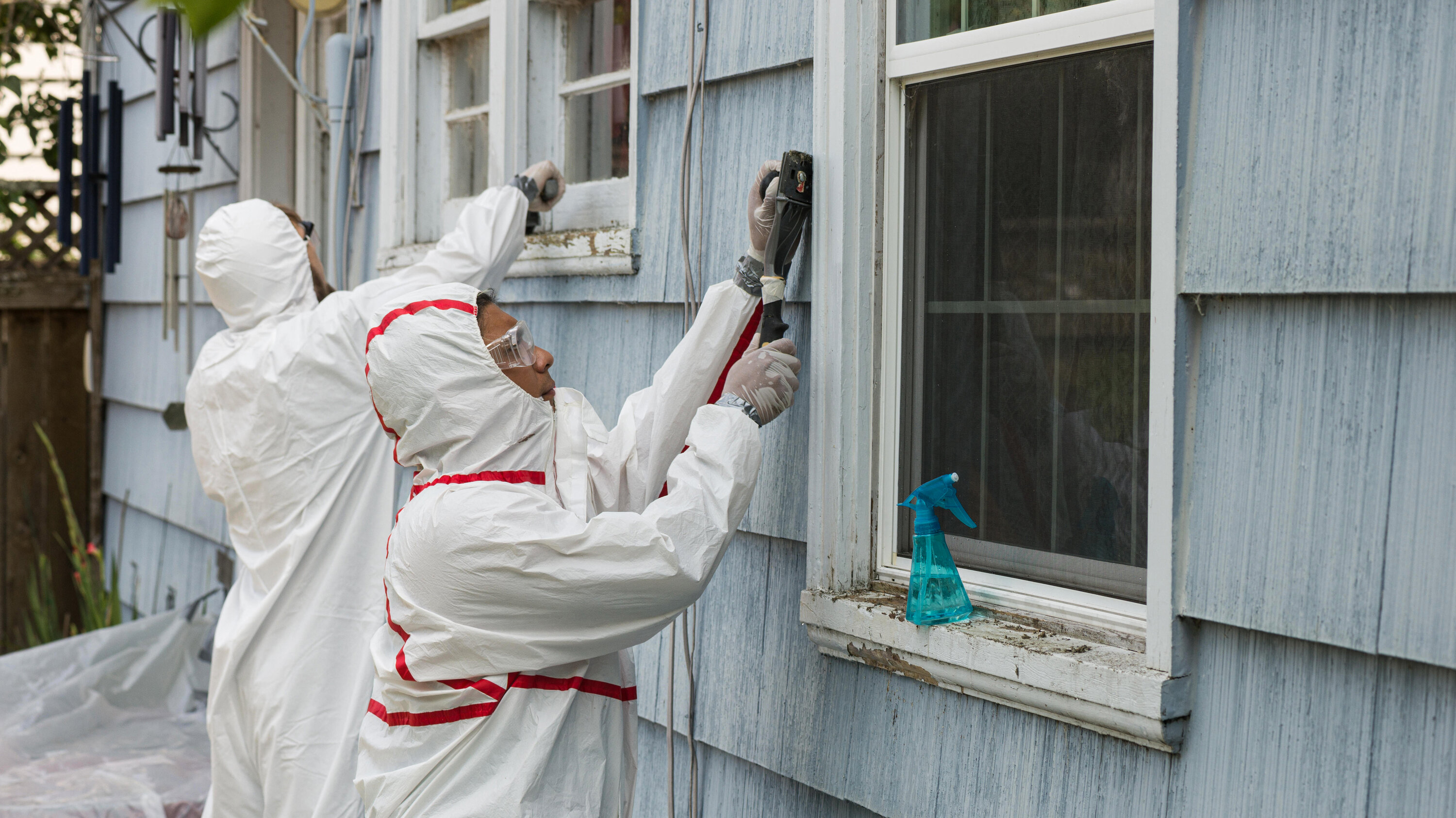
In Arizona, mold remediation is governed primarily by the Arizona Registrar of Contractors (ROC) under general contracting statutes rather than a standalone mold-specific license. While the state does not issue a specific "mold license," contractors performing remediation work exceeding $1,000 must hold a valid ROC license, such as a CR-48 or general residential license, and comply with the Arizona Residential Landlord and Tenant Act regarding mold disclosures and habitability.
The Regulatory Framework for Mold Remediation in Arizona
As of 2026, Arizona remains one of several states that does not have a specialized, state-mandated "Mold Remediation Specialist" license category. Instead, the state utilizes its robust Registrar of Contractors (ROC) system to oversee anyone performing structural repairs or environmental hazard mitigation. This means that "mold laws" in Arizona are a patchwork of general contracting requirements, environmental health guidelines from the Arizona Department of Health Services (ADHS), and specific statutes within the landlord-tenant code.
The legal foundation rests on Arizona Revised Statutes (A.R.S.) Title 32, which dictates that any person or company that bids on, or performs, any construction, alteration, or repair must be licensed by the ROC if the total cost of the project (including labor and materials) exceeds $1,000. Because mold remediation often involves tearing out drywall, treating structural studs, and replacing flooring—all of which are considered "alterations"—the vast majority of professional mold jobs fall under the mandatory licensing umbrella.
Furthermore, Arizona law emphasizes consumer protection through the Contractor’s Recovery Fund. This fund is available to residential property owners who have been harmed by the actions of a licensed contractor. If a remediation firm performs substandard work that fails to solve the mold problem, the homeowner may have recourse through the ROC to seek financial restitution, provided the contractor was properly licensed at the time the contract was signed.
Licensing Requirements for Arizona Mold Contractors
Because there is no "Mold-Only" license, contractors typically operate under several specific classifications. Understanding these classifications is critical for both property owners and professionals to ensure legal compliance.
Dual and Specialized Licenses
The most common license for a dedicated remediation firm is the CR-48 Communication and Low Voltage Systems (which is sometimes used for specialized cleaning) or more accurately, the B-1 or B-2 General Residential/Commercial Contractor licenses. However, many specialized remediation firms hold a CR-61 Carpentry, Remodeling and Repairs license. This allows them to perform the "build-back" phase of remediation, which involves replacing the materials they removed during the cleanup.
The Handyman Exception
Arizona law includes what is commonly referred to as the "Handyman Exception." Under A.R.S. § 32-1121(A)(14), a person who performs work where the aggregate contract price is less than $1,000 (including labor, materials, and all other items) is not required to be licensed. However, this exception does not apply if a building permit is required. Since most mold remediation involving significant moisture source repair or structural drying requires some level of permitting or professional oversight for safety, the handyman exception is rarely a safe legal harbor for significant mold issues.
Workers' Compensation and Insurance
Arizona law is stringent regarding insurance for contractors. Under A.R.S. § 23-907, any contractor with even one employee must carry workers' compensation insurance. In the context of mold remediation, this is a vital legal protection for the homeowner. If an uninsured worker is injured while removing moldy materials or suffers a respiratory ailment due to exposure, the property owner could be held liable. Verifying that a contractor carries both General Liability and Workers' Compensation is a legal prerequisite for any safe remediation project.
Arizona Residential Landlord and Tenant Act (ARLTA) and Mold
Mold issues in rental properties are one of the most litigated areas of Arizona property law. The Arizona Residential Landlord and Tenant Act, specifically A.R.S. § 33-1319, mandates specific actions regarding mold.
Mandatory Mold Disclosures
Landlords in Arizona are legally required to provide "educational materials" about mold to all new tenants. The Arizona Department of Health Services (ADHS) provides these guidelines, which outline how to identify mold and the health risks associated with it. Failure to provide this disclosure can be used as evidence in a constructive eviction case if the tenant later discovers a mold infestation that the landlord failed to address.
Habitability and Repairs
Under A.R.S. § 33-1324, landlords are required to maintain the premises in a "fit and habitable condition." Mold is often viewed as a breach of the implied warranty of habitability if it is caused by structural defects, such as a leaking roof or faulty plumbing. If a tenant notifies a landlord of a mold issue in writing, the landlord typically has 10 days to begin repairs. If the mold constitutes an emergency (e.g., it is linked to a lack of essential services like water or cooling), the timeline for legal action is significantly shorter.
Professional Standards and Industry Compliance
While Arizona statutes do not explicitly detail the technical steps for mold removal, the courts and the ROC frequently look to industry standards to determine if a contractor acted with "reasonable care." In 2026, the benchmark remains the IICRC S520 Standard for Professional Mold Remediation.
The IICRC S520 Benchmark
The IICRC (Institute of Inspection, Cleaning and Restoration Certification) S520 is a procedural standard. If a contractor is sued for negligence in Arizona, their adherence to S520—or lack thereof—will be a primary point of evidence. This standard requires:
- Containment: Using physical barriers (6-mil poly sheeting) and HEPA-filtered negative air machines to prevent cross-contamination.
- Source Removal: Physically removing moldy porous materials rather than just "spraying" them with bleach.
- Moisture Control: Ensuring the underlying cause of the mold is repaired before the remediation is considered complete.
Post-Remediation Verification (PRV)
Arizona law does not strictly require third-party "clearance testing," but it is highly recommended for legal protection. To avoid a conflict of interest, the company performing the remediation should not be the same company that performs the final air quality testing. Having a separate, independent environmental consultant provide a "Passed" PRV report is the strongest legal defense a property owner or contractor can have against future mold-related claims.
Summary of Arizona Contractor Requirements
The following table outlines the different legal requirements for various types of mold-related work in Arizona as of 2026.
| Activity | License Required? | Governing Statute | Key Requirement |
|---|---|---|---|
| Inspection Only | No State License | N/A | Usually requires private certification (CIH, ACAC). |
| Remediation < $1,000 | No | A.R.S. § 32-1121 | Work must not require a building permit. |
| Remediation > $1,000 | Yes (ROC) | A.R.S. § 32-1101 | Must display ROC license number on all contracts. |
| Rental Mold Disclosure | Yes (Landlord) | A.R.S. § 33-1319 | Must provide ADHS mold info to new tenants. |
| Structural Build-back | Yes (ROC) | A.R.S. Title 32 | Requires B-1, B-2, or CR-61 classification. |
| Employee Coverage | Yes | A.R.S. § 23-907 | Mandatory Workers' Comp insurance for all staff. |
Legal Risks and Liability for Contractors
Contractors in Arizona face significant legal risks if they do not strictly adhere to ROC regulations. The "failure to perform in a professional and workmanlike manner" is the most common complaint filed with the ROC.
The Danger of Using Bleach
A common mistake that leads to legal action is the use of bleach on porous surfaces (like drywall or wood) instead of physical removal. In Arizona courts, if a contractor promises to "remediate" mold but only uses biocides without removing the source, they may be found liable for consumer fraud or breach of contract. This is because the dead mold spores can remain allergenic or toxic, and the moisture in the bleach can actually promote further fungal growth.
Advertising and Misrepresentation
Contractors must be careful with their marketing materials. In 2026, the Arizona Attorney General’s office continues to monitor for "predatory" environmental services. Claiming a home is "mold-free" is a dangerous legal statement, as mold spores are a natural part of the environment. Professionals are advised to use terms like "remediated to normal fungal ecology" to align with IICRC standards and avoid the legal pitfalls of promising an impossible "zero-mold" environment.
Consumer Protection: Verifying a Contractor
Before signing a contract for mold remediation in Arizona, consumers are legally entitled to verify the status of a contractor. The Arizona Registrar of Contractors provides a public search portal where property owners can check:
- License Status: Is the license active, suspended, or expired?
- Complaint History: Has the contractor had formal complaints filed against them in the last two years?
- Insurance/Bonding: Does the contractor maintain the required bond to protect consumers from financial loss?
Hiring an unlicensed contractor for mold remediation in Arizona is not only a risk to the property but also leaves the homeowner without access to the Contractor’s Recovery Fund. If an unlicensed contractor performs poor work, the homeowner's only recourse is through the civil court system, which is often more expensive and time-consuming than an ROC administrative hearing.
FAQs on Arizona Mold Remediation Laws
Does Arizona require mold contractors to be certified?
While Arizona does not have a state-issued mold certification, any contractor doing work over $1,000 must be licensed by the Registrar of Contractors. Most reputable firms also hold private certifications from organizations like the ACAC (American Council for Accredited Certification) or the IICRC to demonstrate their expertise in the field.
Can I sue my landlord for mold in Arizona?
Yes, under the Arizona Residential Landlord and Tenant Act, you can sue for damages if the landlord fails to maintain a habitable environment. However, you must follow the correct legal procedures, which include providing written notice of the defect and allowing the landlord the statutory time to remedy the situation before seeking a court intervention or terminating the lease.
Is a mold disclosure required when selling a house in Arizona?
Yes. The Arizona Association of Realtors standard disclosure forms require sellers to disclose any past or present "environmental hazards," which specifically includes mold. Failure to disclose known mold issues can lead to lawsuits for fraud or misrepresentation after the sale is finalized.
What is the $1,000 rule in Arizona?
The $1,000 rule is the threshold for mandatory contractor licensing. If a mold remediation project costs more than $1,000 in total, the person performing the work must be a licensed contractor. This prevents "fly-by-night" operators from performing complex environmental cleanups without state oversight or bonding.
How long does a contractor have to fix a mold issue under warranty?
In Arizona, the ROC generally enforces a two-year period from the date of completion during which a contractor must correct work that does not meet professional standards. If the mold returns due to poor workmanship during the initial remediation, the contractor is typically required to return and fix it at no cost to the owner.
Does homeowner's insurance cover mold in Arizona?
This depends entirely on the specific policy and the "source" of the mold. Most Arizona policies cover mold if it is the direct result of a "covered peril," such as a sudden pipe burst. However, mold resulting from long-term neglect, high humidity, or seepage is often excluded or capped at a low limit (e.g., $5,000).
Practical Recommendation for Property Owners
When facing a mold issue in Arizona in 2026, the most legally sound approach is to follow a "triad" of professional services. First, hire an independent mold inspector (not a contractor) to perform an initial assessment and create a "remediation protocol." Second, hire an ROC-licensed contractor to execute that protocol. Third, have the original inspector return for a post-remediation verification (PRV) test to ensure the work was successful.
By separating the inspection from the remediation, you create a system of checks and balances that satisfies Arizona's consumer protection standards and provides the strongest possible evidence should any legal disputes arise regarding the property's habitability or value.