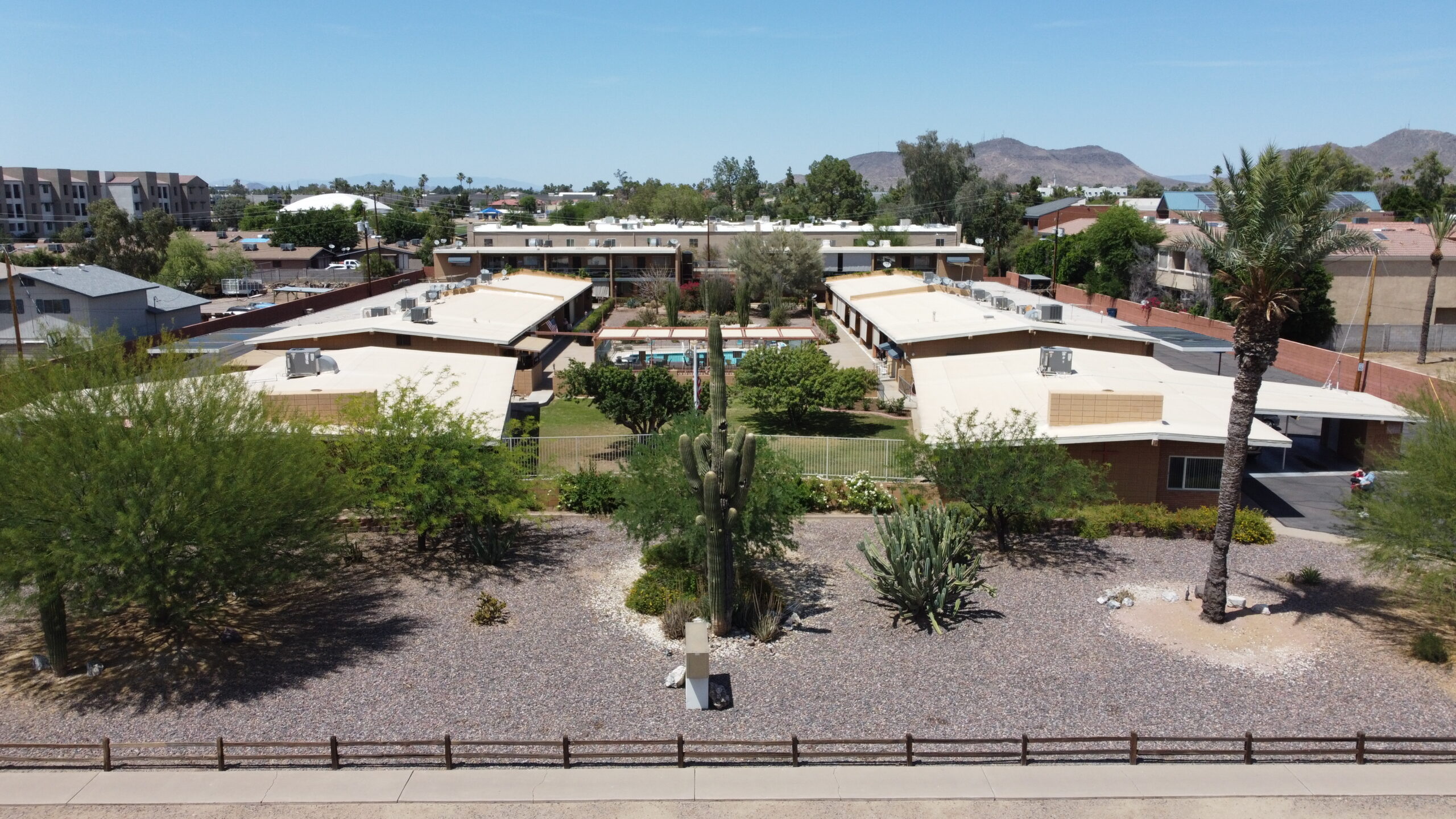
The Arizona Lutheran Retirement Center, officially known today as the Glencroft Center for Modern Aging, is a premier continuing care retirement community (CCRC) located in Glendale, Arizona. It provides a full spectrum of senior living services, including independent living, assisted living, memory care, and skilled nursing, emphasizing a holistic approach to "successful aging" for residents of all faith backgrounds.
Located on a sprawling 40-acre campus in the heart of the West Valley, this facility stands as the largest senior living community in Arizona and one of the largest in the United States. While its roots are deeply embedded in the Lutheran tradition of service and stewardship, it has evolved into a non-denominational center that welcomes seniors from all walks of life. In 2026, the facility continues to set benchmarks for "Modern Aging," a philosophy that focuses on the intersection of physical health, mental engagement, and social connectivity.
The Evolution of the Arizona Lutheran Retirement Center
To understand the current operations of the Glencroft Center for Modern Aging, one must look at its historical foundation. Established by the Lutheran community to provide a dignified environment for the elderly, the center was built on the principle of "Providence." This term refers to the protective care of God, which the founders aimed to manifest through high-quality housing and medical support.
Over several decades, the facility underwent a significant transformation. What began as a modest retirement home grew into a massive campus with dozens of buildings designed to accommodate different levels of acuity. In the early 21st century, the rebranding to the "Center for Modern Aging" reflected a shift in the senior care industry. Instead of viewing retirement as a period of decline, the center treats it as a phase of growth and specialized wellness.
The Mission and "Modern Aging" Philosophy
In 2026, the center operates under a specific framework that differentiates it from standard nursing homes. The "Successful Aging" model used here is based on research that suggests genetics only account for about 30% of how we age; the remaining 70% is determined by lifestyle choices and environment.
The campus is structured to support four pillars of wellness:
- Physical: On-site clinics, fitness centers, and specialized nutrition plans.
- Social: Community events, volunteer opportunities, and intergenerational programs.
- Intellectual: Continuing education, workshops, and technology integration.
- Spiritual: Multi-denominational services, counseling, and quiet reflection spaces.
Residential Options and Levels of Care
The primary advantage of a continuing care retirement community like Glencroft is the "continuum of care." This allows residents to enter the community while they are still independent and remain in the same familiar environment as their medical needs increase over time.
Independent Living
For seniors who are active and do not require assistance with daily tasks, independent living offers a maintenance-free lifestyle. In 2026, these units range from garden-style apartments to larger floor plans.
- Amenities: Full kitchens, emergency call systems, and access to all campus social activities.
- Lifestyle: Residents are free to come and go, host guests, and participate in community-led excursions across the Phoenix metropolitan area.
- Maintenance: All landscaping, utilities (typically), and structural repairs are handled by the facility, allowing residents to focus on leisure.
Assisted Living
When a resident begins to require help with Activities of Daily Living (ADLs)—such as bathing, dressing, or medication management—they transition to assisted living. The goal in this wing is to provide the minimum necessary intervention to keep the resident safe while maximizing their autonomy.
- Staffing: Certified caregivers are available 24/7.
- Customization: Care plans are reviewed quarterly to ensure the level of support matches the resident's current health status.
Memory Care (The Zoe Program)
Specialized care for individuals with Alzheimer’s and other forms of dementia is provided in a secure, supportive environment. The "Zoe" approach focuses on sensory engagement and reducing the anxiety often associated with memory loss.
- Security: Keypad-controlled entries and exits to prevent wandering.
- Environment: Circular hallways that prevent "dead ends," which can cause confusion for dementia patients.
- Programming: Music therapy, cognitive exercises, and structured routines.
Skilled Nursing and Post-Acute Rehabilitation
For those recovering from surgery, stroke, or severe illness, the skilled nursing facility (SNF) provides medical-grade care. This section is staffed by Registered Nurses (RNs) and Licensed Practical Nurses (LPNs).
- Therapy Services: On-site physical, occupational, and speech therapy.
- Long-term Care: For residents with chronic conditions requiring 24-hour medical supervision.
Comparing Care Levels at Glencroft
| Care Level | Primary Focus | Staffing Level | Ideal Candidate |
|---|---|---|---|
| Independent Living | Maintenance-free lifestyle | 24/7 Security/Emergency | Active seniors 62+ |
| Assisted Living | Daily task support | 24/7 Caregivers | Seniors needing help with ADLs |
| Memory Care | Cognitive safety | Specialized Memory Staff | Patients with Alzheimer's/Dementia |
| Skilled Nursing | Clinical medical care | RNs, LPNs, Therapists | Post-surgery or chronic illness patients |
| Adult Day Care | Daytime socialization | Activity Coordinators | Seniors living at home with family |
Financial Requirements and Assistance (ALTCS)
One of the most critical aspects of choosing a retirement center in Arizona is understanding the financial landscape. As of 2026, Glencroft remains one of the most accessible large-scale communities due to its participation in various financial programs.
Private Pay vs. Insurance
Most independent living and assisted living units are paid for through private funds or Long-Term Care Insurance (LTCI). However, skilled nursing and certain assisted living services may be covered by Medicare for short-term rehabilitative stays.
ALTCS (Arizona Long Term Care System)
The Arizona Lutheran Retirement Center is well-known for its long-standing relationship with ALTCS, the state’s Medicaid program for long-term care. Unlike many "luxury" retirement homes that only accept private pay, portions of the Glencroft campus are dually certified to accept ALTCS.
- Eligibility: To qualify for ALTCS, an applicant must meet both functional (medical) and financial requirements. As of 2026, an individual generally cannot have more than $2,000 in countable assets (though there are many exceptions for primary homes and spouses).
- Application Process: Families are encouraged to begin the ALTCS application early, as the state's review process can take 60 to 90 days.
Providence Homes Model
The center also utilizes a "Providence" model for financial hardship. In specific cases, the organization’s foundation helps support residents who have outlived their assets, ensuring they are not forced to leave their community due to a lack of funds. This philanthropic component is a direct vestige of the center's Lutheran charitable mission.
Campus Amenities and Modern Aging Features
Spanning 40 acres, the campus is designed as a "city within a city." This layout reduces the "institutional" feel that many seniors fear when moving into a retirement center.
Dining Services
Nutrition is a core component of the wellness program. The facility offers multiple dining venues:
- The Crossings: A full-service dining room with seasonal menus.
- Casual Cafés: For quick meals and social gatherings.
- Dietary Customization: Menus are designed to accommodate low-sodium, diabetic, and heart-healthy requirements as prescribed by physicians.
The Wellness Center and Technology
In 2026, the center has integrated several high-tech solutions to assist with aging:
- Telehealth Suites: Residents can consult with specialists via high-definition video conferencing, reducing the need for stressful transport to off-site clinics.
- Smart Home Features: Many units are equipped with fall-detection sensors and automated lighting to prevent accidents.
- Fitness Center: Featuring silver-sneakers programs, aquatic therapy in heated pools, and strength training tailored to geriatric physiology.
Admissions and Residency Requirements
Applying for residency at the Arizona Lutheran Retirement Center involves several steps to ensure the facility can meet the prospective resident's needs.
- Initial Assessment: A clinical coordinator performs a functional assessment to determine which level of care is appropriate (Independent, Assisted, or Skilled).
- Financial Disclosure: For private pay residents, a review of assets is typically required to ensure long-term stability. For those applying via ALTCS, proof of state approval is necessary.
- Medical Records: A current physician’s report (often referred to as a "Level of Care" or "Section 2" form in Arizona) must be submitted.
- Waitlists: Due to its popularity and ALTCS acceptance, certain floor plans or care wings may have waitlists. It is common for independent living units to have shorter waits than subsidized skilled nursing beds.
Frequently Asked Questions
Is the Arizona Lutheran Retirement Center only for Lutherans?
No. While founded by Lutheran congregations and maintaining a spiritual foundation, the center is open to individuals of all faiths or no faith. The chaplaincy services on campus are interfaith and provide support to the entire community.
What is the minimum age for residency?
Typically, the minimum age for independent living is 62. However, exceptions may be made in assisted living or skilled nursing for younger individuals with specific medical needs or disabilities that require the facility's specialized level of care.
Does the center allow pets?
Yes, independent living and some assisted living areas allow residents to have small pets, provided the resident can care for them independently. There are designated walking areas on the 40-acre campus for residents with dogs.
How does the facility handle transportation?
The center provides scheduled transportation for grocery shopping, banking, and medical appointments within a specific radius of the Glendale campus. Many residents in independent living also maintain their own vehicles and utilize the provided parking spaces.
Can I transition between care levels without leaving the campus?
Yes, this is one of the primary benefits of the CCRC model. If an independent living resident has a stroke or a fall, they can move to the skilled nursing wing for rehab and then potentially return to their apartment or move to assisted living if they require more permanent help.
Summary of Next Steps
Choosing a retirement community is a significant decision that involves medical, financial, and emotional considerations. For those looking into the Arizona Lutheran Retirement Center (Glencroft), the following actions are recommended:
- Schedule a Tour: Visit the 40-acre Glendale campus to see the different residential buildings and meet the staff. Tours are the best way to gauge the "culture" of the community.
- Consult a Financial Advisor: If you are planning on utilizing ALTCS, speak with a specialist or a Medicaid planner to ensure your assets are structured correctly.
- Review the Most Recent State Surveys: Arizona's Department of Health Services (ADHS) regularly inspects skilled nursing and assisted living facilities. Reviewing these reports provides an objective look at the facility’s safety and compliance record.
- Engage the Foundation: If you are interested in the charitable mission or the Providence Homes model, contact the Glencroft internal foundation for information on community support and endowment programs.
The Arizona Lutheran Retirement Center remains a pillar of the Glendale community in 2026, offering a rare combination of large-scale resources and a mission-driven, person-centered approach to aging.