In Arizona, life insurance beneficiary rules are primarily governed by the state’s status as a community property jurisdiction and specific statutes under the Arizona Revised Statutes (A.R.S.) Title 14. These rules dictate that while policyholders generally have the freedom to choose beneficiaries, legal protections for spouses, the "revocation on divorce" doctrine, and strict requirements for minor recipients can significantly alter how a death benefit is ultimately distributed.
Navigating these regulations requires an understanding of how state law interacts with federal mandates, especially regarding employer-sponsored policies. Whether you are a policyholder ensuring your estate plan is sound or a beneficiary seeking to understand your rights, the following sections provide a detailed analysis of the legal landscape in Arizona as of 2026.
The Impact of Community Property Laws on Arizona Life Insurance
Arizona is one of the few community property states in the U.S. This legal framework assumes that any assets or income acquired by either spouse during the marriage belong equally to both. When it comes to life insurance, this principle introduces a layer of complexity that often surprises policyholders. If a policy was purchased during the marriage using community funds (such as wages earned by either spouse), the policy itself is often considered community property.
Under Arizona law, a spouse may have a legal claim to 50% of the death benefit, even if they are not the named beneficiary. For example, if a husband names his sibling as the sole beneficiary of a policy paid for with his salary during the marriage, the surviving wife may contest the payout. Arizona courts generally hold that one spouse cannot "gift" community assets to a third party without the other spouse's consent. Consequently, the insurance company might be legally obligated to pay half of the benefit to the surviving spouse and the remaining half to the named beneficiary.
This rule does not apply to "separate property." If the policy was purchased before the marriage and premiums were paid exclusively with pre-marital assets or an inheritance, it remains separate. However, if any community funds were used to pay premiums after the wedding, the policy may become "commingled," potentially giving the spouse a pro-rata interest in the proceeds.
Arizona’s Revocation on Divorce Statute (A.R.S. § 14-2804)
One of the most critical Arizona life insurance beneficiary rules is found in A.R.S. § 14-2804. This statute provides that a divorce or annulment automatically revokes the designation of a former spouse as a beneficiary on a life insurance policy. Legally, the state treats the former spouse as if they had predeceased the policyholder.
This "revocation by law" serves as a safety net for individuals who forget to update their paperwork after a split. However, there are three primary exceptions where the ex-spouse would still receive the benefit:
- The Divorce Decree: If the final judgment of dissolution specifically requires one party to maintain the other as a beneficiary (often to secure alimony or child support), the state law revocation is overridden.
- Post-Divorce Redesignation: If the policyholder affirmatively re-names the ex-spouse as the beneficiary after the divorce is finalized, the designation is valid.
- Express Terms: If the policy contract itself contains language stating that a divorce shall not affect the beneficiary designation, the contract terms may prevail.
It is vital to note that this state law is frequently preempted by federal law in specific scenarios, which we will explore in the section on ERISA policies.
Naming Minors as Beneficiaries in Arizona
While you can legally name a minor child as a beneficiary in Arizona, doing so without a structured plan often leads to significant legal hurdles. Arizona law dictates that life insurance companies cannot pay large sums of money directly to a minor. If a minor is named and no legal mechanism is in place, the court must appoint a conservator to manage the funds until the child reaches the age of 18.
To avoid the costs and delays of court-supervised conservatorship, Arizona residents typically use one of two methods:
- The Arizona Uniform Transfers to Minors Act (UTMA): Policyholders can designate a "custodian" for the minor under the Arizona UTMA. The insurance company pays the custodian, who manages the funds for the child's benefit until they reach age 18 or 21, depending on how the designation is phrased.
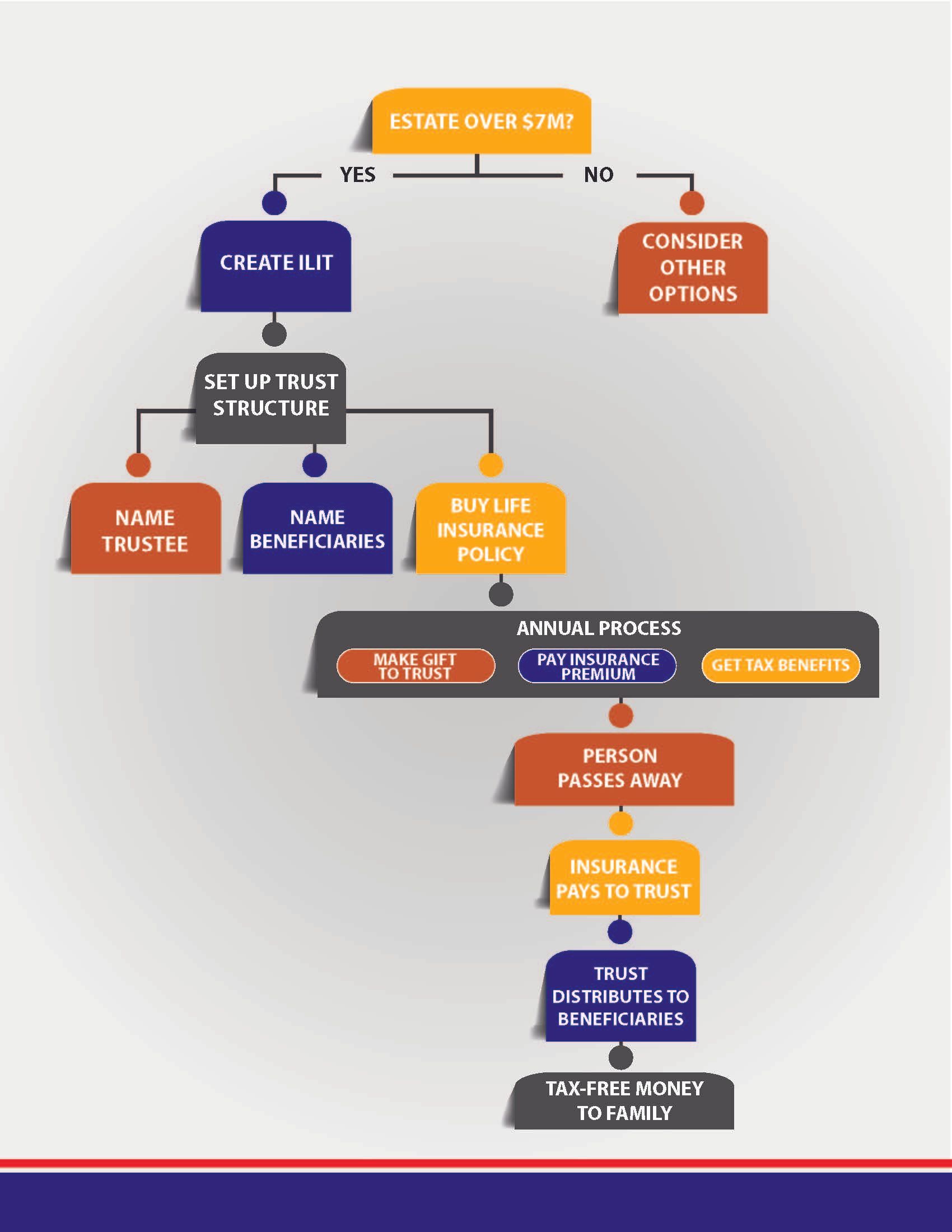
- Living Trusts: A more robust option involves naming a trust as the beneficiary. The trustee manages the death benefit according to specific instructions—such as releasing funds for college or delaying the full payout until the child reaches age 25 or 30.
Naming a minor directly often results in the "frozen asset" problem, where the funds are inaccessible for the child's immediate needs because of the time required for a probate court to vet and appoint a legal guardian of the estate.
The 120-Hour Rule: Simultaneous Death in Arizona
Arizona follows the Uniform Simultaneous Death Act, codified in A.R.S. § 14-2702. This rule is designed to handle tragic situations where the insured and the beneficiary die at nearly the same time, such as in a car accident.
Under this rule, a beneficiary must survive the insured person by at least 120 hours (five days) to be legally considered as having survived them. If the beneficiary dies within this five-day window, Arizona law treats the beneficiary as though they died before the insured. In this event, the death benefit passes to the contingent (secondary) beneficiary. If no contingent beneficiary is named, the proceeds are paid to the estate of the policyholder, which may then be subject to probate and the claims of creditors.
ERISA Preemption: When State Rules Do Not Apply
A major "trap" for Arizona residents is the interaction between state law and the federal Employee Retirement Income Security Act (ERISA). Most life insurance policies provided as employee benefits (group life insurance) are governed by ERISA, not Arizona state law.
The U.S. Supreme Court case Egelhoff v. Egelhoff established that ERISA preempts state "revocation on divorce" laws. If you have a group life policy through your employer in Arizona and you divorce your spouse but fail to change the beneficiary form, the A.R.S. § 14-2804 revocation rule will likely not apply. The insurance company will be legally required to pay the ex-spouse if they remain the named beneficiary on the official plan documents. This makes it imperative for employees to review their work-provided benefits immediately following any change in marital status.
Arizona "Slayer Statute" and Beneficiary Disqualification
Arizona’s "Slayer Statute" (A.R.S. § 14-2803) prohibits any individual from receiving life insurance benefits if they "feloniously and intentionally" killed the insured person. In such cases, the killer is treated as having predeceased the victim.
The legal threshold here is important: a criminal conviction for murder or manslaughter is definitive proof, but even without a conviction, a civil court can determine—based on a preponderance of the evidence—that the beneficiary was responsible for the death. If the primary beneficiary is disqualified under this statute, the proceeds move to the contingent beneficiary or the estate.
Summary of Arizona Life Insurance Beneficiary Rules
The following table summarizes the key legal frameworks affecting life insurance payouts in Arizona.
| Legal Concept | Arizona Statute / Rule | Impact on Payout |
|---|---|---|
| Community Property | Title 25, A.R.S. | A surviving spouse may be entitled to 50% of proceeds if premiums were paid with marital funds. |
| Divorce Revocation | A.R.S. § 14-2804 | Automatically removes an ex-spouse as beneficiary upon divorce (except for ERISA plans). |
| Simultaneous Death | A.R.S. § 14-2702 | Beneficiary must survive the insured by 120 hours to collect. |
| Minor Beneficiaries | A.R.S. §§ 14-7601 to 14-7621 | Requires a custodian (UTMA) or court-appointed conservator for minors. |
| Slayer Statute | A.R.S. § 14-2803 | Disqualifies beneficiaries who intentionally and feloniously kill the insured. |
| ERISA Preemption | Federal Law | Overrides state divorce revocation for employer-sponsored group policies. |
Claims Process and Interpleader Actions in Arizona
When a dispute arises—such as a conflict between a current spouse and a named ex-spouse, or a claim by a spouse under community property law—Arizona insurance companies often file an interpleader action.
In an interpleader, the insurance company admits that the death benefit is owed but acknowledges they do not know who the rightful legal recipient is. They deposit the funds with the court and ask a judge to decide. This protects the insurance company from paying the wrong person and being sued later. However, for the beneficiaries, this process can be lengthy and expensive, often requiring the assistance of an estate or life insurance attorney to argue the merits of the case based on A.R.S. statutes.
Common Mistakes and How to Avoid Them
1. Failing to Name a Contingent Beneficiary
If the primary beneficiary dies before or within 120 hours of the insured, and no contingent is named, the money goes to the estate. This subjects the funds to probate, which can take months and allows creditors to make claims against the money before the heirs receive anything.
2. Assuming the Will Overrides the Policy
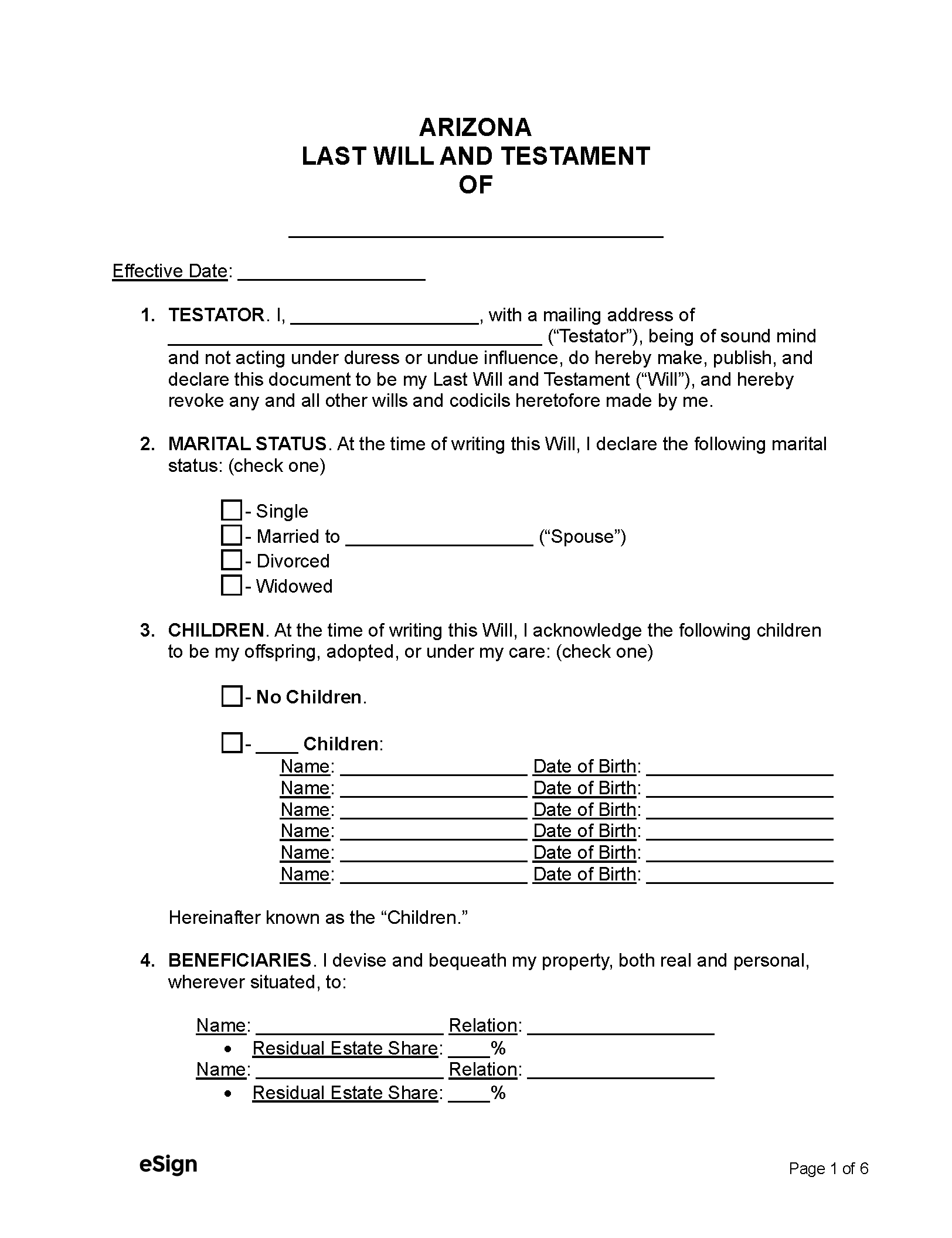
A common misconception in Arizona is that a Last Will and Testament can change a life insurance beneficiary. In almost all cases, the contract with the insurance company takes precedence over the Will. If your Will says "all my assets go to my daughter," but your life insurance names your brother, the insurance company will pay your brother.
3. Neglecting "Insurable Interest" Requirements
Arizona law requires that the person purchasing the policy must have an "insurable interest" in the life of the insured at the time the policy is issued. This means they must stand to suffer a financial loss or have a close familial bond. While you can name almost anyone as a beneficiary once the policy is established, the initial purchase must meet this legal standard to prevent "stranger-originated life insurance" (STOLI), which is heavily restricted in the state.
Frequently Asked Questions
Can a spouse be removed as a beneficiary in Arizona without their consent?
In Arizona, if the policy is community property, you generally cannot name someone else as the beneficiary for the spouse's 50% share without their written consent. If the policy is separate property (purchased before marriage with separate funds), you can generally change the beneficiary without the spouse's permission, provided no marital funds were commingled into the policy.
What happens if I forget to change my beneficiary after an Arizona divorce?
For private policies, Arizona law (A.R.S. § 14-2804) will likely revoke the designation of your ex-spouse automatically. However, for employer-sponsored ERISA policies, the ex-spouse will still receive the money because federal law overrides state revocation rules. You should always update your designations manually to avoid ambiguity.
How long does a beneficiary have to claim life insurance in Arizona?
Arizona does not have a strict "expiration date" for a beneficiary to claim a death benefit. However, if the funds remain unclaimed for a several-year period (typically three to five years after the company becomes aware of the death), the money may be turned over to the Arizona Department of Revenue's Unclaimed Property division.
Does Arizona allow for "Irrevocable Beneficiaries"?
Yes. If you designate someone as an irrevocable beneficiary, you cannot change the designation or cancel the policy without that person’s written consent. This is often used in Arizona divorce settlements or business buy-sell agreements to ensure financial security for the beneficiary.
Are life insurance proceeds taxable in Arizona?
Life insurance death benefits are generally not subject to Arizona state income tax. Furthermore, Arizona does not have a state inheritance tax or estate tax as of 2026. However, if the proceeds are paid to the estate rather than a named person, they may increase the value of the estate for federal estate tax purposes if the estate exceeds the federal exemption threshold.
Practical Recommendation
To ensure your life insurance payout follows your wishes under Arizona law, you should perform an annual "Beneficiary Audit." Review your primary and contingent designations on both private and employer-sponsored policies. If you are married and naming someone other than your spouse, obtain a written "Spousal Waiver" to prevent community property disputes. Finally, if you intend to leave money to children, consult with an attorney to establish a trust or a UTMA designation, ensuring the funds are protected and accessible without unnecessary court intervention.