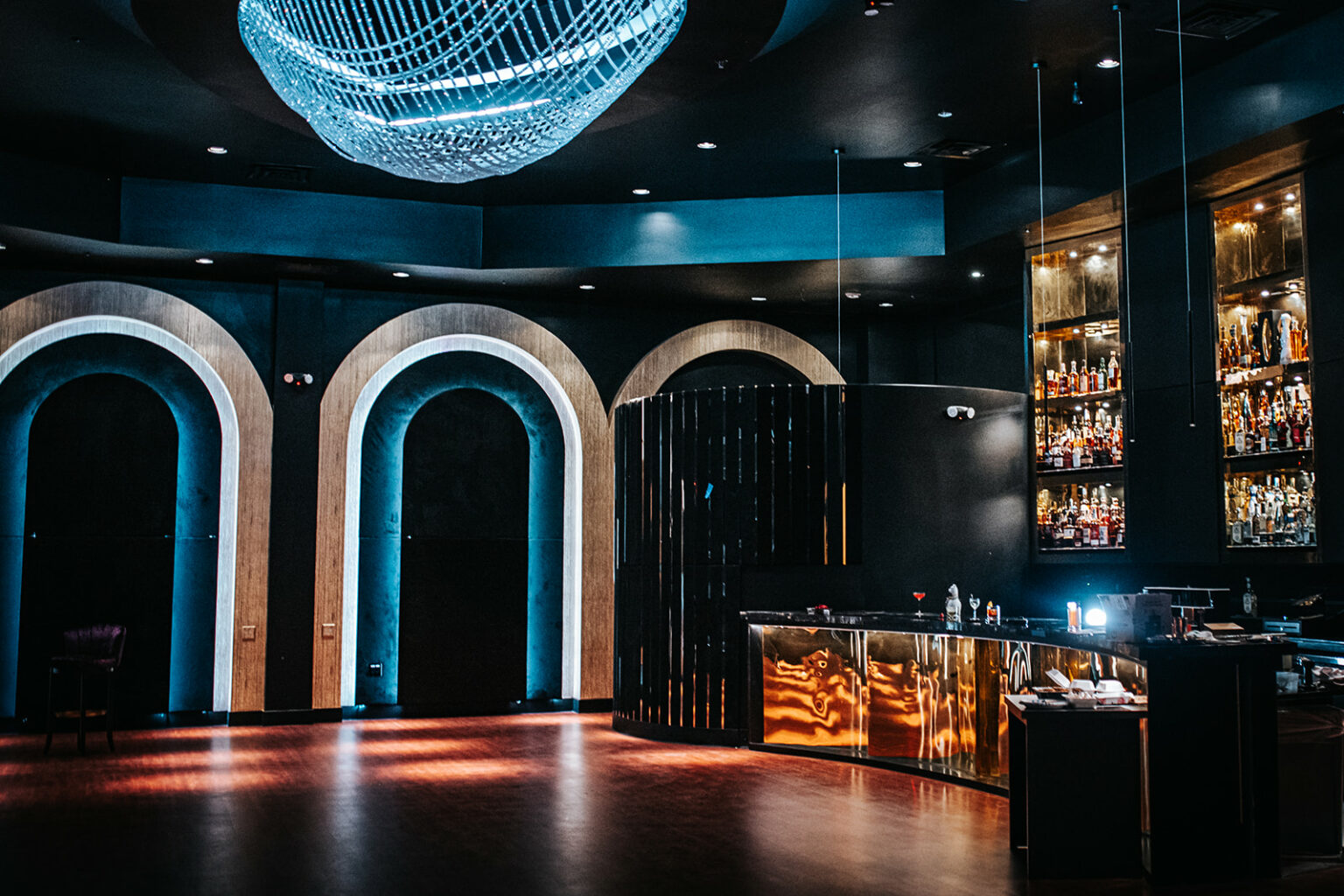
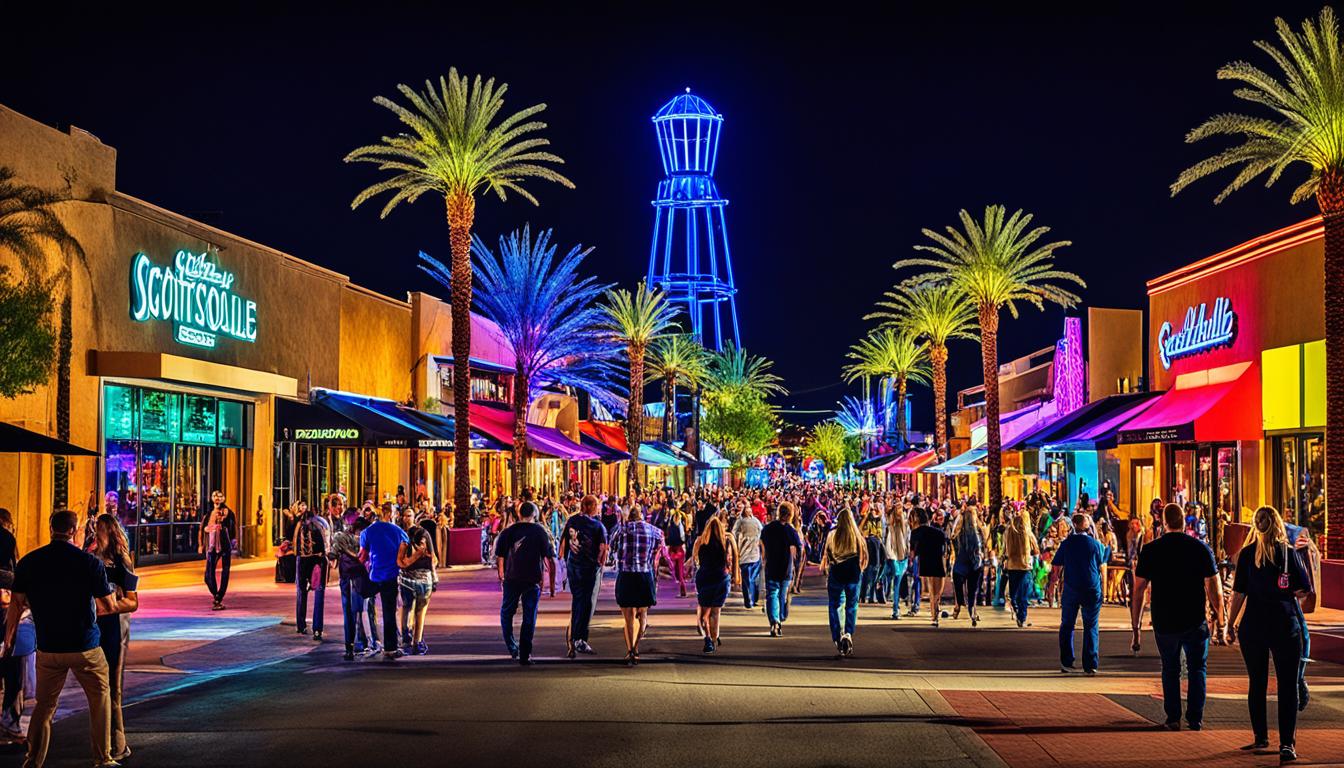
Arizona nightlife offers a diverse spectrum of experiences ranging from the high-energy, neon-lit dance floors of Old Town Scottsdale and the sophisticated rooftop lounges of Downtown Phoenix to the eclectic, bohemian bars of Tucson’s Fourth Avenue. In 2026, the scene is defined by a blend of luxury hospitality, craft beverage innovation, and unique desert-centric outdoor venues that capitalize on the state’s warm evenings.
The Geographic Pillars of Arizona Nightlife
Understanding Arizona's nightlife requires a breakdown of its primary hubs. The "Valley of the Sun" (the Phoenix metropolitan area) dominates the landscape, but the character of the night changes drastically depending on which city or neighborhood you inhabit.
Old Town Scottsdale: The Luxury Epicenter
Old Town Scottsdale remains the undisputed heavyweight of Arizona’s high-end nightlife. Specifically, the Entertainment District—bounded roughly by Camelback Road and Indian School Road—is where you will find the highest concentration of mega-clubs and boutique lounges.
In 2026, Scottsdale’s nightlife has evolved to mirror the "day-to-night" transition popularized in Las Vegas. Many venues operate as high-end pool clubs during the day, featuring celebrity DJs and cabana service, before transforming into high-intensity nightclubs after sunset. The primary draw here is the "VIP experience." Table service and bottle minimums are the standard for those seeking prime real estate near the DJ booth. However, the area also hosts several sophisticated "ultra-lounges" that prioritize curated cocktail menus and intimate seating over heavy bass and dance floors.
Downtown Phoenix: Urban Sophistication and Rooftops
While Scottsdale is about the "see and be seen" culture, Downtown Phoenix offers an urban, multi-layered experience. The revitalization of the Roosevelt Row Arts District and the high-rise corridors of Central Avenue has created a haven for cocktail enthusiasts and those seeking a more grounded, creative atmosphere.
Rooftop bars have become the hallmark of Phoenix. Given the stunning desert sunsets and the cooling evening air, developers have prioritized elevated spaces. These venues often feature fire pits, glass-walled viewing decks, and botanical-infused cocktail programs. Downtown also serves as the state’s hub for "speakeasy" style bars—discreet, often hidden entrances that lead to high-concept environments focusing on pre-prohibition era drinks and rare spirits.
Tempe and Mill Avenue: The Energy of a College Town
Tempe, home to Arizona State University (ASU), provides a stark contrast to the polished streets of Scottsdale. Mill Avenue is the primary artery for nightlife here, characterized by high-density foot traffic, live music venues, and affordable "shot and a beer" establishments.
While historically viewed as a younger person's playground, Mill Avenue in 2026 has matured. While the energy remains high, a new wave of gastropubs and live music halls has attracted a broader demographic. The proximity to Tempe Town Lake also allows for "twilight" events, including night markets and outdoor concerts that bridge the gap between late afternoon and early morning.
Tucson’s Fourth Avenue: Bohemia and Craft Spirits
Two hours south of Phoenix, Tucson offers a nightlife scene that is distinctly more laid-back and artistic. Fourth Avenue and the nearby Congress Street are the epicenters. Here, the focus is on live local music, craft breweries, and historic venues like the Hotel Congress. Tucson’s nightlife feels more integrated with its local history, featuring many establishments that have been in operation for decades, offering a "soul" that is sometimes harder to find in the newer developments of the Phoenix suburbs.
Navigating Arizona’s Liquor Laws and Regulations
To enjoy Arizona’s nightlife without disruption, one must understand the regulatory environment managed by the Arizona Department of Liquor Licenses and Control (DLLC). Arizona is known for its strict enforcement of alcohol laws, and venues are highly vigilant to protect their licenses.
Service Hours and "Last Call"
In Arizona, the legal hours for the sale and service of alcohol are from 6:00 AM to 2:00 AM, Monday through Sunday. Most nightclubs and high-volume bars begin their "last call" around 1:30 AM. By 2:15 AM, all glasses must be cleared from tables, and patrons are typically expected to have vacated the premises or finished their beverages. Unlike some other states, Arizona does not have a widespread "after-hours" club culture where alcohol is served past 2:00 AM.
Identification Requirements
Arizona law is particularly stringent regarding identification. To enter a 21+ venue, you must present a valid, unexpired government-issued photo ID. In 2026, most major venues have adopted advanced scanning technology to verify the authenticity of IDs. Accepted forms of identification generally include:
- A valid driver's license from any U.S. state.
- A valid U.S. or foreign passport.
- A valid U.S. military ID.
- A valid Arizona non-operating identification license.
If you have an out-of-state vertical ID (often issued to those under 21), be aware that some Arizona establishments may refuse service even if you have since turned 21, as a matter of internal policy to mitigate risk.
Logistics: Transportation, Safety, and Dress Codes
A successful night out in Arizona requires planning, particularly concerning the logistics of moving between districts and maintaining personal safety in a desert climate.
Transportation Options
Arizona is largely a car-centric state, but drinking and driving is met with some of the harshest penalties in the United States. In 2026, ride-share services like Uber and Lyft are the primary modes of transport for nightlife participants. In the Scottsdale and Phoenix areas, wait times are typically under 10 minutes, though "surge pricing" is common between 1:30 AM and 2:30 AM when the bars close.
For those in the Phoenix area, the Valley Metro Rail provides a safe and affordable way to travel between Downtown Phoenix and Tempe, though it is important to check the schedule as service does not run 24 hours. Many visitors choose to stay in hotels within walking distance of the Entertainment Districts to avoid transportation hurdles altogether.
Dress Codes and Atmosphere
Dress codes vary significantly by city. In Old Town Scottsdale, many clubs enforce a "dress to impress" policy. This typically means:
- For Men: Collared shirts, fashion-forward denim or slacks, and leather shoes. Avoid athletic wear, baggy clothing, or work boots.
- For Women: Cocktail attire, heels, or stylish flats.
In contrast, Downtown Phoenix and Tucson are much more relaxed. "Arizona Casual"—which includes high-quality t-shirts, jeans, and clean sneakers—is acceptable in most venues. However, always check the specific venue’s social media or website, as some rooftop lounges may still require "upscale" attire.
The Desert Factor: Hydration and Heat
Even in 2026, the Arizona climate remains a critical factor. During the summer months, evening temperatures can remain above 90°F (32°C) well past midnight. Alcohol accelerates dehydration, which is compounded by the dry desert air. Experienced locals follow the "one-to-one" rule: one glass of water for every alcoholic beverage. Most high-end clubs offer complimentary water stations, and it is highly recommended to utilize them.
The Cost of a Night Out in 2026
Nightlife in Arizona can range from very affordable to exceptionally expensive. The following table provides an estimated cost breakdown for various nightlife activities based on 2026 market trends.
| Expense Category | Budget (Dive Bars/Tempe) | Mid-Range (Phoenix Rooftops) | Premium (Scottsdale VIP) |
|---|---|---|---|
| Cover Charge | $0 - $10 | $15 - $30 | $40 - $100+ |
| Cocktail/Drink | $6 - $10 | $14 - $22 | $20 - $35 |
| Beer/Seltzer | $5 - $8 | $8 - $12 | $12 - $18 |
| Table/Bottle Service | N/A | $300 - $600 | $1,000 - $5,000+ |
| Ride-Share (Avg) | $15 - $25 | $20 - $40 | $30 - $60 (Surge) |
Note: Prices are estimates and vary by event, performer, and seasonality.
Beyond the Bar: Alternative Nightlife
Not all Arizona nightlife revolves around alcohol. The state’s unique geography and "Dark Sky" initiatives offer alternative evening activities.
Stargazing and Night Hiking
Arizona is home to several "International Dark Sky" communities. In places like Sedona or the outskirts of Tucson, nightlife often involves guided stargazing tours using high-powered telescopes. Additionally, during the summer, "Full Moon Hikes" are popular in the Phoenix mountain preserves (such as Piestewa Peak), allowing residents to exercise without the punishing daytime sun.
Late-Night Dining and Markets
The culinary scene in Arizona has expanded to support the nightlife crowd. Beyond the standard 24-hour diners, Phoenix and Scottsdale have seen a rise in late-night "Izakayas" (Japanese-style pubs) and elevated taco stands that stay open until 3:00 AM. Night markets, featuring local artisans, food trucks, and live music, occur frequently in the cooler months (October through April), providing a family-friendly nightlife alternative.
Frequently Asked Questions
What is the best time to arrive at clubs in Scottsdale?
To avoid the longest lines, it is best to arrive between 9:30 PM and 10:30 PM. Most headline DJs or performers do not take the stage until midnight. If you have a table reservation, your entry is usually expedited, but you should still aim to arrive by 11:00 PM to ensure your table is not released.
Are there many "no-cover" bars in Arizona?
Yes, the majority of bars in Downtown Phoenix and Tucson do not charge a cover fee unless there is a specific live band or ticketed event. In Old Town Scottsdale, however, most venues in the Entertainment District implement a cover charge on Friday and Saturday nights, especially for men.
Is it safe to walk between bars in Phoenix?
Generally, the main nightlife corridors like Roosevelt Row and the core of Downtown Phoenix are well-lit and have a significant security presence. However, Phoenix is a sprawling city; what looks like a short walk on a map can be several blocks through less-populated areas. Using a ride-share for any distance over half a mile is often the safer and more comfortable choice.
Do I need to book a VIP table in advance?
For Scottsdale's major clubs (such as those owned by the Evening Entertainment Group or Riot Hospitality Group), booking in advance is highly recommended, especially during "high season" (February through April). During major events like the Phoenix Open or Spring Training, tables can sell out weeks in advance.
Can I smoke or vape in Arizona bars?
Arizona's Smoke-Free Arizona Act prohibits smoking in most public places and places of employment, including bars and restaurants. Most nightlife venues have designated outdoor patios where smoking or vaping is permitted, but it is illegal to smoke inside the main building.
Final Recommendations for Unpacking the Night
To truly "unpack" Arizona nightlife, you must match your destination to your desired energy level. If you want a high-octane, glamorous experience with world-class production, Old Town Scottsdale is your primary target. For a more culturally rich, sophisticated evening of mixology and skyline views, focus on Downtown Phoenix.
Regardless of your choice, prioritize three things: secure your transportation in advance to avoid DUI risks, stay hydrated to combat the desert climate, and bring a valid ID, as Arizona venues are uncompromising on age verification. By 2026, the state has refined its hospitality to offer something for every demographic, provided you understand the geographic and regulatory layout of the land.