To obtain an Arizona life insurance license in 2026, candidates must pass the state-proctored exam, undergo a criminal background check via fingerprinting, and submit a formal application through the National Insurance Producer Registry (NIPR). While Arizona does not mandate a specific number of pre-licensing education hours, completing a structured prep course is essential for mastering the complex legal and technical concepts required to pass the Prometric-administered examination.
The path to becoming a licensed life insurance producer in Arizona is a journey of technical mastery and regulatory compliance. Whether you are looking to enter the financial services industry for the first time or are an experienced professional adding a new line of authority, understanding the nuances of Arizona’s specific requirements is the first step toward a successful career. In 2026, the Arizona Department of Insurance and Financial Institutions (DIFI) continues to uphold rigorous standards to ensure that all agents are equipped to protect consumers and provide sound financial advice.
Understanding the Arizona Regulatory Environment
In Arizona, the insurance industry is governed by the Arizona Department of Insurance and Financial Institutions (DIFI). This agency oversees the licensing of all insurance professionals and ensures that they adhere to the Arizona Revised Statutes (Title 20). The primary goal of these regulations is consumer protection. As a prospective agent, your license prep must focus not only on the mechanics of insurance policies but also on the ethical and legal frameworks mandated by the state.
Arizona is unique compared to some other states because it does not have a "pre-licensing education" requirement in terms of mandated classroom hours. However, this lack of a legal mandate should not be mistaken for a low barrier to entry. The Arizona life insurance exam is technically demanding, covering everything from complex annuity structures to specific state-level grace period laws. Successful candidates typically spend 20 to 40 hours in dedicated study using professional prep materials to ensure they can navigate the specific question formats used by the testing provider, Prometric.
Selecting the Right License Type
Before beginning your prep, you must decide which license you intend to carry. In Arizona, candidates generally choose between two primary paths regarding life insurance:
- Life Producer (Series 13-01): This license allows you to sell life insurance products and annuities. It is the standard choice for those focusing strictly on life products.
- Life and Disability Producer (Series 13-03): This is a combined license that covers both Life and Disability (Health) insurance. Many agencies prefer their agents to hold this combined license to offer a broader range of protection to clients.
Choosing the right path is critical because the exam content varies significantly between these two options. The "Life and Disability" exam is longer and covers more ground, including medical expense insurance, long-term care, and disability income policies. If your career goal is to provide comprehensive financial planning, the combined license is usually the superior choice.
Core Content Areas of Arizona Life Insurance Prep
The Arizona life insurance exam is divided into two main sections: the general section and the state-specific section. Your preparation must balance these two areas carefully.
General Insurance Principles
This portion of the exam deals with concepts that are standard across the United States. You will need to demonstrate a deep understanding of:
- The Law of Large Numbers: How risk is calculated and spread across a pool of insured individuals.
- Contract Law: The elements of a legal contract (offer, acceptance, consideration, competent parties, and legal purpose) and how they apply specifically to insurance (aleatory, unilateral, and contracts of adhesion).
- Policy Types: Distinguishing between term life, whole life, universal life, and variable products. You must understand the death benefits, cash value accumulation, and premium structures of each.
- Annuities: The difference between fixed, variable, and indexed annuities, as well as the phases of accumulation and annuitization.
Arizona State-Specific Laws
The state-specific portion of the exam focuses on the Arizona Revised Statutes. Prep courses emphasize these details because they are often the "make or break" questions for many test-takers. Topics include:
- Marketing Practices: Rules regarding unfair trade practices, misrepresentation, and twisting (the illegal act of inducing a policyholder to drop an existing policy to buy a new one to the policyholder's detriment).
- The Life and Disability Insurance Guaranty Fund: Understanding how the state protects policyholders if an insurance company becomes insolvent.
- Agent Conduct: The rules for fiduciary responsibility, premium handling, and record-keeping.
- Free Look Periods: Arizona’s specific requirements for how long a consumer has to return a policy for a full refund.
Technical Exam Specifications
As of 2026, the examinations are administered digitally at Prometric testing centers throughout Arizona, including locations in Phoenix, Tucson, and Flagstaff. Remote proctoring options may also be available depending on current DIFI guidelines.
| Feature | Life Insurance (13-01) | Life and Disability (13-03) |
|---|---|---|
| Total Questions | 100 Scored + Pre-test items | 150 Scored + Pre-test items |
| Time Allotted | 2 Hours | 3 Hours |
| Passing Score | 70% | 70% |
| Exam Fee (approx.) | $40 - $60 | $60 - $80 |
| State Laws Included | Yes | Yes |
Note: Pre-test items are unscored questions used by the testing provider to evaluate future exam questions; they do not count toward your final grade.
The Step-by-Step Licensing Process in 2026
Preparing for the exam is the most time-consuming part, but the administrative steps are equally vital. Following this sequence ensures you do not encounter delays in your license issuance.
Step 1: Complete an Arizona Prep Course
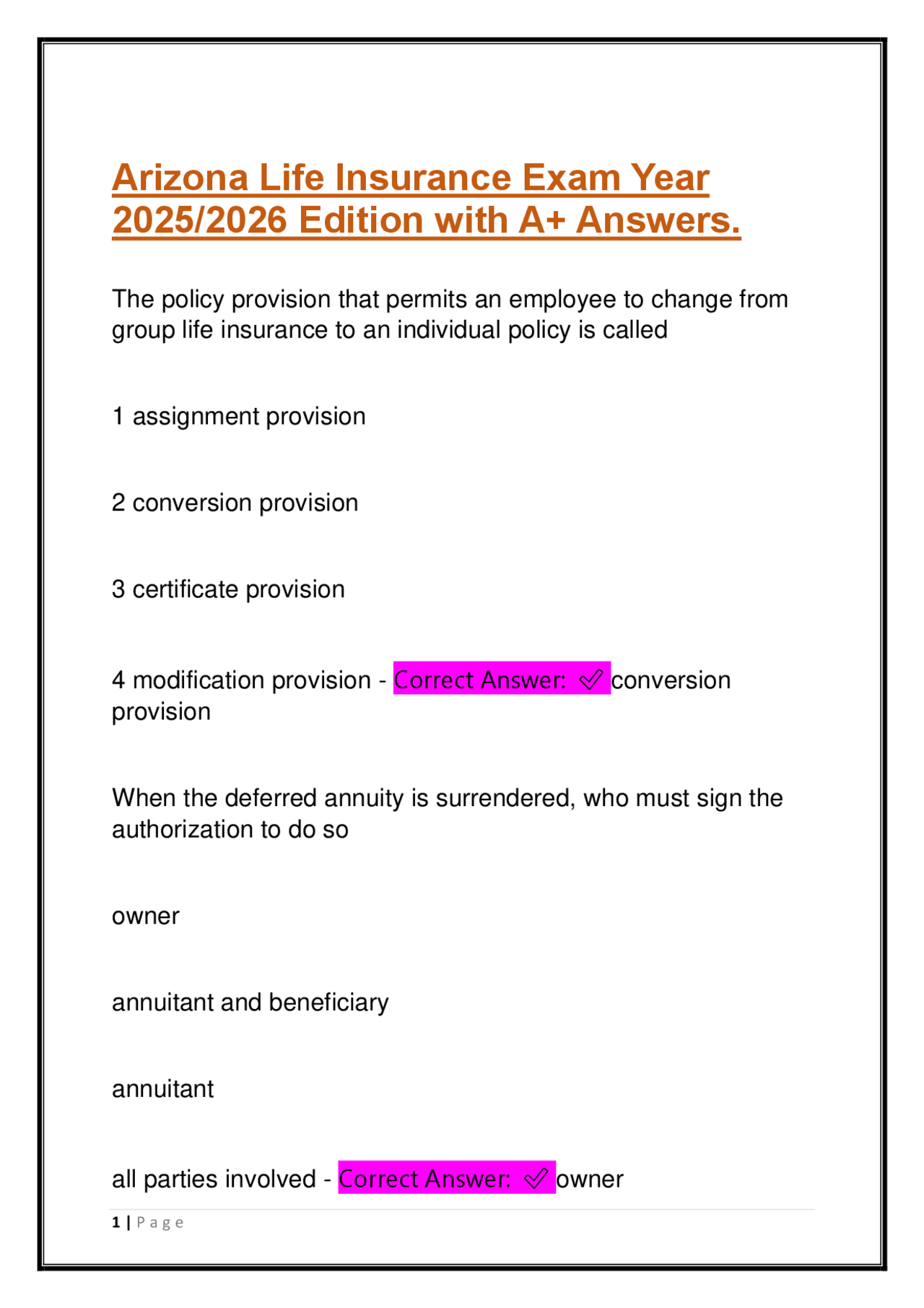
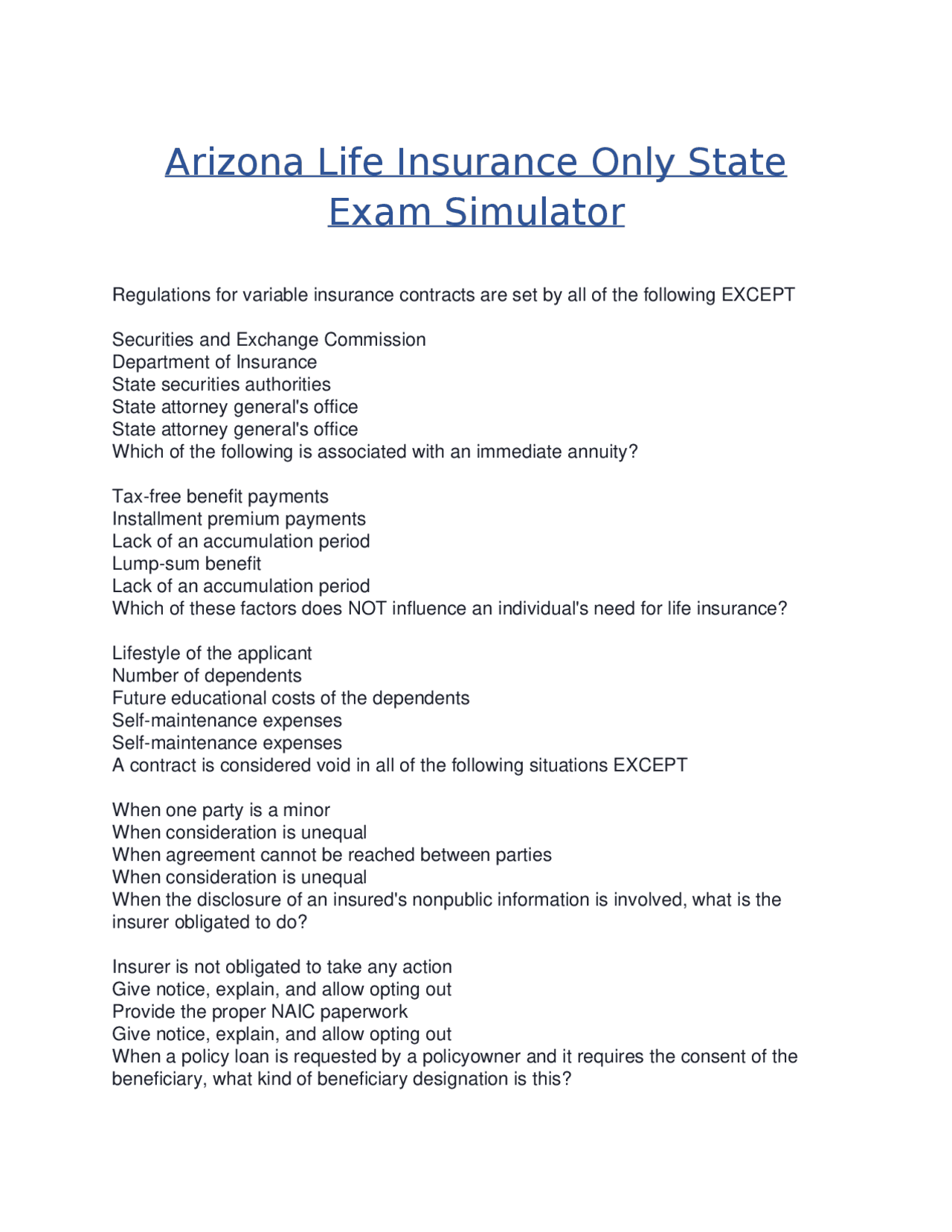
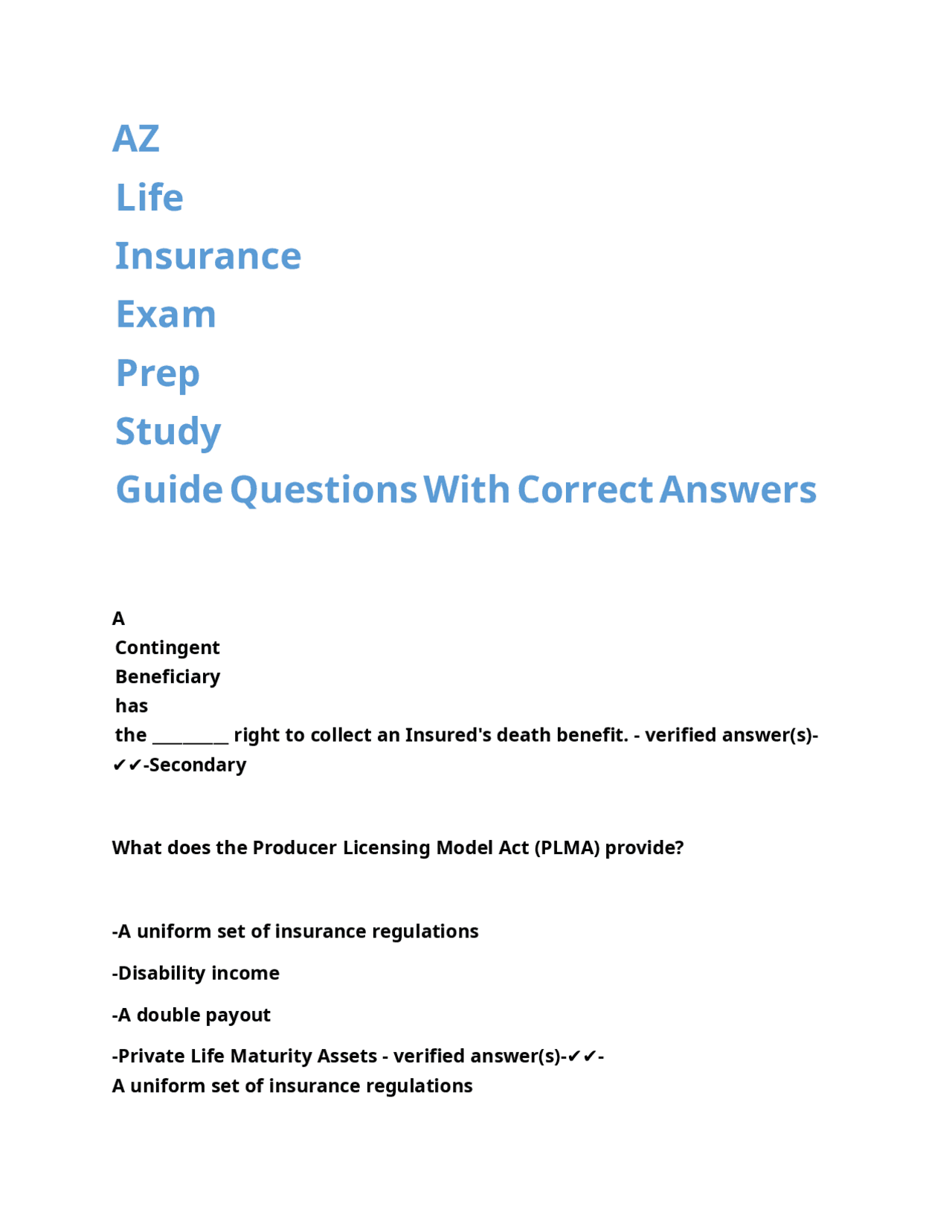
Select a provider that offers an Arizona-specific curriculum. Look for courses that include "Simulated Exams" which mimic the Prometric interface. High-quality prep providers often offer "Pass Guarantees" if you achieve a certain score on their practice finals. Focus heavily on Annuities and Policy Riders, as these are historically high-weight areas on the Arizona exam.
Step 2: Schedule the Examination
Once you are consistently scoring 80% or higher on practice exams, schedule your test through the Prometric website. You will need to pay the exam fee at the time of registration. Ensure that the name on your registration matches your government-issued ID exactly.
Step 3: Fingerprinting and Background Check
Arizona requires all resident license applicants to submit a full set of fingerprints. In 2026, this is primarily done through electronic fingerprinting services like Fieldprint. You must schedule an appointment to have your fingerprints taken digitally. These are then sent to the Arizona Department of Public Safety and the FBI for a criminal history check. You will receive a "Fingerprint Clearance Card" or a confirmation that your prints have been processed.
Step 4: Submit the NIPR Application
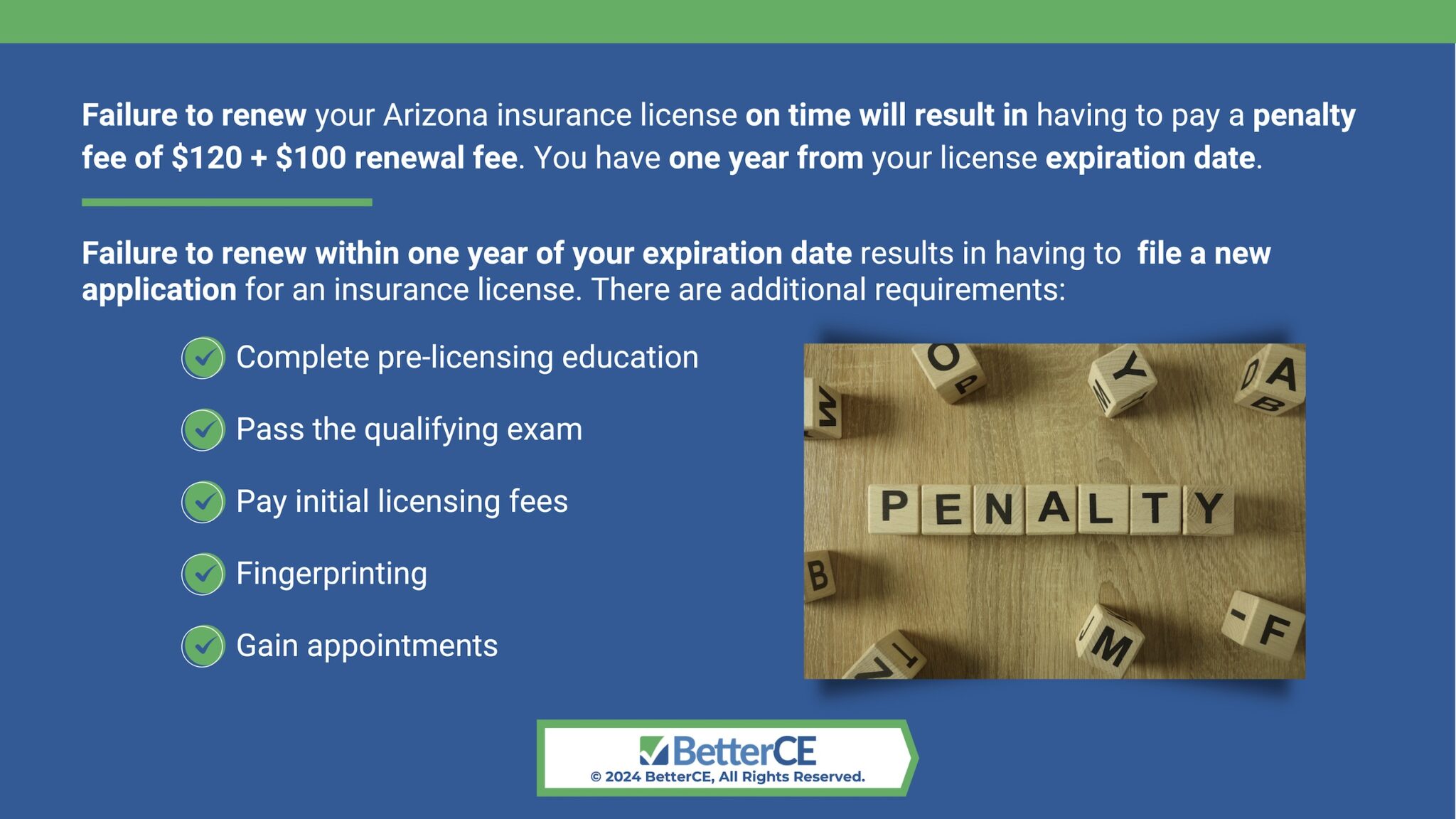
After passing the exam, you must apply for your license through the National Insurance Producer Registry (NIPR). The application includes a series of "Uniform Background Questions" regarding your legal and financial history. You will also need to pay the Arizona license fee, which is currently $120 for a four-year term.
Step 5: Citizenship Verification
Arizona law (A.R.S. § 41-1080) requires that any person applying for a professional license provide evidence of lawful presence in the United States. You will likely need to upload a copy of your birth certificate, valid U.S. passport, or other approved documentation to the DIFI portal or via the NIPR attachment warehouse.
Common Pitfalls During Prep and Application
Even well-prepared candidates can hit roadblocks. Awareness of these common issues can help you navigate the process smoothly.
- Underestimating the State Section: Many candidates focus so much on "how insurance works" that they forget to memorize Arizona’s specific timeframes (e.g., how many days an insurer has to respond to a claim or the specific age of majority for entering a contract).
- Incorrect Application Timing: Do not apply via NIPR until after you have passed your exam. The system relies on a data feed from Prometric to verify your passing status. Applying too early can lead to application rejection and loss of fees.
- Incomplete Background Disclosures: If you have any past legal issues—even those that were dismissed—disclose them. The DIFI is far more likely to deny a license for "failure to disclose" than for a minor, old misdemeanor.
- Waiting Too Long Between Study and Exam: The material is highly technical. Aim to take the exam within 3 to 5 days of finishing your prep course to ensure the information remains fresh.
Post-Licensing: Appointments and Continuing Education
Passing the exam and receiving your license from the Arizona DIFI is a major milestone, but it does not technically allow you to sell insurance yet. To act as an agent, you must be "appointed" by an insurance company. The insurer will file an appointment notice with the state, officially authorizing you to represent them.
Furthermore, Arizona licenses must be renewed every four years. During each four-year term, you are required to complete 48 hours of Continuing Education (CE), which must include at least 6 hours of ethics training. Staying on top of CE is vital; failing to complete it can result in the expiration of your license and the need to retake the exam.
Frequently Asked Questions
Is the Arizona life insurance exam difficult?
The exam is considered moderately difficult. The technical depth regarding policy provisions and state-specific statutes requires dedicated study. While the pass rate varies, those who complete a comprehensive prep course and utilize practice exams generally have a high success rate on their first attempt.
How long does it take to get the license after passing the test?
Once you have passed the exam, submitted your fingerprints, and filed your NIPR application, the DIFI typically processes the license within 5 to 10 business days, provided there are no issues with your background check or citizenship documentation.
Can I take the exam online in 2026?
Yes, Prometric offers a remote proctored testing option called ProProctor. However, you must meet strict technical requirements regarding your computer, internet speed, and a private, clutter-free testing environment. Many candidates still prefer physical testing centers to avoid technical disruptions.
What happens if I fail the Arizona insurance exam?
If you do not pass, you will receive a diagnostic report showing your performance in each content area. You can reschedule the exam through Prometric, usually after a 24-hour waiting period. There is no limit to the number of times you can take the exam in Arizona, though you must pay the exam fee for each attempt.
Do I need a license to sell annuities in Arizona?
Yes, a life insurance license is required to sell annuities in Arizona. Additionally, Arizona law requires agents to complete a specific "Annuity Suitability" training course (typically 4 hours) before they can begin soliciting annuity products.
Recommended Next Actions
If you are ready to begin your career as a life insurance producer in Arizona, your first step is to enroll in a reputable Arizona-specific prep course. Dedicate at least two weeks to consistent study, focusing on the Prometric exam content outline. Once you are passing practice quizzes with high marks, schedule your exam and your fingerprinting appointment in close proximity to maintain momentum. By following this structured approach, you will be well-positioned to join Arizona's professional insurance community in 2026.