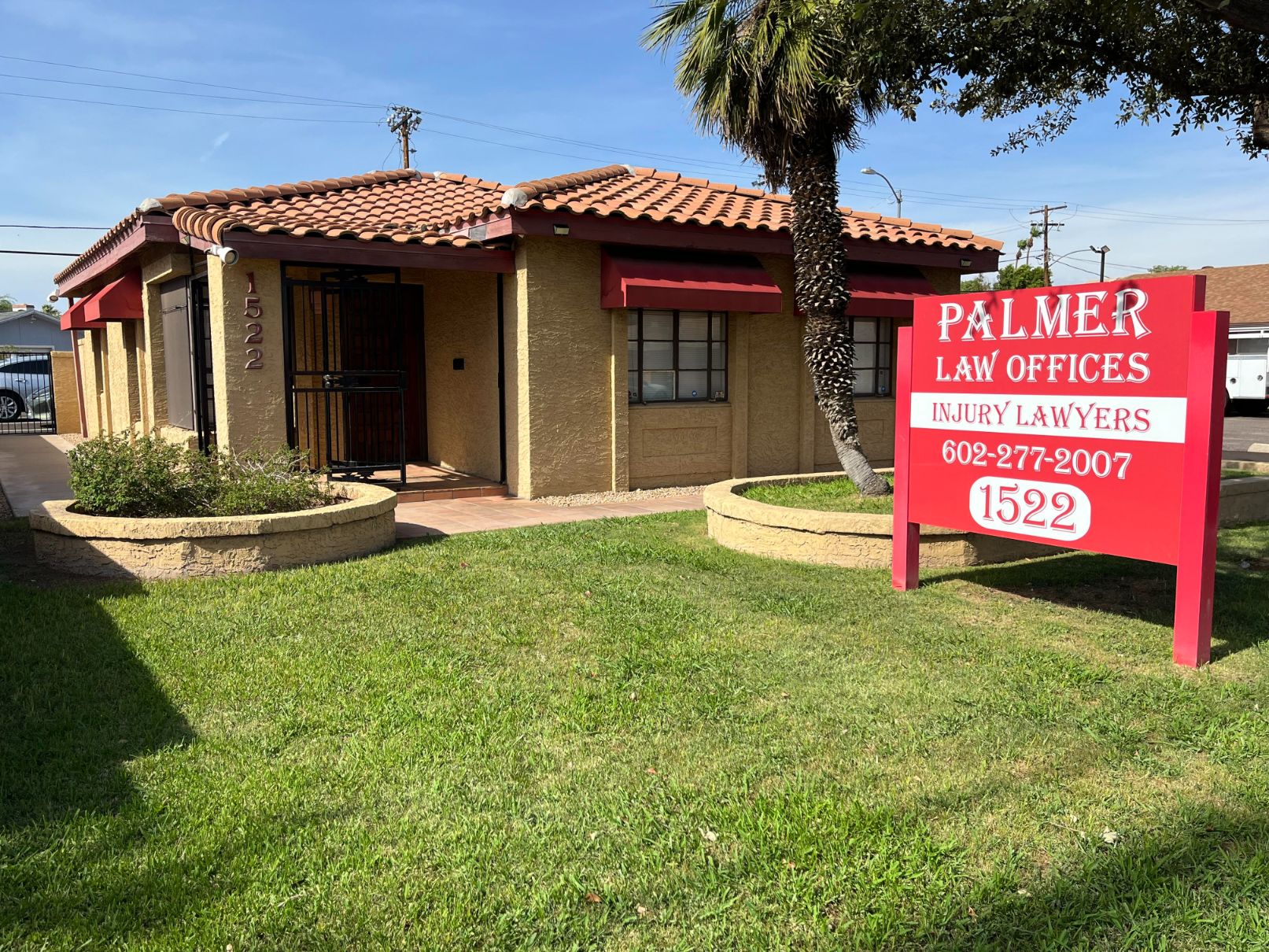
Arizona Injury Law Group provides specialized legal representation in Phoenix, focusing primarily on workers' compensation claims and third-party personal injury litigation. As of 2026, the firm assists injured workers in navigating the Industrial Commission of Arizona (ICA) processes, securing medical benefits, and obtaining disability compensation through aggressive advocacy and deep technical knowledge of Arizona’s specific labor and injury statutes.
Navigating Workers' Compensation with Arizona Injury Law Group
For residents of Phoenix and the surrounding Maricopa County area, workplace injuries represent a complex intersection of medical necessity and administrative law. Arizona Injury Law Group focuses on the "no-fault" system established by Arizona law, which theoretically allows workers to receive benefits regardless of who caused the accident. However, the application process is rarely straightforward.
In 2026, the firm remains a critical resource for individuals facing the "exclusive remedy" rule. Under Arizona Revised Statutes (ARS) § 23-1022, workers' compensation is generally the only legal remedy an employee has against an employer for a work-related injury. This makes the success of a workers' compensation claim vital, as filing a standard lawsuit against an employer is usually prohibited. The firm’s services are structured to maximize the benefits available within this restrictive framework, ensuring that medical expenses, lost wages, and permanent disability ratings are calculated accurately.
The Scope of Legal Representation
Legal support from the Arizona Injury Law Group extends beyond mere paperwork. Their services encompass the entire lifecycle of a claim, starting from the initial filing of the "Worker’s Report of Injury" (Form 102) and the "Worker’s and Physician’s Report of Injury" (Form 104). These documents are the foundation of any claim, and errors in these early stages can lead to immediate denials.
The firm’s attorneys focus on several key areas of litigation and advocacy:
- Medical Benefit Disputes: Ensuring insurance carriers pay for necessary surgeries, physical therapy, and diagnostic imaging.
- Average Monthly Wage (AMW) Calculations: Challenging the insurance company’s calculation of earnings, which dictates the amount of disability checks.
- Permanent Disability Ratings: Advocating for higher impairment ratings when a worker has reached Maximum Medical Improvement (MMI).
- Loss of Earning Capacity (LEC) Claims: Pursuing additional compensation for workers who cannot return to their previous pay level due to permanent restrictions.
The 2026 Legal Landscape for Phoenix Injury Claims
As we operate in 2026, the procedural requirements of the Industrial Commission of Arizona continue to demand strict adherence to deadlines and evidentiary standards. Phoenix remains the central hub for ICA hearings, making local representation an advantage for those navigating the administrative court system.
Understanding the Statute of Limitations
One of the most critical services provided by Arizona Injury Law Group is the management of strict legal timelines. In Arizona, a worker generally has one year from the date of the injury (or from the date the injury became manifest) to file a formal claim with the ICA. Failure to meet this deadline typically results in a permanent loss of the right to benefits.
In personal injury cases involving third parties (such as a car accident occurring while on the job), the statute of limitations is generally two years. However, if the third party is a government entity or employee, a "Notice of Claim" must be filed within 180 days. The firm’s role is to identify all potential defendants and ensure every procedural gate is cleared before the clock expires.
Denied Claims and the Hearing Process
A significant portion of the firm's work involves representing clients whose claims have been denied or "closed" prematurely. When an insurance carrier issues a "Notice of Claim Status" denying a claim or terminating benefits, the injured worker has 90 days to request a hearing.
During these hearings, which are held before an Administrative Law Judge (ALJ), the Arizona Injury Law Group provides:
- Expert Witness Testimony: Coordinating with medical professionals to provide testimony that counters the insurance company’s "Independent Medical Examination" (IME).
- Cross-Examination: Challenging the findings of insurance doctors who may downplay the severity of the worker's condition.
- Legal Briefing: Submitting comprehensive legal arguments based on case law to support the worker's eligibility for continued benefits.
Specialized Service Categories
The Arizona Injury Law Group categorizes its Phoenix services to address specific injury types and legal hurdles common in the Arizona workforce, particularly in sectors like construction, logistics, and healthcare.
Workplace Catastrophic Injuries
Catastrophic injuries—such as traumatic brain injuries (TBI), spinal cord damage, or amputations—require a different level of legal intensity. These cases often involve lifetime medical care plans. The firm works with life-care planners and vocational experts to project the total future cost of an injury, ensuring that any settlement or award accounts for decades of inflation and evolving medical needs.
Third-Party Liability Claims
While an employee cannot usually sue their employer, they can sue a third party whose negligence contributed to the injury. Common examples include:
- Subcontractor Negligence: An employee of one company is injured by the equipment or actions of an employee from a different company on the same job site.
- Defective Equipment: A tool or machine malfunctions due to a design or manufacturing flaw.
- Motor Vehicle Accidents: A worker is hit by a civilian driver while making deliveries or traveling between work sites.
Arizona Injury Law Group handles these "hybrid" cases, managing both the workers' compensation claim and the civil personal injury lawsuit simultaneously. This is a complex area of law because the workers' comp insurance carrier often has a "lien" on the proceeds of the third-party lawsuit, which must be negotiated.
Comparison of Compensation Paths in Arizona
Choosing the right legal path depends on the circumstances of the accident. The following table illustrates the differences between standard workers' compensation and a third-party personal injury claim in 2026.
| Feature | Workers' Compensation (ICA) | Third-Party Personal Injury (Civil) |
|---|---|---|
| Fault Requirement | No-fault system; fault is irrelevant. | Must prove negligence/fault of the defendant. |
| Statute of Limitations | 1 Year (Notice to ICA) | 2 Years (General) / 180 Days (Govt) |
| Pain and Suffering | Not compensable under AZ law. | Fully compensable. |
| Medical Coverage | 100% of related medical costs. | Recoverable as part of total damages. |
| Wage Replacement | Generally 66.6% of AMW (capped). | 100% of lost wages and future earnings. |
| Legal Venue | Administrative Law Judge (No Jury). | Superior Court (Jury Trial possible). |
Addressing the "Average Monthly Wage" Challenge
A frequent point of contention in Phoenix workers' compensation cases is the calculation of the Average Monthly Wage. In Arizona, the monthly benefit is limited to two-thirds of the AMW, and the AMW itself is subject to a statutory cap that is adjusted periodically.
Arizona Injury Law Group investigates the "expanding" definition of wages. This includes not just base salary, but also:
- Overtime pay and bonuses.
- The value of employer-provided housing or utilities.
- Tips and commissions.
- Income from multiple concurrent employments (if the injury prevents working all jobs).
If the insurance carrier sets the wage too low, the worker receives less money every month for the duration of their disability. The firm’s attorneys file "Petitions to Rearrange" or requests for hearing specifically to correct these financial underestimations.
Why Local Phoenix Expertise is Essential
Legal representation in Phoenix offers specific advantages due to the proximity of the Industrial Commission of Arizona’s main office on West Jefferson Street. Having a firm that regularly interacts with the Phoenix ALJ pool provides insight into how specific judges interpret medical evidence and "reasonableness" in treatment.
Furthermore, Phoenix has a dense network of specialized medical providers. The Arizona Injury Law Group assists clients in finding doctors who are familiar with the "Workers' Comp Fee Schedule." In Arizona, injured workers have a limited right to choose their own doctor, but navigating the rules for "changing physicians" requires specific legal authorization from the insurance carrier or the ICA.
Common Mistakes the Firm Helps Avoid
Many injured workers inadvertently sabotage their claims before seeking legal counsel. The firm’s services are designed to mitigate these common errors:
- Delayed Reporting: Failing to notify a supervisor of the injury "forthwith" can lead to a denial based on a lack of credibility.
- Inconsistent Statements: Telling a different story to the ER doctor than what was recorded in the employer’s incident report.
- Missing IMEs: Failing to attend an insurance-mandated medical exam, which allows the carrier to suspend all benefits immediately.
- Premature Return to Work: Returning to full duty against medical advice, which can be used as evidence that the injury is resolved.
Frequently Asked Questions
Can I be fired for filing a workers' compensation claim in Phoenix?
In Arizona, it is illegal for an employer to fire an employee solely because they filed a workers' compensation claim. However, Arizona is an "at-will" employment state, meaning an employer may fire a worker for other reasons. If you believe you were terminated in retaliation for a claim, Arizona Injury Law Group can evaluate whether you have a separate wrongful termination or "bad faith" claim.
How much does it cost to hire the Arizona Injury Law Group?
The firm typically operates on a contingency fee basis for workers' compensation and personal injury cases. For workers' compensation in Arizona, attorney fees are generally limited to 25% of the back-pay or the permanent disability award, and these fees must be approved by the Industrial Commission of Arizona. There are typically no upfront hourly fees for the client.
What happens if my injury happened several months ago?
If the injury occurred within the last year, you can still file a claim. However, the longer you wait, the harder it becomes to prove that the injury was work-related. Arizona Injury Law Group assists in gathering evidence for "delayed manifestation" injuries, such as repetitive stress or occupational diseases, where the cause of the injury may not have been immediately apparent.
Can I see my own doctor for a work injury in Arizona?
Under Arizona law, if your employer has notified you that they use a specific medical network or are "self-insured," you may be required to see their doctor for the initial visit. After that, you may have the right to request a change of doctor. This is a highly regulated area, and the firm helps clients file the necessary paperwork with the ICA to ensure their chosen physician is authorized and paid.
What is a "Full and Final" settlement?
A "Full and Final" settlement, often called a Compromise and Settlement (C&S), allows an injured worker to receive a lump sum of money in exchange for closing their claim forever. This means the insurance company will no longer pay for future medical bills or lost wages. Arizona Injury Law Group advises clients on whether a settlement offer is fair and whether it accounts for future complications or the need for subsequent surgeries.
Next Actions for Injured Workers in Phoenix
If you have sustained an injury while on the job or due to the negligence of another party in Phoenix, the first priority is seeking medical attention and ensuring the "work-related" nature of the injury is documented in your medical records.
Following medical stabilization, the recommended next step is to obtain a copy of your "Employer’s Report of Industrial Injury." Before signing any settlement documents or giving a recorded statement to an insurance adjuster, consult with a qualified attorney to review the claim status. Arizona Injury Law Group offers consultations to determine the viability of a claim and to ensure that the statute of limitations does not expire on your right to compensation.
Disclaimer: This information is for educational purposes and does not constitute legal advice. Laws and procedures in 2026 may be subject to legislative changes or court rulings. Always consult with a licensed Arizona attorney regarding your specific case.