Building a custom home or undertaking a major residential renovation in Arizona requires a specialized financial vehicle known as a construction loan. Unlike a standard mortgage, which funds the purchase of an existing structure, a construction loan provides the capital necessary to pay for materials, labor, and permits during the active building phase. In Arizona, these loans often transition into permanent financing upon the completion of the project, requiring careful planning regarding interest rates, draws, and lender requirements.
Understanding the Mechanics of Arizona Construction Loans
At their core, construction loans are short-term, variable-rate credit facilities designed to cover the costs of building a home from the ground up. Because the property does not yet exist as a completed asset, lenders face higher risks than they do with traditional residential mortgages. To mitigate this, construction loans in Arizona function differently from conventional loans in how money is accessed and repaid.
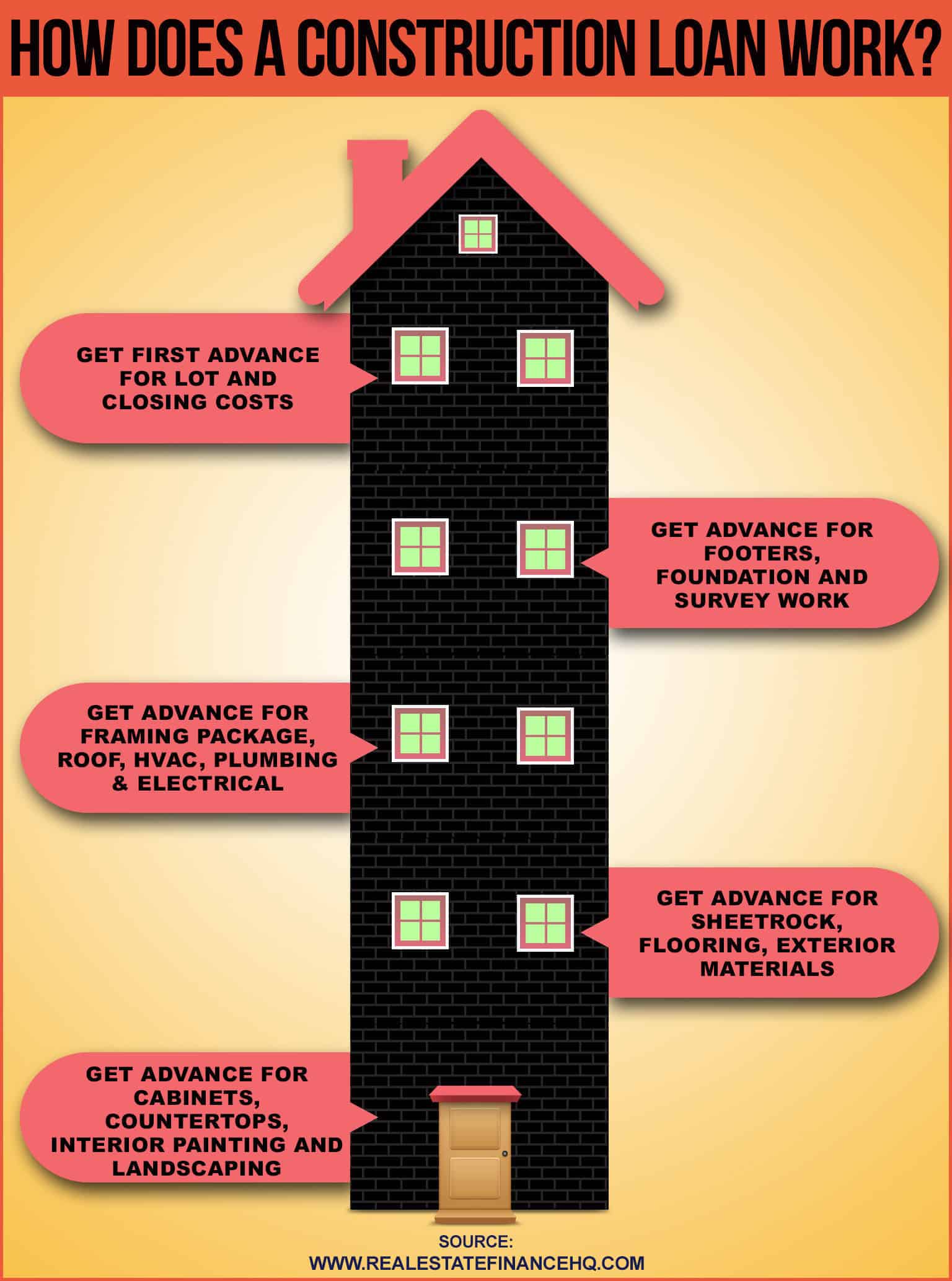
In a typical scenario, the lender does not provide a lump sum of cash to the borrower. Instead, the loan acts like a line of credit. Funds are distributed through a process called "draws," which occur as the project reaches specific milestones, such as completing the foundation, framing, or dry-walling. This ensures that the lender’s investment is tied directly to the physical progress of the home.
Types of Construction Loans Available in Arizona
Borrowers in Arizona generally choose between two primary structures, each with distinct implications for closing costs and interest rate exposure.
1. Construction-to-Permanent Loans (Single-Close)
This is the most common option for owner-builders. In this arrangement, the construction loan and the permanent mortgage are consolidated into one package. You undergo one closing process, pay one set of closing costs, and lock in your permanent interest rate before construction begins. Once the house is finished, the loan automatically converts to a traditional mortgage. This protects the borrower from potential interest rate hikes that might occur during the 6-to-18-month construction period.
2. Construction-Only Loans (Two-Close)
This structure treats the building phase and the permanent mortgage as two completely separate transactions. You take out a short-term loan to build the house; once the home is move-in ready, you must apply for a separate mortgage to pay off the construction loan. While this allows for more flexibility, it carries the risk of rising interest rates and requires paying closing costs twice.
Essential Prerequisites and Documentation
Securing a construction loan in Arizona requires a more rigorous application process than a standard home purchase. Lenders are not just evaluating your personal creditworthiness; they are underwriting the viability of the entire project.
- Builder Approval: Arizona lenders typically maintain a list of pre-approved contractors. If your chosen builder is not on this list, the lender will conduct a deep due diligence process, reviewing the builder’s financial stability, licensing, and track record.
- Detailed Project Specifications: You must provide a comprehensive "cost breakdown" or "budget sheet." This document lists every expense from site preparation and utility hookups to interior finishes.
- Architectural Plans and Permits: Lenders require final blueprints stamped by a licensed architect or engineer. Furthermore, proof that you have either obtained or are in the process of obtaining necessary municipal permits is mandatory.
- Contingency Fund: Most Arizona lenders require a budget buffer—typically 10% to 15% of the total project cost—to cover unforeseen expenses like site excavation surprises or lumber price fluctuations.
Navigating the Draw Process
The draw process is the heartbeat of your construction loan. Before any funds are released, an inspector appointed by the bank visits the job site to verify that the work associated with a specific draw request has been completed according to the plans.
In Arizona, where unique environmental factors such as desert soil conditions (often requiring soil stabilization) and strict water management codes apply, this inspection process is critical. If an inspection fails or if the builder deviates from the approved plans, the lender may pause disbursements. It is essential to maintain clear communication between your contractor and the lender’s draw administrator to avoid delays that could stall construction.
Comparison of Financial Requirements
| Feature | Construction-to-Permanent Loan | Construction-Only Loan |
|---|---|---|
| Closings | One | Two |
| Interest Rate | Locked at initial closing | Fluctuates/Renegotiated |
| Closing Costs | Single set of fees | Double fees |
| Risk | Lower (Rate security) | Higher (Market volatility) |
| Complexity | High (Upfront documentation) | Variable |
Common Challenges in the Arizona Market
Building in Arizona involves specific challenges that can impact your loan. Many rural or semi-rural areas in the state rely on septic systems and private wells rather than municipal sewage and water. Lenders often require additional environmental testing and certification for these systems before they will release funds.
Furthermore, Arizona's climate and geography—ranging from high desert to mountain regions—can lead to construction delays due to extreme heat or seasonal weather events. It is vital to ensure that your loan contract includes an adequate timeframe for construction that accounts for these regional realities. If the project exceeds the agreed-upon duration, you may face "extension fees" or, in severe cases, the lender may declare a default.
Evaluating Your Credit and Equity Position
Lenders in Arizona generally expect a borrower to have a strong credit profile. Because construction loans are viewed as higher risk, banks often require higher down payments compared to conventional mortgages. While traditional mortgages might require 3% to 5% down, construction loans often require 20% to 25% of the total project cost.
This down payment can often be comprised of the land equity you already hold. If you have already purchased the lot, the current appraised value of that land can serve as your down payment. However, if you are still paying off a land loan, the lender will need to account for that remaining debt within your overall financing structure.
Practical Tips for a Successful Build
- Vet Your Contractor: The success of your project rests heavily on your builder’s ability to stay on budget and on schedule. Ensure their license is in good standing with the Arizona Registrar of Contractors.
- Monitor the Budget: Regularly compare actual spending against your initial budget. Address cost overruns immediately rather than waiting for the next draw request, as this can trigger a red flag with your lender.
- Understand Lien Waivers: In Arizona, contractors and subcontractors can place a mechanic’s lien on your property if they are not paid. Your lender will manage this by requiring lien waivers—legal documents signed by the contractor and suppliers—confirming they have been paid before the next draw is released. Ensure you understand this process to protect your property title.
- Stay Proactive on Permits: Municipalities in the Phoenix, Tucson, or Flagstaff areas all have different permitting timelines. Factor these into your overall project schedule, as permit delays are one of the most common reasons construction loans fail to remain on schedule.
Frequently Asked Questions
What happens if my construction project goes over budget? If your costs exceed the budget, the lender will not automatically increase the loan amount. You will be required to cover the shortfall out-of-pocket before the lender will release any further funds. Maintaining a contingency fund of at least 10% is the best way to avoid this scenario.
Does the interest rate on a construction loan change? For construction-only loans, the rate is usually variable and tied to a benchmark like the Prime Rate. For construction-to-permanent loans, you typically lock in your permanent rate at the initial closing, providing you with stability once the home is finished.
Can I act as my own general contractor? Most traditional lenders in Arizona are hesitant to work with "owner-builders" due to the increased risk of mismanagement. If you intend to manage the build yourself, you will likely need to look for specialized private lenders or portfolio lenders who have specific programs for owner-builders.
How is the interest calculated during the construction phase? Interest is typically calculated based on the "average daily balance" of the funds disbursed to date. This means you only pay interest on the money that has actually been spent, rather than on the total loan amount from day one.
Is private mortgage insurance (PMI) required for construction loans? If your down payment is less than 20% of the completed home’s value, the lender will likely require mortgage insurance. This is a common requirement regardless of whether the loan is for a purchase or a construction project.
Next Steps for Prospective Builders
Before applying for a loan, gather your professional team. This includes your builder, an architect, and a mortgage loan officer who specializes specifically in construction-to-permanent financing. Start by obtaining a formal "pre-qualification" to understand your borrowing capacity based on your current debt-to-income ratio and the estimated value of your finished project. Once you have a clear financial baseline, finalize your construction budget and begin the formal application process. Ensuring your documentation is complete and your builder is vetted will significantly streamline your experience in the Arizona construction loan market.