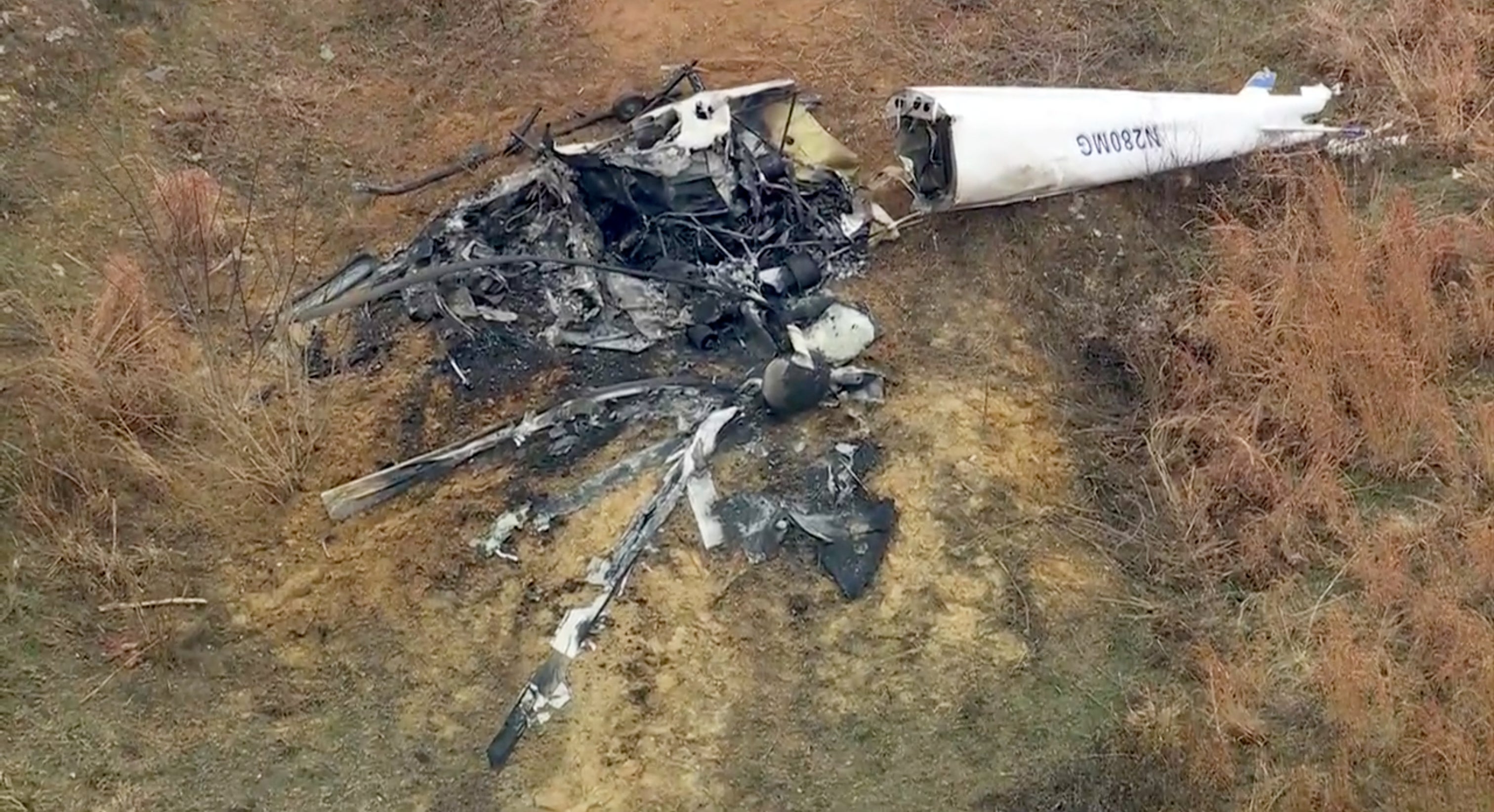
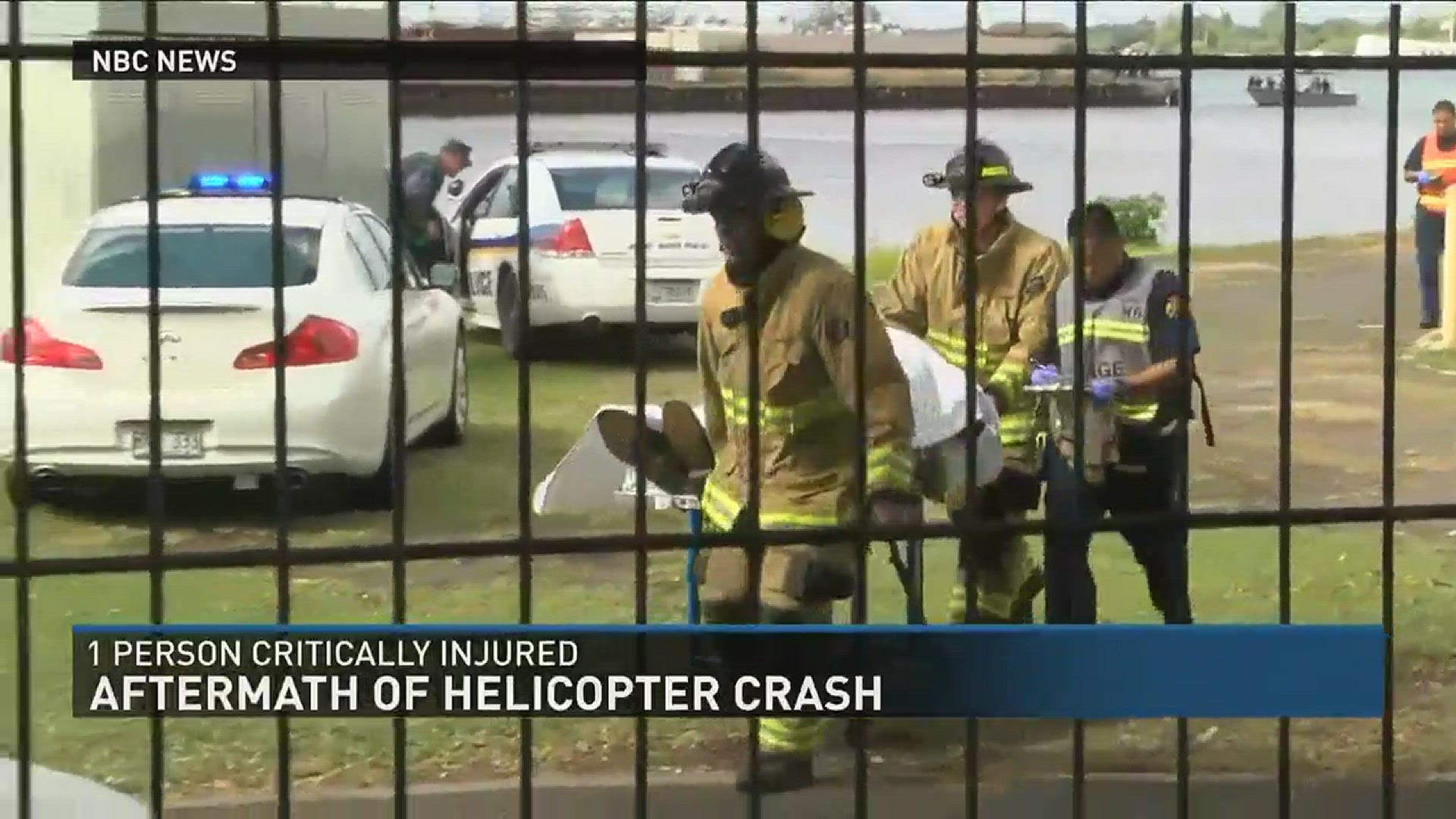
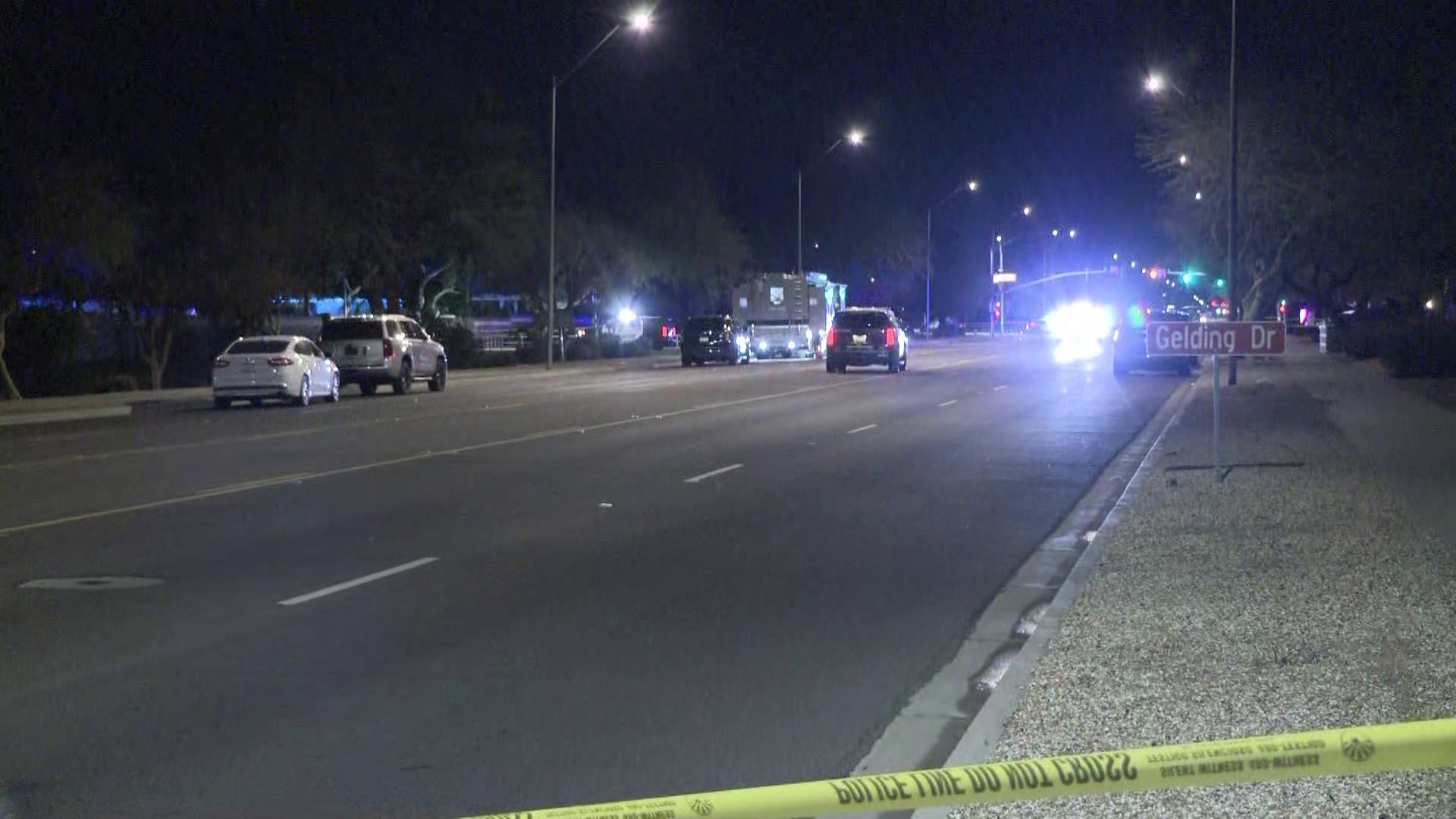
The recent Arizona helicopter crash serves as a critical reminder of the complex safety risks inherent in rotorcraft operations within the Southwestern United States. These incidents underscore the volatile intersection of high-density altitude, challenging topographical features, and the stringent demands of commercial tour and medical transport operations in 2026.
The Persistent Challenges of Arizona’s Flight Environment
Arizona presents one of the most demanding environments for helicopter pilots in North America. To understand why a single Arizona helicopter crash highlights safety risks across the industry, one must look at the unique atmospheric and geographical variables at play. In 2026, despite significant advancements in avionics and engine efficiency, the laws of physics remain an unyielding barrier.
The Phenomenon of Density Altitude
One of the primary safety risks in Arizona is density altitude. This is a measure of air density that accounts for temperature, humidity, and elevation. In the high-desert heat of Arizona, where summer temperatures frequently exceed 110°F (43°C), the air becomes "thin." This reduction in air molecules directly impacts a helicopter’s performance in two ways:
- Engine Power: Turboshaft engines require oxygen for combustion. Thinner air means less oxygen, which leads to a significant reduction in maximum available horsepower.
- Rotor Efficiency: Helicopter blades generate lift by moving through air molecules. When those molecules are sparse, the blades must rotate faster or at a higher angle of attack to maintain altitude, which increases the risk of an aerodynamic stall or "settling with power."
Pilots operating out of hubs like Phoenix, Tucson, or the Grand Canyon Airport must meticulously calculate their weight-and-balance and performance charts. A crash often highlights the thin margin for error when a pilot attempts to take off or hover in "high/hot" conditions with a maximum payload.
Topographical Hazards and Micro-Climates
Arizona’s landscape is characterized by dramatic elevation changes, from the low desert basins to the 12,000-foot peaks of the San Francisco Peaks. The Grand Canyon, a primary hub for the helicopter tour industry, creates its own micro-climates. Sudden downdrafts, wind shear, and "box canyon" effects—where a pilot enters a canyon and realizes they lack the space to turn around or the power to climb out—are recurring factors in NTSB (National Transportation Safety Board) investigations.
Lessons from Significant Incidents: A Retrospective and Current View
By examining the patterns from past accidents—including the landmark Papillon Grand Canyon crash of 2018 and subsequent incidents leading up to 2026—investigators have identified specific systemic risks that continue to plague the industry.
Crash-Resistant Fuel Systems (CRFS)
One of the most significant safety risks highlighted by Arizona crashes is the lack of Crash-Resistant Fuel Systems (CRFS) in older aircraft. For years, the NTSB has advocated for the retrofitting of all helicopters with fuel bladders that can withstand high-impact forces without rupturing.
In many Arizona incidents, the initial impact was survivable, but a post-crash fire—fueled by leaking Jet-A—led to fatalities. As of 2026, while the FAA (Federal Aviation Administration) has mandated CRFS for all newly manufactured helicopters, a significant portion of the "legacy fleet" used in tour operations still relies on older, more vulnerable tank designs. This discrepancy remains a major point of contention for safety advocates and legal professionals.
The Role of Human Factors and Aeronautical Decision Making (ADM)
Human error remains a contributing factor in over 80% of aviation accidents. In the context of Arizona's high-volume tour industry, "get-there-itis" or the pressure to maintain a flight schedule can compromise a pilot's Aeronautical Decision Making (ADM).
Risks include:
- Spatial Disorientation: Especially during night flights or in the dusty "brown-out" conditions common during Arizona’s monsoon season.
- Fatigue: The demanding schedule of "turn-and-burn" tour flights can degrade a pilot's reaction time.
- Inadequate Pre-flight Planning: Failing to account for a 5-degree temperature increase can be the difference between a safe climb and a catastrophic strike on rising terrain.
Regulatory Landscape: FAA Oversight in 2026
The regulatory framework governing helicopter operations is split primarily between Part 91 (General Aviation) and Part 135 (Commuter and On-Demand Operations). Most commercial helicopter tours and air ambulances in Arizona operate under Part 135, which requires more rigorous pilot training, aircraft maintenance, and safety management systems (SMS) than private flights.
Mandatory Safety Management Systems (SMS)
By 2026, the FAA has moved toward requiring SMS for all Part 135 operators. An SMS is a formal, top-down business approach to managing safety risks, which includes systemic procedures, practices, and policies for the management of safety risk. When an Arizona helicopter crash occurs, investigators look closely at whether the operator’s SMS was functioning effectively or if it was merely a "paper program."
Enhanced Monitoring and ADS-B Technology
The implementation of Automatic Dependent Surveillance-Broadcast (ADS-B) has improved search and rescue (SAR) response times significantly. In the vast, rugged terrain of the Tonto National Forest or the Grand Canyon, knowing the exact last coordinates of an aircraft is the difference between life and death. However, ADS-B is a tracking tool, not a preventative one; it highlights risks after the fact rather than stopping the mechanical or pilot error from occurring.
Comparative Risk Profiles of Helicopter Operations
Different types of helicopter missions in Arizona carry distinct risk levels. The following table compares the primary operational categories and their associated safety challenges.
| Operation Type | Primary Risk Factors | Typical Regulatory Standard | Safety Equipment Focus |
|---|---|---|---|
| Air Tour | High frequency, terrain proximity, passenger weight | FAA Part 135 | CRFS, Terrain Awareness (TAWS) |
| Air Ambulance (HEMS) | Night ops, unplanned landing zones, weather pressure | FAA Part 135 | Night Vision Goggles (NVG), Radio Altimeters |
| Utility (Powerline/Fire) | Low-level flight, wire strikes, heavy lifting | FAA Part 133 / 137 | Wire Strike Protection, Jettisonable Loads |
| Corporate/Private | Pilot proficiency, varying maintenance standards | FAA Part 91 | Integrated Avionics, Autopilot |
Technological Innovations Mitigating Risks in 2026
To combat the inherent risks of Arizona flight, the industry has turned to several key technologies. These advancements are designed to provide pilots with a "safety net" when environmental conditions deteriorate.
- Synthetic Vision Systems (SVS): SVS provides a 3D rendered view of the terrain on the cockpit display. In the event of a "brown-out" or night operations in the desert, SVS allows the pilot to "see" mountains and obstacles even when visibility is zero.
- Engine Usage Monitoring Systems (EUMS): These systems record every second of engine operation, allowing maintenance crews to identify "exceedances" (when an engine was run too hot or too hard) that could lead to mid-air mechanical failure.
- Stability Augmentation Systems (SAS): Modern light helicopters are increasingly equipped with SAS or "mini-autopilots" that can automatically level the aircraft if the pilot becomes disoriented, a major risk in the featureless desert night.
Passenger Safety: What to Verify Before Flying
For individuals planning to utilize helicopter services in Arizona, understanding the safety profile of the operator is paramount. A crash highlights the risks, but a proactive approach can mitigate them for the end-user.
- Review NTSB Records: Use the NTSB's public database to search for an operator's accident history. One minor incident may not be a red flag, but a pattern of maintenance-related issues is.
- Ask About CRFS: Specifically ask if the aircraft you will be flying in is equipped with a Crash-Resistant Fuel System. In 2026, many top-tier operators use this as a selling point.
- Inquire About Pilot Minimums: While the FAA sets minimum hours, many reputable companies require their pilots to have double or triple the legal minimum before flying passengers through the Grand Canyon or urban Phoenix.
- Check for IS-BAO Registration: The International Standard for Business Aircraft Operations (IS-BAO) is a voluntary global standard. Companies that reach this level of certification have gone above and beyond mandatory FAA requirements.
Troubleshooting Operational Safety: Common Pitfalls
Even with the best technology, certain operational habits contribute to the safety risks highlighted by recent Arizona crashes.
- Weight and Balance Miscalculations: In the summer heat, the margin for weight is extremely slim. Operators who "guesstimate" passenger weights instead of using actual scales are significantly increasing the risk of a performance-related accident.
- Maintenance "Short-Cutting": Due to the high cost of helicopter parts and the complexity of turbines, there is a constant financial pressure on operators. High-quality operators will have a transparent maintenance log and an open-door policy regarding their safety standards.
- Weather Minima Violations: Arizona's weather is generally clear, but when it turns—via monsoons or winter storms—it happens rapidly. Pilots who push the "VFR" (Visual Flight Rules) limits into "IMC" (Instrument Meteorological Conditions) account for a high percentage of fatal "controlled flight into terrain" (CFIT) accidents.
Frequently Asked Questions
Why are helicopter crashes in Arizona more frequent than in other states?
The frequency is largely due to the sheer volume of flight hours. Arizona, specifically the Grand Canyon, is the world's most active helicopter tour hub. When combined with extreme heat (which reduces aircraft performance) and rugged topography, the statistical likelihood of an incident increases.
What is "Density Altitude" and why is it a risk in Arizona?
Density altitude is essentially how "thin" the air feels to the aircraft. High temperatures and high elevations (like Flagstaff or the Grand Canyon Rim) make the air less dense. This means the engine produces less power and the rotors produce less lift, making it harder to recover from mistakes or fly out of downdrafts.
Are older helicopters less safe than new ones?
Not necessarily, provided they are maintained correctly. However, older helicopters often lack modern safety features like Crash-Resistant Fuel Systems (CRFS) and advanced terrain-warning avionics. The safety risk highlighted by crashes often involves the "survivability" of the accident rather than the cause of the initial mechanical failure.
How has helicopter safety improved by 2026?
By 2026, the industry has seen wider adoption of Safety Management Systems (SMS), more rigorous FAA oversight of Part 135 operators, and the integration of "Safety-by-Design" technologies like synthetic vision and crash-resistant fuel bladders.
What should I do if I am a passenger in a helicopter emergency?
Always listen to the pre-flight briefing. Know how to operate the door latches and the seatbelt release. If an emergency landing occurs, stay tucked in the "brace" position, and once the rotors have stopped moving, egress the aircraft and move toward the rear (avoiding the tail rotor) to a safe distance to avoid potential post-crash fires.
Practical Recommendations for 2026
The recent Arizona helicopter crash serves as a stark reminder that aviation safety is a continuous process of improvement, not a destination. For operators, the recommendation is clear: prioritize the retrofitting of CRFS and the implementation of robust SMS. For pilots, the focus must remain on conservative Aeronautical Decision Making, particularly concerning "high/hot" performance limits and weather minimums.
For the general public, the best course of action is to be an informed consumer. Prioritize operators who utilize modern fleets with integrated safety technology and who demonstrate a transparent commitment to safety standards that exceed the minimum FAA requirements. By demanding higher safety benchmarks, passengers can drive the industry toward a future where "safety risks" are identified and mitigated long before they result in a headline.