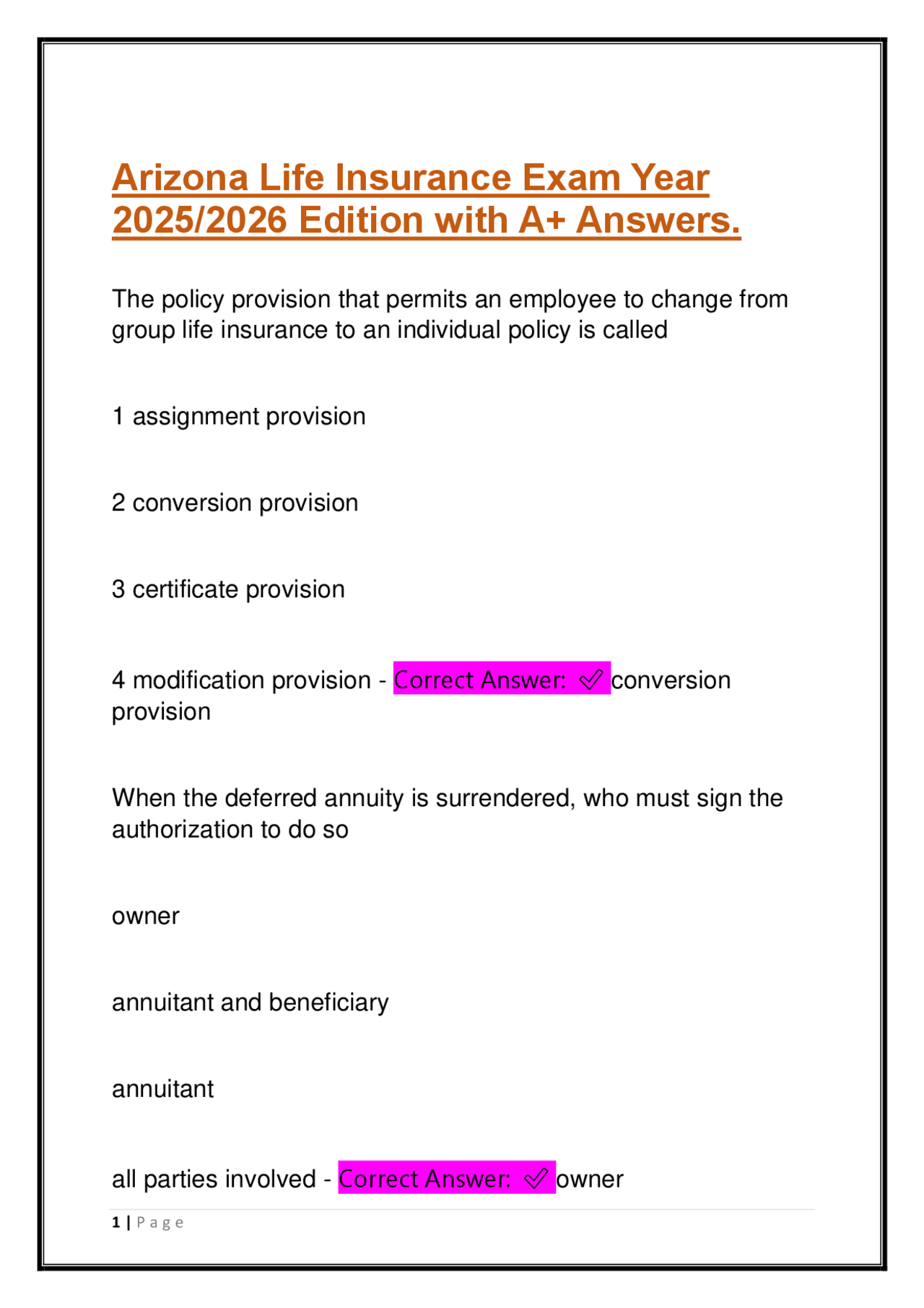
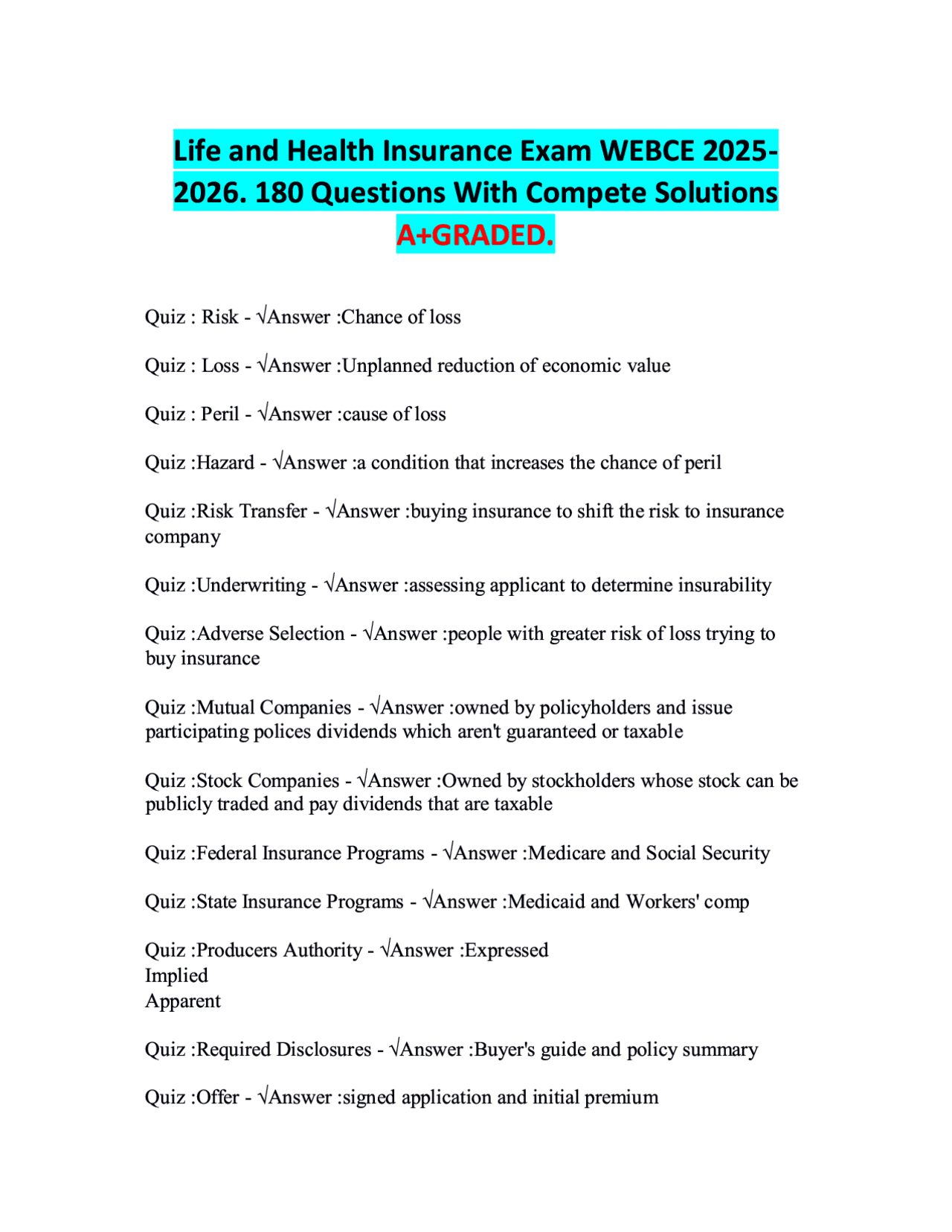
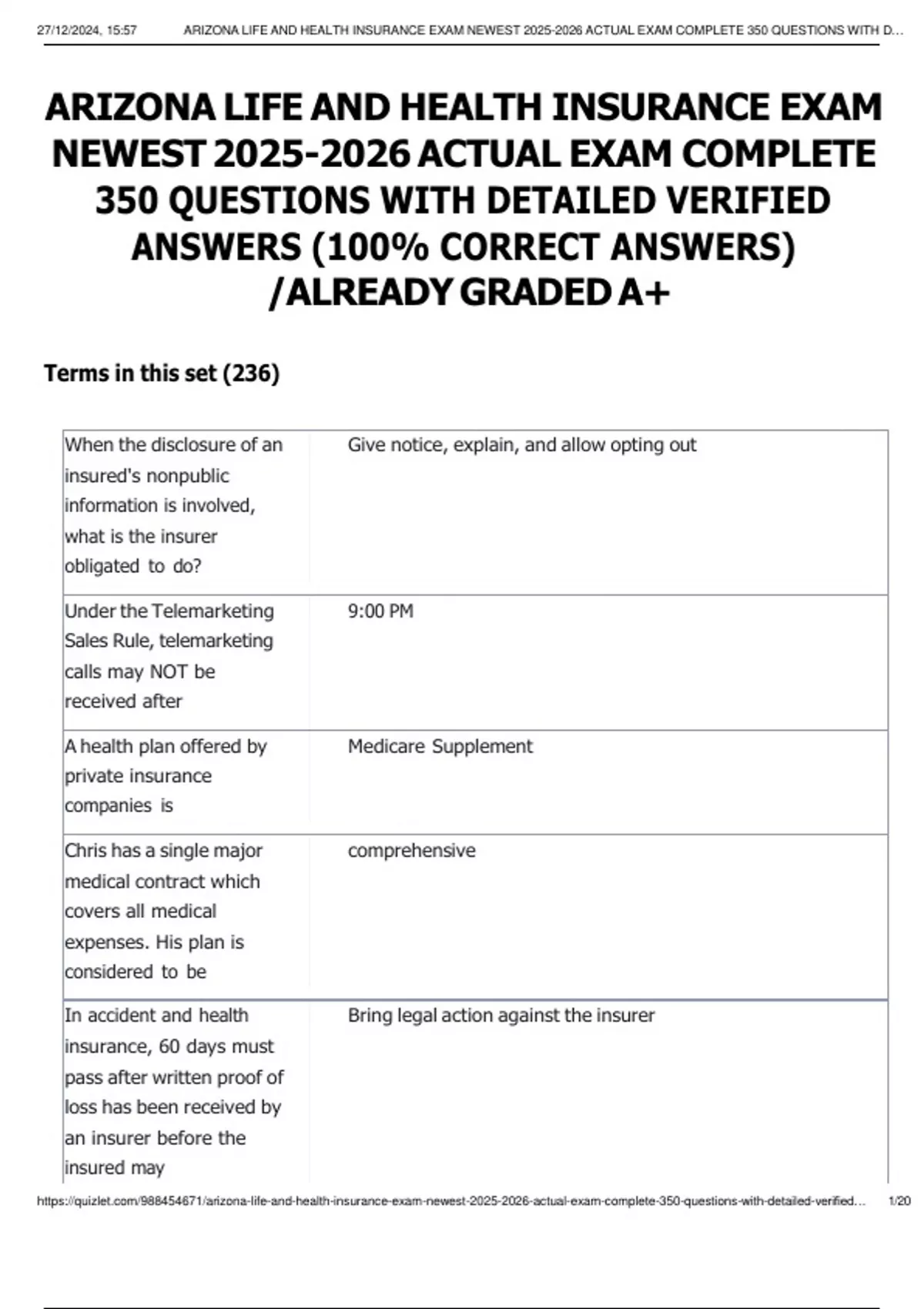
To obtain a health and life insurance license in Arizona in 2026, you must be at least 18 years old, pass the relevant state examinations administered by Prometric, and submit a set of fingerprints for a background check. Arizona does not mandate formal pre-licensing education, but candidates must apply for their license through the National Insurance Producer Registry (NIPR) and pay all required state and testing fees.
Becoming a licensed insurance professional in Arizona is a multi-step process regulated by the Arizona Department of Insurance and Financial Institutions (DIFI). Whether you intend to sell life insurance, health insurance, or a combination of both, you must navigate specific legal and procedural requirements. This guide provides a comprehensive breakdown of the prerequisites, exam structure, costs, and post-examination steps necessary to launch your career in the Arizona insurance market.
Eligibility and Initial Prerequisites
Before scheduling an exam or purchasing study materials, you must ensure you meet the basic legal requirements set forth by the State of Arizona. The regulatory framework is designed to ensure that all producers—the technical term for insurance agents—possess the integrity and competency required to advise consumers on sensitive financial and medical matters.
Age and Residency Requirements
Applicants must be at least 18 years of age. While you do not necessarily need to be a resident of Arizona to hold a license (non-resident licenses are available), this guide focuses on the Resident Producer License. To qualify as a resident, Arizona must be your home state or your primary place of business. If you are moving from another state where you held an active license, you may be eligible for a waiver of the examination requirement if you apply within 90 days of establishing residency in Arizona.
Character and Fitness
Arizona law requires all applicants to be of good moral character. The application includes a series of "background questions" regarding your criminal history, past administrative actions by regulatory bodies, and any history of financial delinquency such as unpaid child support or defaulted student loans. Having a criminal record does not automatically disqualify you, but failure to disclose relevant information is grounds for immediate denial of the license.
The Arizona Pre-Licensing Education Landscape
One of the most distinct aspects of Arizona’s insurance licensing process is the absence of a mandatory pre-licensing education requirement. Unlike many other states that require 20 to 40 hours of classroom or online instruction per line of authority, Arizona allows candidates to sit for the exam whenever they feel prepared.
Why Self-Study or Formal Courses are Critical
While the state does not track your study hours, the examinations are rigorous and have a significant failure rate for those who attempt them without structured preparation. The exams cover complex federal regulations, such as COBRA and HIPAA, as well as specific Arizona Revised Statutes (ARS) Title 20 laws.
Most successful candidates invest in a third-party pre-licensing course. These courses translate dense legal jargon into digestible concepts. For a Life and Health combined license, you should expect to spend 40 to 60 hours studying to master the nuances of policy provisions, tax implications, and ethical obligations.
Registering for the Arizona Insurance Exam
As of 2026, Prometric remains the authorized testing vendor for the State of Arizona. You cannot simply walk into a testing center; you must create an account and register in advance.
Selecting Your Line of Authority
You must decide which "lines of authority" you wish to carry. In Arizona, you can test for these individually or as a combined exam:
- Life Insurance: Covers term life, whole life, annuities, and retirement planning.
- Accident and Health Insurance: Covers medical expense insurance, disability income, long-term care, and Medicare supplements.
- Life, Accident, and Health (Combined): This is the most common choice for new agents as it allows for a broader range of product offerings.
Scheduling and Fees
The exam fee is generally non-refundable. In 2026, the cost for a single-line exam is typically around $40–$50, while the combined Life and Health exam is slightly higher. Testing is available at physical Prometric centers in cities like Phoenix, Tucson, and Flagstaff, or via remotely proctored online exams, provided your home computer meets the stringent security and technical specifications.
| Exam Type | Number of Questions | Time Allotted | Passing Score |
|---|---|---|---|
| Life Insurance (12-AZ-05) | 100 | 2 Hours | 70% |
| Accident & Health (12-AZ-06) | 100 | 2 Hours | 70% |
| Life, Accident & Health (12-AZ-01) | 150 | 2.5 Hours | 70% |
Understanding the Exam Structure and Content
The Arizona health and life insurance exams are "criterion-referenced," meaning your score is based on your ability to meet a specific standard of knowledge rather than how you perform relative to other test-takers.
Core Insurance Concepts
A significant portion of the exam focuses on general insurance principles. You will be tested on the Law of Large Numbers, the definition of Insurable Interest, and the differences between Mutual and Stock insurance companies. Understanding the elements of a legal contract (Offer, Acceptance, Consideration, and Competent Parties) is also essential.
Product-Specific Knowledge
- Life Insurance Section: You must distinguish between "Non-forfeiture Options" and "Settlement Options." You will also face questions regarding the tax treatment of life insurance premiums and death benefits.
- Health Insurance Section: Expect detailed questions on the Affordable Care Act (ACA) requirements, the difference between HMOs and PPOs, and the specific definitions of "Total Disability" versus "Partial Disability."
Arizona State-Specific Laws
This is often the most difficult section for candidates. You must memorize Arizona-specific timeframes, such as the Free Look Period (usually 10 days for life insurance) and the Grace Period. You also need to understand the powers of the Arizona Insurance Director, who is responsible for enforcing insurance laws, conducting examinations of insurers, and issuing subpoenas.
The Background Check and Fingerprinting Process
Arizona requires a fingerprint-based criminal history check for all resident license applicants. This process is handled separately from the exam registration but must be completed before the DIFI will issue your license.
Using Fieldprint for Fingerprints
Arizona utilizes Fieldprint for electronic fingerprinting. This is the preferred method as it is faster and less prone to errors than traditional ink-and-roll cards. You must schedule an appointment online, pay the fingerprinting fee (approximately $20–$30 plus the FBI processing fee), and bring two forms of valid identification to the site.
Timing the Background Check
It is highly recommended that you complete your fingerprinting immediately after passing your exam. The results are sent directly to the Arizona DIFI and the Department of Public Safety (DPS). Background checks can take anywhere from a few days to several weeks to process, so early submission prevents licensing delays.
Submitting the License Application
Once you have passed the exam, you have one year to apply for your license. If you wait longer, your exam results will expire, and you will be forced to retake the test.
The NIPR Portal
Arizona uses the National Insurance Producer Registry (NIPR) for all licensing applications. You will log in to the NIPR website, select "Apply for a New License," and follow the prompts for the State of Arizona.
- Application Fee: The fee for an Arizona resident producer license is currently $120.
- Documentation: You may need to upload supporting documents if you answered "Yes" to any background questions regarding prior legal issues.
License Issuance
After the DIFI reviews your exam results, your NIPR application, and your background check results, they will issue your license. Arizona no longer mails paper licenses; you must download and print your license from the DIFI website or the NIPR portal. Your National Producer Number (NPN) will be your unique identifier used for all insurance business across the United States.
Maintaining Your Arizona Insurance License
Getting licensed is only the beginning. Arizona licenses are issued for a four-year term, and maintaining them requires ongoing professional development.
Continuing Education (CE) Requirements
In 2026, Arizona producers are required to complete 48 hours of Continuing Education every four years.
- At least 6 hours must be dedicated to Ethics.
- Producers selling specialized products like Long-Term Care (LTC) or Annuities must complete specific training modules as part of their CE hours.
- You cannot "carry over" excess hours to the next renewal period.
Reporting Changes
You are legally obligated to notify the DIFI of any change in your business or residential address within 30 days. Failure to do so can result in administrative fines or the suspension of your license. Similarly, any criminal convictions or administrative actions taken against you in other states must be reported promptly.
Common Mistakes to Avoid
- Studying the Wrong Material: Ensure your study guide is updated for 2026. Insurance laws, particularly health insurance regulations, change frequently.
- Inconsistent Names: Ensure the name on your government-issued ID exactly matches the name used for your Prometric registration and NIPR application.
- Neglecting State Laws: Many candidates focus so much on general insurance concepts that they fail the state-specific portion of the exam.
- Delaying Fingerprints: Do not wait until your application is "pending" to get fingerprinted. This is the most common cause of licensing bottlenecks.
Frequently Asked Questions
What happens if I fail the Arizona insurance exam?
If you do not pass, you can reschedule the exam through Prometric as early as the next day, provided there is an available slot. You must pay the full exam fee for every attempt. Arizona does not have a "waiting period" for the first few attempts, but repeated failures may eventually trigger a mandatory cooling-off period.
Can I sell Medicare supplements with a Health license in Arizona?
Yes, but you must first have the Accident and Health line of authority. Additionally, to sell Medicare Advantage or Part D plans, you generally must complete annual AHIP (America's Health Insurance Plans) certification and specific carrier-based training in addition to your state license.
How much does it cost in total to get licensed in Arizona?
Expect to spend approximately $300 to $500. This includes the exam fee ($50), the licensing application fee ($120), fingerprinting fees ($50), and the cost of a high-quality pre-licensing study course ($100–$300).
Does Arizona require a "Certificate of Completion" from a school?
No. Arizona is one of the few states that does not require you to prove you took a course before sitting for the exam. However, the complexity of the exam makes self-directed study without professional materials very difficult.
How long is the Arizona life and health insurance exam?
The combined Life, Accident, and Health exam consists of 150 questions and lasts 2.5 hours. Individual lines (Life only or Health only) are typically 100 questions and last 2 hours.
Is the Arizona insurance exam taken in person or online?
Both options are available in 2026. You can visit a physical Prometric testing center for a traditional environment or use Prometric’s "ProProctor" system to take the exam from home with a live remote proctor.
Final Recommendation for Aspiring Agents
The most efficient path to licensing in Arizona is to schedule your exam three to four weeks in advance and use that deadline as motivation to complete a comprehensive online study course. Focus heavily on the "Arizona Statutes" section of your study materials, as this is where most candidates struggle. Once you pass, immediately complete your fingerprints via Fieldprint and submit your NIPR application to ensure your career starts without administrative delays.