In the 2022 Arizona gubernatorial election, Democrat Katie Hobbs defeated Republican Kari Lake by a margin of roughly 17,000 votes. This narrow victory transitioned Arizona’s executive branch from Republican to Democratic control for the first time since 2009. The race was defined by debates over election integrity, reproductive rights, and the shifting political demographics of the American Southwest.
The Political Landscape of Arizona in 2022
By 2022, Arizona had firmly established itself as one of the most critical "purple" swing states in the United States. Historically a Republican stronghold—the home of Barry Goldwater and John McCain—the state underwent a rapid demographic and ideological shift over the preceding decade. The 2022 election took place in a post-2020 environment where the state’s electoral processes were under intense national scrutiny.
The incumbent governor, Doug Ducey, a Republican, was ineligible to run for a third term due to state-mandated term limits. His departure created a power vacuum in a state where the Republican Party was experiencing a significant internal schism. On one side was the traditional, establishment wing of the GOP; on the other was a burgeoning populist movement closely aligned with Donald Trump’s "Make America Great Again" (MAGA) platform.
Democratic prospects in Arizona had been rising since 2018, when Kyrsten Sinema won a U.S. Senate seat, followed by Mark Kelly’s victory in 2020. For Democrats, 2022 represented an opportunity to prove that their recent gains were not anomalies but the new status quo. For Republicans, it was a battle to reclaim the momentum and reassert dominance in a state that had been a cornerstone of their national strategy for over half a century.
The Candidates and the Primary Process
The road to the general election was marked by two very different primary experiences that set the stage for the final showdown between Katie Hobbs and Kari Lake.
Katie Hobbs: The Democratic Path
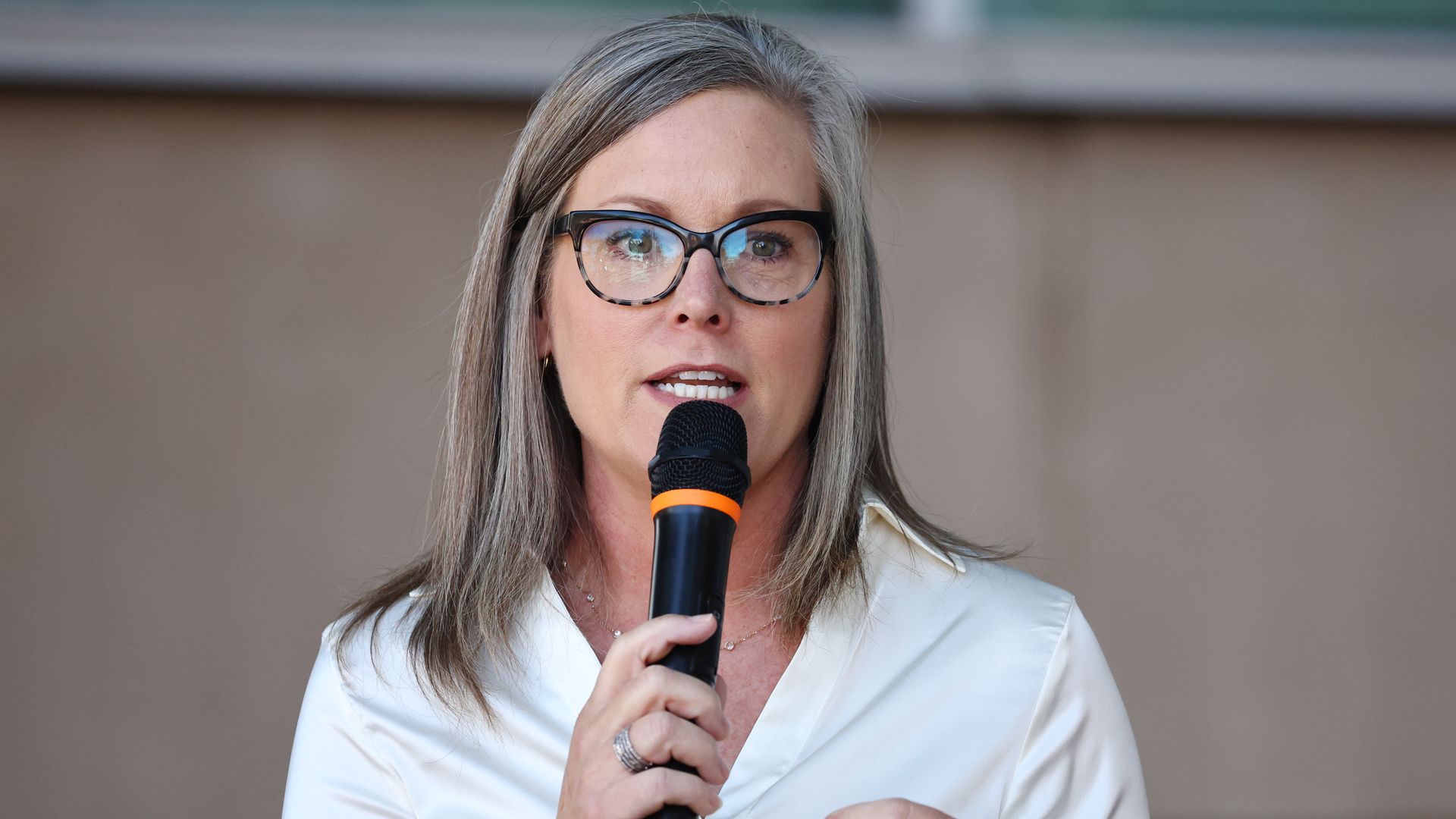
Katie Hobbs entered the race as the incumbent Arizona Secretary of State. Her profile had risen significantly following the 2020 presidential election, during which she became a prominent defender of Arizona’s voting results amidst various audits and legal challenges. Her campaign focused on a message of "sanity over chaos," positioning her as a steady, experienced administrator.
Hobbs easily won the Democratic primary, defeating Marco López Jr. Her strategy was largely risk-averse; she maintained a relatively low profile, focusing on her record as a state legislator and Secretary of State. This approach was designed to appeal to moderate independents and "McCain Republicans" who were wary of the more firebrand rhetoric coming from the opposing side.
Kari Lake: The Republican Transformation
The Republican primary was far more contentious. Kari Lake, a former long-time news anchor for Fox 10 Phoenix, emerged as the front-runner early on. Lake’s transition from media personality to political candidate was seamless, utilizing her broadcast experience to dominate news cycles. She ran on a platform heavily focused on questioning the 2020 election results, border security, and sharp criticism of mainstream media.
Lake faced a formidable primary opponent in Karrin Taylor Robson, a member of the Arizona Board of Regents who had the backing of the traditional GOP establishment, including Governor Doug Ducey and former Vice President Mike Pence. Despite Robson’s significant self-funding and institutional support, Lake’s endorsement from Donald Trump proved decisive. Lake won the primary by approximately five percentage points, signaling a complete takeover of the state party by the MAGA wing.
Key Campaign Issues and Voter Priorities
The 2022 race was not just a clash of personalities but a collision of two vastly different visions for Arizona’s future. Several key issues dominated the airwaves and town halls.
Election Integrity and Democracy
Because Katie Hobbs was the Secretary of State and Kari Lake was a prominent "election denier" regarding the 2020 cycle, the very mechanics of democracy became a central campaign issue. Lake frequently promised to reform Arizona’s voting laws, including the elimination of most mail-in voting, which is utilized by the vast majority of Arizonans. Hobbs, conversely, defended the existing system as secure and transparent, warning that Lake’s proposals would disenfranchise voters.
Reproductive Rights Post-Dobbs
The U.S. Supreme Court’s decision in Dobbs v. Jackson Women’s Health Organization, which overturned Roe v. Wade in June 2022, fundamentally altered the race. Arizona had a dormant 1864 law on the books that effectively banned all abortions. The uncertainty surrounding the legality of abortion in the state became a massive mobilization tool for the Hobbs campaign. Hobbs campaigned as a "last line of defense" for reproductive rights, while Lake’s position shifted during the campaign, though she generally described herself as "pro-life" and supported restrictive measures.
Border Security and Immigration
As a border state, immigration is always a top-tier issue in Arizona. Lake campaigned on declaring an "invasion" at the southern border, proposing the use of state resources and the National Guard to complete the border wall and increase deportations. Hobbs advocated for comprehensive federal reform and more humane management of the border, criticizing Lake’s rhetoric as performative and harmful to the state's economy.
Water Rights and Economic Growth
Beyond the headline-grabbing social issues, Arizona faced a looming crisis regarding the Colorado River and long-term water sustainability. Both candidates had to address how they would manage the state’s rapid growth in the face of persistent drought. While Lake focused on new infrastructure and desalinization, Hobbs emphasized conservation and multi-state negotiations.
The General Election Campaign and Polling
The general election was characterized by a massive disparity in campaigning styles. Kari Lake was a ubiquitous presence, holding frequent rallies and engaging in aggressive social media campaigns. She was noted for her ability to "pivot" questions and her confrontational stance toward journalists.
In contrast, Katie Hobbs faced significant criticism, even from within her own party, for her refusal to participate in a televised debate with Lake. Hobbs argued that a debate with Lake would simply become a "circus" of conspiracy theories and would not benefit the voters. While this "no debate" strategy was risky and allowed Lake to frame Hobbs as "cowardly," Hobbs’ team banked on the idea that the more voters saw of Lake’s extreme positions, the more they would gravitate toward Hobbs.
Polling throughout the fall of 2022 showed a dead heat. Most aggregates had the candidates within the margin of error, with Lake holding a slight lead in several late October polls. This set the stage for a dramatic Election Night.
Election Results and Demographic Shifts
The counting process in Arizona is notoriously slow due to the high volume of mail-in ballots that arrive on Election Day. It took nearly a week for the race to be officially called.
| Metric | Katie Hobbs (D) | Kari Lake (R) |
|---|---|---|
| Total Votes | 1,287,891 | 1,270,774 |
| Percentage | 50.3% | 49.7% |
| Margin | +17,117 | - |
| Key Stronghold | Pima County (Tucson) | Rural Counties |
| Maricopa Performance | 51.2% | 48.8% |
Source: Arizona Secretary of State Official Election Results
The victory for Hobbs was largely secured in Maricopa County, which houses over 60% of the state’s population. Hobbs won the county by roughly 37,000 votes, more than enough to offset Lake’s dominance in rural areas like Mohave and Yavapai counties. Data showed that Hobbs successfully won over a significant portion of suburban, college-educated voters who may have traditionally voted Republican but were alienated by Lake’s rhetoric regarding the 2020 election.
Post-Election Legal Challenges and Certification
Kari Lake did not concede the election. Following the certification of the results, she filed a series of lawsuits seeking to overturn the outcome. Her legal team alleged that intentional misconduct by election officials in Maricopa County—specifically regarding printer malfunctions on Election Day—had disenfranchised Republican voters.
The legal battles spanned several months:
- Initial Dismissal: In December 2022, Maricopa County Superior Court Judge Peter Thompson dismissed Lake’s lawsuit, stating that the court did not find clear or convincing evidence of intentional misconduct that would have changed the outcome of the election.
- Appeals: Lake appealed the ruling to the Arizona Court of Appeals and the Arizona Supreme Court.
- Sanctions and Finality: While the courts did allow for a brief trial on a specific claim regarding signature verification, the outcome remained the same. Judges consistently found that Lake’s claims lacked evidentiary support. By mid-2023, the litigation had largely concluded, with the courts upholding Hobbs’ victory and in some instances, ordering Lake’s team to pay legal fees.
These challenges were a significant moment in Arizona's history, testing the resilience of the state's judicial and electoral systems against claims of systemic fraud.
Historical Significance and Long-Term Impact
The 2022 Arizona governor race was a watershed moment for several reasons:
- The Blue Shift: Combined with the re-election of Senator Mark Kelly and the victory of Adrian Fontes for Secretary of State, Hobbs’ win confirmed that Arizona had moved from a "red" state to a "battleground" state.
- The End of the "News Anchor" Model: Lake’s loss was seen by some political analysts as a limitation of the "media personality" candidate model when paired with fringe ideological positions in a general election.
- Executive Gridlock: Because the Arizona State Legislature remained under Republican control, Hobbs’ first term was marked by a record number of vetoes. This highlighted the deep partisan divide that remained in the state despite the Democratic executive win.
From the perspective of 2026, the 2022 race is viewed as the catalyst for the modern political era in Arizona. It forced the state GOP to undergo a period of soul-searching regarding its candidate selection process and solidified the importance of the suburban vote in the Sun Belt.
Frequently Asked Questions
Why did Katie Hobbs refuse to debate Kari Lake?
Katie Hobbs argued that Kari Lake was only interested in spreading misinformation and conspiracy theories about the 2020 election. Hobbs’ campaign felt that a traditional debate format would not allow for a substantive discussion of policy and would instead provide a platform for Lake to dominate the narrative with unverified claims. While widely criticized as a political risk, Hobbs maintained that her record and independent campaign events were sufficient for voters to make an informed choice.
What were the printer issues in Maricopa County on Election Day?
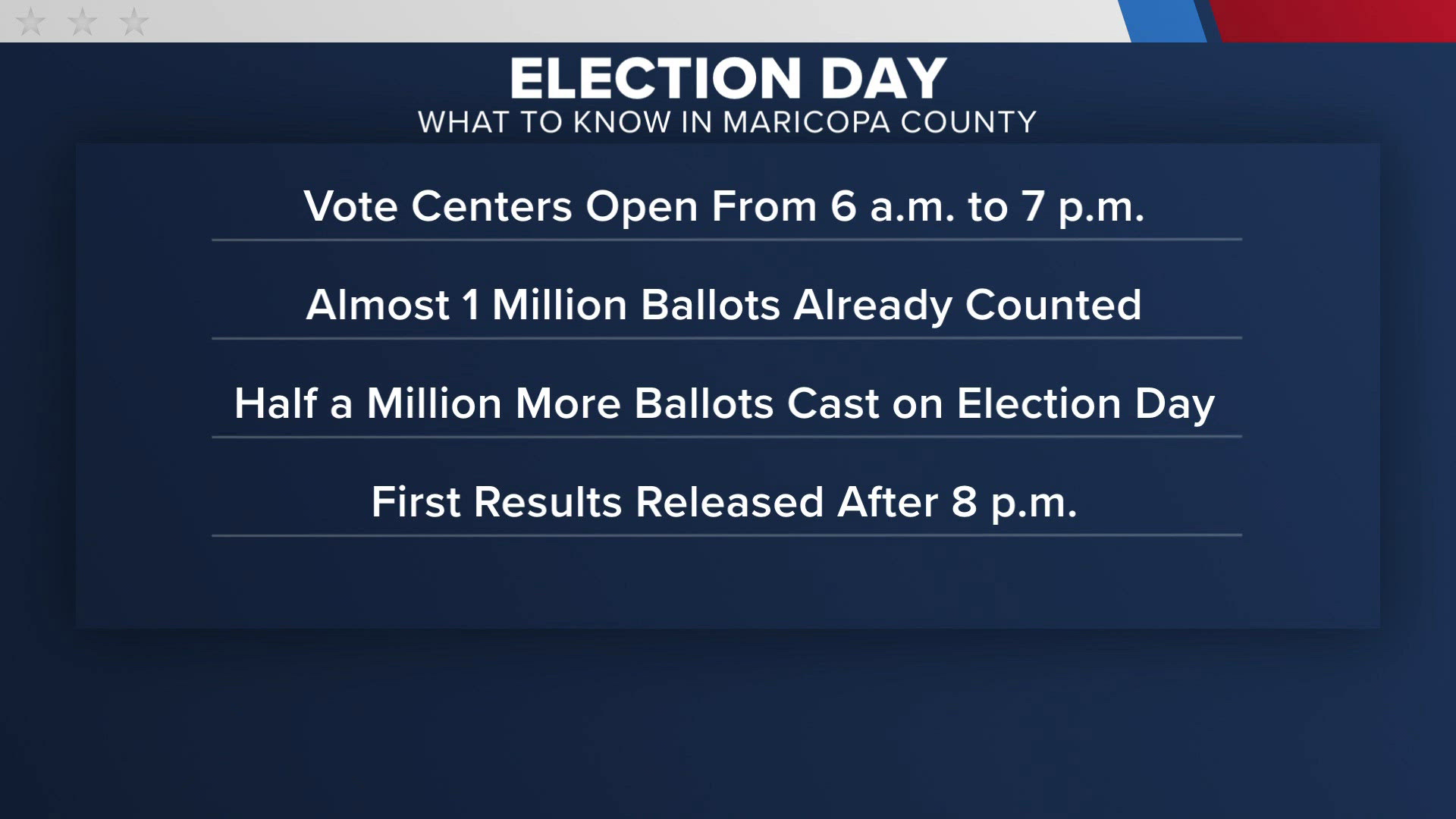
On November 8, 2022, approximately 70 of Maricopa County's 223 voting centers experienced issues with on-site printers producing ballots with "faint" timing marks. This prevented some on-site tabulators from reading the ballots immediately. Officials instructed voters to place their ballots in "Box 3," a secure container to be tabulated later at a central facility. While this caused long lines and significant frustration, subsequent audits and court rulings confirmed that every valid ballot placed in Box 3 was indeed counted.
Did the 2022 election results face an automatic recount?
Under Arizona law in 2022, an automatic recount was triggered if the margin between the two top candidates was less than or equal to 0.5%. The margin between Hobbs and Lake was approximately 0.6%, which originally sat just outside the threshold. However, due to a change in state law (SB 1008) earlier that year, the threshold had been increased to 0.5% from the previous 0.1%. While some down-ballot races went to a recount, the gubernatorial race remained just outside the mandatory margin, and Hobbs' victory was certified without a statewide recount.
How did abortion rights affect the 2022 Arizona governor race?
The overturning of Roe v. Wade occurred just months before the election, making reproductive rights a top priority for Arizona voters. Katie Hobbs leaned heavily into her support for abortion access, contrasting her position with the state's 19th-century near-total ban. Exit polling suggested that the issue of "democracy" and "abortion" were the two primary drivers for the high Democratic turnout in Pima and Maricopa counties.
Practical Recommendation for Researchers
For those looking to verify specific precinct-level data or legal filings from the 2022 race, the Arizona Secretary of State’s Canvas remains the definitive source for official numbers. Additionally, the Maricopa County Elections Department provides exhaustive "Election Day Reports" that detail the technical challenges faced at voting centers and the subsequent resolutions. When researching this topic, prioritize these primary government documents over secondary news commentary to ensure an accurate understanding of the procedural facts.