AP4 power steering fluid is a specialized lubricant, primarily synonymous with the MS-9602 (ATF+4) specification, used in Chrysler, Dodge, Jeep, Ram, and certain Mitsubishi vehicles. It is a highly shear-stable, full-synthetic fluid designed to provide consistent hydraulic pressure and wear protection across extreme temperature ranges, replacing older mineral-based MS-5931 fluids in modern systems.
The world of automotive fluids can be deceptively complex, especially when a single fluid—like ATF+4—serves multiple roles. In the context of Mopar-designed vehicles, "AP4" or ATF+4 is not just a transmission fluid; it is the lifeblood of the power steering system. Understanding the basics of this fluid is essential for any vehicle owner or technician in 2026, as the longevity of hydraulic steering components depends almost entirely on the chemical integrity of the fluid circulating through them.
The Evolution of AP4 and MS-9602 Specifications
To understand AP4 power steering fluid, one must first understand its parent specification: MS-9602, commonly known as ATF+4. For decades, Chrysler vehicles utilized a dedicated power steering fluid known as MS-5931. This was a clear or amber-colored mineral oil that performed adequately for the steering racks of the 1980s and 1990s.
However, as vehicle designs evolved and engine bay temperatures increased, the limitations of mineral-based fluids became apparent. Mineral oils tend to break down under high heat and thin out, leading to reduced hydraulic assist and increased wear on the steering pump’s internal vanes.
By the early 2000s, Chrysler transitioned most of its power steering systems to utilize ATF+4. This move was driven by the fluid’s superior viscosity index and shear stability. ATF+4 is a full-synthetic formulation that maintains its thickness even when the steering system is stressed during heavy towing or low-speed maneuvering. In the aftermarket, you may see this fluid referred to as AP4 (especially in part numbering systems or specific brand catalogs), but it always points back to the rigorous MS-9602 standard.
Why Technical Specification Matters
The power steering system is a high-pressure environment. A steering pump can generate pressures exceeding 1,500 PSI during a full-lock turn. At these pressures, the fluid must not only transmit force but also lubricate the pump's bearings and the rack's internal seals.
AP4/ATF+4 is formulated with a specific package of friction modifiers and anti-foaming agents. If a fluid foams (aeration), the air bubbles within the fluid become compressible. Since hydraulic systems rely on the incompressibility of liquids, aeration leads to a "spongy" feel in the steering wheel and a distinct whining noise from the pump.
Furthermore, the seal compatibility of MS-9602 is distinct. The elastomers (rubber and synthetic seals) used in Dodge, Jeep, and Chrysler steering racks are designed to interact with the synthetic esters in ATF+4. Using a generic "Universal" power steering fluid can cause these seals to either shrink or swell excessively, leading to catastrophic leaks or internal bypasses within the steering gear.
Identifying Your Vehicle's Requirements
Before adding any fluid to your reservoir, you must confirm that your vehicle actually requires AP4/MS-9602. While it is the standard for most FCA (Fiat Chrysler Automobiles, now part of Stellantis) vehicles produced between 2003 and the transition to Electric Power Steering (EPS), there are exceptions.
1. Check the Reservoir Cap
In most vehicles, the power steering reservoir cap will have the required fluid type embossed directly into the plastic. It may say "Use ATF+4 Only" or "MS-9602." If it says "Power Steering Fluid," you must consult the manual to ensure it doesn't mean the older MS-5931.
2. The Color Test
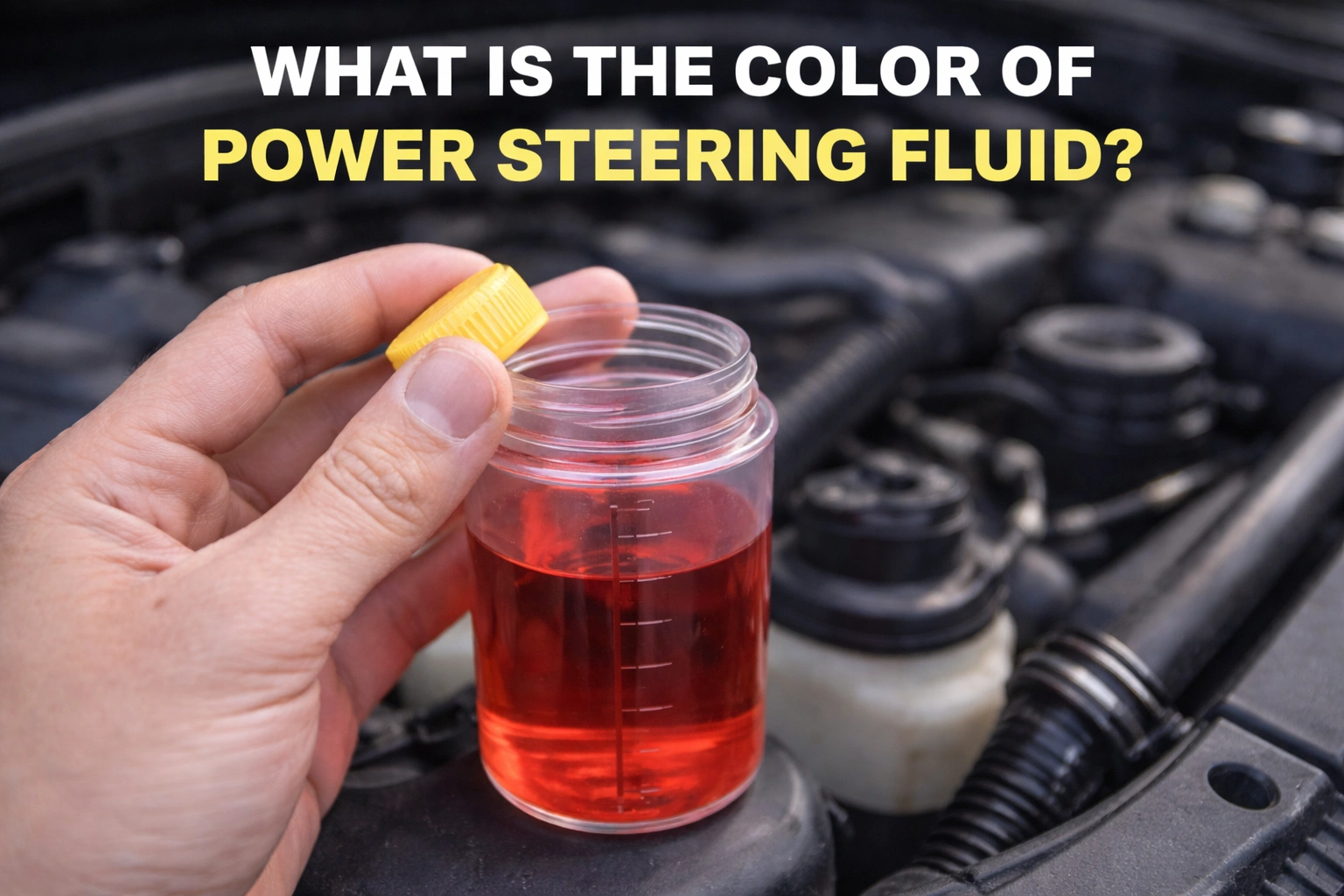
AP4 fluid is dyed bright red for identification purposes. This helps distinguish it from engine oil (brown/black), coolant (green/orange/purple), and older power steering fluids (clear/amber). If the fluid currently in your reservoir is clear or amber, but your manual calls for ATF+4, a previous owner may have used the wrong fluid, or your specific model year still utilizes the older mineral-based specification.
3. Review the Owner’s Manual
In 2026, many newer vehicles have transitioned to Electric Power Steering (EPS), which uses a motor and has no fluid at all. If you are driving a vehicle with a traditional hydraulic setup—such as a heavy-duty Ram truck or an older Jeep Wrangler—the manual is the final authority on whether AP4 is the correct choice.
Comparison of Power Steering Fluid Standards
| Feature | MS-5931 (Older) | MS-9602 / AP4 (ATF+4) | Universal PSF |
|---|---|---|---|
| Base Oil | Mineral | Full Synthetic (Group III) | Varies (Usually Mineral) |
| Color | Amber / Clear | Bright Red | Clear / Amber |
| Viscosity Index | Moderate | Very High | Low to Moderate |
| Shear Stability | Average | Excellent | Poor to Average |
| Primary Use | Pre-2003 Chrysler | 2003+ Chrysler/Jeep/Ram | Generic applications |
The Risks of Mixing Fluids
One of the most common mistakes in DIY maintenance is the assumption that all power steering fluids are interchangeable. Mixing AP4 with a generic fluid or the older MS-5931 can lead to several technical failures.
Chemical Incompatibility
When two different additive packages are mixed, they can react. This sometimes results in the formation of sludge or "varnish." This sticky residue can clog the fine passages in the power steering rack's spool valve, leading to "dead spots" in the steering where the assist suddenly vanishes.
Seal Degradation
As mentioned previously, seals are chemically tuned to specific fluids. MS-9602 contains specific conditioners that keep Mopar seals pliable. Generic fluids may lack these conditioners or use different ones that cause the seals to harden and crack over time. A leak in a steering rack often requires the replacement of the entire unit, a repair that can cost upwards of $1,000 in 2026.
Pump Cavitation
The viscosity of AP4 is specifically tuned for the tolerances of Mopar pumps. If a thinner, non-spec fluid is used, the pump may experience cavitation—the rapid formation and collapse of vapor bubbles. This essentially "paints" the internal metal surfaces with microscopic explosions, eventually destroying the pump.
Maintenance: How to Check and Top Up AP4 Fluid
Maintaining the correct level of AP4 fluid is the simplest way to prevent expensive steering failures. You should check the fluid level at every oil change.
- Locate the Reservoir: Look for a small plastic or metal tank near the serpentine belt, often labeled with a steering wheel icon.
- Clean the Area: Before opening the cap, wipe the area thoroughly. Even a tiny grain of sand entering the system can score the cylinder walls of the steering rack.
- Check the Dipstick: Most caps have a built-in dipstick with "Hot" and "Cold" markings.
- Cold: Use this mark if the engine has not been running.
- Hot: Use this mark if you have just finished a drive.
- Observe the Condition: The fluid should be red and translucent. If it is dark brown, black, or smells like burnt toast, the fluid has thermally broken down and needs a flush.
- Add Fluid: If the level is low, use a funnel to add small amounts of licensed ATF+4 (AP4). Do not overfill, as the fluid expands when hot; overfilling can cause the fluid to spray out of the vent, creating a fire hazard on hot engine components.
When to Perform a Full System Flush
While many manufacturers claim power steering fluid is "fill-for-life," most professional mechanics in 2026 recommend a flush every 50,000 to 75,000 miles. Over time, the fluid accumulates microscopic metal shavings from the pump and rubber particles from the hoses. These contaminants act as an abrasive, wearing down the steering rack seals.
Symptoms That You Need a Flush:
- Whining Noise: A high-pitched squeal when turning the wheel, especially when the engine is cold.
- Heavy Steering: Increased effort required to turn the wheel, suggesting the fluid has lost its hydraulic efficiency.
- Erratic Assist: The steering feels easy one moment and stiff the next.
- Fluid Discoloration: The bright red color has turned into a murky brown or contains visible metallic flakes.
A proper flush involves disconnecting the return line and pumping fresh AP4 fluid through the system until the discharge runs clear and red. This ensures that the old, contaminated fluid is entirely removed from the rack and the cooling lines.
Technical Specifications for AP4 (MS-9602)
For those looking for the exact technical performance of AP4, the Center for Quality Assurance maintains the official list of licensed ATF+4 brands. To meet the MS-9602 standard, a fluid must pass several SAE (Society of Automotive Engineers) tests:
- ASTM D445: Measures kinematic viscosity at 40°C and 100°C to ensure the fluid flows correctly in winter and protects in summer.
- ASTM D2893: Tests the oxidation characteristics to ensure the fluid doesn't turn into sludge under high heat.
- SAE J300: Standards for shear stability, ensuring the polymer chains in the fluid don't "break" under the mechanical pressure of the pump.
Using a licensed product ensures that these benchmarks are met. Brands like Mopar, Valvoline, Castrol, and Pennzoil offer licensed ATF+4 fluids that are guaranteed to function as AP4 power steering fluid.
Troubleshooting Common Issues
If you are using the correct AP4 fluid but still experiencing issues, consider the following:
Leaks at the Hoses
The high-pressure hose and the return hose are common failure points. Because AP4 is a synthetic oil, it can find even the smallest pinhole. Check the crimped connections where the rubber hose meets the metal tubing.
Air in the System
If you recently replaced a component or topped up a very low reservoir, air may be trapped in the system. To bleed air from a Chrysler/Jeep/Dodge system:
- Fill the reservoir to the proper level.
- With the engine running, turn the steering wheel from lock-to-lock (all the way left, then all the way right) about 10 to 20 times.
- Do not hold the wheel at the "lock" position for more than a second, as this stresses the pump.
- Re-check the fluid level and add more AP4 if the level dropped as air was purged.
FAQ: Frequently Asked Questions
Can I use "Stop Leak" additives with AP4 fluid?
It is generally discouraged. Many stop-leak products work by causing seals to swell. While this might stop a leak temporarily, it can also soften the seals to the point of failure, leading to a much larger leak later. If your system is leaking AP4, the best solution is to replace the faulty gasket, hose, or O-ring.
Is AP4 the same as Dexron/Mercon?
No. While Dexron (GM) and Mercon (Ford) are also automatic transmission fluids, they have different friction modifiers and viscosity profiles. Using Dexron in a system designed for AP4/MS-9602 can lead to noisy operation and premature seal wear.
Why does my power steering fluid smell burnt?
If your AP4 fluid smells burnt, it has been subjected to temperatures beyond its design limit. This often happens due to a failing pump creating excessive friction, a blocked steering cooler, or extremely aggressive driving (such as off-roading or track use) without an auxiliary cooler.
Can I use synthetic AP4 in an older car that calls for MS-5931?
Chrysler issued a Technical Service Bulletin (TSB) stating that ATF+4 (MS-9602) is backward compatible with most older power steering systems that used MS-5931. However, you should never go the other way—never put MS-5931 into a system designed for AP4. If you switch an older car to AP4, it is highly recommended to do a full flush rather than just topping off.
Is AP4 fluid flammable?
Yes, like most petroleum-based or synthetic oils, AP4 has a flash point. If a high-pressure line leaks and sprays fluid onto a hot exhaust manifold, it can ignite. This is why maintaining the integrity of your hoses and keeping the fluid at the correct level is a safety concern, not just a mechanical one.
Final Recommendation
For any vehicle specifying MS-9602 or AP4, the only safe course of action is to use a licensed ATF+4 synthetic fluid. Avoid "Universal" fluids that claim to work in all makes and models, as they often lack the specific shear stability and seal conditioners required by the Mopar hydraulic architecture. By checking your fluid levels regularly and performing a flush every 50,000 miles, you can extend the life of your steering rack and pump well into the 200,000-mile range. If you encounter persistent whining or heavy steering despite having fresh fluid, consult a professional to pressure-test the pump and inspect the steering rack for internal bypass issues.