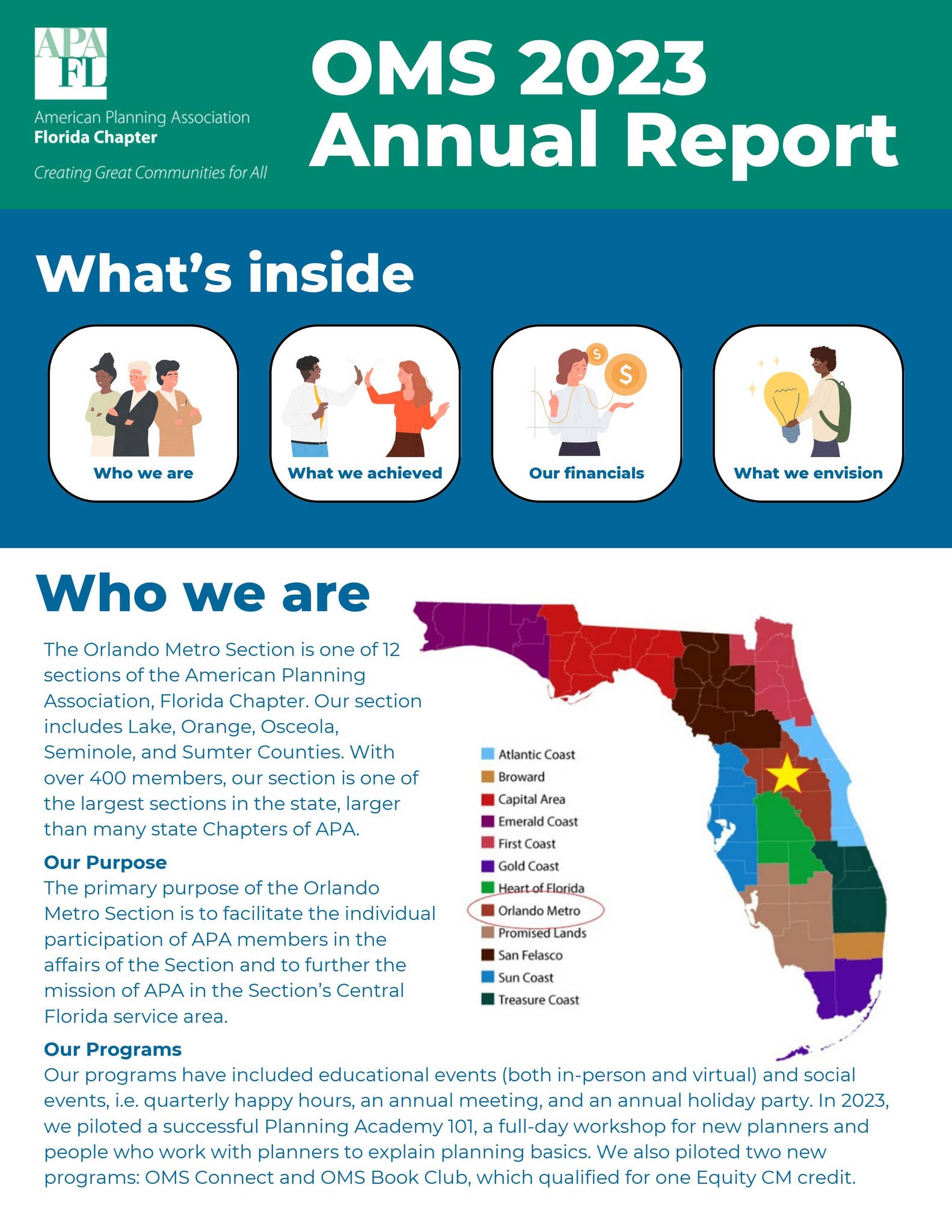
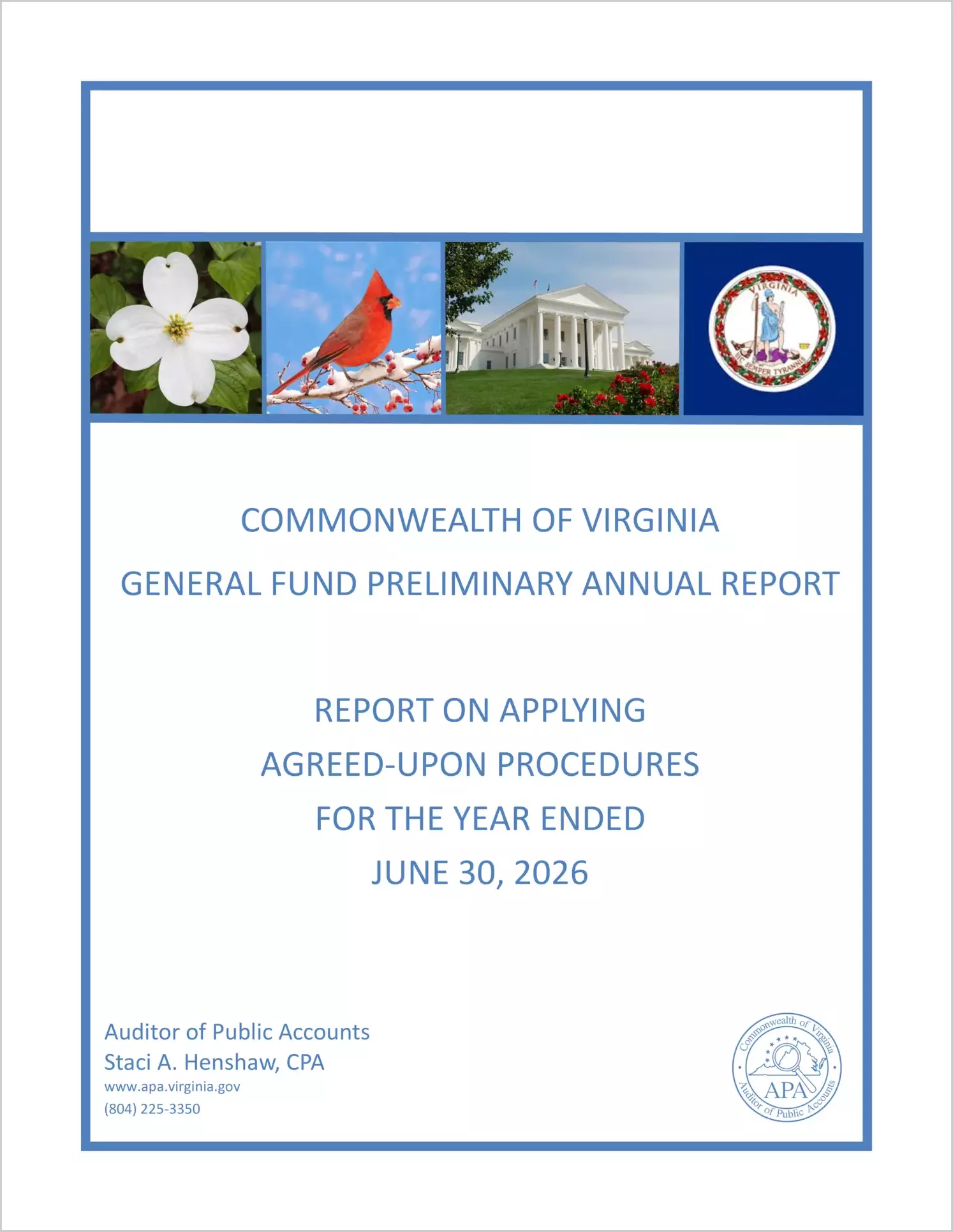
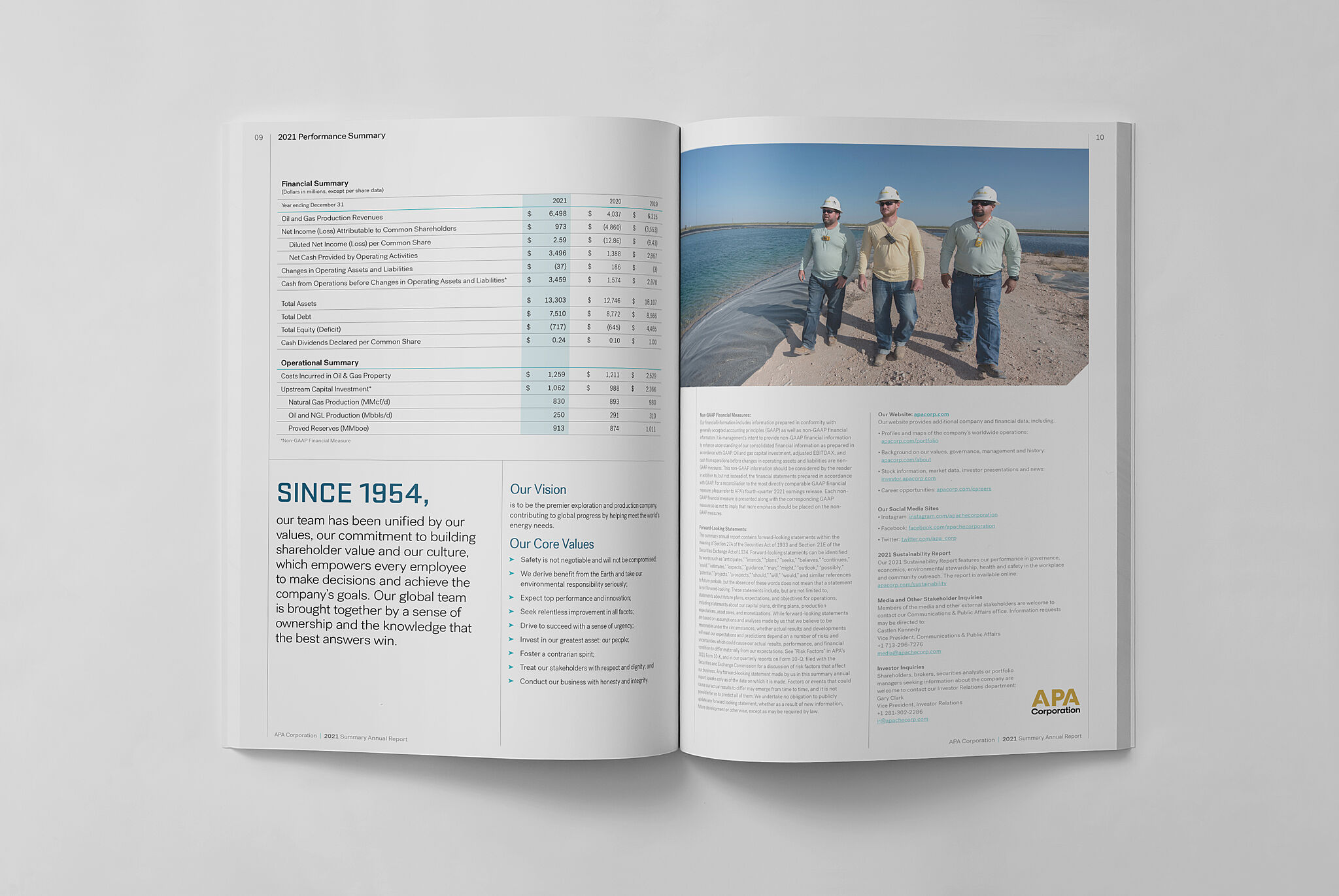
To cite an annual report in APA 7th Edition style, you generally follow the format for a report by a group author. The citation consists of the corporate author name, the year of publication, the italicized title of the report, and the direct URL. If the publisher is the same as the author, you omit the publisher name to avoid redundancy.
The annual report remains a cornerstone of financial and academic research, providing a comprehensive overview of a company's performance, strategy, and fiscal health over the preceding year. In the academic and professional spheres of 2026, citing these documents accurately is essential for maintaining the integrity of financial analyses, case studies, and business reports. While the core principles of the American Psychological Association (APA) 7th Edition remain the standard, the shift toward digitized, interactive, and integrated reporting has introduced nuances in how researchers credit these sources.
Understanding the Core Components of an APA Citation
Creating a precise APA citation requires identifying four primary elements: the author, the date, the title, and the source. For an annual report, these elements often carry specific requirements that differ from citing a book or a journal article.
The Author: Individual vs. Group Authorship
In the vast majority of cases, an annual report does not have a single named individual as the author. Instead, it is credited to a group author—the corporation, government agency, or non-profit organization that issued the report. When citing a group author, you must use the full, official name of the entity.
Do not abbreviate the organization’s name in the reference list. For example, use "International Business Machines" or "IBM" depending on how they identify on the report's cover, but avoid informal shorthand. If the report was produced by a specific department within a larger organization, the larger organization is generally listed as the author.
The Date: Publication Year
The publication year is typically the year the report was released to the public, which may be different from the fiscal year the report covers. For instance, a report covering the 2025 fiscal year is often published in early 2026. In your citation, use the year of publication. If no date is available, use "(n.d.)" for "no date," though this is rare for formal financial filings.
The Title: Formatting and Case
The title of the report should be written in sentence case and italicized. Sentence case means you capitalize only the first word of the title, the first word of any subtitle, and any proper nouns. Many annual reports have simple titles like Annual report 2025 or 2025 sustainability and annual report. Ensure the year included in the title matches the document title exactly, even if it differs from the publication year.
The Source: Publisher and URL
In APA 7th Edition, a significant rule change simplified the source element. If the author of the report and the publisher are the same (which is standard for corporate annual reports), you do not list the publisher name a second time. After the italicized title, you move directly to the URL. The URL should be a "live" link that leads the reader directly to the report or the page where the report can be downloaded.
Formatting the Reference List Entry
The reference list is where you provide the full details of the source. For an annual report found online (the most common format in 2026), use the following structure:
Template: Group Author. (Year). Title of report. URL
Example (Corporate Report): Apple Inc. (2025). 2024 annual report. https://investor.apple.com/investor-relations/default.aspx
Example (Non-Profit Report): American Red Cross. (2026). 2025 annual report: Delivering hope. https://www.redcross.org/publications/annual-reports.html
Handling SEC Filings (Form 10-K)
In the United States, public companies must file a Form 10-K with the Securities and Exchange Commission (SEC). While often used interchangeably with an annual report, the 10-K is a specific legal filing. If you are citing the 10-K specifically, include that designation in the title.
Example (10-K Filing): Target Corporation. (2026). Form 10-K for the fiscal year ended January 31, 2026. https://www.sec.gov/edgar/searchedgar/companysearch.html
In-Text Citations for Annual Reports
In-text citations point the reader to the corresponding entry in the reference list. These follow the author-date format and can be either parenthetical or narrative.
Parenthetical Citations
A parenthetical citation appears at the end of a sentence or a specific claim. It includes the group author and the year, separated by a comma.
- (Microsoft Corporation, 2025)
Narrative Citations
A narrative citation incorporates the author's name into the sentence itself, with the year following in parentheses.
- According to the Microsoft Corporation (2025), the shift toward decentralized AI infrastructure...
Using Abbreviations in In-Text Citations
If a group author has a long name and a well-known abbreviation, you may abbreviate the name in subsequent citations if you introduce the abbreviation in the first citation.
- First citation: (International Monetary Fund [IMF], 2026)
- Subsequent citations: (IMF, 2026)
Citing Reports from Financial Databases
Many researchers access annual reports through specialized databases like Bloomberg, Mergent Online, or FactSet. If the report you are viewing is the same as the publicly available version, you should still cite it as a standard online report using the company's URL.
However, if you are citing a proprietary report or a data compilation generated by the database, the database becomes the author or source. This is a crucial distinction. For a standard annual report found via a database, skip the database information and link to the company's investor relations page if possible. This ensures that readers without access to expensive proprietary databases can still locate the source.
Annual Reports vs. Sustainability and ESG Reports
In 2026, the distinction between a traditional annual report and a Sustainability or Environmental, Social, and Governance (ESG) report has become increasingly important. Many companies now issue "Integrated Reports" that combine financial and ESG data.
When citing these, the title is the primary differentiator. If a company issues two separate documents, ensure you are citing the correct one for your specific claim. A claim about carbon emissions should likely cite the Sustainability report, while a claim about net profit should cite the Annual report.
Comparison of Citation Formats by Report Type
| Report Type | Author Element | Title Format (Italicized) | Publisher Element |
|---|---|---|---|
| Standard Annual Report | The Corporation | Annual report 2025 | Omit if same as author |
| SEC Form 10-K | The Corporation | Form 10-K for the fiscal year ended... | Omit (Source is SEC URL) |
| Sustainability/ESG | The Corporation | 2025 ESG impact report | Omit if same as author |
| Non-Profit Report | The Organization | 2025 impact and financial report | Omit if same as author |
| International Org | The Agency (e.g., World Bank) | Annual report 2025: Ending poverty | Omit if same as author |
Common Mistakes to Avoid in 2026
Even experienced researchers encounter pitfalls when formatting APA citations for financial documents. Avoiding these common errors will ensure your work meets professional and academic standards.
1. Including the Publisher Location
In older versions of APA (6th edition and earlier), including the city and state of the publisher was required. In APA 7th Edition (the standard for 2026), publisher locations are no longer included. You should jump directly from the title (or publisher name if different from the author) to the URL.
2. Over-Capitalizing the Title
Because many annual reports use "Title Case" on their covers (e.g., Annual Report 2025), it is a common mistake to replicate this in the reference list. APA requires sentence case. The correct format is Annual report 2025. Only proper nouns and the first word of the title/subtitle should be capitalized.
3. Using the Fiscal Year as the Publication Year
As mentioned, the fiscal year (the period the data covers) and the publication year (when the report was released) often differ. If you are citing a report released in February 2026 that covers the 2025 fiscal year, the citation date should be (2026).
4. Forgetting the Direct Link
Linking to the general "Investor Relations" homepage is acceptable if a direct link to the PDF is unstable, but a direct link to the document is preferred. This allows the reader to verify your data with a single click, which is the primary goal of any citation system.
Practical Steps for Accurate Formatting
To ensure your citations are correct, follow this workflow:
- Download the PDF: Locate the official PDF on the company's website. The cover page usually contains the exact group author name and the title you should use.
- Verify the Date: Look at the fine print on the first or last page to find the actual publication date.
- Check for "Group Author" Rules: If you are citing a subsidiary (e.g., Instagram), determine if the report is issued by the subsidiary or the parent company (e.g., Meta Platforms, Inc.). Cite the entity that actually published the report.
- Format the URL: Copy the full URL from your browser. In 2026, most word processors will automatically format this as a hyperlink. APA style allows for either blue, underlined links or plain black text, provided the link is functional.
Frequently Asked Questions
Do I need to include the date I accessed the annual report?
In APA 7th Edition, retrieval dates are only required if the source is designed to change over time and is not archived (like a live stock ticker or a Wikipedia page). Since annual reports are static, archived documents, an access date is not required unless specifically requested by your instructor or publisher.
How do I cite an annual report found on a website like Yahoo Finance?
If you found the report on a secondary news or finance site, try to locate the original version on the company’s own "Investor Relations" page first. If you must cite the version on Yahoo Finance, the "Source" element would be the Yahoo Finance URL. However, citing the original corporate source is always more authoritative.
What if the annual report is only available in an interactive web format?
Some companies have moved away from PDFs toward "interactive" annual reports. In this case, use the same format: Group Author. (Year). Title of report. URL. The title remains the name of the interactive site (e.g., 2025 interactive annual report).
Can I use a citation generator for annual reports?
While citation generators are helpful, they often struggle with group authors and sentence case for titles. Always manually check the output against the APA 7th Edition rules to ensure the publisher isn't listed twice and the title capitalization is correct.
How do I cite an annual report from a foreign company?
Cite the company by its official name as it appears on the report. If the report is in a language other than English, provide the original title and then a translation of the title in brackets immediately following the original.
- Example: Toyota Motor Corporation. (2026). 2025 kessan tanshin [2025 financial results]. https://www.toyota.co.jp/...
Final Recommendation for Researchers
When citing an annual report in 2026, prioritize clarity and direct access. As financial reporting becomes more complex with the integration of AI-driven data and ESG metrics, the accuracy of your citations serves as a map for others to follow your logic. Always use the official corporate name as the author, apply sentence case to the italicized title, and provide a direct URL. This approach not only adheres to APA standards but also reinforces the transparency and credibility of your own research.