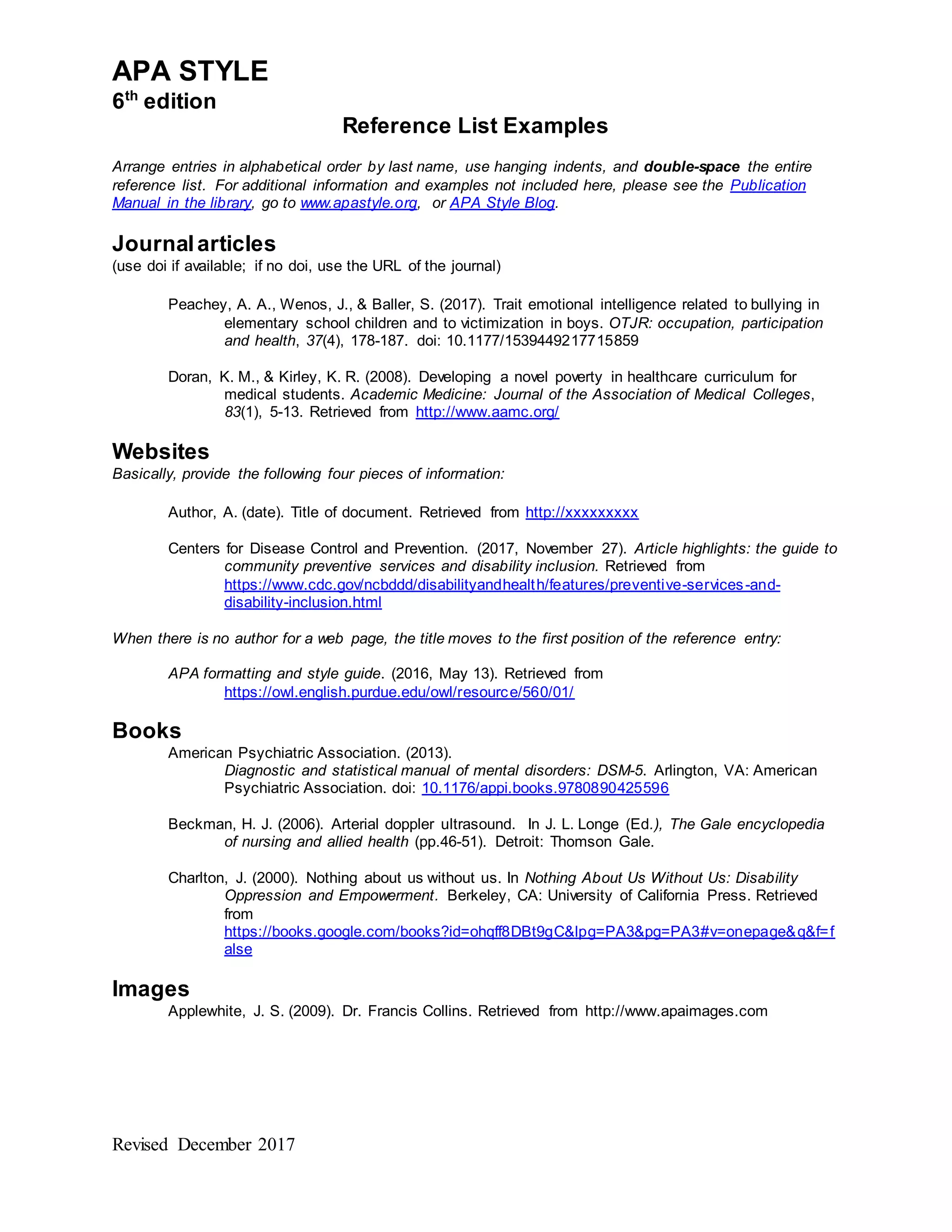
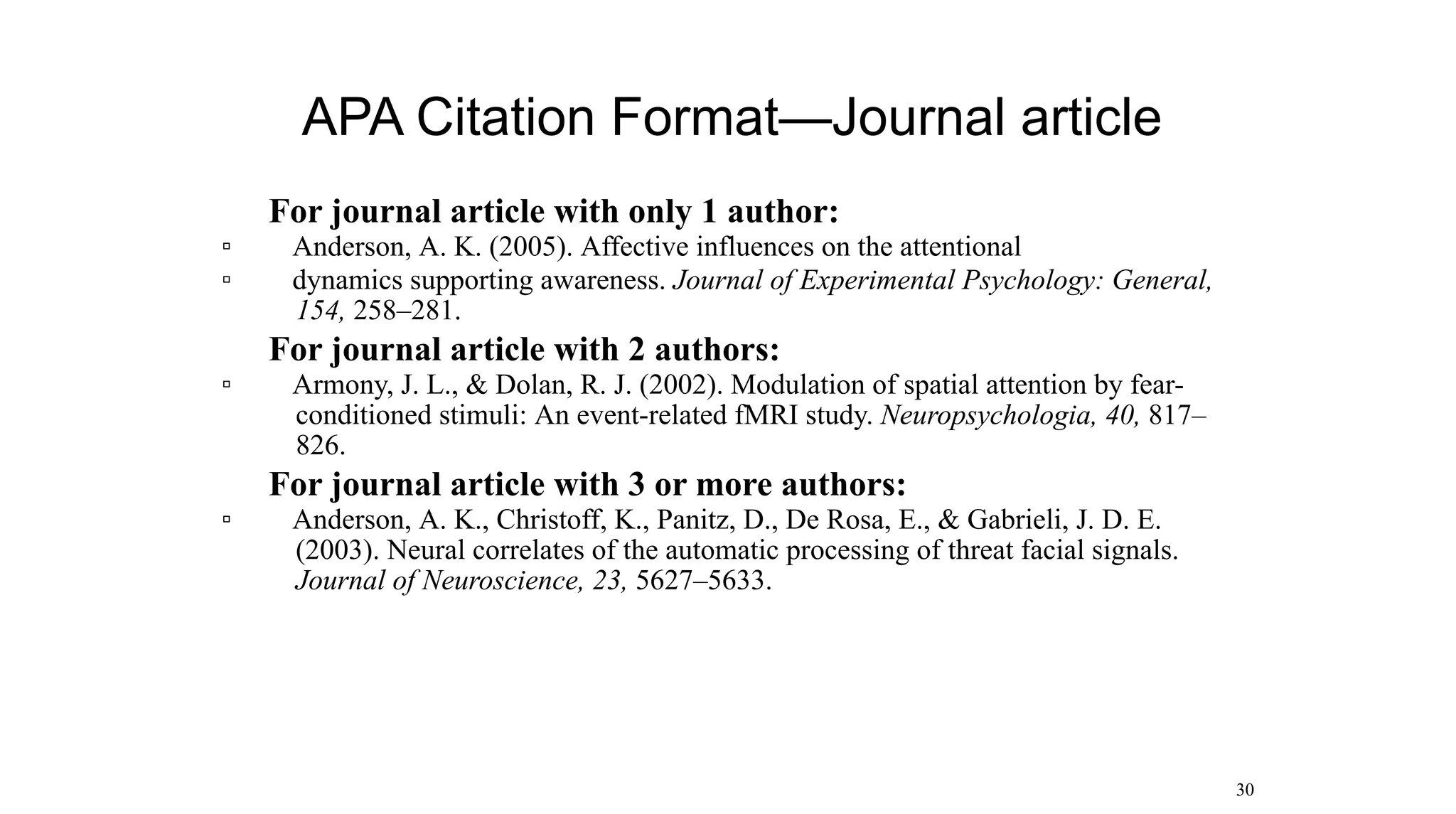
To cite an online article in APA format (7th edition), list the author’s last name and initials, the full publication date in parentheses, the article title in sentence case, the name of the website or publication in italics, and the direct URL or DOI. This structure ensures your readers can locate the source efficiently while maintaining academic integrity.
The landscape of digital publishing is vast, encompassing everything from peer-reviewed scholarly journals to digital news outlets and specialized blogs. As we move through 2026, the American Psychological Association (APA) 7th Edition remains the definitive standard for social sciences, education, and business writing. Mastering the nuances of citing online content is no longer a niche skill but a fundamental requirement for any researcher or student operating in a digital-first environment.
The Fundamental Components of an APA Online Article Citation
Every APA citation is built upon four foundational pillars: Who (the author), When (the date), What (the title), and Where (the source/location). When dealing with online articles, these pillars must be adapted to account for the fluidity of digital content, where page numbers are often absent and URLs may change.
The Author: Establishing Responsibility
In APA style, the author is the individual or group responsible for the content. For online articles, this is usually a person, but it can also be an organization (e.g., the World Health Organization).
- Individual Authors: List the surname followed by initials. For example: Smith, J. D.
- Multiple Authors: Use a comma to separate up to 20 authors. For 21 or more, use an ellipsis after the 19th name and then add the final author's name.
- Group Authors: If the article is published by an organization without a specific byline, use the organization’s full name as the author.
The Date: Navigating Timelines
Online content is often updated frequently. APA requires the most specific date available. For news articles and blog posts, this includes the year, month, and day. For scholarly journal articles, usually only the year is required.
- Format: (Year, Month Day).
- Missing Dates: If no date is provided, use the abbreviation (n.d.) for "no date."
The Title: Describing the Work
The title of the article should be in sentence case. This means you only capitalize the first word of the title, the first word of the subtitle (after a colon), and any proper nouns. Unlike the website name, the article title is not italicized when it is part of a larger publication like a newspaper or journal.
The Source: Identifying the Location
The "Where" component for online articles usually consists of the publication name (e.g., The New York Times) in italics, followed by the URL or the Digital Object Identifier (DOI). The DOI is preferred for scholarly works because it provides a permanent link to the content, whereas URLs can break over time.
Specific Formatting for Online News and Magazine Articles
Citing a digital news article requires a slight variation from traditional print citations. Because online news sites are updated daily, the exact date is crucial for tracking the version of the story the researcher accessed.
Digital Newspaper Articles
When citing an article from a website like The Washington Post or The Guardian, the format is as follows:
Template: Author, A. A. (Year, Month Day). Title of article. Name of Publication. URL
Example: Roberts, L. (2026, January 14). The shift toward sustainable urban infrastructure. The Global Post. https://www.globalpost.com/sustainability/urban-shift
In this example, notice that "The Global Post" is italicized, but the article title is not. This distinction helps the reader quickly identify the container (the website) versus the specific piece of content.
Online Magazine Articles
Online magazines often follow a monthly or seasonal schedule. Even if the article appears on a website, if the publication identifies as a magazine, you should include the volume and issue number if they are available. However, most modern digital-only magazines omit these, in which case you simply follow the news format.
Citing Scholarly Journal Articles with and without DOIs
Scholarly articles are the backbone of academic research. In 2026, the vast majority of these are accessed through databases or publisher websites. APA 7th Edition treats these differently based on the presence of a DOI.
Articles with a DOI
A DOI is a unique alphanumeric string assigned by a registration agency to identify content and provide a persistent link to its location on the internet. If a DOI is available, it must be included in the reference.
Template: Author, A. A., & Author, B. B. (Year). Title of article. Title of Periodical, Volume(Issue), Page range. https://doi.org/xxxxxxx
Key Rules for DOIs:
- Present the DOI as a functional link (starting with https://doi.org/).
- Do not put a period after the DOI, as it may interfere with the link’s functionality.
- If a DOI is present, do not include the URL of the database or website.
Articles without a DOI from a Database
If you are using a scholarly article from an academic research database (like EBSCOhost, ProQuest, or JSTOR) that does not have a DOI, the citation typically ends after the page range. You do not need to include the database name or the URL for most academic databases, as these are considered "works of limited circulation" or standard academic repositories.
Articles without a DOI from the Open Web
If the article is not from a database and does not have a DOI (for example, a peer-reviewed article on a private foundation's website), include the URL of the article at the end of the citation.
Practical Comparison Table: Citation Types
| Source Type | Author Format | Date Format | Title Style | Source Name (Italicized) | Location Component |
|---|---|---|---|---|---|
| Online News | Last, F. M. | (Year, Month Day) | Sentence case | Website Name | URL |
| Journal (DOI) | Last, F. M. | (Year) | Sentence case | Journal Name | DOI Link |
| Blog Post | Last, F. M. | (Year, Month Day) | Sentence case | Blog Name | URL |
| Org Report | Organization Name | (Year, Month Day) | Title Italicized | N/A | URL |
| Wiki Entry | Group Author | (n.d.) | Sentence case | Wiki Name | URL + Retrieval Date |
In-Text Citations for Online Articles
In-text citations point the reader to the full reference list at the end of the document. APA uses the author-date system.
Parenthetical vs. Narrative Citations
- Parenthetical: Place the author's name and the year in parentheses at the end of the sentence. (Example: Sustainable urban planning is essential for future growth (Roberts, 2026).)
- Narrative: Incorporate the author's name into the sentence naturally, followed by the year in parentheses. (Example: Roberts (2026) argues that sustainable urban planning is essential for growth.)
Handling Missing Page Numbers
One of the most common challenges with online articles is the absence of page numbers for direct quotes. APA provides three alternatives:
- Paragraph Numbers: Count the paragraphs from the top and use "para." (Example: "Green roofs reduce heat islands" (Roberts, 2026, para. 4).)
- Heading or Section Name: Use the name of the heading the quote falls under. (Example: "Green roofs reduce heat islands" (Roberts, 2026, Urban Solutions section).)
- Abbreviated Heading: If the heading is very long, use a shortened version in quotation marks.
Missing Information and Troubleshooting
Rarely is online metadata perfect. Researchers often encounter articles missing authors or dates.
No Author
If no individual or organizational author can be identified, move the Title of the Article to the author position.
- Reference List: The future of AI. (2026). Tech Weekly. https://techweekly.com/future-ai
- In-Text: ("The Future of AI," 2026) — Note that for in-text citations, use "Title Case" and quotation marks for the title.
No Date
Use the abbreviation (n.d.) in both the reference list and the in-text citation.
- Example: Smith, J. (n.d.). Understanding data ethics. Ethics Portal. https://ethicsportal.org/data-ethics
Retrieval Dates: When are they necessary?
In APA 7th Edition, retrieval dates (e.g., "Retrieved January 15, 2026, from...") are generally not required for online articles unless the content is designed to change frequently and is not archived. This applies to things like:
- Live dashboards or weather maps.
- Wikipedia entries (which can change by the minute).
- Social media feeds.
For most news articles and journal articles, the content is considered "final" once published, so a retrieval date is omitted.
Formatting the Reference List Page
The reference list is where all your citations live at the end of your paper. Consistency here is vital for professional presentation.
- Heading: Center the word References in bold at the top of a new page.
- Alphabetical Order: Arrange entries alphabetically by the first author's last name.
- Hanging Indent: The first line of each citation is flush left. Every subsequent line of the same citation should be indented 0.5 inches.
- Spacing: The entire list should be double-spaced, with no extra gaps between entries.
- Hyperlinks: In 2026, it is standard practice to keep URLs and DOIs as live, blue, underlined links if the document is being read digitally. For papers intended for print, plain black text is acceptable.
Common Mistakes to Avoid
Even seasoned writers can stumble on the specific nuances of APA format for online articles. Awareness of these pitfalls will improve your accuracy.
- Italicizing the Wrong Title: A common error is italicizing the article title instead of the publication/website name. Remember: the "container" (the larger work) gets the italics.
- Including "Retrieved from": This was a requirement in the 6th edition but has been largely removed in the 7th edition unless a retrieval date is used.
- Inconsistent Capitalization: Many writers default to "Title Case" for article titles. APA specifically requires "sentence case" in the reference list.
- Using Database URLs: For scholarly articles, do not use the long, session-specific URL provided by your library's search bar (e.g., http://proxy.library.edu/login...). Use the DOI or the publisher’s homepage URL instead.
- Forgetting the DOI: If a DOI exists, you must use it. Searching the Crossref database can help you find a DOI if it isn't listed on the article itself.
Frequently Asked Questions
How do I cite an online article with no page numbers in the text?
For direct quotes, use the paragraph number (e.g., para. 5) or the section heading. If the article is short and has no headings, you may omit the location entirely, though providing the author and year is still required. For paraphrasing, you do not need to provide a paragraph number, though it is encouraged for long works.
Should I include the website name if it's the same as the author?
When the author of an online article is an organization that also owns the website, you should omit the site name from the source element to avoid repetition. For example, if the author is the "World Health Organization," you would list them as the author and proceed directly to the URL after the article title.
What is the difference between a URL and a DOI?
A URL (Uniform Resource Locator) specifies the location of a file on a server, which can change if the website is restructured. A DOI (Digital Object Identifier) is a permanent link assigned to a specific piece of intellectual property. APA prefers DOIs because they ensure the reference remains "findable" even if the publisher moves the article to a new web address.
Can I use a URL shortener like Bitly for APA citations?
APA recommends using the full, original URL. However, if the URL is excessively long (taking up several lines of text), you may use a shortened URL provided it leads directly to the source. Most academic publishers and news sites provide "short links" or "permanent links" (Permalinks) on the page; these are always preferred over third-party shorteners.
How do I cite an article from a social media site?
If the "article" is actually a post on a platform like LinkedIn or X (formerly Twitter), the format changes. You use the author's name and handle, the date, and the first 20 words of the post as the title in italics, followed by the site name and URL. However, if the post links to an external article, you should cite the actual article, not the social media post that shared it.
Practical Recommendation for 2026 Researchers
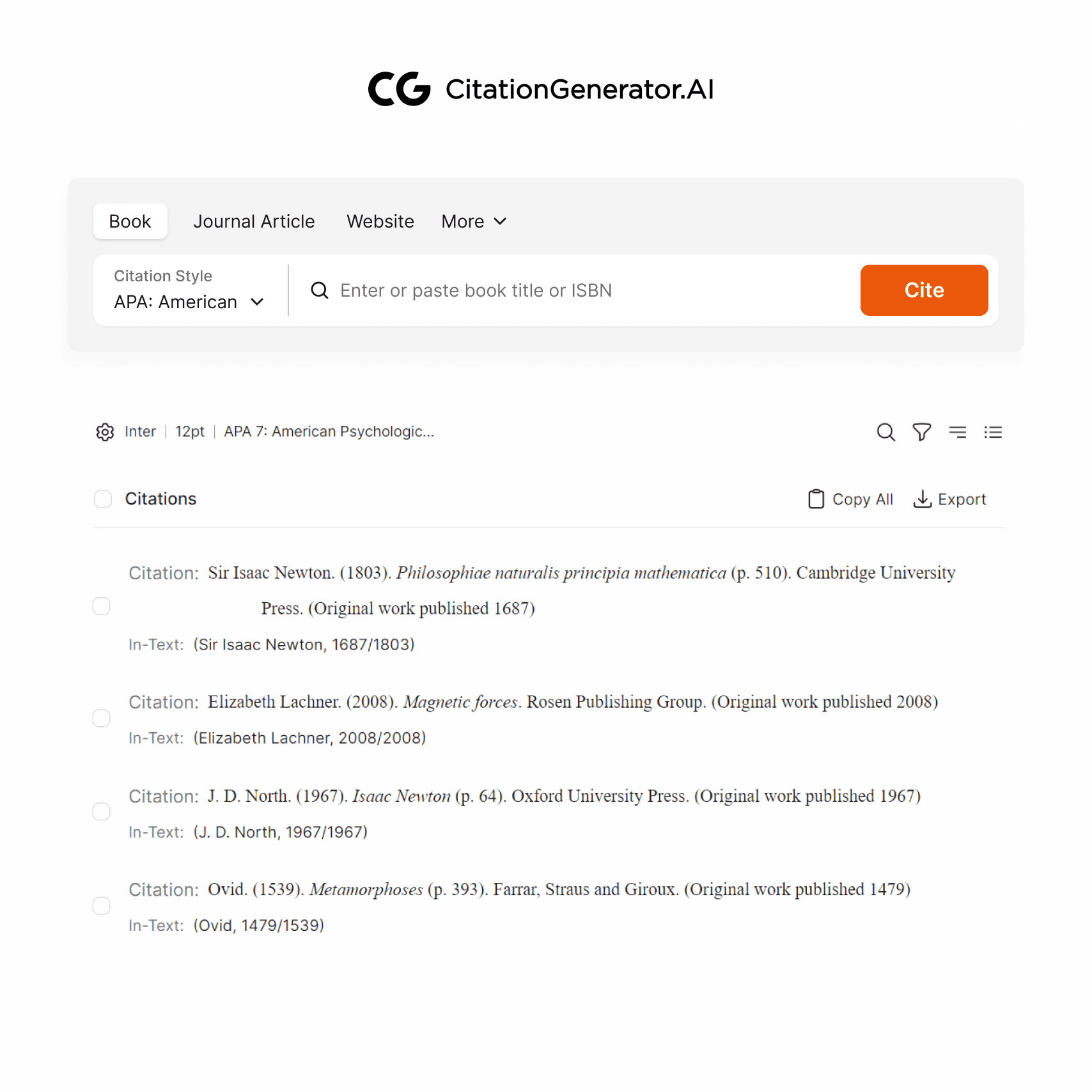
To maintain the highest level of accuracy, use a citation manager like Zotero, Mendeley, or EndNote. These tools allow you to "clip" online articles directly from your browser, capturing the DOI, author metadata, and publication date automatically. However, always perform a manual "sanity check" against the APA 7th Edition rules outlined in this guide. Digital metadata is frequently incomplete, and the writer—not the software—is ultimately responsible for the accuracy of the citations.
If you are working on a high-stakes project, such as a thesis or a professional publication, double-check your DOIs using the official Crossref Metadata Search to ensure the link is active and points to the correct version of the article.