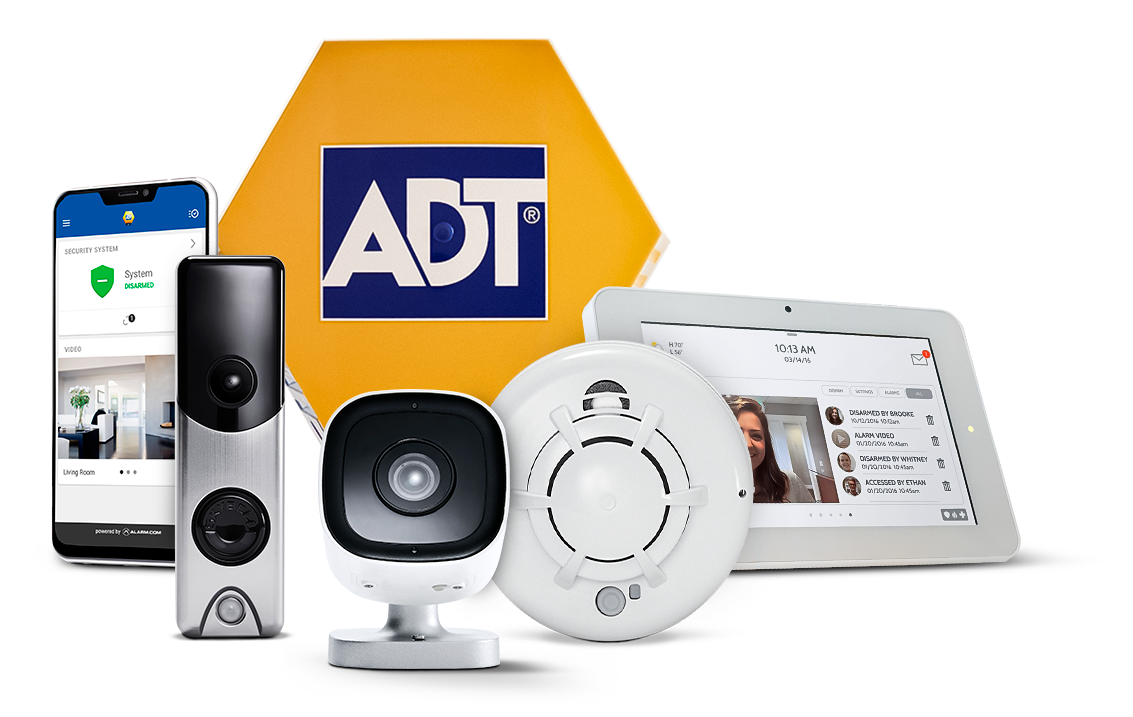
An ADT home alarm system delivers comprehensive residential security through 24/7 professional monitoring, hazard detection, and smart home automation. Available via professional installation or direct DIY setup, ADT pairs customized sensors and Google Nest cameras with dedicated cellular command hubs to protect properties against physical break-ins, fires, carbon monoxide leaks, and water damage.
Understanding the ADT Security Ecosystem
ADT Inc. remains one of the longest-operating security providers in North America. Its modern alarm systems have evolved from traditional, landline-dependent control boxes into cloud-connected, cellular-backed smart home protection centers. The modern ADT platform is built around two primary deployment models: ADT Smart Home Security (professionally installed) and ADT Self Setup (do-it-yourself installation with optional flexible contracts).
At the core of any ADT installation is redundant signal transmission. The platform utilizes primary Wi-Fi or Ethernet connectivity backed up by an integrated LTE cellular transmitter. This ensures that even if local power outages occur or network lines are physically cut, alarm signals continue to reach ADT’s network of redundant monitoring centers across the United States.
The security architecture focuses on three main layers of protection:
- Perimeter and Intrusion Defense: Magnetic door and window contact switches, glass break sensors, and passive infrared (PIR) motion detectors.
- Environmental Hazard Mitigation: Interconnected smoke detectors, carbon monoxide (CO) monitors, freeze monitors, and flood detection units.
- Visual Verification and Automation: Integrated HD security cameras, video doorbells, smart locks, connected thermostats, and automated lighting via Z-Wave protocols.
Core Equipment and Sensor Options
A customized ADT system uses specialized hardware designed to cover vulnerable entry points, high-traffic indoor zones, and environmental hazard areas. Understanding each hardware category helps homeowners select the right hardware density for their property layout.
- ADT Command Hub (Central Processor with Cellular & Battery Backup)
- Intrusion Detection
- Contact Sensor
- Motion Detector
- Glass Break
- Enviromental Monitoring
- Smoke/Heat
- Carbon Monox
- Flood/Freeze
- Video Surveillance
- Nest Doorbell
- Nest Cam Indoor
- Nest Cam Outdoor
- Automation Integration
- Z-Wave Locks
- Smart Plugs
- Thermostats
- Intrusion Detection
Control Panels and Command Hubs
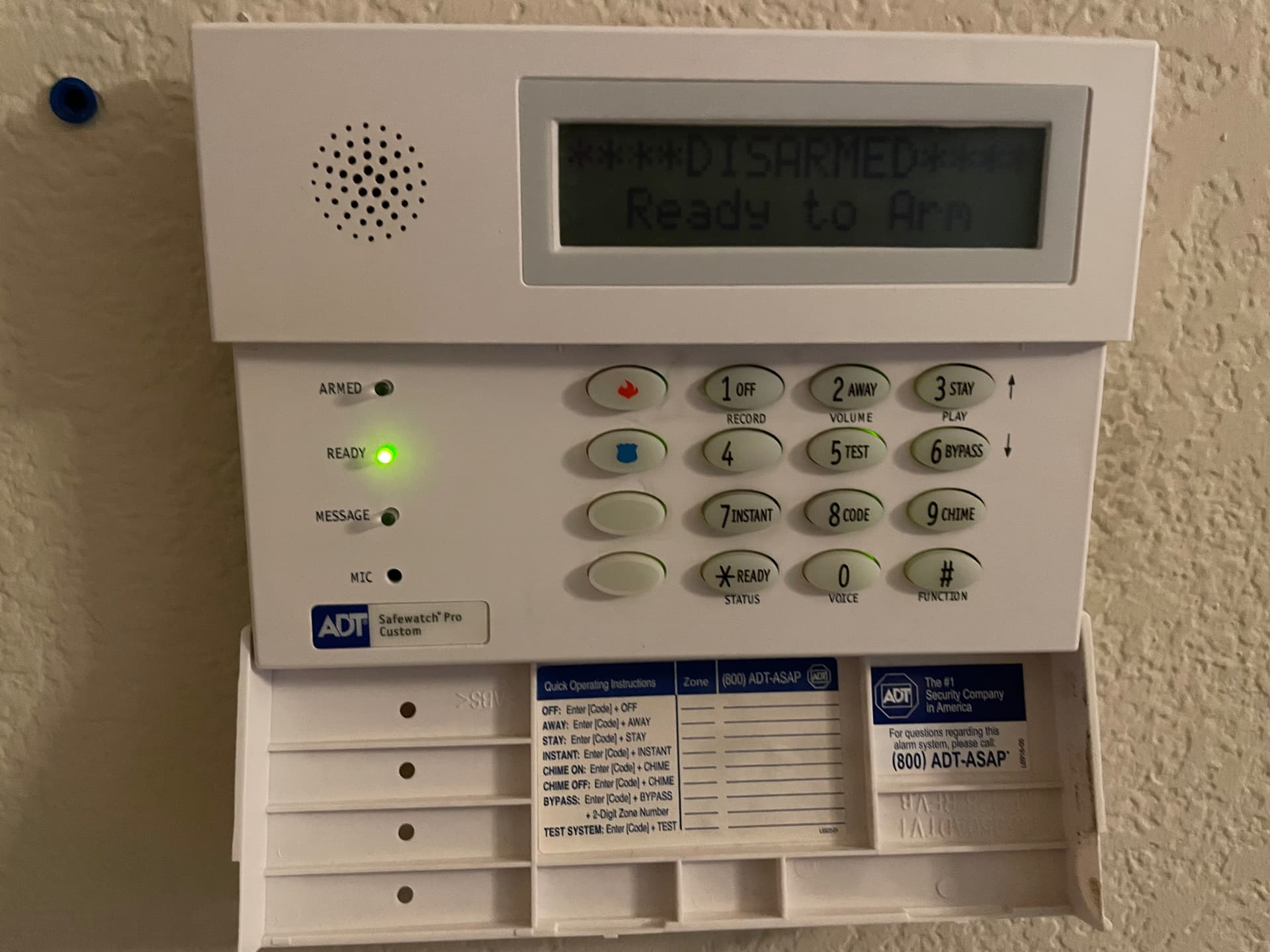
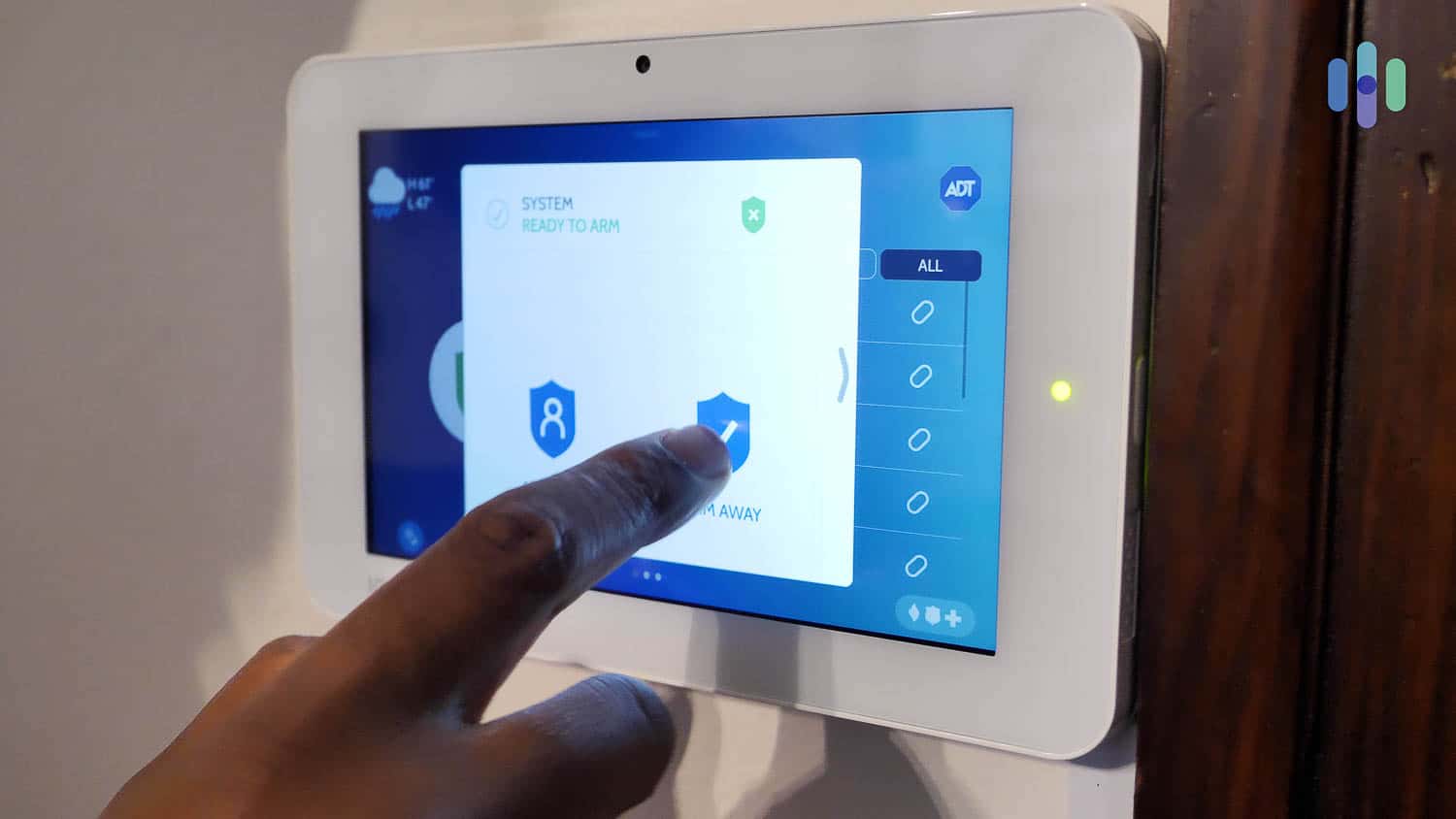
The primary hub functions as the brain of the security system. Modern professional installations typically use the ADT Command Smart Home Touchscreen, a wall-mounted or tabletop 7-inch color display panel.
Key technical characteristics of the primary hub include:
- Cellular Backup: Dedicated LTE radios operate independently of household internet to transmit emergency alerts.
- Battery Backup: An internal rechargeable lithium-ion battery powers the panel for up to 24 hours during electrical grid disruptions.
- Partitioning & Zones: Supports dozens of individual wireless zones, allowing granular naming (e.g., "Back Kitchen Window" or "Master Bedroom Motion").
- Duress Capabilities: Built-in emergency touch keys for instantly triggering Police, Fire, or Medical dispatch, along with silent duress PIN entry capabilities to alert authorities secretly under coercion.
For self-installed systems, the ADT Smart Home Hub provides a compact, screenless hub design equipped with LED status indicators, a built-in siren, and direct integration with the ADT Control mobile application.
Intrusion Detection Sensors
- Door/Window Contact Sensors: Two-piece magnetic reed switches mounted on entry frames. When the magnetic connection breaks while the system is armed, an immediate entry delay countdown or instant alarm triggers.
- Passive Infrared (PIR) Motion Sensors: Microprocessor-controlled thermal sensors designed to detect moving heat signatures across a 30 to 40-foot field of view. Modern ADT motion units incorporate pet immunity filters, ignoring animals weighing up to 60 or 80 pounds to eliminate false alarms.
- Glass Break Detectors: Audio-frequency sensors tuned to the dual acoustic signature of breaking glass—the initial low-frequency thud of impact followed by the high-frequency shatter of glass pane fracture. A single detector typically protects multiple windows within a 25-foot line-of-sight radius.
Hazard and Environmental Protection
ADT integrates environmental safety units directly into the monitored alarm loop, ensuring emergency services can be dispatched even if the home is unoccupied.
- Monitored Smoke and Heat Detectors: Combined photoelectric smoke sensors and rate-of-rise thermal detectors. Unlike standalone home smoke alarms, these units report directly to monitoring agents while triggering high-decibel local sirens.
- Carbon Monoxide (CO) Sensors: Electrochemical sensors designed to identify elevated carbon monoxide concentrations long before dangerous toxicity levels accumulate.
- Water and Freeze Sensors: Surface-contact probes placed near water heaters, sump pumps, washing machines, or basement walls to catch plumbing leaks and cold-weather pipe-freeze risks.
Video Surveillance and Google Nest Integration
ADT integrates Google Nest cameras natively into its professional and DIY platform ecosystems. Video clips, live feeds, and intelligent alerts display within both the Google Home app and the ADT Control platform.
- Nest Doorbell (Battery or Wired): Features high-definition video with HDR, a vertical 3:4 aspect ratio to view packages left on doorsteps, and intelligent alerts capable of distinguishing between people, animals, vehicles, and packages.
- Nest Cam (Indoor/Outdoor, Battery or Wired): Offers 1080p video recording, night vision, dual-band Wi-Fi connectivity, and local storage fallback in the event of temporary network loss.
- Nest Cam with Floodlight: Combines dual LED motion-activated floodlights with an integrated camera to illuminate outdoor perimeters when motion is detected.
Professional Installation vs. ADT Self Setup
Homeowners can select between professional field technician installation or self-guided installation depending on their preference for convenience, contract flexibility, and budget.
- Choose ADT Installation Type
- Professional Installation
- White-glove setup
- On-site site audit
- Complex hardwiring
- Standard 36-mo contract
- ADT Self Setup
- DIY, pre-paired kits
- No technician fees
- Optional short contract
- Plug-and-play sensors
- Professional Installation
ADT Smart Home Security (Professional Installation)
Under the professionally installed route, a certified ADT technician conducts an on-site property evaluation, recommends sensor layouts, mounts equipment, hardwires control hubs, and configures smart home connections.
- Best Suited For: Large single-family homes, multi-story properties, complex pre-wired security retrofits, and users who prefer complete hands-off installation.
- Key Advantages: Professional risk assessment, physical wiring concealment, on-site device testing, and comprehensive user training at the time of installation.
- Requirements: Typically requires a professional installation fee (varying based on system scale) and a standard long-term monitoring agreement (typically 36 months, or 24 months in California).
ADT Self Setup (DIY Installation)
ADT Self Setup allows customers to order pre-configured equipment packages online and install them without an on-site technician. Components arrive pre-paired to the central hub, allowing users to peel, stick, plug in, and activate devices using the mobile onboarding wizard.
- Best Suited For: Apartments, rental properties, condominiums, smaller single-family homes, and tech-savvy homeowners.
- Key Advantages: No professional installation charges, easy removal when moving, and flexible contract terms with optional month-to-month monitoring.
- Requirements: Users must install sensors, position cameras, configure Wi-Fi connections, and conduct their own signal checks.
Monitoring Plans, Contracts, and Subscription Tiers
A home security system's effectiveness relies heavily on the backend infrastructure processing alerts. ADT operates multiple interconnected, redundant monitoring centers throughout North America to ensure zero single-point-of-failure exposure during natural disasters or localized facility disruptions.
Professional 24/7 Monitoring and SMART Dispatch
When a sensor triggers while the system is armed, the system initiates an alert sequence:
- Signal Transmission: The hub transmits an encrypted signal containing the zone ID and alarm event type over cellular networks to ADT's monitoring grid.
- SMART Dispatch Verification: Utilizing automated alert software, ADT attempts instant text message verification (via Alarm Messenger) with household members to confirm whether an alert is a valid emergency or an accidental false alarm.
- Operator Intervention: If unconfirmed via text within seconds, a trained ADT monitoring specialist calls designated emergency contacts.
- Emergency Services Dispatch: If the alarm is confirmed or contacts fail to respond, the agent notifies local public safety answering points (PSAPs)—dispatching police, fire, or emergency medical services directly to the property address.
Contract Terms, Guarantees, and Cancellation Rules
Understanding contract commitments is essential prior to system purchasing:
- Standard Contract Term: Professionally installed systems usually carry a 36-month monitoring agreement (24 months in California).
- Early Termination Fees: Canceling a long-term contract prior to maturity usually incurs an early termination penalty equal to a set percentage (often up to 75%) of the remaining monthly balance.
- Money-Back Guarantee: ADT offers a limited 6-Month Money-Back Guarantee. This guarantee generally applies only if the system experiences technical installation or equipment defects that ADT technicians are unable to resolve after repeated service calls within the first six months.
- Theft Protection Guarantee: Under select monitoring packages, if a burglary occurs while the ADT system is armed, ADT may pay up to a specified deductible amount (typically $500) if defined insurance and eligibility requirements are met.
Smart Home Compatibility and Z-Wave Ecosystem
ADT systems function as comprehensive home automation hubs by integrating the Z-Wave radio protocol along with Wi-Fi and cloud API connections.
- ADT Control App
- Z-Wave Protocol
- Kwikset/Yale
- Smart Switches
- Thermostats
- Cloud / API Connects
- Google Nest
- Amazon Alexa
- Google Assistant
- Z-Wave Protocol
Compatible Smart Home Ecosystems
- Google Nest Integration: Deep integration allows native management of Nest thermostats, cameras, doorbells, and audio hubs within the unified ADT app infrastructure.
- Amazon Alexa & Google Assistant: Enables voice commands for system status verification, arming sequences ("Alexa, arm ADT stay"), and smart home automation rules. For security reasons, disarming typically requires a verbal spoken PIN.
- Smart Locks (Yale, Kwikset, Schlage): Z-Wave door locks allow users to remotely unlock doors, create timed entry codes for guests, and automatically disarm the alarm system upon entering a valid access code on the door lock.
- Smart Lighting and Thermostats: Allows users to build automated rules, such as scheduling lighting routines to simulate occupancy while away or lowering climate control temperature target values when the security system is set to "Away."
ADT System Comparison: Hardware, Monitoring, and Setup
The following table outlines the key differences between ADT’s core service offerings to help identify the proper configuration for your home.
| Feature / Metric | ADT Smart Home Security (Pro-Install) | ADT Self Setup (DIY) | Traditional Base Systems |
|---|---|---|---|
| Primary Installation Method | Certified Professional Technician | User-Installed (Peel-and-Stick / Desktop) | Technician or Self-Setup |
| Contract Requirement | Standard 36 Months (24 Months in CA) | Month-to-Month or Optional Contract | Standard 36 Months |
| Primary Panel | 7-inch Touchscreen ADT Command Panel | ADT Smart Home Hub | Standard Keypad / Control Box |
| Camera Platform | Integrated Google Nest Cams & Doorbells | Integrated Google Nest Cams & Doorbells | Analog / Legacy IP Cameras |
| Home Automation Protocol | Z-Wave, Wi-Fi, Bluetooth | Z-Wave, Wi-Fi | Limited / Z-Wave Module Required |
| Cellular Backup | Included Standard | Included with Monitoring Plan | Optional / Add-on Module |
| Target Residence Type | Single-Family Homes, Large Estates | Apartments, Condos, Rental Properties | Small Commercial / Standard Homes |
| Upfront Cost Structure | Low-to-Moderate Equipment + Install Fee | Upfront Equipment Cost | Variable Equipment Package |
Costs and Monthly Fee Breakdown
Evaluating an ADT alarm system requires dividing expenses into three distinct components: hardware costs, installation fees, and ongoing monthly monitoring costs.
Upfront Costs
- Equipment Costs: Base starter packages begin around $200 to $400 for elementary door/window sensor bundles and scale upward to $1,000–$2,000+ for large properties requiring full indoor/outdoor camera arrays, multi-door locks, glass break coverage, and comprehensive hazard detection. Equipment can be paid upfront or financed via monthly installment plans for qualified buyers.
- Installation Fees: Professional setup fees generally range from $99 to $199+ depending on system complexity, total sensor counts, and camera wiring requirements. Self Setup packages feature $0 installation fees.
Ongoing Monthly Subscription Costs
Monthly fees cover 24/7 monitoring center connections, cellular line transmission, mobile app access, cloud video recording, and smart device controls.
- Basic Monitoring Tier ($29 - $39/month): Covers essential 24/7 intrusion monitoring, panic alerts, and environmental hazard tracking via cellular connection. (App access and video options may be restricted at entry levels).
- Smart Home Automation Tier ($40 - $50/month): Adds mobile remote access via the ADT Control app, Z-Wave smart lock/thermostat automation controls, and custom push notifications.
- Complete Video & Smart Home Tier ($50 - $60+/month): Includes full 24/7 professional monitoring, smart home automation, continuous camera integration via Google Nest, event-driven video storage, and intelligent video analysis.
Common Operational Considerations and Maintenance
Maintaining optimal system operation requires basic ongoing system maintenance and operational routine checks.
Preventing False Alarms
False alarms strain public safety resources and can trigger city fines from local law enforcement agencies. Common causes include:
- Improper Sensor Mounting: Mounting motion sensors directly opposite heating vents or large sunny windows can cause thermal air movements that trigger PIR sensors.
- Unsecured Doors and Windows: Drafts blowing open unlatched doors or loose windows will break magnetic sensor contacts.
- Pet Movement: Placing non-pet-immune PIR sensors near furniture where pets can climb into the sensor's direct field of view.
Battery Maintenance
Most wireless door/window contacts and motion sensors run on CR123A or CR2 standard lithium coin/cylinder batteries.
- Battery Lifespan: Wireless sensors typically operate 3 to 5 years under normal usage conditions.
- Low Battery Notifications: The control panel and mobile application report low battery states weeks before total failure occurs. Replacing sensor batteries promptly prevents zones from dropping off the network or generating false tamper alerts.
Power Outage Operations
During power loss:
- The control hub automatically switches over to its rechargeable internal backup battery, maintaining security protection for up to 24 hours.
- Cellular transmission ensures monitoring signals continue sending without requiring active home internet routers or local electrical grid power.
Frequently Asked Questions
Does an ADT security system work if the internet goes down?
Yes. ADT control hubs feature integrated cellular backup transmitters. If your home broadband connection fails or local electrical power goes out, the system routes alarm signals securely to ADT monitoring centers via nationwide LTE cellular networks.
Can I install an ADT home alarm system myself?
Yes. ADT offers ADT Self Setup, a DIY line of security products. Equipment arrives pre-configured to your central hub, allowing quick installation using peel-and-stick mounting adhesives and straightforward mobile app activation without requiring a professional technician on site.
How long is a standard ADT contract?
For professionally installed systems, ADT standard monitoring agreements are typically 36 months (24 months in California). Self Setup options offer flexible month-to-month monitoring plans without long-term contractual commitments.
Do Google Nest cameras work directly with ADT?
Yes. ADT has a strategic partnership with Google. Google Nest Doorbells, Nest Cams, and Nest Floodlights integrate directly into the ADT platform. Users can view live video feeds, access cloud recordings, and receive intelligent alerts within both the ADT Control app and the Google Home app.
What happens if I move to a new house?
ADT provides relocation programs (such as the ADT Moving Guarantee). Depending on your contract terms and system setup, ADT can help you transfer your existing self-setup hardware to your new home or assist in configuring a new professionally installed security system at your new address.
Final Verdict: Is ADT Right for Your Home?
An ADT home alarm system remains a strong choice for homeowners and renters who prioritize long-established 24/7 professional monitoring, rapid emergency response dispatch, and high-quality hardware integrations like Google Nest.
- Choose ADT Professional Installation if you own a larger single-family home, want comprehensive physical white-glove setup, desire full smart-home automation with Z-Wave components, and are comfortable committing to a 36-month monitoring agreement.
- Choose ADT Self Setup if you live in an apartment, condo, or rental property, want zero professional installation fees, need mobile hardware portability, and prefer flexible, contract-free monitoring options.
Before purchasing, perform a thorough walk-through of your home perimeter, inventory all ground-level doors and accessible windows, and review your local city permit requirements for residential alarm systems.