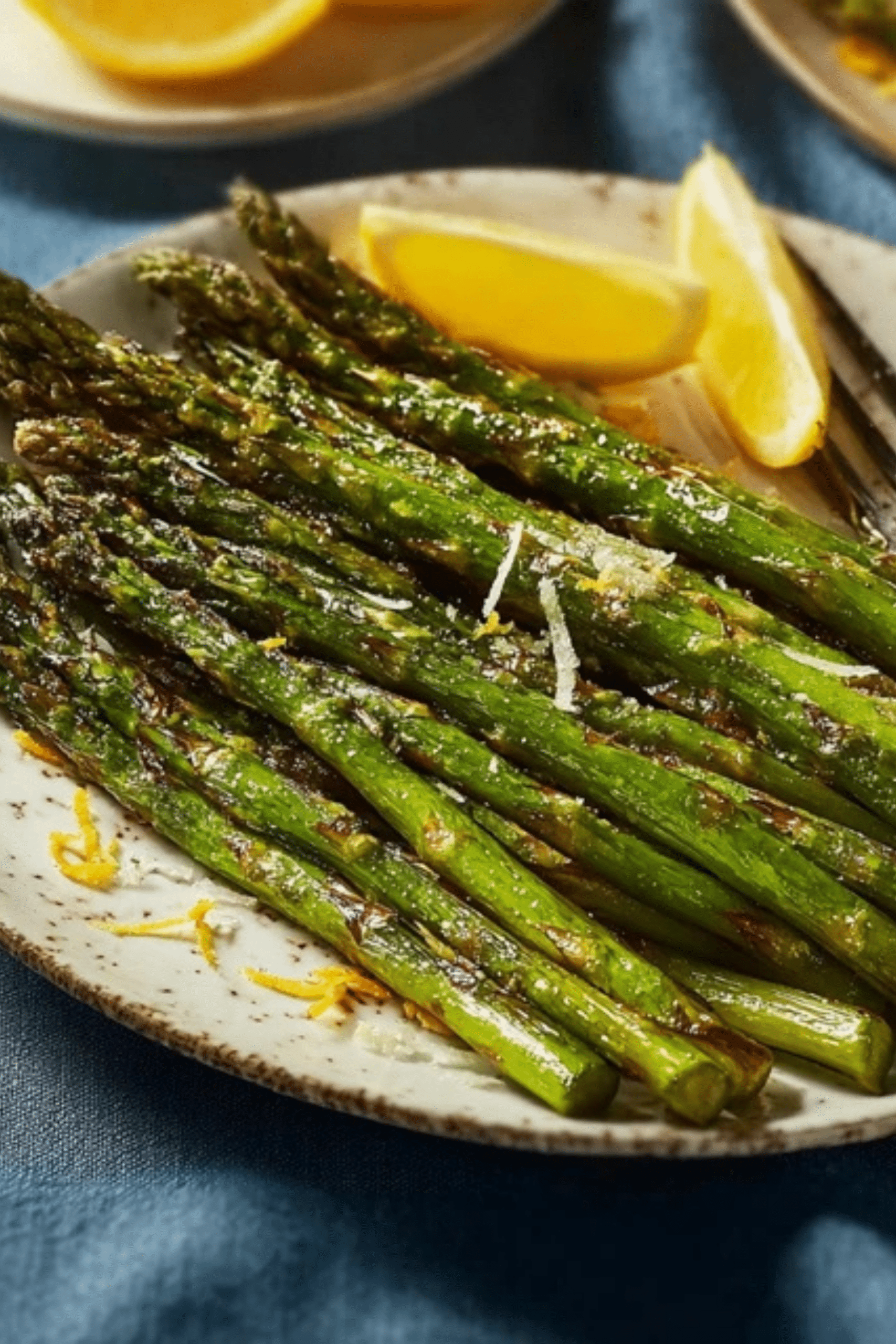
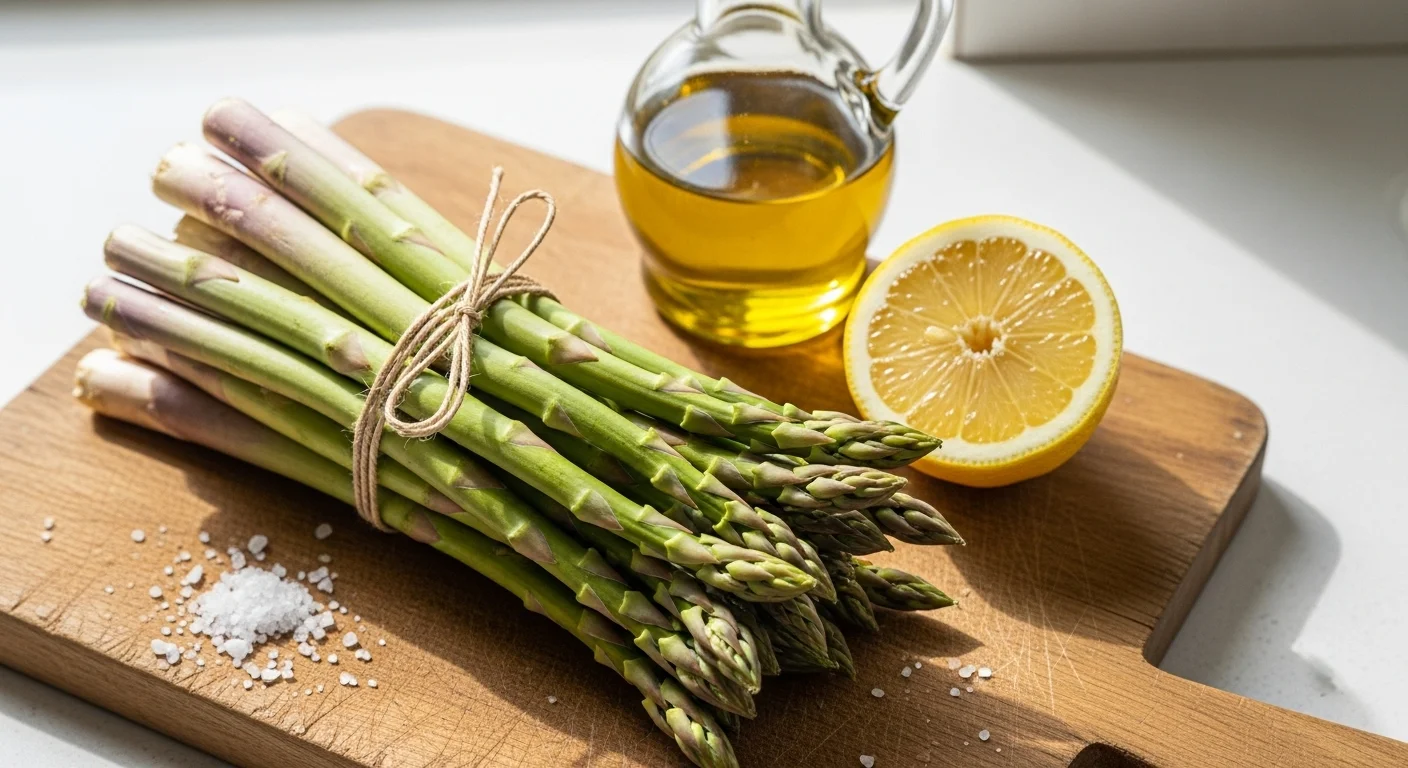
To achieve the perfect crisp-tender texture, asparagus cooking times typically range from 2 to 5 minutes for boiling or steaming, and 8 to 15 minutes for roasting at 400°F (204°C). The exact duration depends heavily on the thickness of the stalks, the specific cooking method employed, and the desired level of "snap."
Asparagus is a versatile perennial vegetable that demands precision in the kitchen. In 2026, as home culinary technology continues to evolve with more precise induction cooktops and high-efficiency convection ovens, understanding the fundamental relationship between heat and the cellular structure of asparagus remains essential. Overcooking results in a dull, olive-drab color and a mushy texture due to the breakdown of cell walls, while undercooking leaves the stalks woody and difficult to chew. This guide provides a deep dive into the timing, techniques, and variables required to master this seasonal delicacy.
Understanding the Variables of Asparagus Timing
Before setting a timer, one must evaluate the physical characteristics of the asparagus on hand. Unlike many other vegetables, asparagus varies significantly in diameter, which is the primary factor influencing heat penetration.
Stalk Thickness and Heat Transfer
Asparagus is generally categorized into three sizes:
- Pencil-thin: These delicate stalks are often the first of the spring harvest. They cook very rapidly and are prone to overcooking within seconds. They are ideal for high-heat, short-duration methods like sautéing or quick blanching.
- Medium: The most common variety found in grocery stores, these offer a balance between a tender exterior and a meaty interior.
- Jumbo/Thick: These stalks have a robust structure. Contrary to popular belief, thick asparagus is not necessarily "older" or tougher; it simply grows from a more established root system. These require longer cooking times and often benefit from peeling the lower third of the stalk to ensure the outside doesn't become mushy before the core is tender.
The Role of Freshness
In 2026, supply chain transparency allows many consumers to know exactly when their produce was harvested. Freshness impacts moisture content. A freshly harvested spear is turgid and full of water, which conducts heat more efficiently. As asparagus ages, it loses moisture and the lignified fibers at the base become more pronounced, potentially requiring slightly longer cooking times or more aggressive trimming.
Essential Preparation: The "Snap" and the Trim
To ensure consistent cooking times, preparation is a non-negotiable prerequisite. The woody base of the asparagus contains high concentrations of lignin, a complex organic polymer that makes the plant cell walls rigid. No amount of boiling will make this section pleasant to eat.
- The Snap Test: Take a single stalk and bend it near the bottom. It will naturally snap at the point where the woody texture ends and the tender stalk begins. While traditional, this can be wasteful.
- The Uniform Cut: For professional results and even cooking, line up the stalks and slice off the bottom 1 to 2 inches with a sharp chef’s knife. This ensures all spears are the same length, which is crucial for even heat distribution in a pan or roasting tray.
Cooking Times by Method
1. Boiling and Blanching
Boiling is the fastest way to cook asparagus and is preferred when the vegetable is being served cold in a salad or as part of a vegetable platter.
- Thin Stalks: 1.5 to 2 minutes.
- Medium Stalks: 2 to 3 minutes.
- Thick Stalks: 4 to 5 minutes.
Technique: Use a large pot of heavily salted water. The salt increases the boiling point slightly and helps "fix" the green chlorophyll, preventing it from turning gray. Immediately after the timer goes off, submerge the stalks in an ice-water bath (shocking) to stop the residual heat from continuing the cooking process.
2. Steaming
Steaming is often considered the superior method for preserving water-soluble vitamins, such as Vitamin C and B vitamins, which can leach out during boiling.
- Thin Stalks: 3 minutes.
- Medium Stalks: 5 minutes.
- Thick Stalks: 6 to 8 minutes.
Technique: Place a steamer basket over an inch of boiling water. Ensure the water does not touch the asparagus. Cover tightly to trap the steam. Because steam is hotter than boiling water but transfers heat differently, the window for "perfect" doneness is slightly wider than with boiling.
3. Oven Roasting
Roasting relies on dry heat and the Maillard reaction—a chemical reaction between amino acids and reducing sugars that gives browned food its distinctive flavor.
- Standard Roasting (400°F / 204°C): 10 to 15 minutes.
- High-Heat Roasting (425°F / 218°C): 8 to 12 minutes.
Technique: Toss the spears in olive oil, salt, and pepper. Spread them in a single layer on a sheet pan; overcrowding will cause them to steam rather than roast, resulting in a soggy texture. In modern 2026 convection ovens, you may need to reduce these times by 10-15% due to the increased efficiency of airflow.
4. Sautéing and Pan-Searing
This method allows for the addition of aromatics like garlic, shallots, or lemon zest directly into the cooking process.
- Thin/Medium Stalks: 5 to 7 minutes.
- Thick Stalks: 8 to 10 minutes.
Technique: Use a wide skillet over medium-high heat. Use a combination of oil (for high smoke point) and butter (for flavor). Stir or toss frequently. For very thick stalks, some chefs add a tablespoon of water and cover the pan for the first 2 minutes to "steam-fry" the core before uncovering to crisp the exterior.
5. Grilling
Grilling adds a smoky charred dimension to asparagus that is difficult to replicate indoors.
- Medium/Thick Stalks: 5 to 8 minutes over direct medium-high heat.
Technique: Use a grill basket or lay the spears perpendicular to the grill grates to prevent them from falling through. Close the lid for part of the time if you prefer a more tender tip. Thick stalks are significantly better for the grill than thin ones, which can shrivel and char too quickly.
6. Air Frying
In the current 2026 culinary landscape, the air fryer has become a standard appliance for rapid vegetable preparation.
- Temperature: 375°F (190°C).
- Thin Stalks: 5 to 6 minutes.
- Medium/Thick Stalks: 7 to 9 minutes.
Technique: Lightly coat the asparagus in oil. The high-velocity air circulation in an air fryer is exceptionally good at crisping the tips while keeping the stalks tender. Shake the basket halfway through the cycle to ensure even exposure.
Comprehensive Asparagus Cooking Time Comparison Table
| Method | Temperature/Heat Setting | Thin Stalks (Time) | Thick Stalks (Time) | Recommended Use Case |
|---|---|---|---|---|
| Boiling | High / Rolling Boil | 2 mins | 4-5 mins | Cold salads, Meal prep |
| Steaming | High / Vapor | 3 mins | 6-8 mins | Health-conscious sides |
| Roasting | 400°F (204°C) | 8-10 mins | 12-15 mins | Dinner parties, Caramelization |
| Sautéing | Medium-High | 5 mins | 8-10 mins | Quick weeknight meals |
| Grilling | Medium-High | 4-5 mins | 7-10 mins | Outdoor BBQ, Smoky flavor |
| Air Frying | 375°F (190°C) | 5-6 mins | 8-10 mins | Maximum crunch, Convenience |
| Microwave | High Power | 2-3 mins | 4-5 mins | Ultra-fast prep |
Factors That Alter Standard Timing
While the table above provides a reliable baseline, certain conditions will necessitate adjustments to your timer.
Variety-Specific Adjustments
- Green Asparagus: The standard. Follow the times listed above.
- White Asparagus: Popular in European cuisine, white asparagus is grown underground to prevent photosynthesis. It has a much tougher, fibrous skin. It must be peeled from just below the tip to the base and usually requires an additional 2 to 4 minutes of cooking time compared to green asparagus to soften its dense core.
- Purple Asparagus: This variety has a higher sugar content and is often more tender. However, the anthocyanins (the pigments that make it purple) are heat-sensitive. If boiled, purple asparagus will turn green. To preserve the color, cook it quickly over high heat (sauté or roast) for the minimum recommended time.
Altitude and Atmospheric Pressure
If you are cooking at high altitudes (above 3,000 feet), the boiling point of water is lower. This means boiling or steaming will take longer—sometimes up to 20% more time—to reach the same level of tenderness. Conversely, dry heat methods like roasting or air frying are less affected by altitude but may require slightly more oil to prevent the exterior from drying out before the interior is cooked.
The Impact of Acids
Adding acidic ingredients like lemon juice or balsamic vinegar during the cooking process can interfere with the breakdown of hemicellulose in the plant's cell walls, potentially slowing down the softening process. Furthermore, acid reacts with chlorophyll to produce pheophytin, which turns the vegetable an unappetizing brown. For the best results, add acidic finishes after the asparagus is removed from the heat.
How to Test for Doneness
Avoid relying solely on a timer. Use these physical cues to verify if your asparagus is ready:
- The Fork Test: A fork should easily pierce the thickest part of the stalk with minimal resistance, but the stalk should still hold its shape when lifted. If it droops completely, it is likely overcooked.
- The Color Cue: For green asparagus, the color should shift from a muted green to a vibrant, "electric" green. Once it begins to fade toward olive or brown, the flavor profile changes from sweet and nutty to bitter.
- The Knife Tip: Use the tip of a paring knife to slice a small piece of the base. It should feel like cutting through softened butter, but with a slight, clean "snap" at the very end.
Troubleshooting Common Issues
"My asparagus is stringy despite long cooking."
This is usually a result of failing to trim enough of the woody base or using very thick stalks without peeling the outer skin. As mentioned previously, the bottom of the spear becomes lignified. If the asparagus is older, this woodiness can extend further up the stalk. In 2026, many high-end grocery stores sell "kitchen-ready" trimmed asparagus, but it is always safer to trim another quarter-inch if the ends look dry or white.
"The tips are burnt but the stalks are raw."
This occurs most often during roasting or grilling. The tips are the most delicate part of the plant and contain the least amount of water. To prevent this, ensure the stalks are well-coated in oil. When roasting, you can position the tips toward the cooler part of the oven (usually the front) or lightly tent the tips with foil halfway through the cooking process.
"The asparagus is slimy."
Sliminess is a definitive sign of overcooking in a moist-heat environment (boiling or steaming). Once the cell walls collapse entirely, the internal moisture leaks out, creating a slick texture. If this happens, the asparagus is best used in a blended soup where the texture can be masked.
Storage and Reheating
To maintain the integrity of the cooking time, proper storage is required. Asparagus should be treated like cut flowers: trim the bottoms and stand them in a jar with an inch of water in the refrigerator.
When reheating, avoid the microwave if possible, as it tends to turn the vegetable rubbery. Instead, a quick flash in a hot pan (1-2 minutes) or 3 minutes in a 350°F air fryer will restore the texture without making it mushy.
FAQs
Do I need to peel thick asparagus stalks?
While not strictly necessary for safety, peeling the bottom half of jumbo asparagus stalks is highly recommended for texture. The outer skin of very thick spears can be tough and fibrous. Peeling allows the thick stalk to cook at the same rate as the tender tip, ensuring a uniform bite throughout the entire spear.
Why does my asparagus turn gray-green after cooking?
This is caused by overcooking or the introduction of acid (like lemon juice) too early. Heat eventually breaks down the chlorophyll molecule, replacing the magnesium center with hydrogen, resulting in a color change. To keep it bright green, cook for the minimum time required and add lemon juice only when serving.
Can I cook frozen asparagus without thawing?
Yes, but the results differ from fresh. Frozen asparagus has already been blanched, meaning its cell walls are partially broken down. It is best cooked from frozen using high-heat methods like air frying or sautéing for 5-7 minutes. Avoid boiling frozen asparagus, as it often becomes quite soft.
Is it better to cook asparagus whole or cut into pieces?
Cooking whole spears is traditional and provides a better presentation. However, if you are incorporating asparagus into a pasta dish or stir-fry, cutting them into 2-inch bias-cut pieces ensures faster, more even cooking. When cut, the cooking time typically drops by 20-30%.
Does white asparagus really take that much longer to cook?
Yes. Because white asparagus is grown in a way that makes it denser and more fibrous, it generally requires about 50% more cooking time than green asparagus. It also requires thorough peeling, as the skin is bitter and does not soften significantly during the cooking process.
Final Recommendation for Perfect Results
For the most consistent results, oven roasting at 400°F (204°C) for 12 minutes remains the gold standard for medium-thickness asparagus. This method provides the best balance of flavor development through browning and texture control. Always check your asparagus 2 minutes before the timer is set to go off, as every batch of produce and every oven performs slightly differently.