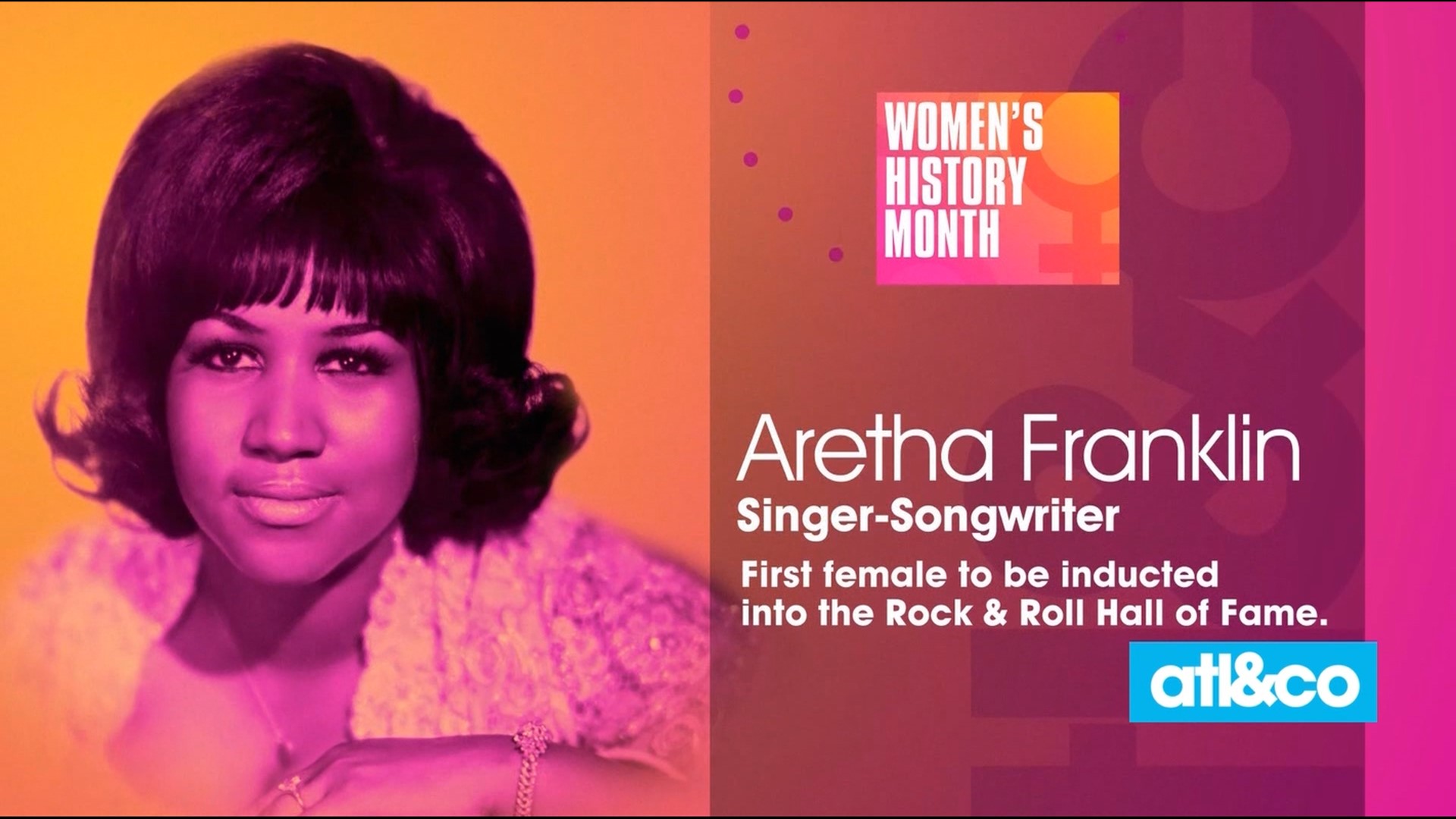
Aretha Franklin became a mother at the age of 12, giving birth to her first son, Clarence, in 1955. This profound and early experience shaped the trajectory of her life, influencing her artistic evolution and the protective, private nature she maintained regarding her family throughout her illustrious career.
The life of Aretha Franklin is synonymous with the history of American music. As the "Queen of Soul," her voice defined generations, yet the narrative of her personal life was often characterized by a rigorous commitment to privacy. Among the most significant aspects of her early life—and one that was frequently shielded from the intense media glare of the 1960s and 70s—was her transition into motherhood during her formative adolescent years. Understanding this period requires an examination of the social environment of mid-1950s Detroit, the support structure provided by her family, and how she balanced these responsibilities with her burgeoning career as a gospel and R&B icon.
The Context of Adolescence in 1950s Detroit
To understand the revelation of Aretha Franklin’s early motherhood, one must look at the climate of the era. Born in Memphis in 1942 and raised in Detroit, Franklin was the daughter of the prominent preacher C.L. Franklin. By the mid-1950s, she was already a fixture in her father’s church, New Bethel Baptist, where her vocal gifts were becoming legendary.
The birth of her first child, Clarence, in 1955, occurred when Franklin was just 12 years old. In the social climate of the 1950s, such an event for a young girl in the public eye—particularly the daughter of a high-profile religious leader—was often met with societal stigma. Consequently, the family operated within a protective bubble. The responsibility of child-rearing fell significantly upon the shoulders of the family unit, specifically her grandmother, Rachel, and her sister, Erma, which allowed Aretha to continue her education and her pursuit of music while navigating the realities of being a young mother.
The Early Years of Parenthood: Balancing Music and Motherhood
The timeline of Franklin’s early motherhood is marked by two significant births during her youth. Following the birth of Clarence in 1955, she welcomed her second son, Edward, in 1957. By the time she was 15, Franklin was the mother of two children.
This dual reality—the demands of a burgeoning recording career and the essential needs of her young sons—created a unique domestic arrangement. C.L. Franklin’s household was an environment where music and faith were the primary pillars. By delegating some of the day-to-day caregiving to her support network, Aretha was able to eventually transition into secular music, signing with Columbia Records in 1960. Critics and biographers often point to the maturity required to manage these conflicting pressures as a primary catalyst for the deep emotional resonance found in her early recordings. Her ability to channel life experience into song became a hallmark of her delivery.
Chronology of Franklin’s Children
Understanding the full scope of Franklin’s family life necessitates a clear look at her children. While the early 1950s represented the most private period of her life, her dedication to her children remained a constant throughout the subsequent decades.
| Child | Year of Birth | Context of Early Life |
|---|---|---|
| Clarence | 1955 | Born when Aretha was 12; primary care supported by the Franklin family. |
| Edward | 1957 | Born when Aretha was 15; raised alongside his brother in Detroit. |
| Ted White Jr. | 1964 | Born during her marriage to Ted White; later became a musician. |
| Kecalf Cunningham | 1970 | Born to Aretha and Ken Cunningham; a hip-hop artist and minister. |
The Impact on Artistic Depth
The revelation and subsequent public acknowledgment of Franklin’s early motherhood did little to hinder her ascent; rather, it provided a depth of experience that is rare for a performer of her age in the 1960s. The emotional weight of songs like "Respect" or "Ain't No Way" can often be traced back to the maturity forced upon her at such a young age.
When researchers and biographers look back at the 1960s, they often note that Franklin’s voice possessed a "lived-in" quality. This was not merely talent; it was the result of a girl who had seen more of the world’s complexities—joy, duty, judgment, and sacrifice—before her peers had even graduated from high school. By the time she began recording her seminal albums for Atlantic Records in the late 1960s, she was not just an artist; she was a woman who had navigated profound life changes with a level of resilience that defined her public persona.
Maintaining Privacy and Control
Throughout her career, Aretha Franklin was famously protective of her sons. She frequently engaged in disputes with the press regarding the reporting of her private life, often demanding corrections if she felt the narrative surrounding her early motherhood was sensationalized. Her strategy was simple: focus on the work.
In interviews during the 1970s and 80s, she navigated questions about her personal life by directing the conversation back to her craft, her ministry, and her community work. She understood that in the music industry, the perception of an artist’s personal history could be used to pigeonhole them. By maintaining absolute control over the narrative, she ensured that the public’s relationship with her was defined by the music, while the reality of her motherhood remained a private matter preserved for her inner circle.
The Legacy of Her Motherhood
By the 2010s, and particularly leading up to her passing in 2018, the conversation surrounding Franklin’s early motherhood shifted from a point of potential scandal to one of profound strength. The narrative changed to reflect how she successfully balanced raising four sons while becoming the most successful female vocalist of her era.
Her sons, each with their own relationship to her musical legacy, grew up in a household that, while private, was saturated with excellence. This speaks to the "hidden" side of the Queen of Soul: the mother who ensured that despite her international fame, her children remained grounded. The consistency of her parental role during the height of her touring years is a testament to the organizational and emotional discipline she cultivated starting in the mid-1950s.
Frequently Asked Questions
Did Aretha Franklin’s family hide the birth of her children?
The Franklin family did not hide the existence of the children, but they did work to maintain a level of privacy that protected Aretha from the intense media scrutiny of the era. The children were raised in the family home in Detroit, surrounded by siblings and family, allowing Aretha to maintain her career while ensuring her sons were cared for in a familiar, supportive environment.
How did becoming a mother at 12 affect her career?
Becoming a mother at 12 accelerated Aretha’s maturity. Biographers generally agree that the emotional gravity, resilience, and depth of soul she brought to her performances were products of the life lessons learned during her formative years. While it added layers of complexity to her scheduling and personal life, it provided an emotional baseline that informed her legendary vocal delivery.
How many children did Aretha Franklin have in total?
Aretha Franklin had four sons: Clarence, Edward, Ted White Jr., and Kecalf. Each child represented a different period of her life and career, and she remained a committed mother to all four throughout her life.
Was the father of her first child ever identified?
Aretha Franklin was notably private about the paternity of her children. While there has been much speculation in biographies and investigative reports over the decades, she maintained a strict policy of not discussing the specific personal details of her children's fathers in public, prioritizing her children's privacy over media interest.
Where can I find verified records of this period of her life?
Because Franklin’s early life was a private family matter handled outside of the public spotlight, the most accurate accounts come from reputable biographies that obtained direct insight from the family, such as "Respect: The Life of Aretha Franklin" by David Ritz, which provides a detailed look at the familial dynamics of the Franklin household.
Next Steps for Researchers and Fans
For those interested in a deeper dive into the life of the Queen of Soul, the best approach is to cross-reference primary source interviews with the official accounts provided by authorized biographies. Rather than relying on tabloid-style speculation, one should focus on the timeline of her artistic output relative to her family milestones to understand how the woman, not just the icon, evolved. To continue your learning, seek out the archives of her father’s church or established music history journals that focus on the cultural development of the Detroit music scene in the mid-20th century.