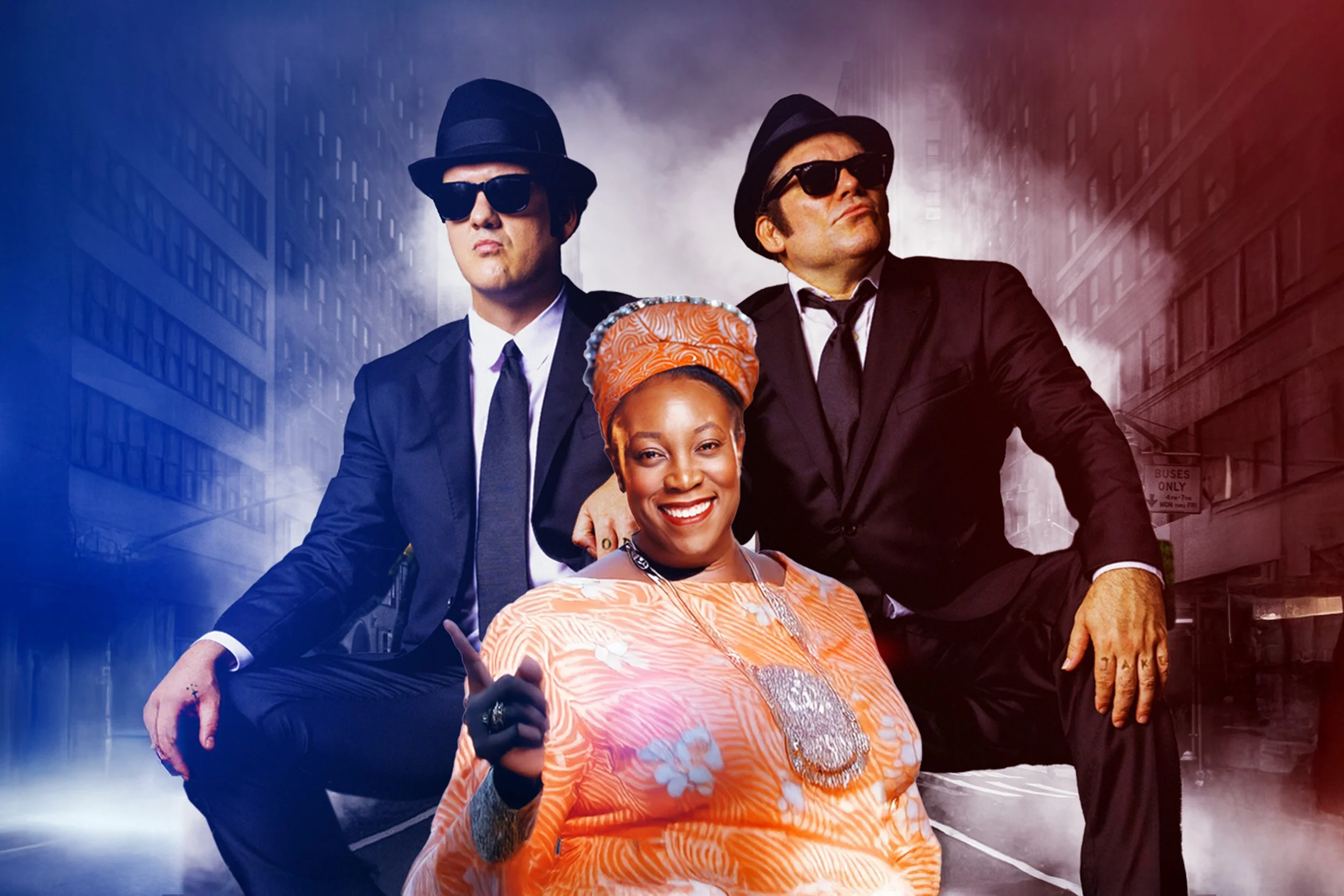
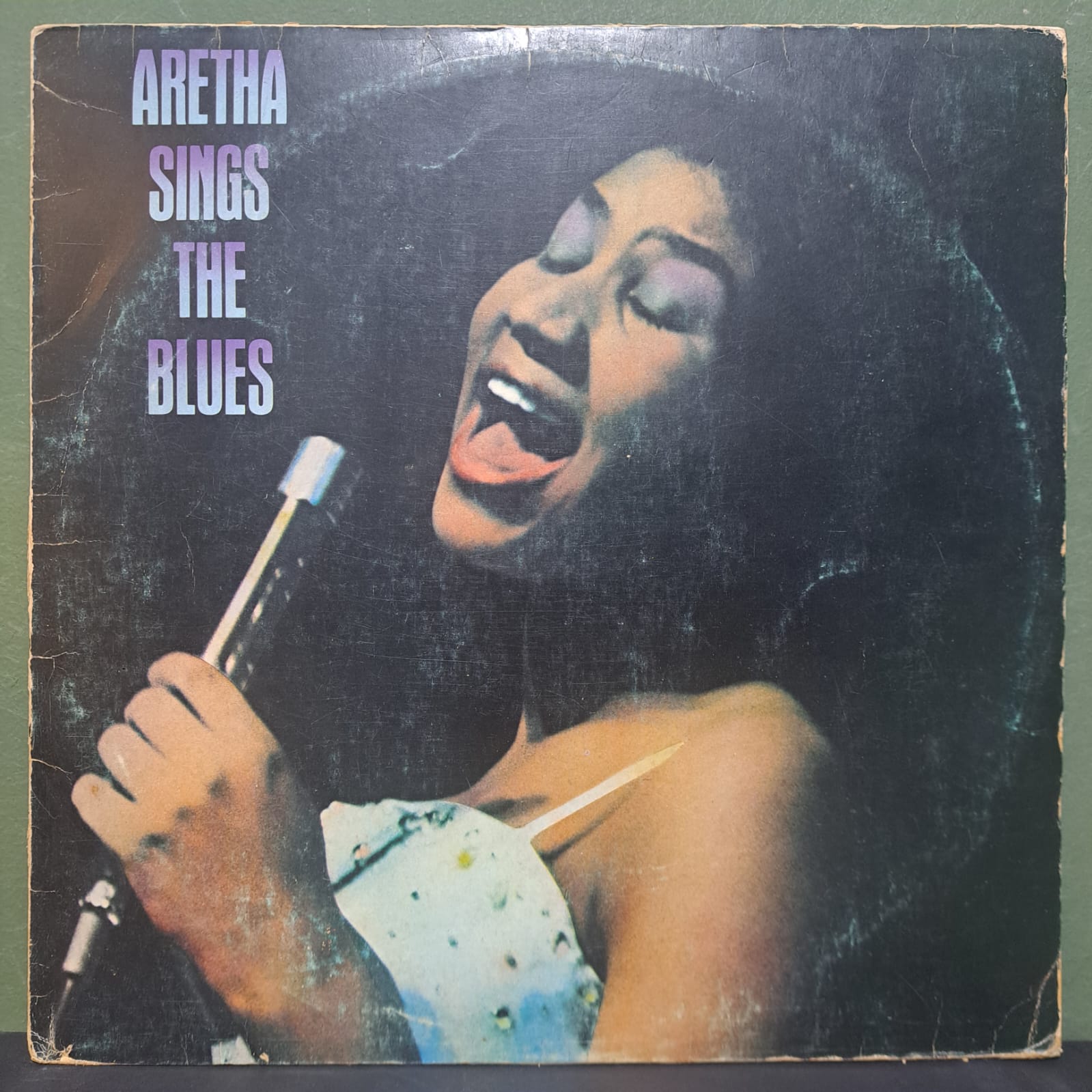
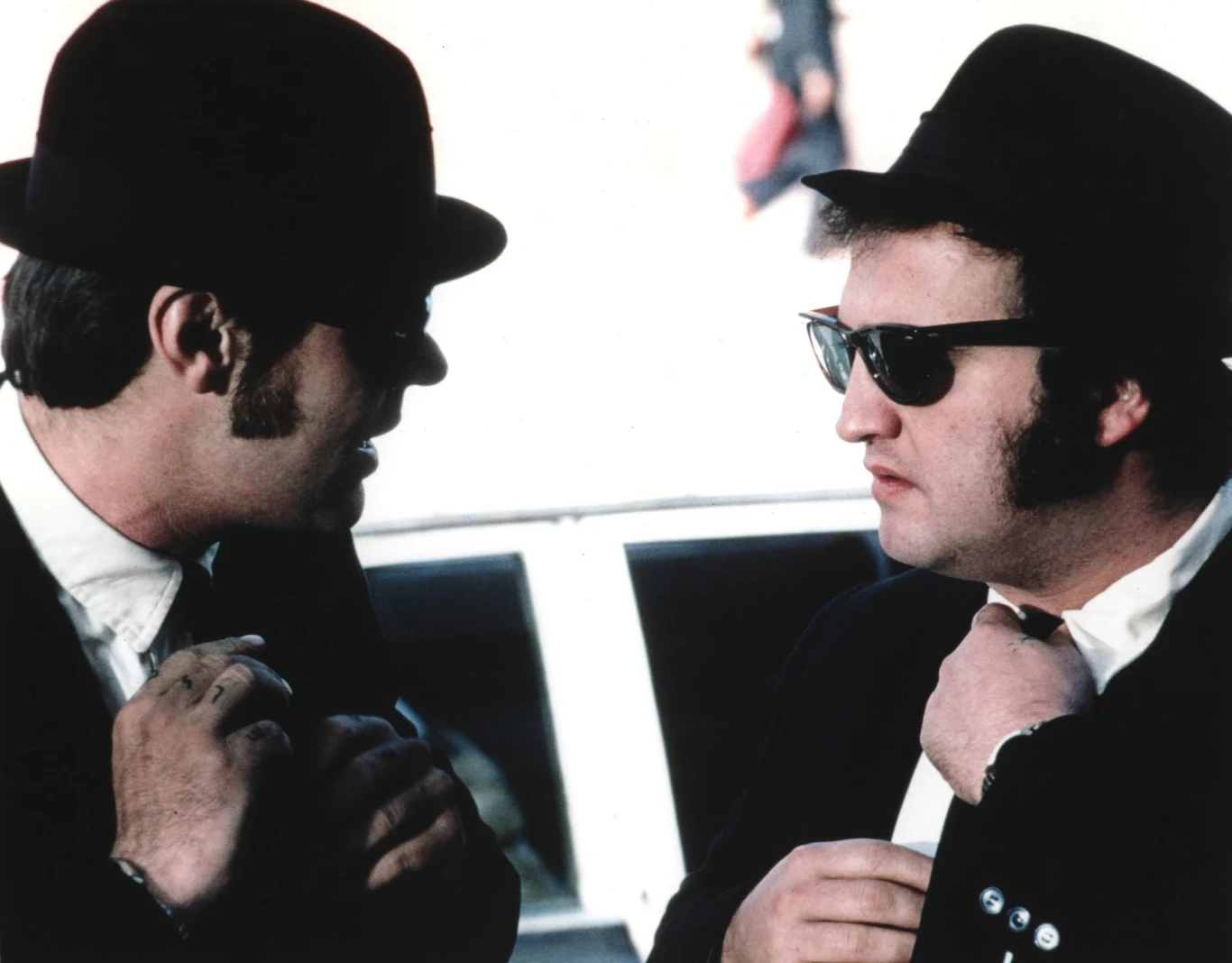
Aretha Franklin’s portrayal of Mrs. Murphy in the 1980 musical comedy The Blues Brothers is a defining moment in the film, serving as both a narrative turning point and a masterclass in musical performance. As the wife of band member Matt "Guitar" Murphy, her character uses the power of song to deliver a formidable ultimatum to her husband, bridging the gap between the film’s narrative stakes and its rich soul music heritage.
The Character: Mrs. Murphy
In the world of The Blues Brothers, the band members are assembled by Jake and Elwood Blues as they attempt to bring their old R&B rhythm section back together to save the orphanage where they were raised. One of the essential members they must recruit is Matt "Guitar" Murphy, who works at a local diner alongside his wife, Mrs. Murphy.
Aretha Franklin’s character acts as the primary obstacle to the band's reunion. She is a sharp-witted, assertive woman who is entirely unimpressed by the Blues Brothers' mission or the nostalgic allure of the band. Her role provides a grounding force in a film otherwise defined by increasingly absurd car chases and chaotic slapstick. By refusing to let her husband leave his job, she forces the brothers to engage with the reality of the musicians' lives outside of their musical persona.
The Musical Showstopper: Think
The centerpiece of Franklin’s role is her performance of the 1968 hit "Think." When Jake and Elwood arrive at the diner to convince Matt Murphy to join them, a domestic dispute ensues. The scene rapidly evolves into a musical number, which was a hallmark of the film’s direction under John Landis.
As Mrs. Murphy, Franklin confronts her husband and the Blues Brothers in the middle of the diner. She uses the song as a vehicle for a fierce argument, demanding that her husband respect his commitments to his job and their home. The performance is not merely a song; it is a tactical weapon in the scene. She uses her vocal prowess to dominate the space, effectively stopping the brothers in their tracks. This performance is widely regarded as one of the most electric moments in the film, highlighting Franklin’s ability to command a narrative through music.
Cultural Context and Significance
To understand why Aretha Franklin’s appearance is so impactful, one must consider the cultural climate of the late 1970s and early 1980s. The Blues Brothers was, in many ways, an earnest attempt by Dan Aykroyd and John Belushi to honor the architects of rhythm and blues. By including legends like Franklin, Ray Charles, and James Brown, the film brought these artists to a new generation of mainstream, primarily suburban, white audiences.
However, Franklin’s role was unique because she was not merely providing a cameo or a musical interlude. She was fully integrated into the script as a comedic character. The juxtaposition of the "Queen of Soul" playing a diner waitress who is annoyed by two men in suits and sunglasses added a layer of meta-humor that resonated with audiences. It allowed Franklin to demonstrate her comedic timing, proving that her range extended far beyond the recording studio or the concert stage.
Production and Performance Dynamics
The filming of the diner sequence required a level of coordination that was atypical for standard comedy scenes of the era. Because the music was recorded prior to filming to allow for lip-syncing, the performers—including the background dancers and extras—had to execute their movements in precise alignment with the track.
Franklin’s performance was noted by cast and crew for its intensity. Even in a film defined by its musical guests, her scene stands out because of the energy she brought to the dialogue-heavy portions of the sequence. The interaction between Franklin and the band members, particularly the way she physically maneuvers the space of the diner, underscores her dominance in the scene. The film’s creators allowed her to lean into her persona, ensuring that Mrs. Murphy was not a caricature, but a fully realized character who happens to be a powerful vocalist.
The Blues Brothers Musical Landscape
The following table outlines the contributions of key musical legends in the film, illustrating how Franklin’s role fit into the broader ensemble strategy.
| Artist | Role/Character | Musical Contribution | Narrative Context |
|---|---|---|---|
| Aretha Franklin | Mrs. Murphy | "Think" | Conflict over band recruitment |
| Ray Charles | Ray | "Shake a Tail Feather" | Providing the musical equipment |
| James Brown | Rev. Cleophus James | "The Old Landmark" | Spiritual inspiration for Jake |
| Cab Calloway | Curtis | "Minnie the Moocher" | Providing emotional grounding |
Troubleshooting and Audience Misconceptions
A common point of confusion for modern viewers involves the nature of the "reunion." Some viewers wonder if the character of Mrs. Murphy was based on a real person or if the scene was a purely fictional construct designed for the movie. While the characters of Jake and Elwood Blues were rooted in a fictional mythology, the inclusion of real-world musicians was a deliberate choice to provide authentic backing for the fictional band members.
Furthermore, audiences sometimes perceive the scene as a generic musical break. It is important to view it as a plot-advancement device. Without the "Think" sequence, the narrative of convincing the band members to quit their jobs would lose its stakes. The song serves as the "no" that the brothers must overcome through sheer force of personality, cementing their role as catalysts for change in the lives of the musicians they recruit.
Legacy of the Performance
By 2026, The Blues Brothers is viewed as a landmark piece of American film history, largely due to its commitment to showcasing African American musical icons. Aretha Franklin’s contribution remains a staple of music and cinema studies. Her scene is often cited as an example of how music can serve as a narrative tool in cinema, effectively replacing exposition with performance.
The enduring popularity of the scene has solidified it as a cultural touchstone. For fans of Franklin, it remains a rare instance of seeing her in a sustained acting role that challenged her to balance music with comedic character work. For the film itself, the scene is an anchor that prevents the movie from becoming too bogged down in its own chaotic action sequences, reminding viewers that the heart of the film is, indeed, the blues.
Frequently Asked Questions
1. Was Aretha Franklin’s singing in the movie performed live on set? While the vocals for "Think" were recorded in a studio environment to ensure high-fidelity audio quality for the film's soundtrack, Franklin’s performance on set was a high-energy live performance synced to the recording. This was standard practice for musical films of that period, allowing the director to capture dynamic camera movements while the artist focused on the emotional delivery.
2. Why was the character of Mrs. Murphy so opposed to the band? In the film's logic, Mrs. Murphy is the pragmatist. Her husband, Matt, is a talented musician who has settled into a stable life working at a diner. Her opposition is driven by a desire for stability and a lack of belief in the Blues Brothers' reckless, disorganized mission. Her resistance represents the tension between artistic ambition and the requirements of everyday life.
3. Did Aretha Franklin appear in the sequel, Blues Brothers 2000? Yes, Aretha Franklin reprised her role as Mrs. Murphy in the 1998 sequel. She performed an expanded version of "Respect," further cementing her role as a central, if occasionally reluctant, player in the wider Blues Brothers cinematic universe.
4. How did the film impact Aretha Franklin’s career at the time? Already a global icon, the film served to reintroduce her to a younger demographic. Following the 1980 release of the film, Franklin saw a resurgence in her mainstream presence. The film helped solidify her status as a cultural figure whose influence transcended the boundaries of soul and R&B, making her a household name across multiple generations.
5. Are there any other notable musical cameos in that scene? Yes, the diner scene is dense with talent. The musicians portraying the band members, such as Matt Murphy and Blue Lou Marini, are genuine legendary session players. Their presence adds an extra layer of professional authenticity to the performance, as the musicians Franklin is singing to are actual peers in the rhythm and blues industry.
Recommendation for Viewers
If you are re-watching The Blues Brothers to analyze the musical performances, pay close attention to the editing during the "Think" sequence. Unlike many modern films that use rapid, jarring cuts for musical numbers, the scene relies on wider shots that capture the interplay between the actors. Observe how Franklin uses the diner's kitchen staff and equipment to create a sense of scale and authority. This scene remains the most effective example of how music can heighten the comedic tension of a script, turning a simple argument into a memorable, high-stakes confrontation.