Argentina has produced over 40 world champions, cementing its status as one of the most prolific and technically proficient boxing nations in history. From the pioneering efforts of Luis Ángel Firpo to the legendary middleweight dominance of Carlos Monzón and the modern-day brilliance of Sergio "Maravilla" Martínez, Argentine boxing is characterized by a unique blend of gritty resilience, tactical intelligence, and a deep-seated cultural passion for the "sweet science."
The history of boxing in Argentina is not merely a record of sporting events; it is a narrative of national identity. For over a century, the ring has served as a stage where the country’s social and economic struggles have been distilled into individual combat. As of 2026, the legacy of the sport remains a cornerstone of Argentine culture, second only to football in its historical significance and ability to unite the population.
The Genesis of Argentine Boxing and the "Bull of the Pampas"
In the early 20th century, boxing in Argentina was a fringe activity, often marginalized or outright banned due to its perceived brutality. It was viewed as a foreign import, primarily practiced by British sailors and expatriates. However, the legal landscape shifted dramatically following the most famous "loss" in Argentine history: the September 14, 1923, heavyweight title fight between Luis Ángel Firpo and Jack Dempsey.
The Impact of Firpo vs. Dempsey
Luis Ángel Firpo, known as the "Bull of the Pampas," traveled to New York to challenge the legendary Jack Dempsey. In the first round, Firpo knocked Dempsey through the ropes and out of the ring. Although Dempsey eventually climbed back in and won by knockout in the second round, the image of Firpo’s power resonated across South America.
This single event acted as a catalyst for the sport's legalization in Buenos Aires. Upon his return, Firpo was treated as a hero, and the government recognized that boxing could provide a significant source of national pride. This era established the Federación Argentina de Boxeo (FAB) as the governing body, ensuring that the sport transitioned from clandestine clubs to regulated, professional arenas.
Pascual Pérez: The First World Champion
While Firpo opened the door, it was Pascual Pérez who first reached the summit of the sport. A flyweight of diminutive stature but immense skill, Pérez captured the gold medal at the 1948 London Olympics. This success was a precursor to his professional triumph in 1954, when he defeated Yoshio Shirai in Tokyo to become Argentina’s first professional world champion.
Pérez held the flyweight title for six years, defending it successfully nine times. His career established a blueprint for Argentine boxers: a focus on technical footwork, a high volume of punches, and extreme physical conditioning. His achievements proved that Argentina could produce elite athletes capable of competing and winning on the global stage, far from the gyms of Buenos Aires.
The Golden Era: Carlos Monzón and the 1970s
If the 1950s were about discovery, the 1970s were about absolute dominance. This decade is widely considered the "Golden Era" of Argentine boxing, headlined by arguably the greatest middleweight of all time, Carlos Monzón.
The Reign of Carlos Monzón
Monzón, a lanky and stoic fighter from Santa Fe, captured the undisputed middleweight title in 1970 by knocking out Nino Benvenuti in Italy. His reign lasted until his retirement in 1977, during which he defended his title 14 times against the best the world had to offer, including Emile Griffith, Bennie Briscoe, and José Nápoles.
Monzón’s style was defined by a devastating long-range jab and a clinical right hand. He was never knocked out during his championship reign, and his ability to dismantle opponents both mentally and physically remains a subject of study for modern trainers. Despite his turbulent personal life outside the ring, his sporting achievements remain the benchmark for every Argentine middleweight.
Nicolino Locche: "The Untouchable"
Simultaneous to Monzón's reign was the rise of Nicolino Locche, the "Intocable" (The Untouchable). Locche was the antithesis of the aggressive brawler. Fighting in the light-welterweight division, he relied on head movement, parries, and reflexes that seemed supernatural.
Locche’s 1968 victory over Paul Fuji in Tokyo is legendary; Fuji surrendered in his corner because he simply could not hit Locche. Locche’s legacy is a reminder that boxing is as much about defense as it is about offense, a philosophy that continues to influence the defensive "school" of Argentine boxing styles seen today in 2026.
Major Argentine Boxing Achievements and Champions
To understand the depth of Argentina's success, one must look at the breadth of champions across various weight classes. The country has consistently produced fighters who excel in the "glamour" divisions as well as the lower weight classes.
| Fighter | Division | Major Title Years | Key Achievement |
|---|---|---|---|
| Pascual Pérez | Flyweight | 1954–1960 | First Argentine World Champion; Olympic Gold Medalist. |
| Nicolino Locche | Light Welterweight | 1968–1972 | Defensive master; 121 career wins. |
| Carlos Monzón | Middleweight | 1970–1977 | 14 successful title defenses; Hall of Fame. |
| Victor Galíndez | Light Heavyweight | 1974–1979 | Two-time champion; famous for "bloody" win vs. Richie Kates. |
| Santos Laciar | Flyweight/Super Flyweight | 1981–1987 | Three-time world champion; key figure in 80s resurgence. |
| Sergio Martínez | Middleweight | 2010–2014 | "Maravilla"; Ring Magazine Fighter of the Year. |
| Marcos Maidana | Welterweight | 2011–2014 | Two-division champ; pushed Floyd Mayweather to the limit. |
| Brian Castaño | Light Middleweight | 2016–2021 | Modern tactical specialist; WBO Champion. |
The Role of Luna Park: The "Cathedral of Boxing"
No history of Argentine boxing is complete without mentioning Luna Park. Located in Buenos Aires, this stadium became known as the "Cathedral of Boxing." Under the promotion of Juan Carlos "Tito" Lectoure, Luna Park hosted the most significant bouts in the country's history.
For an Argentine boxer, "making it" meant headlining a Saturday night at Luna Park. The venue was more than just a sports arena; it was a social hub where celebrities, politicians, and the working class gathered. The atmosphere of Luna Park fostered a high-pressure environment that prepared Argentine fighters for the hostile crowds they would eventually face in Las Vegas, New York, or Tokyo.
Modern Era: Maravilla Martínez and the Maidana Surge
Following a brief period of decline in the late 1990s, Argentina experienced a massive resurgence in the 2010s. This era was defined by two very different styles: the elegance of Sergio "Maravilla" Martínez and the raw power of Marcos "El Chino" Maidana.
Sergio Martínez
Martínez brought a "southpaw" elegance back to the middleweight division. His knockout of Paul Williams in 2010 and his tactical masterclass against Julio César Chávez Jr. in 2012 revitalized the sport’s popularity in Argentina. Martínez was a master of distance and timing, using his athleticism to overcome much younger opponents well into his late 30s.
Marcos Maidana and Lucas Matthysse
While Martínez provided the finesse, Maidana and Matthysse provided the fireworks. Maidana’s two fights against Floyd Mayweather Jr. in 2014 are historic moments for Argentine sports. Although he lost both by decision, his aggressive, relentless style earned him global respect and showed that the Argentine "warrior" spirit was alive and well.
Olympic Success: The Foundation of the Professional Ranks
Argentina's professional success is built on a robust amateur foundation. Boxing is the sport that has brought the most Olympic medals to Argentina (24 in total, including 7 gold).
The amateur system in Argentina, managed by local provincial federations, emphasizes high-repetition technical drills and extensive sparring. This system ensures that by the time a fighter turns professional, they often have over 80 amateur bouts of experience. This "old school" approach is why Argentine prospects are often considered "avoided" in the international circuit; they are frequently much more experienced than their professional record suggests.
Women’s Boxing in Argentina
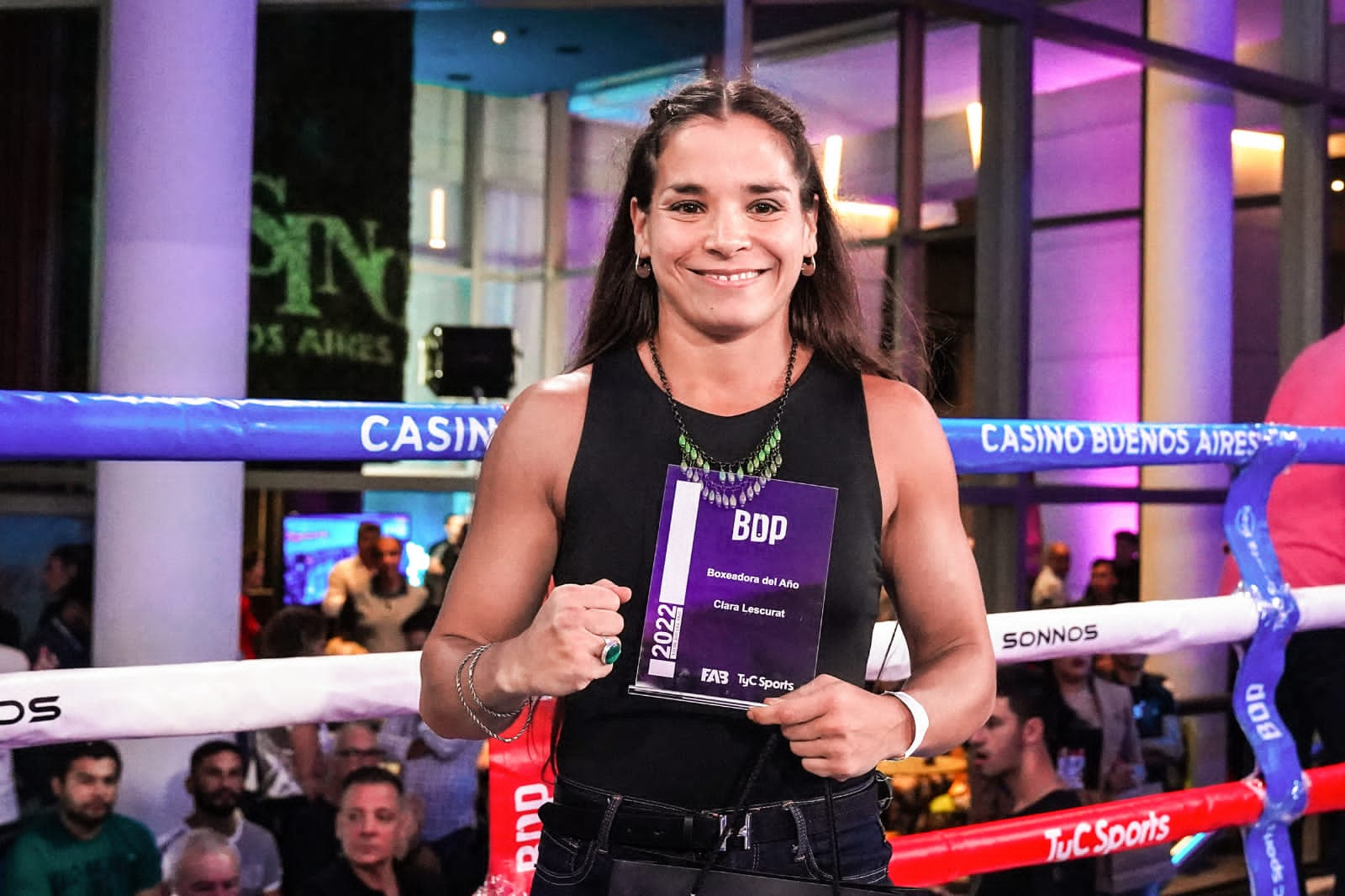
Argentina has also emerged as a world leader in women’s boxing. Since the legalization of women’s professional boxing in 2001, the country has produced an extraordinary number of champions, such as Marcela "La Tigresa" Acuña, Yesica Bopp, and Erica Farías.
Acuña, in particular, is credited with breaking the gender barrier in a traditionally macho sport. Her success paved the way for Argentina to hold more female world titles simultaneously than almost any other nation during the 2010-2020 period. This inclusive growth has ensured the sport's longevity and expanded its fan base across all demographics.
Technical Characteristics of the "Argentine School"
Boxing analysts often refer to the "Argentine School" of boxing. While every fighter is unique, there are recurring technical themes in Argentine training:
- The Counter-Punching Tradition: Influenced by Locche, many Argentine trainers emphasize "hitting without being hit." This involves subtle shoulder rolls and catching punches on the gloves.
- Liver Shot Focus: Argentine boxers are renowned for their body work, particularly the left hook to the liver, a staple of the training curriculum in Buenos Aires gyms.
- The "Crouch" and Footwork: Using a lower center of gravity to explode into punches, a technique seen in both Galíndez and Maidana.
- Mental Durability: There is a cultural emphasis on "aguante"—the ability to endure hardship and maintain tactical discipline under extreme pressure.
Frequently Asked Questions
Who is considered the greatest Argentine boxer of all time?
Most boxing historians and fans rank Carlos Monzón as the greatest. His 14 successful middleweight title defenses and his status as the undisputed champion for seven years place him among the all-time greats of the sport globally, not just in Argentina.
How many Olympic gold medals has Argentina won in boxing?
Argentina has won seven Olympic gold medals in boxing. These were achieved by Victor Avendaño (1928), Arturo Rodríguez Jurado (1928), Carmelo Robledo (1932), Alberto Lovell (1932), Oscar Casanovas (1936), Rafael Iglesias (1948), and Pascual Pérez (1948).
Why was boxing banned in Argentina in the early 20th century?
Boxing was banned primarily due to safety concerns and its association with gambling and "disorderly" conduct. It was seen as a violent, unrefined activity until the success and popularity of Luis Ángel Firpo in 1923 forced the government to regulate and legalize it to capitalize on national sentiment.
Is Luna Park still used for boxing today?
As of 2026, Luna Park continues to host occasional high-profile boxing events, though many major fights have moved to larger multi-purpose arenas or international venues. However, it remains the spiritual home of the sport in Argentina and is still a National Historic Monument.
Who was the first Argentine female world champion?
Marcela "La Tigresa" Acuña became the first Argentine woman to win a world title when she captured the WIBA super bantamweight title in 2003. She is a pioneer who changed the perception of women in combat sports in South America.
Summary of Next Steps for Enthusiasts
For those looking to explore Argentina's boxing heritage further, a visit to the Federación Argentina de Boxeo in Buenos Aires offers a glimpse into the archives of the sport. Fans should also look for documentaries on the life of Nicolino Locche or Carlos Monzón to understand the socio-political context of their eras. If you are a practitioner, studying the defensive footwork of the "Argentine School" can provide valuable insights into high-level counter-punching techniques.