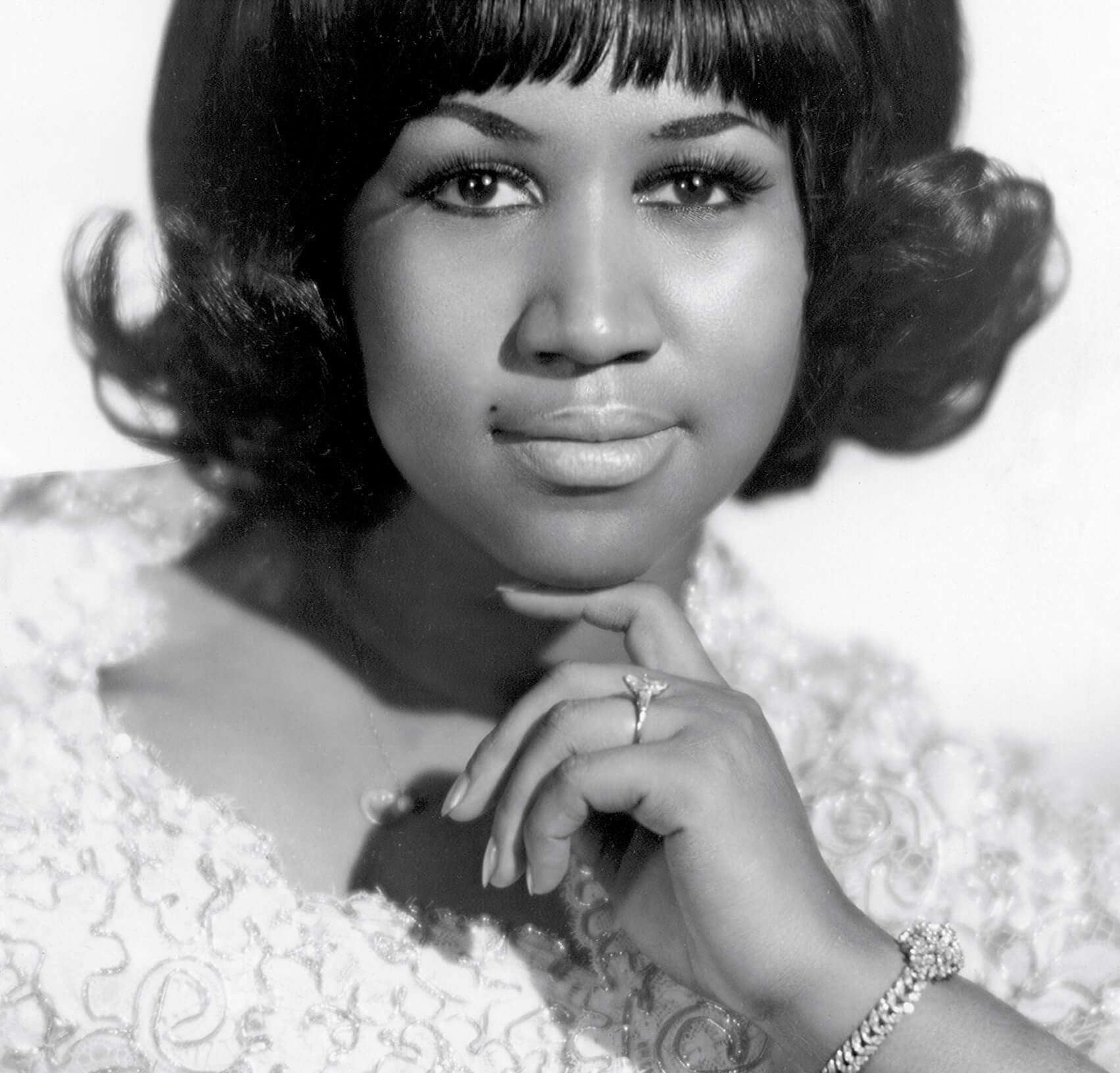
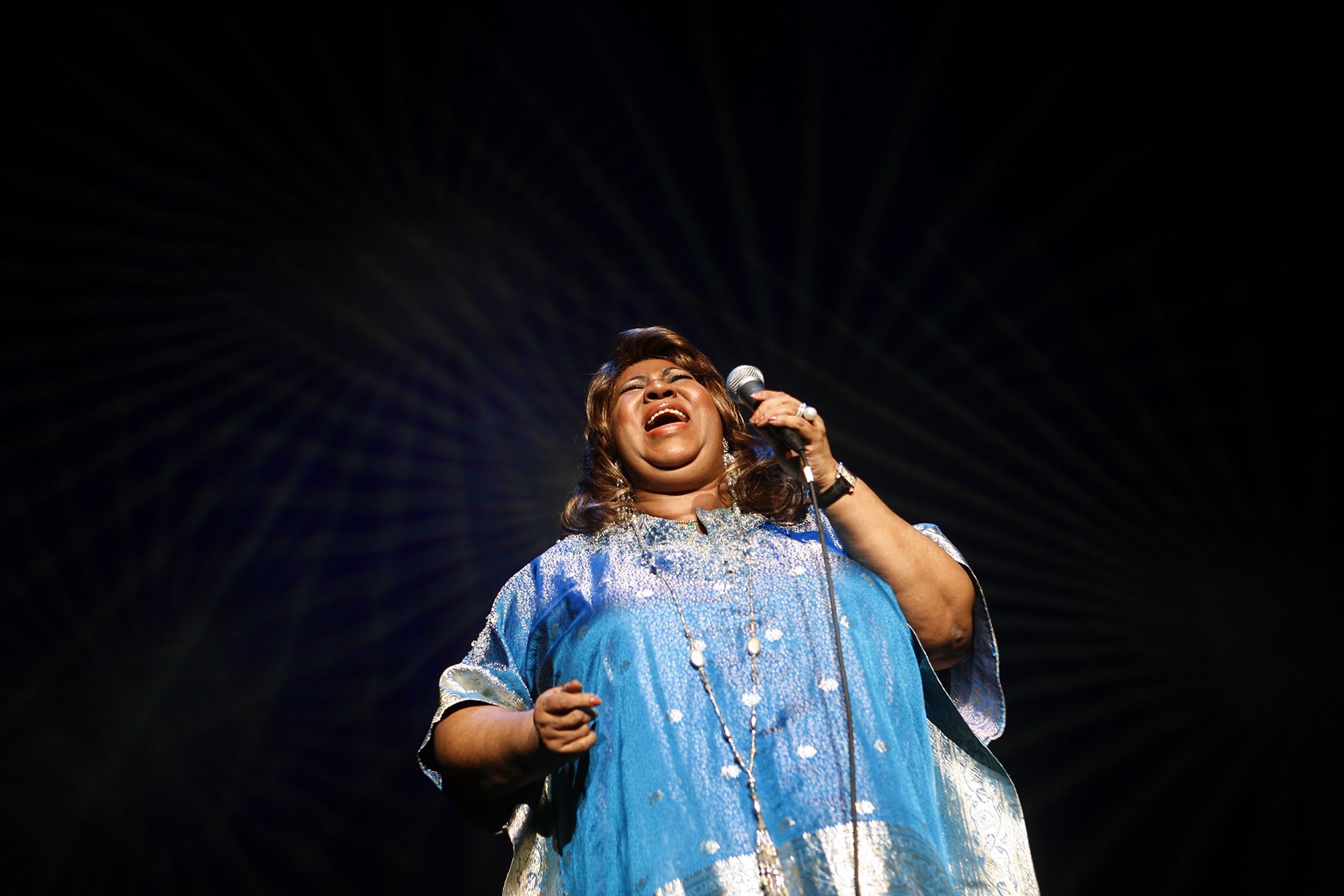
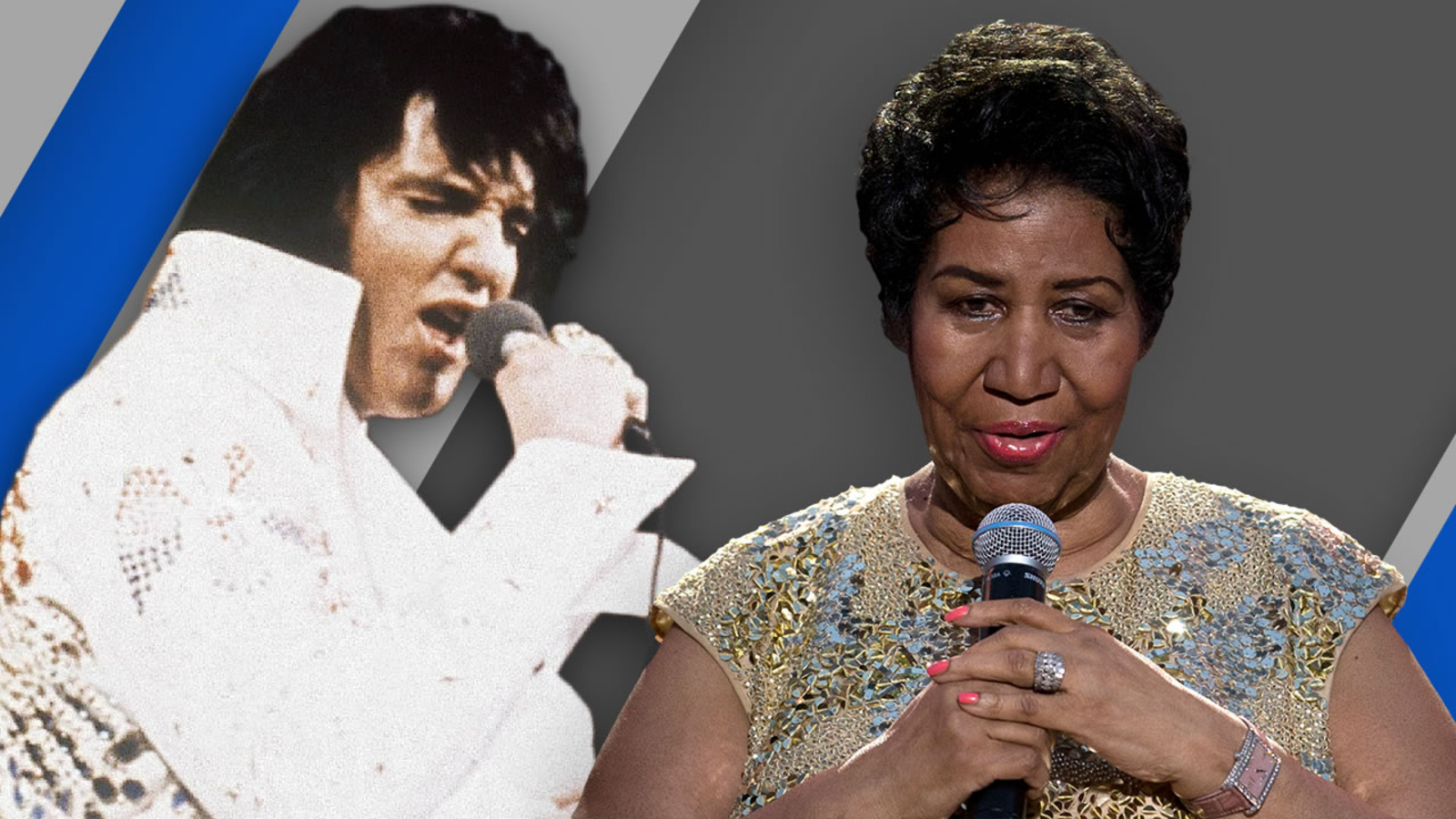
The Aretha Franklin obituary serves as the definitive public record of the life, career, and passing of the legendary American singer and songwriter, often referred to as the "Queen of Soul." Franklin passed away on August 16, 2018, at her home in Detroit, Michigan, at the age of 76, following a battle with a neuroendocrine tumor of the pancreatic type.
The Life and Career of the Queen of Soul
Born in Memphis, Tennessee, on March 25, 1942, and raised in Detroit, Aretha Franklin was the daughter of the prominent Baptist minister and civil rights activist C.L. Franklin. Her upbringing in the church provided the foundational gospel influence that would define her vocal style for decades. By the 1960s, after a period of struggle in the jazz and pop charts, Franklin signed with Atlantic Records. Her collaboration with producer Jerry Wexler produced a string of definitive hits, including "Respect," "(You Make Me Feel Like) A Natural Woman," and "Think."
These recordings did more than reach the top of the charts; they became anthems for the civil rights movement and the feminist movement. Her ability to synthesize gospel, soul, R&B, and jazz made her one of the most versatile and influential vocalists in the history of popular music. Throughout her career, she earned 18 Grammy Awards and became the first female performer to be inducted into the Rock and Roll Hall of Fame in 1987.
Verifying the Details of Her Passing
The announcement of Aretha Franklin’s passing arrived on August 16, 2018. Following widespread reports regarding her declining health in the weeks leading up to the event, the official confirmation came from her publicist, Gwendolyn Quinn. The obituary records for the singer specify that she died at 9:50 a.m. local time at her apartment in Detroit, surrounded by family and friends.
The primary medical cause of death cited by her representatives was advanced pancreatic cancer, specifically a neuroendocrine tumor. Unlike the more common adenocarcinoma, neuroendocrine tumors are typically slower-growing but carry significant medical complexity. Her passing was met with a global outpouring of grief, reflecting her status not just as a singer, but as a cultural pillar of American history.
Public Commemoration and Funeral Rites
Following the official obituary notices, preparations for her funeral became a major public event. A public viewing was held at the Charles H. Wright Museum of African American History in Detroit on August 28 and 29, 2018. This allowed thousands of fans to pay their respects to the late singer.
The funeral service took place on August 31, 2018, at the Greater Grace Temple in Detroit. The event was highly publicized and featured performances from notable artists, including Stevie Wonder, Ariana Grande, and Jennifer Hudson, who would later portray Franklin in the 2021 biographical film Respect. The service highlighted her dual identity as a daughter of the church and a global pop icon, blending liturgical tradition with the tribute performances characteristic of a musical legend.
Comparative Analysis of Media Coverage
Major news outlets provided exhaustive coverage of her passing. While the core facts remained consistent across reputable publications, the focus of each obituary varied depending on the target audience and institutional history.
| Publication | Primary Editorial Focus | Historical Significance Highlighted |
|---|---|---|
| The New York Times | Cultural and Political Impact | Her role in the Civil Rights movement. |
| Rolling Stone | Musical Technique and Legacy | Technical analysis of her vocal range and hits. |
| Detroit Free Press | Local Connection | Her early life and community impact in Detroit. |
| Billboard | Industry Statistics | Record-breaking chart performance and awards. |
These diverse perspectives ensure that the written history of Aretha Franklin is not limited to a single narrative, but rather a collection of documented milestones that contextualize her importance to both music history and 20th-century American culture.
The Estate and Legal Considerations
Following her death, the administration of the Aretha Franklin estate became a matter of significant legal scrutiny, primarily regarding the discovery of multiple holographic wills. In Michigan, where Franklin resided, a holographic (handwritten) will is considered legally binding if it is dated, signed, and in the handwriting of the testator.
The discovery of these documents in 2019—found beneath cushions in her home—led to a multi-year legal battle among her children concerning the distribution of her assets and intellectual property. This process serves as a reminder of the complexities inherent in estate planning for high-profile figures. By 2023, a jury determined that a 2014 document was her valid will, effectively resolving the primary disputes regarding her legacy and assets.
Frequently Asked Questions
Where can the official death certificate details be found? Official death records are managed by the Michigan Department of Health and Human Services. However, the cause of death is a matter of public record and was confirmed by her family’s official publicist in 2018.
How did the public mourn Aretha Franklin? Public mourning took place through large-scale events in Detroit, including a multi-day viewing at the Charles H. Wright Museum and an eight-hour funeral service at Greater Grace Temple that was broadcast globally.
What is a neuroendocrine tumor in the context of her passing? This is a rare type of tumor that forms in cells that interact with both the endocrine and nervous systems. In Franklin's case, it was identified as a pancreatic neuroendocrine tumor, which differs significantly from the more common forms of pancreatic cancer often mentioned in medical reports.
Why was there a legal dispute following her death? The dispute centered on which of three conflicting handwritten notes found in her Detroit home constituted her legal will. The ambiguity of these documents necessitated court intervention to determine which version represented her final intent regarding her estate.
What was her final recorded performance? Her final public performance occurred in November 2017 at the Elton John AIDS Foundation gala in New York City. She continued to record and plan projects until her health made it impossible to do so in 2018.
Next Actions and Further Research
For those interested in the academic or historical study of Aretha Franklin, the following steps are recommended:
- Consult Primary Sources: Review original articles from established news outlets published between August 16 and September 1, 2018, for the most accurate timeline of reporting.
- Access Biographical Archives: The Rock and Roll Hall of Fame provides extensive biographical data regarding her career milestones and industry influence.
- Estate Documentation: For those researching the legal aspects of her legacy, records from the Oakland County Probate Court in Michigan provide the official timeline of the estate litigation.
Understanding the obituary of a cultural icon like Aretha Franklin involves looking beyond the date of death to see the lasting impact of her work. Her music continues to be studied, reissued, and celebrated, ensuring that while the obituary marks the end of her life, her professional legacy remains a dynamic and active part of the cultural landscape in 2026.